Gaziantep Culinary Museum: Discover Southeast Turkey’s Cuisine
The Gaziantep Culinary Museum is tucked into an old house on a narrow cobbled side street. I stepped into a small courtyard and took in the two-storey building. At first glance it did not look like much, but it proved to be one of the most complete and thoughtfully presented food museums I have visited.
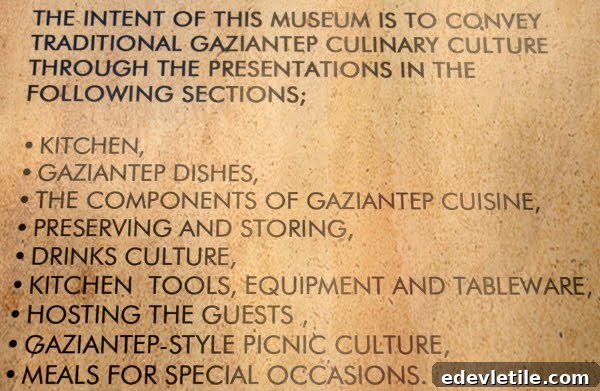
My interest may have been heightened by my own limited cooking skills and unfamiliarity with traditional Turkish dishes. I am far removed from a native Gaziantep cook: the flavours and variety of the city’s cuisine have never fully matched my personal preferences. Yet that distance made the displays even more enlightening.
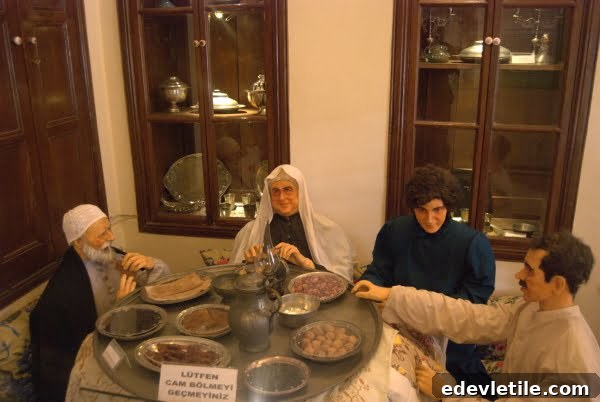
Gaziantep Culinary Museum
Gaziantep hosts a variety of museums, some of which are unremarkable while others are engaging. None, however, captured my curiosity like the culinary museum. The curators clearly respect food and its cultural role, and the presentation is aimed at both local and international visitors — signage is provided in English even though foreign tourism in the area is limited.
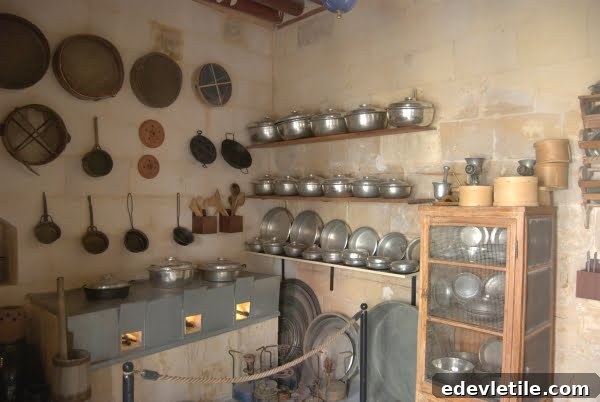
The building once belonged to Ali Ihsan Gögüs, the first tourism minister of Turkey, and reading about him suggests he would be pleased by the respectful restoration and the way his house now serves the public. A museum quote on the wall captures the local pride: “Every Gaziantep woman is a chef from birth.”
Quote by the museum “Every Gaziantep woman is a chef from Birth”
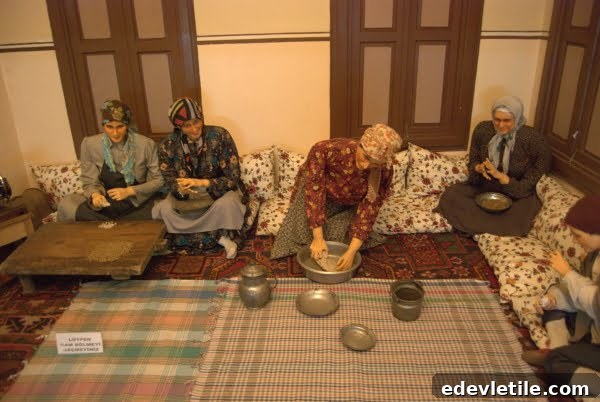
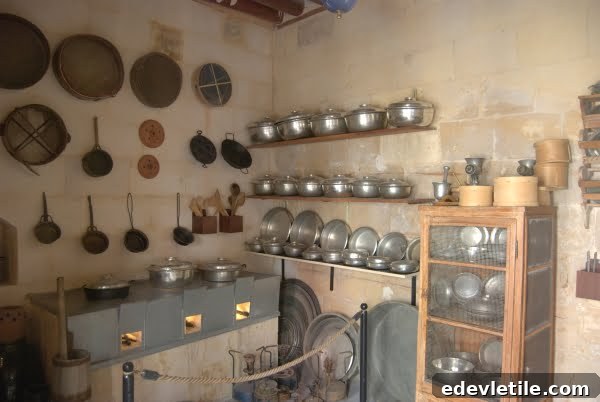
The guided route moves through the stages of food preparation and dining in a traditional Gaziantep household: the kitchens, the serving areas, and rooms used for special occasions. Exhibits cover traditional cooking methods, local specialties, the utensils and vessels used in daily life, and practical techniques for preserving and storing food. Visitors also learn about hosting etiquette and how families prepare for outdoor meals and picnics.
The museum promotes Gaziantep cuisine as among Turkey’s finest, emphasizing the region’s cultural richness. Influences from Mesopotamian neighbours, along with traditions passed down from Arab, Hittite and Assyrian cultures, shape a cuisine that the museum argues is as healthy and diverse as many Mediterranean diets.
Common ingredients and techniques are highlighted: yogurt accompanies many meals, eggplant features prominently, and unique preservation methods such as Hevenk for drying or preserving fruits are explained. The museum also points out traditional uses of legumes, like chickpeas, including historical remedies such as using softened chickpeas to soothe teething babies.
Quote from the museum “You cannot have food without spices nor spices without food”
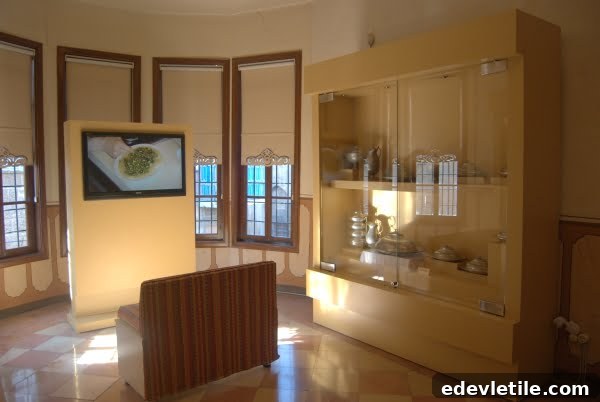
One room is dedicated to the Gögüs family, the donors of the house, but the highlight for me was a video installation showing cooking demonstrations and local chefs — it felt a bit like watching a regional episode of a cooking show, bringing recipes and techniques to life through moving images.
[wp_geo_map]