Goat Sacrifice Traditions During Kurban Bayram in Turkey
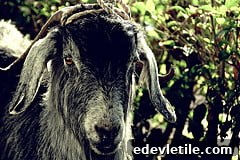
This week markets across Turkey have been unusually busy as communities prepare for Kurban Bayram, the four-day Feast of the Sacrifice that begins on Sunday. Livestock sellers are experiencing their busiest time of the year as goats, sheep and cattle are bought nationwide to be sacrificed in accordance with Islamic tradition.
Kurban Bayram in Turkey
(Update: For 2014, I will not be taking part in Kurban Bayram, which runs from October 4th to October 7th.)
On the holiday morning people typically wear simple, older clothing. Families gather and follow a set of rituals: a verse from the Quran is recited, the animal is slaughtered according to religious guidelines, and the blood is drained. After the ritual, family members — often women — join together to clean and divide the meat, which explains the practical attire.
Portions of the meat are reserved for those in need; neighbors who could not afford an animal receive shares, and the remainder is divided among participating households. For many who take part every year, the solemn aspects of the ritual become familiar and accepted as part of the tradition.
Meaning of Kurban Bayram: Feast of the Sacrifice
Traditionally the sacrifice is a sheep or a goat, though some families pool resources to purchase a larger animal such as a cow. The first day is focused on the ritual slaughter; the following days are spent visiting relatives, sharing meals and attending the mosque. Kurban Bayram is one of the major events in the Islamic calendar, commemorating the moment when Abraham was prepared to sacrifice his son in obedience to God’s command. According to the story, God intervened and provided a sheep to be sacrificed instead — the holiday honors Abraham’s devotion and recognition of God.
Animal Welfare and Religious Practice
Debate sometimes arises around whether the practice constitutes animal cruelty. For those who participate, the ritual is seen as purposeful and respectful: the animal’s meat is used to feed families and those in need, and the slaughter is performed according to prescribed rites. Critics point to concerns about suffering and modern standards of animal welfare; defenders note that many people regularly consume meat purchased from supermarkets without knowing the animals’ origins or how they were raised.
Some who object to religious slaughter argue that either stricter welfare standards should apply or that people should stop eating meat entirely. Others see the communal and charitable aspects of Kurban Bayram as central, emphasizing the distribution of meat to the poor and the community bonds the ritual reinforces.
Observing the Holiday as a Visitor
If you are in Turkey during Kurban Bayram you may not witness actual sacrifices unless you travel to rural areas. The holiday mostly affects daily life: public transport can be crowded, many businesses close, and schedules shift as people visit family. In tourist zones, restaurants and bars often remain open to serve visitors.
Muslims who cannot attend the sacrifice often give money to charity instead, while non-practicing Muslims and other residents may continue their usual routines. Some predict the practice could change over time, but for now it remains a deeply rooted and widely observed religious tradition. Whether such a change would be positive or negative depends on individual perspectives.
If you are in Turkey, how are you affected by Kurban Bayram?
(photos – courtesy of Flickr)