Goreme Open-Air Museum: What It’s Like 5 Years Later
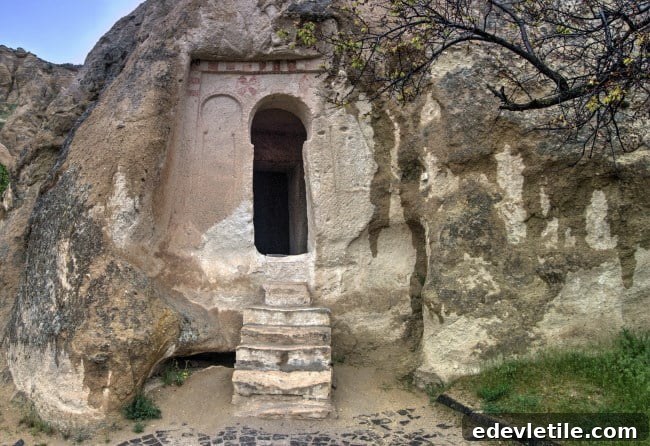
I first visited the Göreme Open Air Museum in Cappadocia back in 2010 and my original account was blunt. I criticised guidebooks, complained about crowds and called the experience overrated. At the time I wrote:
“Göreme Open Air Museum is 13 cave churches that all look the same. Add a shouting tour guide, an expensive entrance fee, awful coffee, a long queue for the toilets and seven coaches of oblivious tourists and you’ll remember the day for all the wrong reasons.”
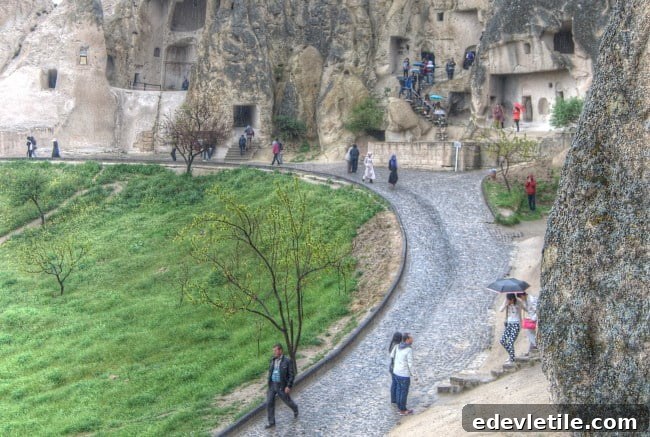
I wondered then whether I’d simply chosen a bad day. So when I returned in June this year I was ready to give the site another chance. As it happened, the visit began inauspiciously: rain started the moment we passed through the gates, and my camera’s memory card was full after four days of shooting elsewhere in Cappadocia. Frustration was mounting, but the visit turned out differently than I expected.
Arriving at the Goreme Open Air Museum
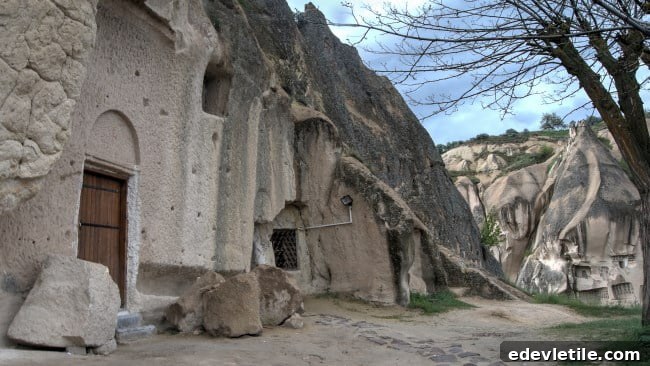
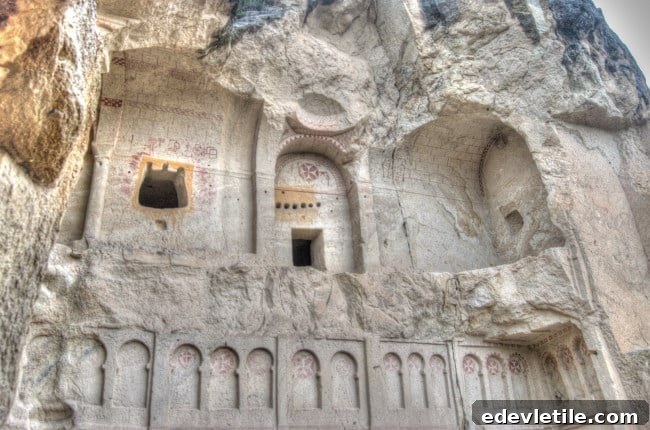
The Göreme Open Air Museum is one of the earliest concentrations of Christian worship sites. Rock-cut churches and monasteries here preserve frescoes and architecture from the early centuries of Christianity, and the area played an important role in spreading the faith. Given that history, I’d hoped to feel reverence; unfortunately small mishaps at the gate nearly spoiled the start of the day. Thankfully our guide lent an umbrella and bought a replacement SD card so I could keep shooting.
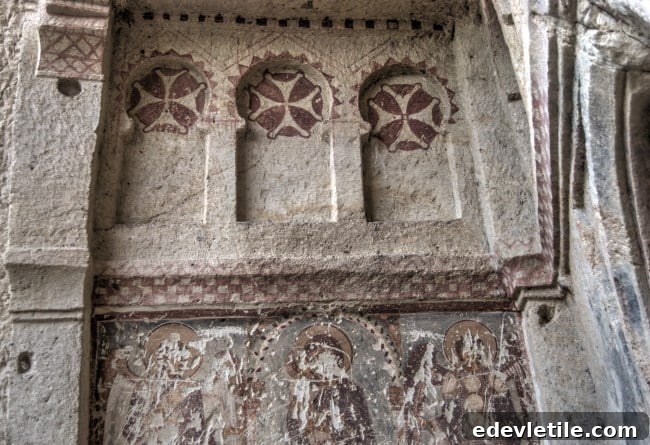
Lightheartedness from the guide helped reset my mood, and we braved the showers to walk from church to church. Despite the steady stream of visitors, I waited my turn to view the frescoed interiors and took time to appreciate their detail and colour. On this visit I tried to focus on the historical and artistic value rather than the inconveniences.
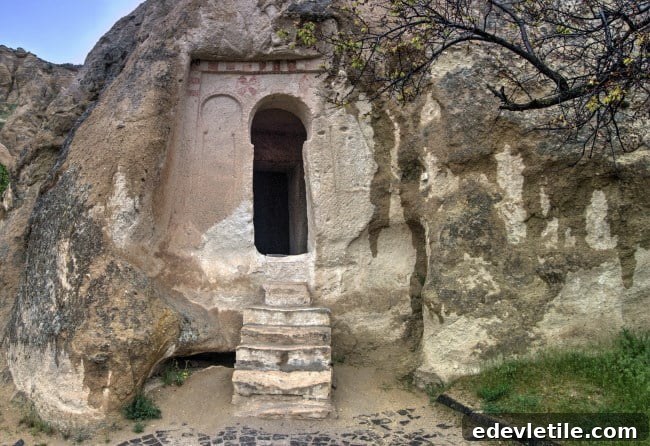
Photography inside the churches is still prohibited, which is frustrating for many visitors since modern cameras can avoid using flash that damages pigments over time. The entrance fee has risen since my first visit — now 25 lira for the main ticket, plus small additional charges for some extra churches — but that revenue supports conservation and maintenance, which are essential for protecting fragile frescoes and rock structures.
Certain practical issues remain: restroom capacity is limited and queues can form, and the onsite restaurant continues to charge tourist prices for coffee. On the positive side, I found the coffee’s quality much improved compared with my earlier experience. Small comforts aside, the real draw here is the remarkable historical record carved into the rock.
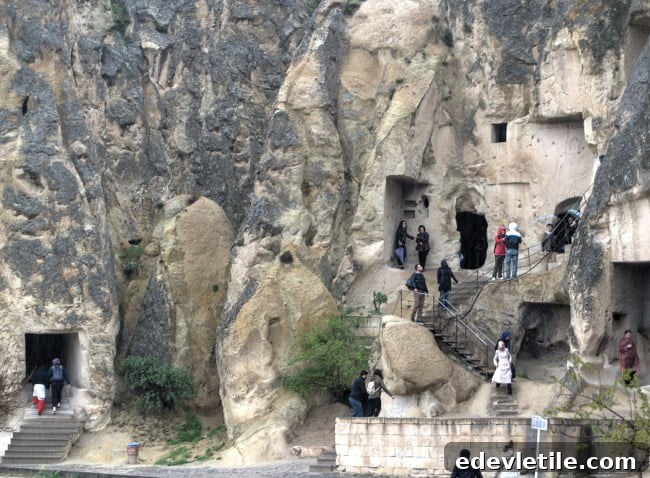
Yes, Göreme Open Air Museum attracts large tour groups, and yes, there are typical tourist frustrations: crowds, noisy visitors and the occasional overbearing guide. But those inconveniences are outweighed by the exceptional importance of the site. The cave churches, painted chapels and monastic complexes offer a rare, tangible connection to early Christian communities who lived and worshipped here, often under threat for their beliefs. Restoration work has revived frescoes that might otherwise have been lost.
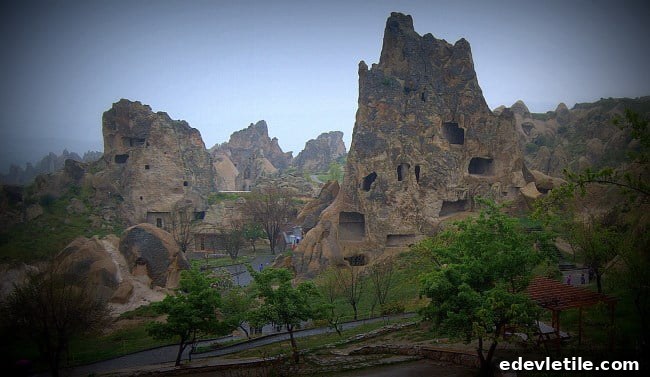
On reflection, I regret being so dismissive during my first visit. A guide adds context and history that deepens the experience, and visiting with a little more patience makes a big difference. If you go, consider a guided tour, arrive early or late in the day to avoid the largest crowds, and give yourself time to absorb the artistry and history instead of rushing from one chapel to the next.
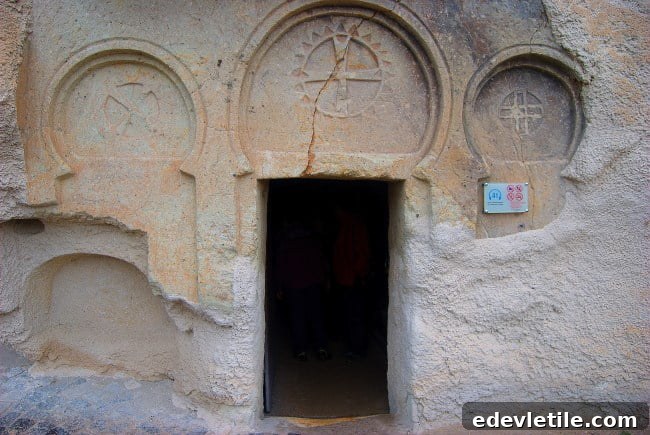
In short, ignore my earlier harsh words. Göreme Open Air Museum deserves its reputation as a must-see in Cappadocia for anyone interested in history, art and early Christian heritage. Be respectful inside the churches, be prepared for crowds, and please resist turning the visit into a costume spectacle in the souvenir shop — it trivialises a place that deserves reverence.