How to Use Money in Turkey: Currency, Cards, and Tips
When planning a trip to Turkey, understanding the local currency and how to handle money will make your stay smoother and help you stick to your budget. Below is a clear, practical guide to using money in Turkey, covering currency, exchange options, ATMs, cards, transfers, customs rules, tax refunds and ways to save while you travel.
What is the Currency of Turkey?
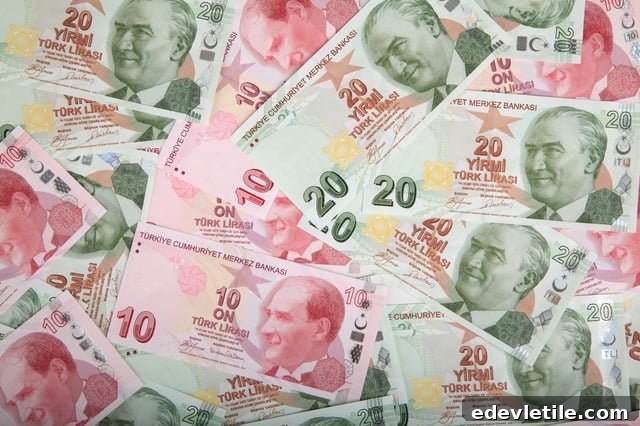
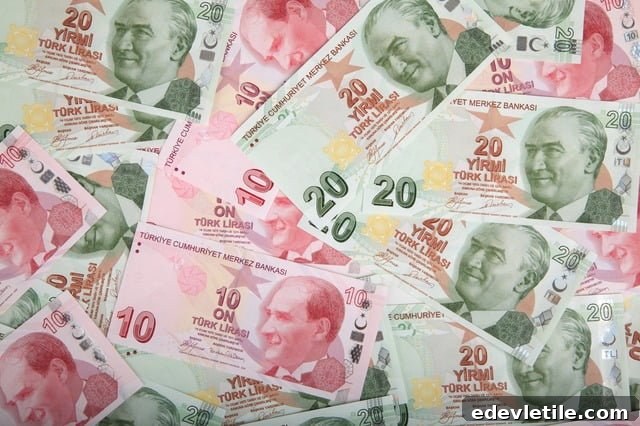
Turkey uses the Turkish lira, commonly shown with the symbol ₺. You may still see the old abbreviation TL or the ISO code TRY used by banks and card processors. The current currency replaced the older lira some years ago, but you might hear older people casually mention millions out of habit.
Banknotes are available in denominations of 200, 100, 50, 20, 10 and 5 lira, each with distinct colors — though the 5 and 50 lira notes can appear similar at a glance. Coins (kuruş) come in values of 5, 10, 25 and 50 kuruş and 1 lira. Familiarizing yourself with notes and coins before spending helps avoid mistakes when paying or receiving change.
Best Places to Exchange Money in Turkey
Exchange rates vary daily. Avoid exchanging money at your home airport where rates and commissions are usually poor. In Turkey, the main options are banks and licensed currency exchange bureaus (döviz bürosu). Some jewellery shops and travel agents also exchange currency, often with convenient hours but varying rates.
Banks and licensed exchange offices generally require identification, usually a passport, but tend to offer better rates than informal outlets. If you’re exchanging a small amount, convenience may outweigh small differences in rate; for larger sums, shop around to get the best rate and lowest fees.
Can I Use Euros, Dollars, or British Pounds?
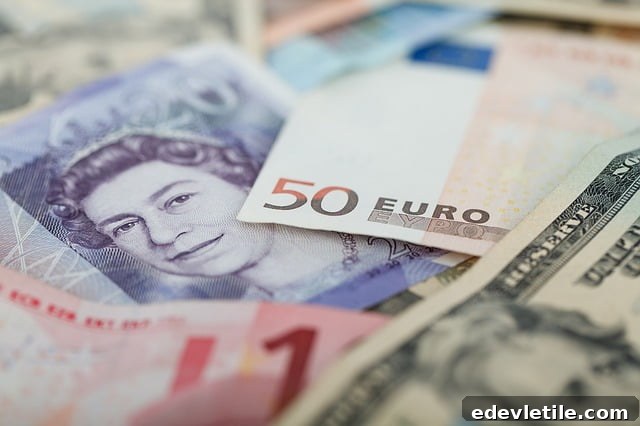
Tourist areas commonly accept major foreign currencies such as euros, US dollars and British pounds. In some coastal resorts you will see prices displayed in euros or pounds. However, when a business accepts foreign currency, they often apply their own exchange rate, which may be less favorable than converting to lira yourself. For the best value, consider paying in lira unless the rate offered is clearly competitive.
Using ATMs (Bankamatik)
ATMs, known locally as bankamatik, are a convenient way to get lira and often best for competitive exchange rates. Before you travel, notify your bank that you’ll be in Turkey to avoid your card being blocked for suspicious activity. Also confirm fees and daily withdrawal limits for overseas cash withdrawals.
Many ATMs offer an English language option; others do not. Some machines dispense only local currency. Be cautious of card fraud: use machines located in bank branches or well-lit areas, do not accept help from strangers, shield your PIN and check for unusual or removable keypads or card readers that could indicate skimming devices.
Traveller’s Cheques and Credit Cards
Traveller’s cheques are largely outdated in Turkey and are rarely accepted. Credit and debit cards (Visa, MasterCard and American Express) are widely accepted in hotels, restaurants and shops, and most POS terminals support chip-and-PIN. Notify your card issuer of your travel dates and destination to prevent blocks for suspicious transactions.
Some service providers or agents may add a commission for card payments, so always check the total before authorizing a transaction. Where possible, use cards for larger purchases and cash for small vendors, markets and transport where cards are not accepted.
Transferring Money In and Out of Turkey
Specialist foreign exchange transfer companies (FOREX firms) often offer lower fees and better exchange rates than traditional banks when sending money to or from Turkey. These providers can reduce costs significantly — fees of around 2% or lower are common compared with higher bank charges. If you move larger amounts, even a small percentage difference can save a considerable sum.
When choosing a transfer provider, prefer regulated companies with a physical presence in reputable jurisdictions such as the UK, USA or Australia. This provides regulatory oversight and clearer customer protections. Compare fees, exchange rates, transfer speed and customer reviews before selecting a provider.
Taking Cash Out of Turkey
Turkish customs require travelers to declare large amounts of cash when leaving the country. Declarations are required for amounts above certain limits, and recent rules have raised those thresholds compared with earlier limits. If you plan to carry significant sums of cash out of Turkey, declare the amount at customs to avoid penalties or seizure. Undeclared or falsely declared cash can be treated as suspicious and referred to authorities.
Tax, Refunds, Receipts and Invoices
Most goods in Turkey include VAT; the standard rate for many items is added at the point of sale. If you need proof of purchase, ask for a “fiş” (receipt) or a “fatura” (invoice). Non-residents who have been in Turkey less than six months can claim VAT refunds on eligible purchases over a minimum amount, provided the items are bought at registered tax-free outlets.
Claim your refund at the airport when departing; international airports typically have tax-refund service desks operated by companies that handle the scheme. Keep receipts and export documentation handy to speed the refund process.
Ways to Save Money While in Turkey
To stretch your travel budget, consider a few practical strategies: use ATMs for favorable exchange rates, compare currency exchange outlets for the best rates, prefer local eateries and markets over tourist restaurants, use public transport where possible, and look for shops that display clear pricing in lira. Planning and comparing options will help you get the most value from your trip without sacrificing comfort.