How Turkish Carpets Are Made: A Photo Essay on Traditional Weaving
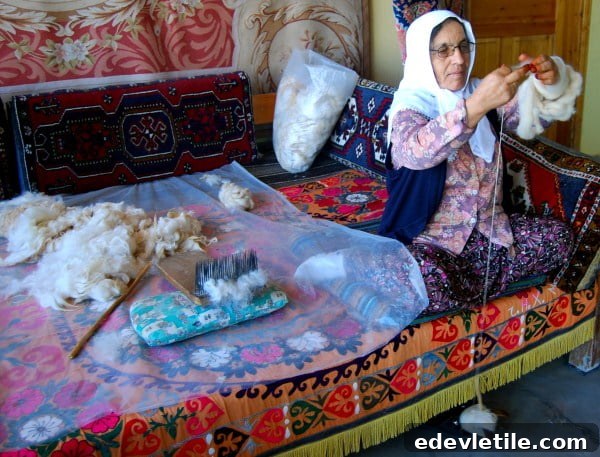
For years, many culturally minded people in Turkey have worried that the centuries-old craft of handmade Turkish carpets is fading, replaced by cheaper machine-made rugs sold at a fraction of the price. In response, carpet weavers’ associations have pooled resources, strengthened networks, and worked to educate the public about the traditional processes and value of handcrafted carpets.
I personally do not believe this tradition will disappear.
About Turkish Carpets
Turkish carpets are not ordinary household items. They enjoy an international reputation for quality and craftsmanship that many people — whether versed in the history or not — can recognize and admire. Thanks to the efforts of weavers’ associations, younger generations continue to learn techniques that can take years to perfect.
These associations also often invite visitors for guided tours to demonstrate the carpet-making process. The craft begins with selecting and preparing the wool for dyeing.
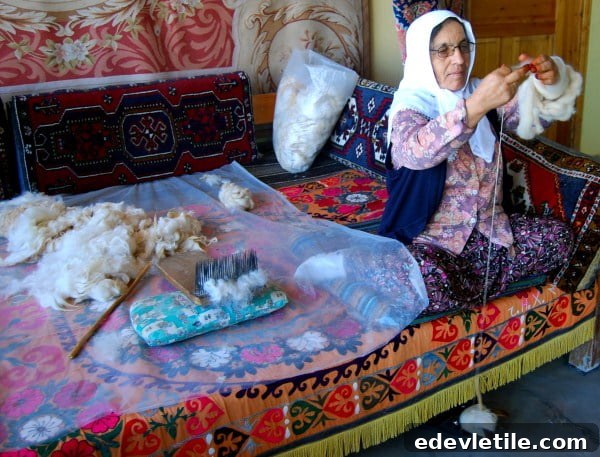
Natural dyes are emphasized because they tend to retain their tone longer than synthetic alternatives, helping a carpet keep its color and character over many years.
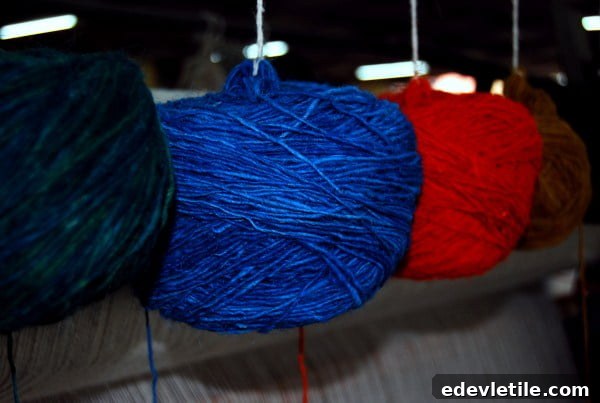
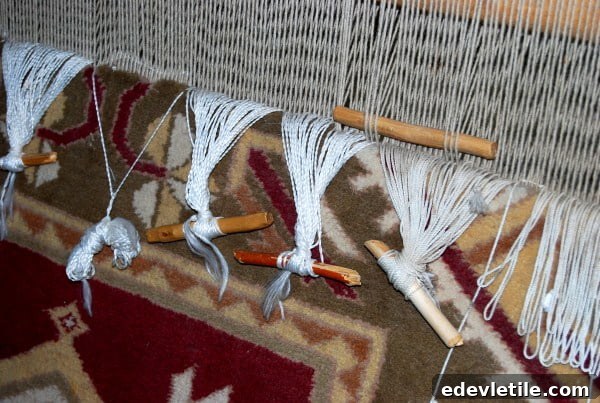
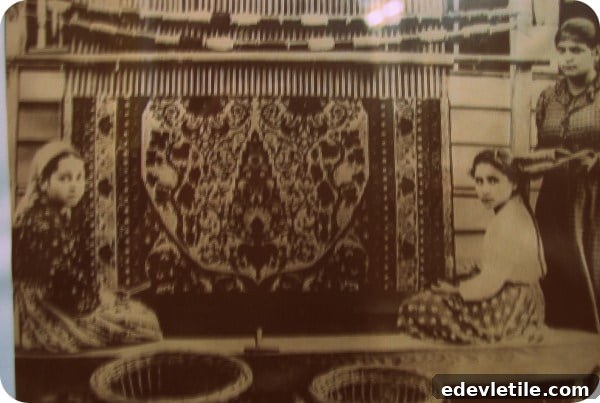
Once dyed and dried, the wool is rolled into balls and placed on a loom. Skilled weavers—often women—work methodically, threading the wool in and out according to the pattern laid out above the frame.
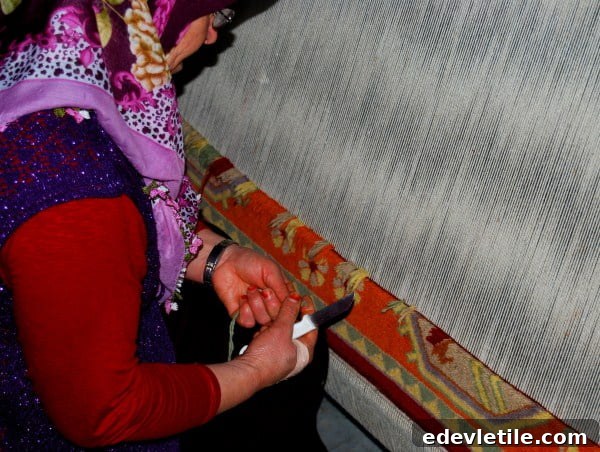
As sections are completed, they are trimmed with scissors to achieve the desired surface and detail. Using these meticulous techniques, a single Turkish carpet can take months or even years to finish.
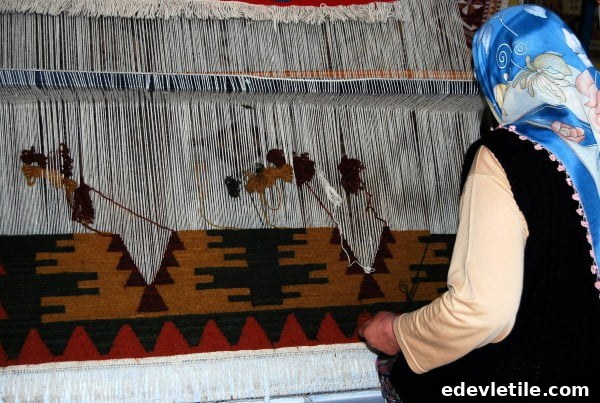
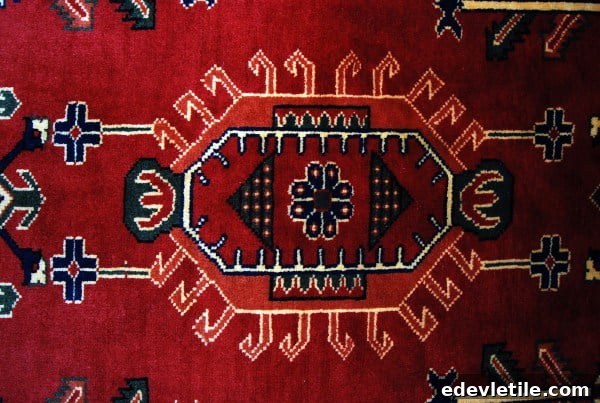
Another reason Turkish carpets are so prized is that many patterns carry symbolic meaning. Motifs such as flowers, stars, eyes, birds and various geometric shapes can convey ideas like love, protection from evil, respect, and motherhood.
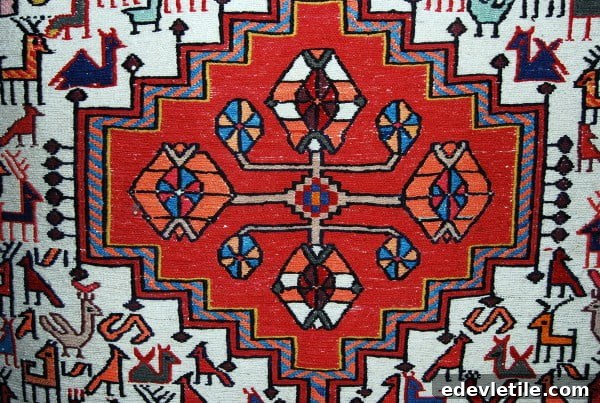
Carpets are often tied to specific regions. When shopping, pay attention to the carpet’s origin: different areas use distinctive techniques, color palettes, and motifs that reflect local tradition and identity.
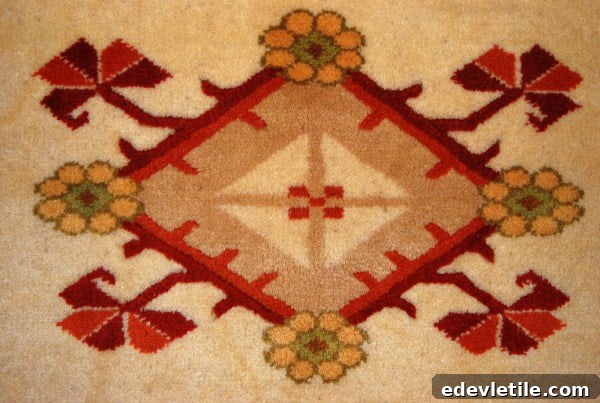
The King of Turkish Carpets – A Silk Carpet
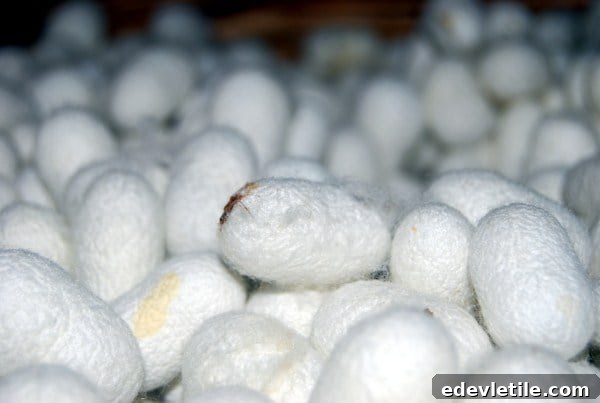
For those seeking the finest option, silk carpets represent the pinnacle of the craft. Silk begins with cocoons, which are carefully handled until they are ready for spinning. Producing enough silk for even a small carpet or prayer rug can require thousands of cocoons. Small, high-quality silk carpets can start at several thousand pounds, reflecting the labor and rarity involved.
How to Buy a Turkish Carpet
I admire Turkish carpets and rugs; I own three and often visit carpet shops to appreciate their designs. Buying a Turkish carpet well requires a bit of skill to ensure authenticity and value.
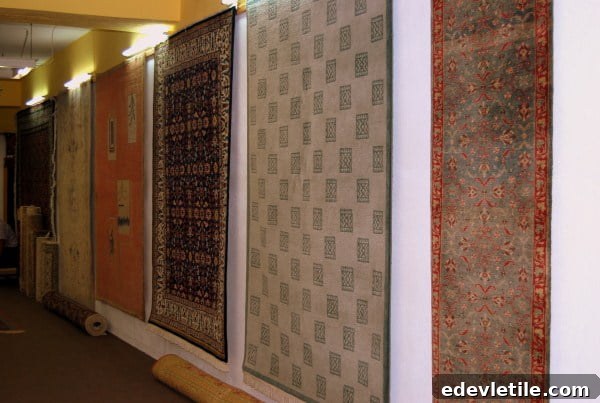
Bargaining is expected and part of the tradition. The initial price is typically high, so be prepared to negotiate—often for an hour or more—while enjoying a steady flow of tea. A good tactic is to react with surprise to the first price and offer a counterprice around 40% lower. The seller will respond, and through back-and-forth you can often meet at a fair middle ground.
Think of the negotiation as a performance; don’t be shy, or you may pay far more than necessary.
Check authenticity carefully. Inspect the back of the carpet to see whether the pattern is clearly visible, note the region of origin and the meanings of the motifs, and verify these details if possible. If uncertain, bring an expert to confirm quality and provenance.
If you’re considering a silk carpet, consult an expert before making a purchase.
Do Not Be Ripped Off
Take your time. Some sellers are aggressive, and inexperienced buyers can end up with inauthentic or overpriced pieces. If pressured, tell the seller you’ll think it over and take their business card. Walking away often leads to clearer judgment and better decisions.
Readers’ Question: Do you own a Turkish carpet? What are your thoughts about this age-old tradition?