Inside Ani: Exploring Traditional Village Life in Turkey
There is one advantage to joining tours with Turkish companions: they often ignore strict schedules and planned itineraries. While this can frustrate travelers from cultures that live by timetables, I appreciate it. The looseness creates room for unexpected encounters, new friendships, and a deeper glimpse into village life in Turkey.
The Turkish Village of Ani
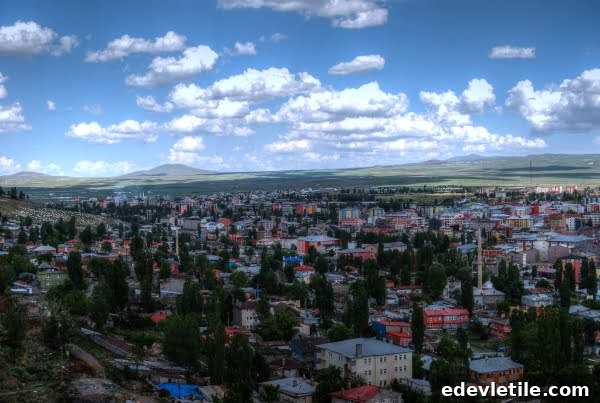
One morning we drove out to the outskirts of Kars to visit the ruins of Ani, near the Armenian border. The plan had been straightforward, but it was a Friday, the Muslim holy day, and most of the group wanted to find a mosque for midday prayers. That led us into the small nearby village of Ani.
While some of the group prepared for the mosque, I wandered the fields. I amused myself chasing ducklings and carefully sidestepping plentiful cow dung—only failing once. The relaxed rhythm of the village set the tone: nothing hurried, everything lived at its own pace.
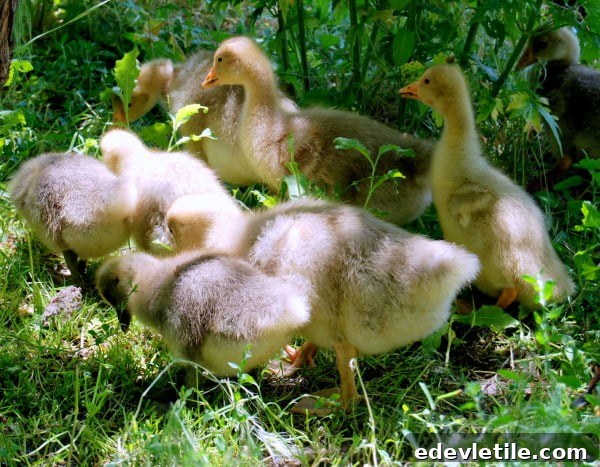
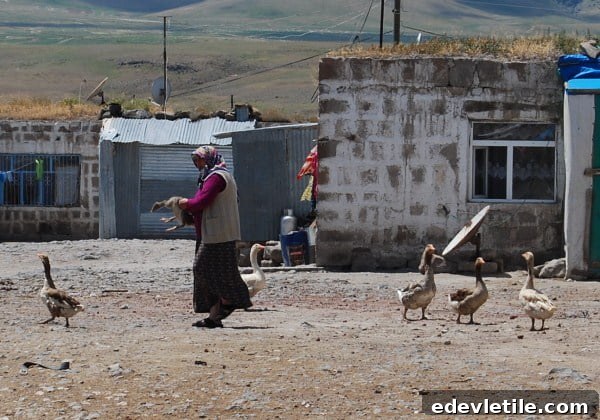
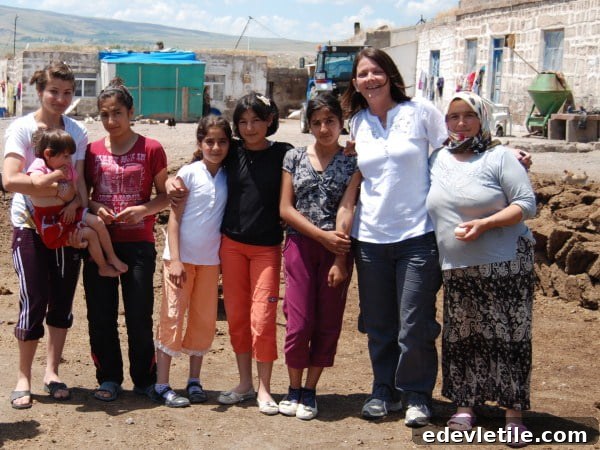
Our tour leader, not particularly devout, chose to wait outside the mosque. Expecting a long prayer service, we set off to explore the village. We didn’t get far before accidentally entering a private courtyard—the division between public path and yard was unclear. The courtyard was typical of rural Anatolia: large, dusty, with stacked tezek (dried cow dung) used as fuel, and noisy geese pacing about, perhaps uneasy at the thought that one might become dinner.
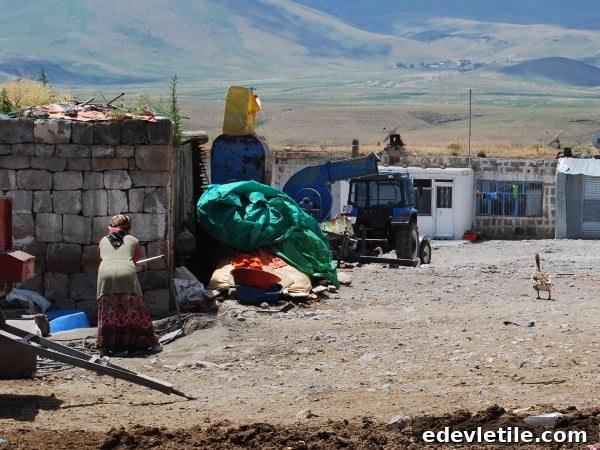
Within minutes two local women approached us. I wasn’t sure how they would react to strangers, but their welcome was warm. Having spent most of my time in Turkey on the south and west coasts, this northeastern region felt different, and the friendly reception reinforced my belief that Turkey is home to exceptionally hospitable people.
Turkish Village Culture
The women offered us glasses of homemade ayran on a tray and invited us inside their home. I politely declined entering, mindful that removing shoes indoors in rural homes can reveal strong, unfamiliar odors. So we stayed in the courtyard and chatted. Both sides were curious about one another’s lives, and conversation flowed easily despite the language gap.
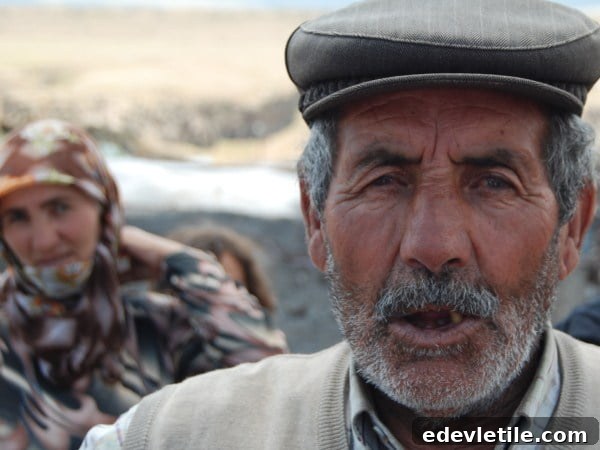
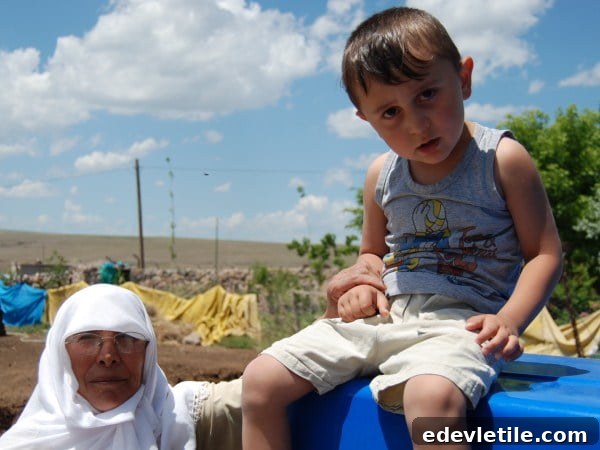
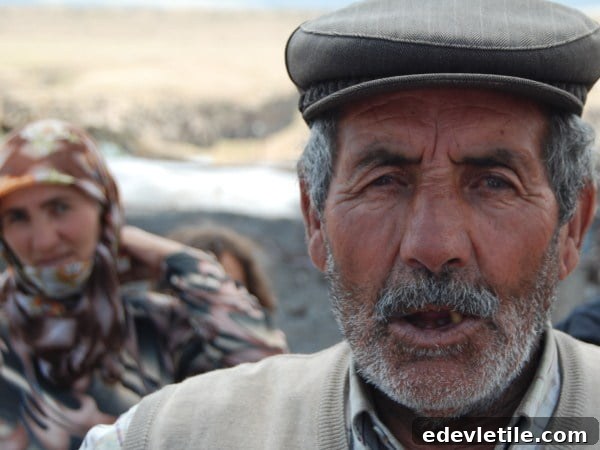
Before long, men began streaming out of the mosque. An elderly man joined us and spoke about his disappointment with his daughter. He had sent her to school to learn English, believing it would widen her opportunities, but she had left at 15 and returned to village life. She showed little interest in continuing formal education.
The Women’s Role
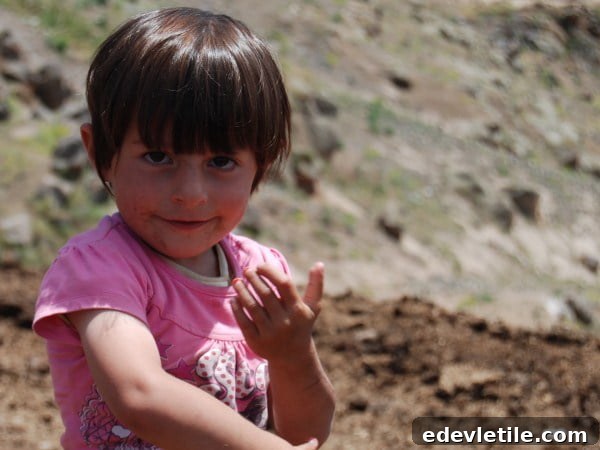
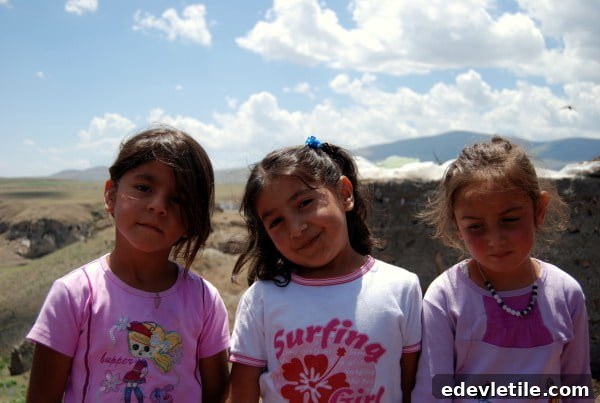
It’s easy to assume that traditional village gender roles leave women without choices, destined for household duties and child-rearing. In this courtyard, however, the women and teenage girls did not appear oppressed or resentful. They laughed, shared stories, and welcomed visitors. Their demeanor suggested contentment with daily life, even if some individuals may prefer or need different paths.
I hope the young woman decides to return to school and learn English—gaining a second language could enrich her prospects and experiences while still allowing her to remain part of her community. Many women balance education, work, and family life around the world; the opportunity should be available to her if she wants it.
Our unexpected stop in Ani was a reminder that travel is often at its richest when plans change. Stepping off the beaten path led to genuine human interaction and a clearer understanding of daily life in a rural Turkish village—simple, hospitable, and true to its traditions.