Istanbul Photo Guide: Top Landscapes & Iconic Locations for Shoots
Guest post by Joel Stubbs
If photography is your passion, a holiday is a chance to explore and capture, not just to relax. When planning a trip to Turkey, Istanbul — the country’s largest city — should be at the top of your list. Below are some of the best locations in and around Istanbul for striking photography, with tips to help you make the most of each site.
Basilica Cistern
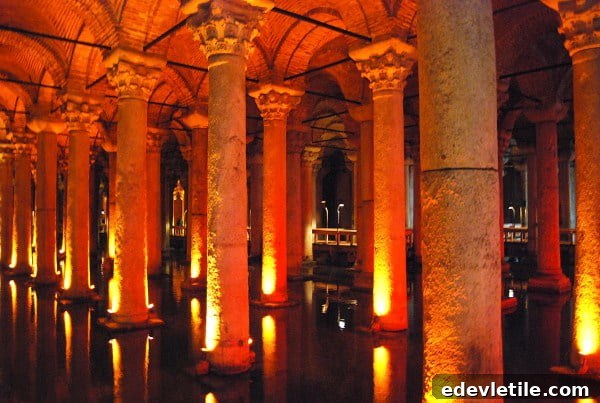
The Basilica Cistern is an atmospheric subterranean reservoir that once supplied water to the Great Palace. Located near Sultanahmet Square, this vast chamber has inspired filmmakers and gamers alike; it even appears in the 1963 Bond film From Russia with Love. The cistern measures about 132 meters long and 65 meters wide and is supported by 336 columns. For photographers, its reflections, repeating columns and moody lighting create dramatic compositions. Because light levels are low, bring a tripod and consider long exposures to capture the texture and depth of the space.
Hagia Sophia
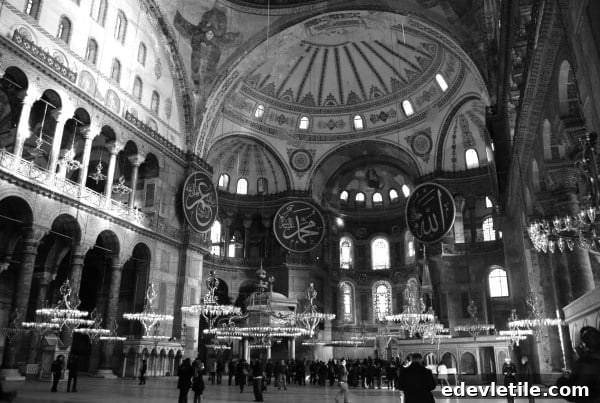
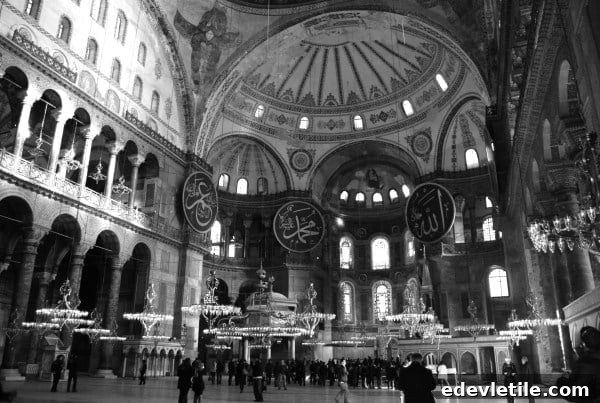
Hagia Sophia (Ayasofya) stands at the crossroads of history and architecture. Built in 537, it served as an Eastern Orthodox cathedral, briefly became a Roman Catholic cathedral in the 13th century, and later functioned as a mosque before becoming a museum in the 20th century. Its interior blends Christian mosaics with Islamic calligraphy and grand architectural elements such as marble, porphyry and gilded surfaces. Photographers will appreciate the interplay of light and shadow across mosaics and calligraphic roundels. Arrive early to avoid crowds and to capture the scale and detail with natural light streaming through the windows.
Sultan Ahmed Mosque
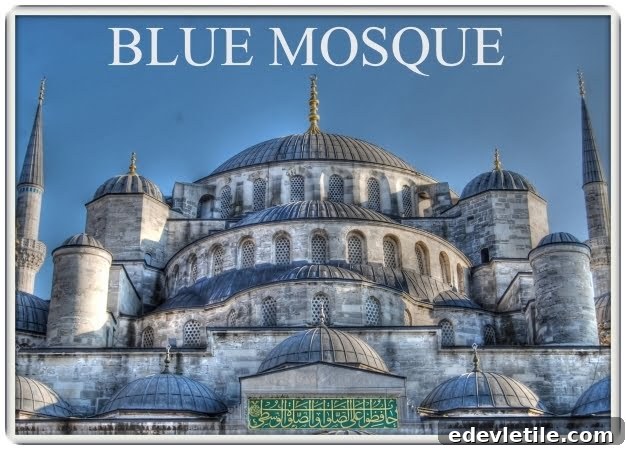
The Sultan Ahmed Mosque, commonly known as the Blue Mosque, is one of Istanbul’s most photographed landmarks. Constructed between 1609 and 1616, its nickname comes from the tens of thousands of blue Iznik tiles that decorate the interior. The mosque is active, so be mindful of prayer times and respect dress codes when shooting inside. Inside you’ll find around 200 stained-glass windows and intricate Qur’anic calligraphy that provide excellent opportunities for detail shots. From the exterior, the mosque’s six minarets and cascading domes make for classic skyline compositions, especially at sunrise or sunset.
Dolmabahce Palace
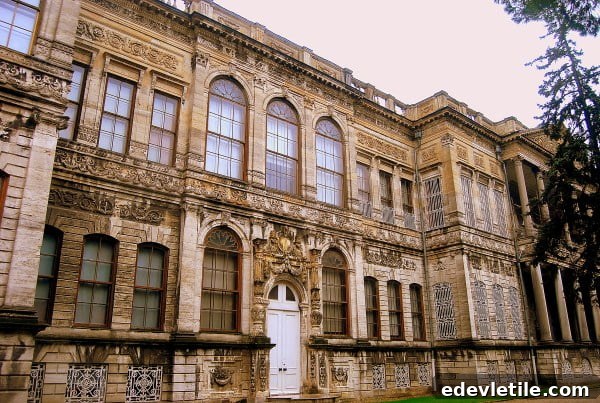
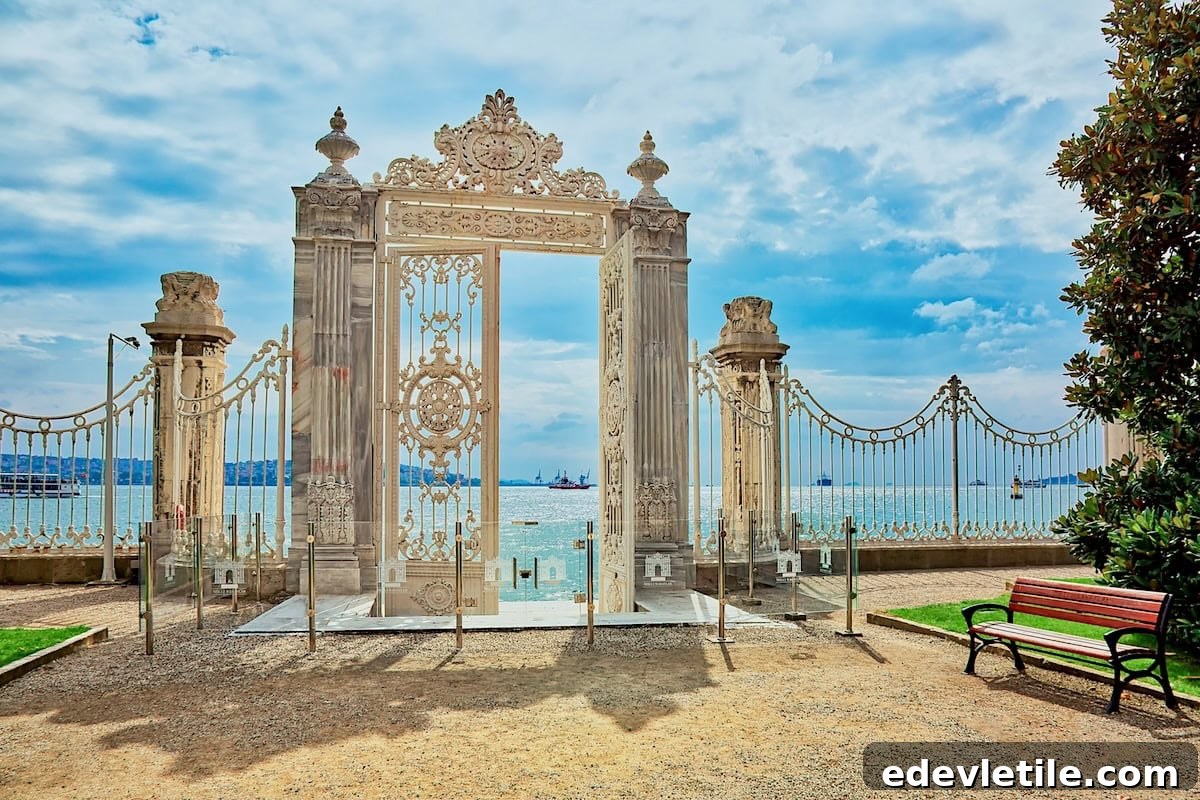
Dolmabahce Palace showcases 19th-century Ottoman opulence with clear European influences, particularly baroque and rococo details. Sitting on the Bosphorus waterfront, the palace offers lavish interiors—crystal chandeliers, ornate pillars and richly decorated halls—that feel cinematic. For photographers, the interiors reward attention to composition and detail; the exterior facades and gardens are particularly photogenic when viewed from the water or along the shoreline. Consider a wide-angle lens for interiors and a telephoto to isolate decorative elements.
Grand Bazaar
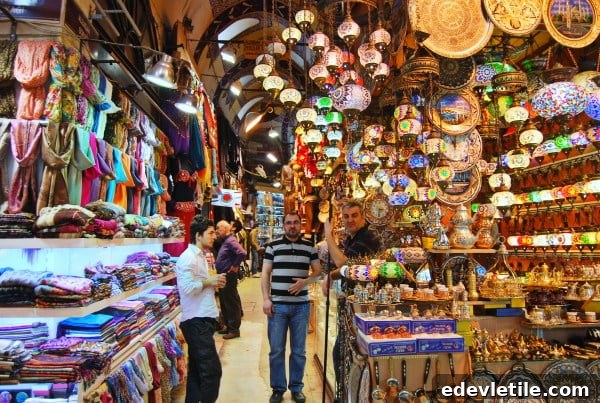
The Grand Bazaar is one of the world’s oldest and largest covered markets, an ideal place for vibrant street and cultural photography. With roughly sixty streets and over 5,000 shops, the bazaar overflows with jewelry, textiles, spices and antiques. The energy of vendors, shoppers and artisans creates endless candid moments; focus on patterns, colors, and the human interactions that bring the market to life. Early morning or late afternoon visits can yield more atmospheric light and fewer crowds.
Istanbul offers a diverse range of photographic subjects—from historic underground chambers and monumental religious sites to palatial interiors and bustling markets. Whether you favour architecture, portraits, or street scenes, plan your visits around good light, respect local customs, and bring the appropriate gear such as a tripod, a range of lenses and spare batteries. With a bit of preparation, you’ll return with memorable images that capture the spirit of this remarkable city.