Kayaköy Ghost Village: History, Ruins & Visitor Guide

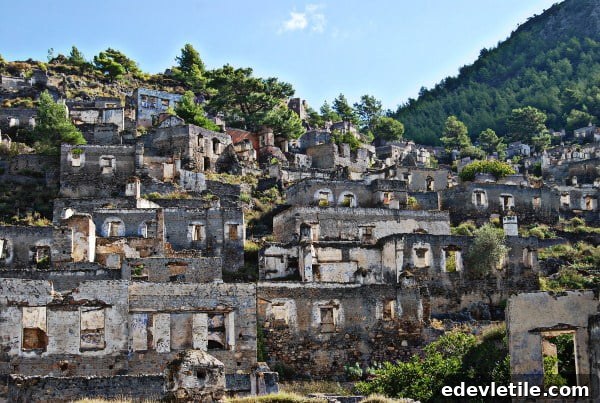
Kayakoy ghost village sits a short distance from the busy resorts of Fethiye and Olu Deniz. Today it is deserted: houses crumble, streets lie empty and the place has a still, haunting atmosphere.
Despite the silence, Kayakoy carries a strong presence. Some visitors may not notice it, but those who read about the village’s history before arriving often feel its weight. Knowing the background makes the visit more meaningful and helps you imagine the lives that were once lived here.
Learning the history allows you to picture the tragedy that forced neighbours and friends apart, to abandon their homes and the life they knew.
Although Kayakoy is a ghost village, research and imagination bring its past back to life.
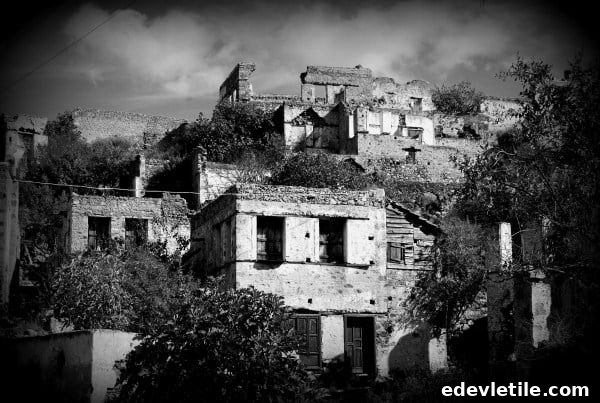
Turn of the 19th century – Kayakoy Village
At the start of the 19th century Kayakoy was a thriving settlement with schools, churches, shops and businesses operating together. The village flourished as a close-knit community.
A defining feature of Kayakoy was its mixed population: Greeks and Turks lived side by side. The Greek inhabitants called the village Levissi while the Turks called it Kayakoy. Apart from differences in religion and schools, the two communities were closely integrated and shared the everyday goal of getting through life together.
The Ghost Village of Kayakoy and Birds Without Wings
To appreciate Kayakoy’s past it helps to read about similar places and stories. Louis de Bernières’ novel Birds Without Wings evokes the character of a mixed Anatolian town and captures the richness of daily life before conflict and displacement.
De Bernières described visiting a ghost town in southwest Turkey and seeing a once-sophisticated mixed community that began to decline when Christian residents were deported. That experience inspired elements of his novel.
The Turkish-Greek Population Exchange
Several historical events led to Kayakoy’s decline: the aftermath of World War I, the fall of the Ottoman Empire and the conflicts over Anatolia. These upheavals culminated in compulsory population movements. Greek Orthodox residents were deported through Fethiye harbour, while Muslim Turks were expelled from Greece under an official exchange agreement.
Many Turks returning to the region chose not to resettle in Kayakoy, and an earthquake later accelerated the village’s abandonment. The result of the 1923 population exchange treaty was the permanent uprooting of families and the end of the mixed community that once lived here.
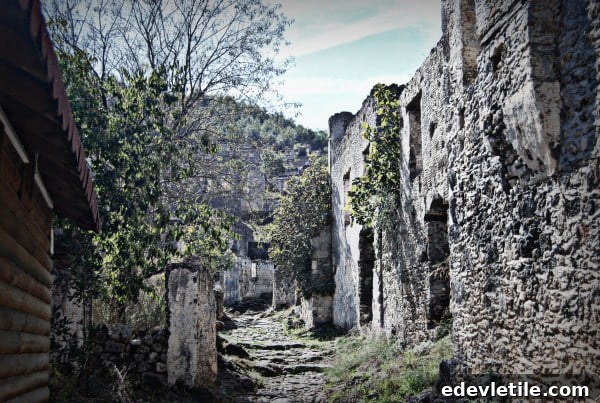
Present Day Kayakoy
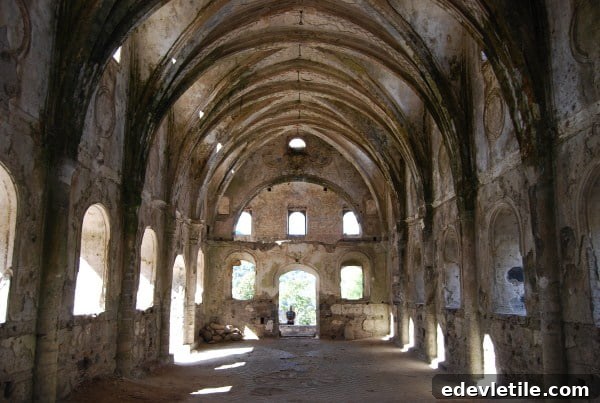
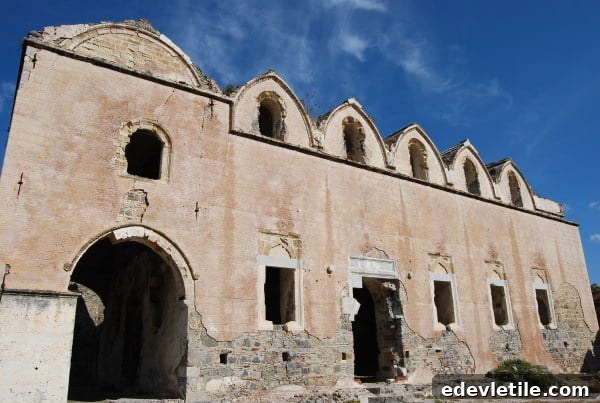
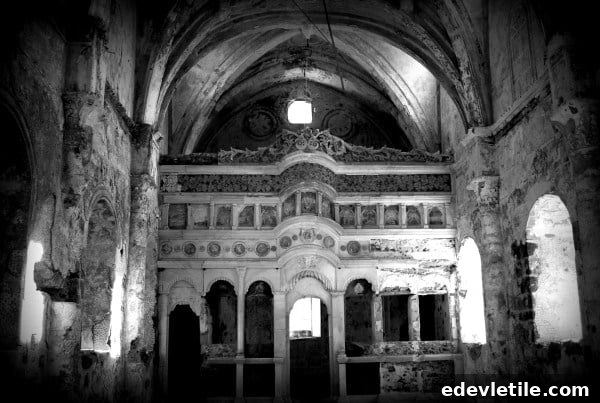
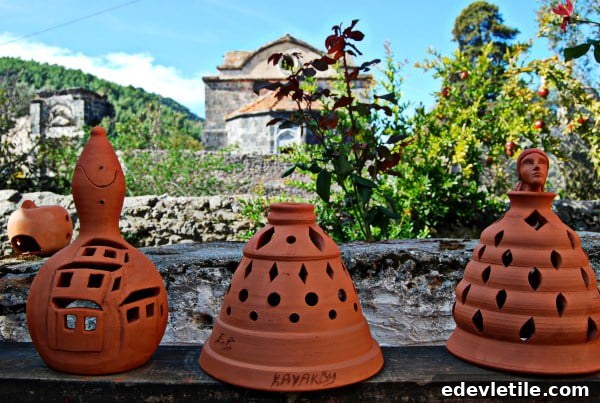
Today Kayakoy is one of the main attractions for visitors to Fethiye and nearby resorts. A few locals run small stalls offering food and souvenirs, and a handful of houses away from the main ruins are still occupied. The majority of the settlement remains abandoned, its stone houses and churches slowly decaying.
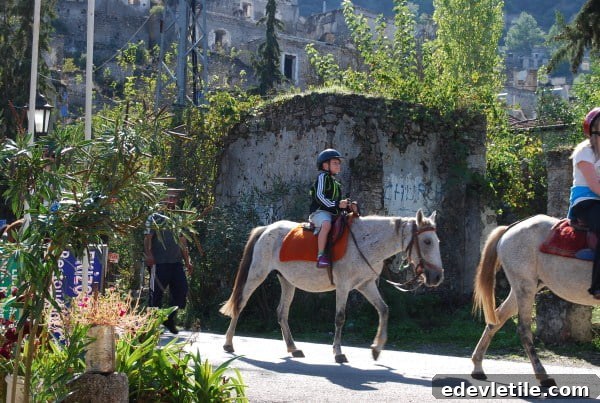
In a gesture toward reconciliation, UNESCO recognized Kayakoy as a symbol of friendship and peace. Strolling through the village is more rewarding if you prepare by learning its history first; context deepens the sense of loss and the resilience behind the restored message of peace.
Tours and Getting There
Many tours to Kayakoy operate from Olu Deniz and Fethiye, but visitors often report short visits and guides with limited historical background. A practical alternative is to take a regular local bus from Fethiye, which reaches the village in about ten minutes and allows you to explore at your own pace.
Researching Kayakoy’s history before you go enriches the visit. Standing among the empty homes and imagining the shared daily life of Greeks and Turks highlights how ordinary friendships and neighbourliness were affected by wider political events.
The people of Kayakoy were caught up in forces beyond their control. War, treaties and population policies tore apart a once-harmonious community—a pattern that has recurred in many places across the world.
Readers Question: Have you visited Kayakoy? Did you find it as moving as I did?