Maral’s Colorful Wooden Mosque: A Stunning Architectural Gem
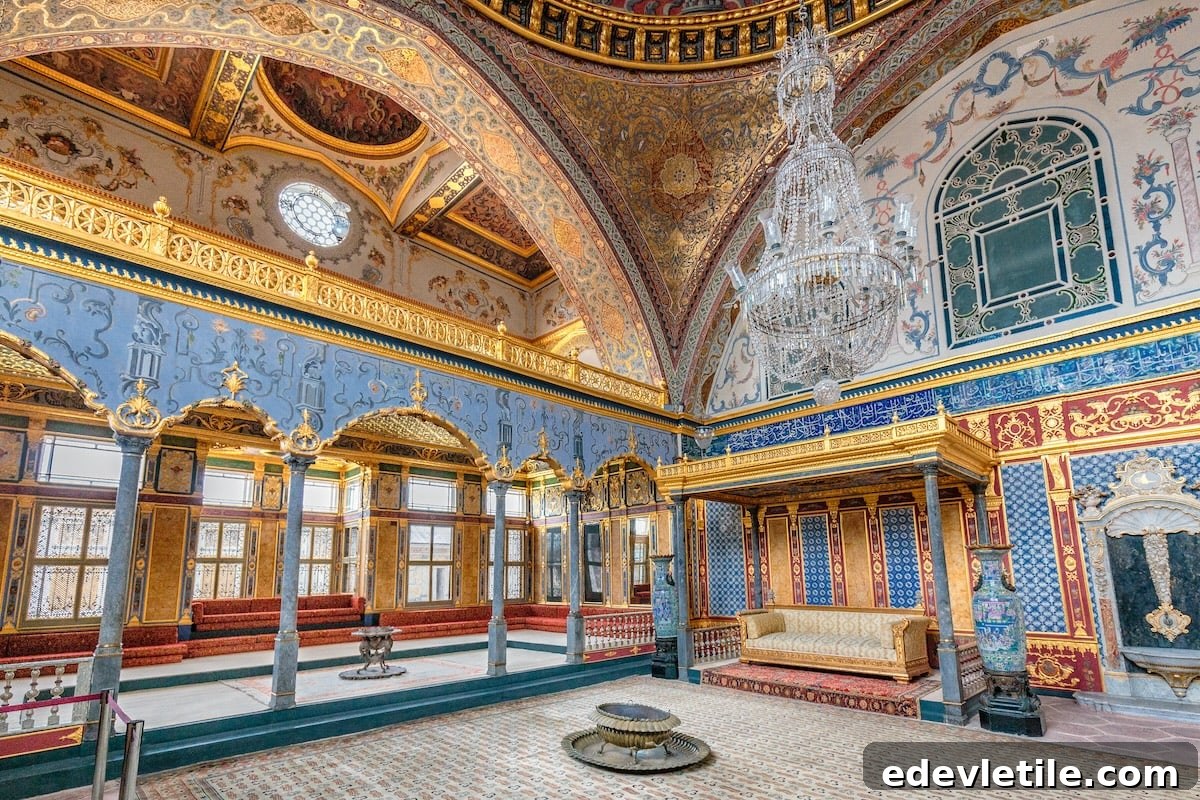
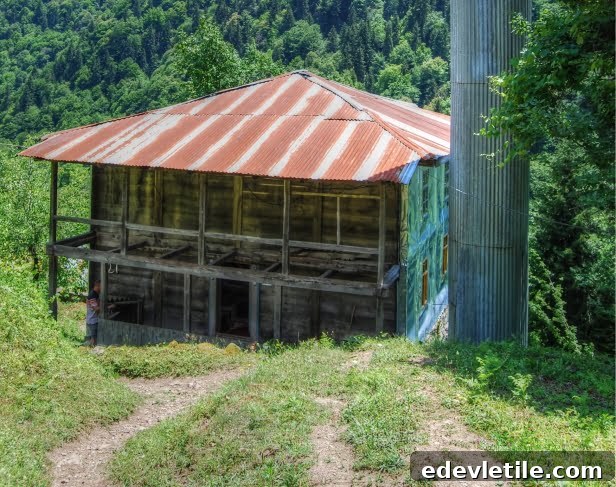
From the outside, the wooden mosque of Maral appeared plain and unremarkable. Perched on a slope beside a winding mountain road, it could easily be mistaken for an abandoned building. The weathered timber looked tired and the metal minaret felt out of place. After seeing the grandeur and detailed decoration of the Blue Mosque in Istanbul, it’s hard not to judge other mosques by that standard, and I did not expect to be impressed.
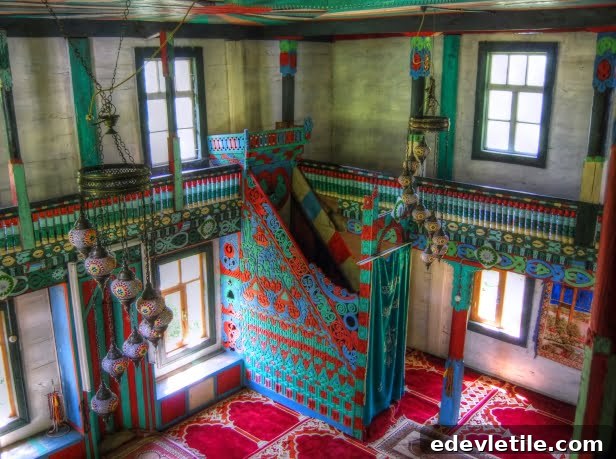
When my guide told me the mosque is about 160 years old I felt guilty for my initial criticism. This part of Turkey, once occupied by the Russians, has seen many people pass through its doors over the years, each leaving untold traces of history. The exterior did not tell the full story; the real beauty waited behind the entrance.
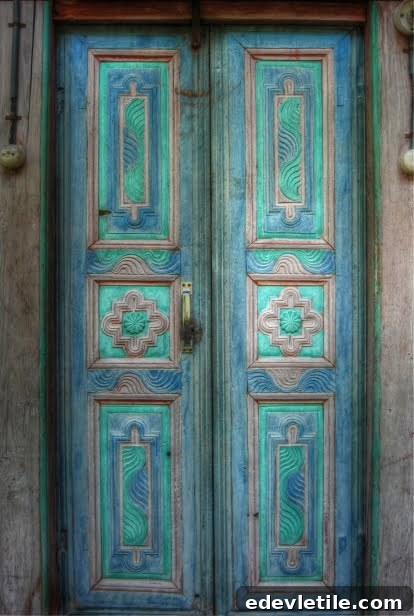
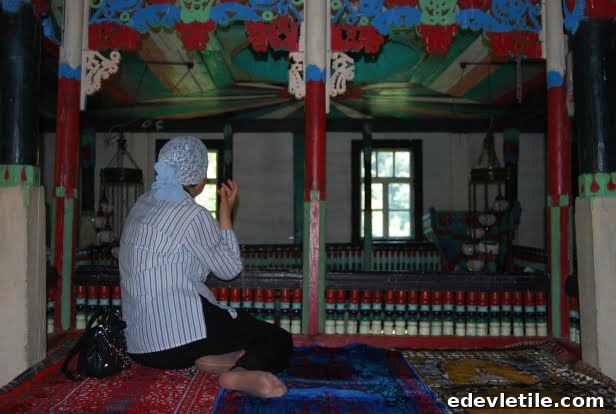
A strict interior design critic might object to the mix of colours that spread across the beams and dome, but for me the charm lay in the craftsmanship and the meticulous detail. Every painted panel and carved element showed a level of care that made the room warm and lively rather than chaotic.
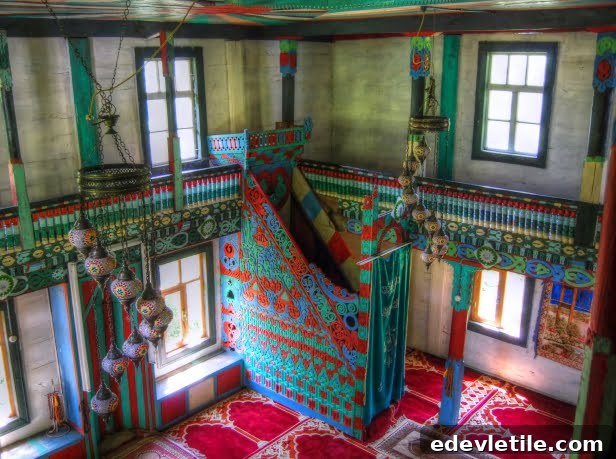
Scenes from the Quran decorate the walls, each one carefully painted by hand. The imagery adds narrative and colour, drawing the eye from one panel to the next.
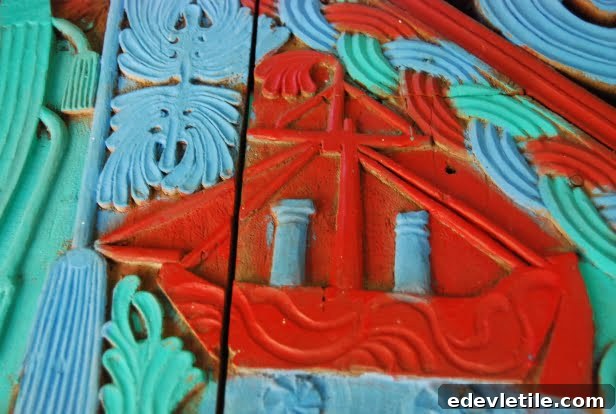
Unexpectedly, the painted ceiling brought to mind the rising Japanese sun motif, though rendered here in many colours rather than a single red disc. The imam’s hat and gown hung on a wall near a window, and through that window a sweeping view of the green valley unfolded.
Beyond the woodwork and paint, I noticed the carpet. After removing my shoes at the door, I appreciated the soft wool underfoot. It seemed remarkably well preserved — no obvious wear, clean and tidy — which made me wonder whether it was a later replacement or exceptionally well cared for.
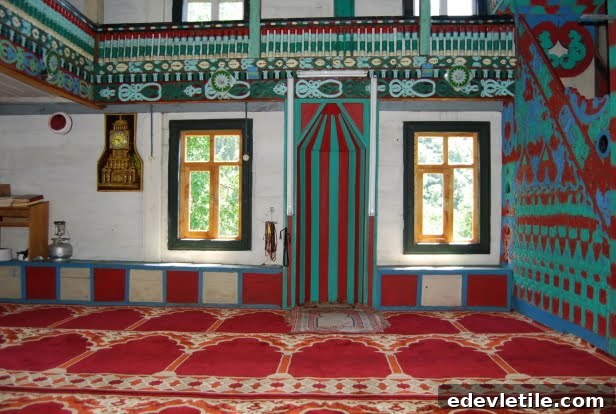
The wooden stairs creaked as I climbed to the women’s section. Each step felt like a small reminder of the mosque’s age, and I half expected the floorboards to protest after a century and a half of use. Not wanting to risk damaging this community space, I moved cautiously and returned outside.
Our attention turned to the steel-clad minaret door. Inside, the original wooden structure and a narrow spiral staircase lead upwards where the imam makes the call to prayer. Several men in our group climbed those stairs; I declined — the idea of being inside a hot steel tube in midsummer held little appeal.
A large sheet of steel now covers one side of the mosque. Our guide explained that locals worry about the wooden building’s survival: summer heat, winter cold, and the passage of time all affect the timber. The steel sheeting is a pragmatic attempt to protect and prolong the mosque’s life.
Their concern is understandable. In some areas of the Turkish Black Sea region, preserving historic wooden mosques is not always prioritized. There have been instances where old wooden mosques were sold for their timber rather than restored, a loss to cultural heritage.
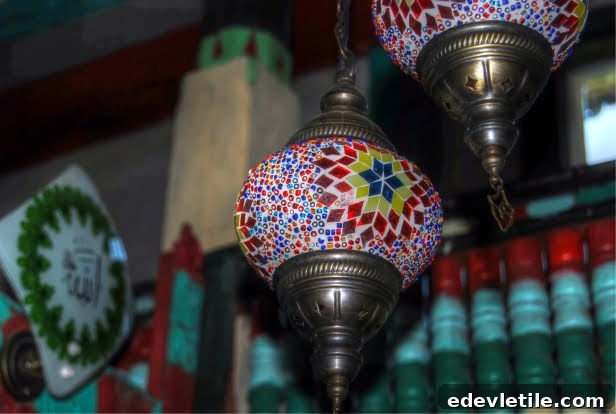
Will the wooden mosque of Maral still stand in another 100 years? It’s uncertain. Efforts to protect and maintain it give hope, but the future of such buildings often depends on local resources, awareness, and continued care.
For now, the mosque remains a quiet, weathered witness to the region’s history: modest from the outside, rich with hand-painted detail and human stories within.