Mardin Panorama: Stunning View Across the Mesopotamian Plains
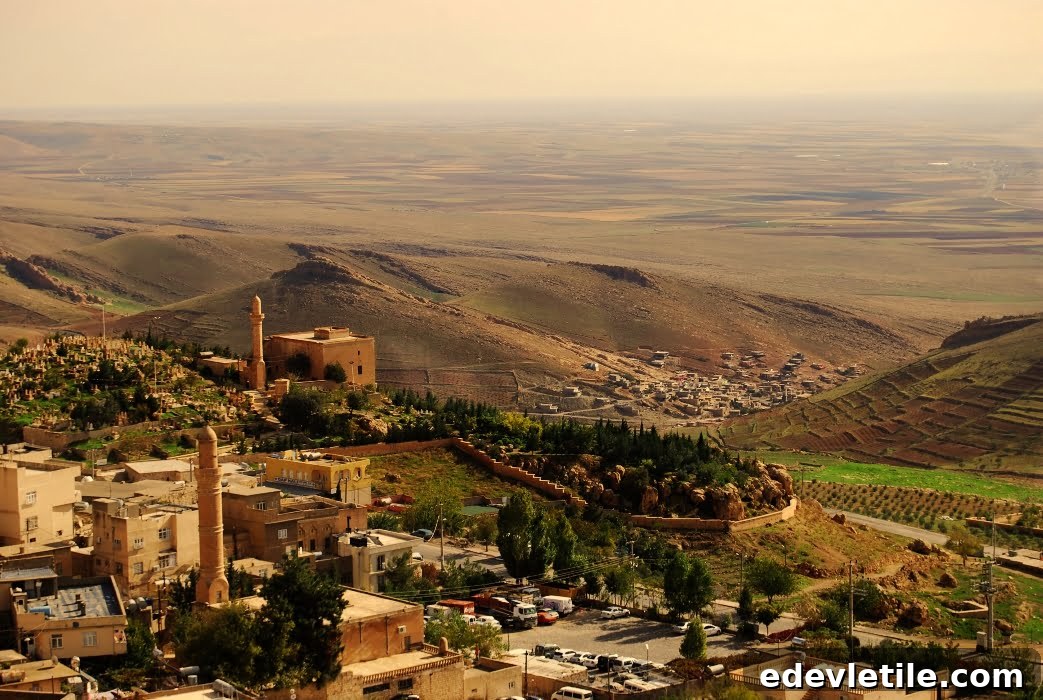
Mardin, in southeastern Turkey, sits on the edge of the ancient region known as Mesopotamia. When I checked into my hotel, the receptionist mentioned they were quiet that night and had given me the room with the best view of the Mesopotamian plains. I rarely care much about hotel views—I prefer to spend my days outside and use a hotel mainly for sleeping—so I responded with a casual shrug.
That casual shrug was a mistake. I opened the window and was immediately taken aback. The landscape unfolded in a vast panorama that seemed to stretch forever, an unspoiled sweep of plains and distant hills that have largely escaped urban development. The sight was unexpectedly powerful and profoundly peaceful.
The View of Mesopotamia from Mardin
Mesopotamia spans parts of modern-day Syria, Iraq, Iran and Turkey. Often called the cradle of civilization, it has been the focus of extensive archaeological and historical research for many years. While its historical significance is immense, you don’t need to be a history enthusiast to appreciate this scenery. The expansive plains, layered horizons and soft light at dawn or dusk create a timeless scene that invites quiet reflection and exploration.
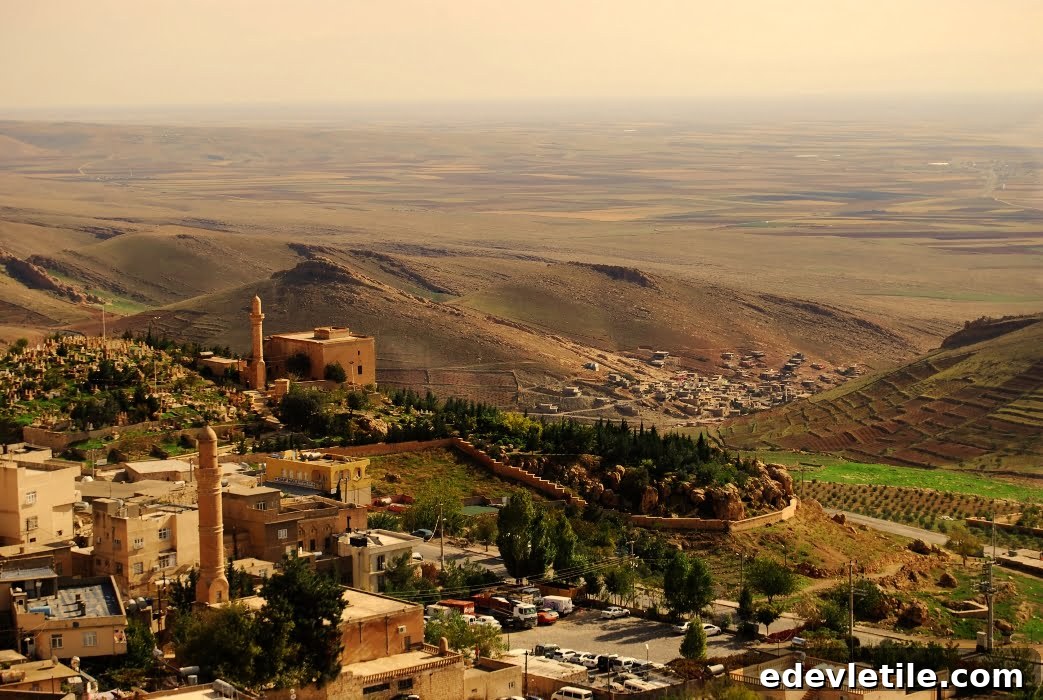
Standing at that window, I realized how rare it is to find a landscape that feels both vast and intimate. The terrain drops away into fields and ravines dotted with olive trees, orchards and small settlements, and the horizon often blurs into a warm haze that changes with the light. From Mardin, you can watch the plains breathe with shifting colors and shadows—an experience that anchors you to the long human and natural history of the region without requiring any prior knowledge of it.
For travelers, the view from Mardin is a reminder to slow down and appreciate simple pleasures: a wide sky, rolling land and the slow passage of time. Whether you arrive to explore archaeological sites, local culture or regional cuisine, take a moment to find a viewpoint. The plains of Mesopotamia, as seen from Mardin, offer a rare chance to witness a landscape that has shaped civilizations yet remains serenely timeless.