People Watching in Şanlıurfa: Purple Headscarves and Regional Dress Styles
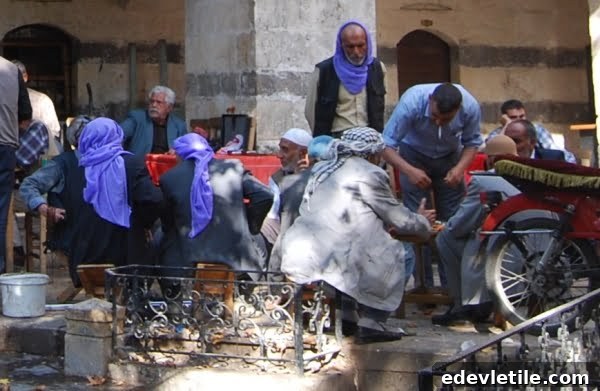
I enjoy people-watching — whether in an airport, a café or a busy street. Still, I have never been more captivated by the variety of local dress than during my visit to Şanlıurfa in southeastern Turkey. In the western provinces of the country regional dress has largely given way to global brands like Levi’s, and even women who cover themselves often follow a broadly similar, nationwide Islamic style. In Şanlıurfa, however, regional traditions remain visible and distinctive.
The overall look in this southeast corner of the country leans toward an Arabic desert aesthetic. Compared with nearby provinces such as Mardin or Gaziantep, the regional influences in Urfa are clear: particular colours, fabrics and cuts mark local identity in a way that felt both traditional and alive.
The Purple Headscarf of Sanliurfa
One striking and recurring detail was the prevalence of purple headscarves worn by both men and women. I found a couple of explanations online: one claims a former prime minister’s wife wore purple during a visit and the colour caught on; another traveller said a different shade is chosen each year. Whatever the origin, purple headscarves were everywhere — I never walked ten minutes without seeing someone wearing one.
Women’s Dress Code in Sanliurfa
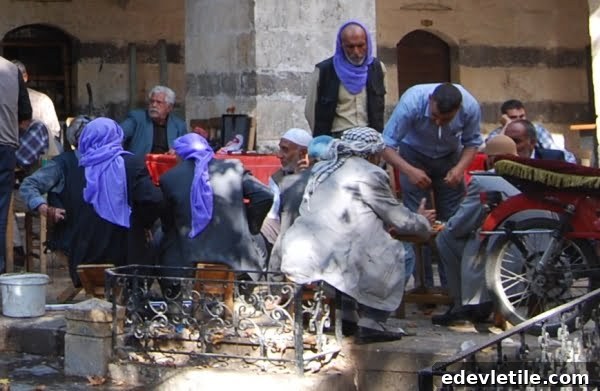
Dress among women in Şanlıurfa tended to be conservative. Many covered their hair, arms and legs, and older women often wore robe-like outer garments paired with the purple headscarf. These robes varied in material and colour: some were long, black or deep purple velvet, while others were muted browns. Worn outside the home, they often signalled village or regional origin and felt almost tribal in their uniformity.
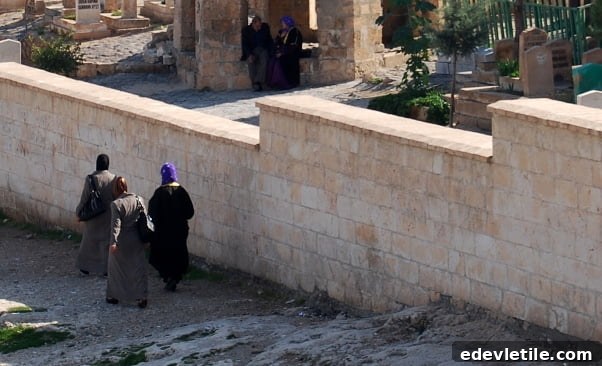
I also noticed careful attention to eye makeup; it was commonly and expertly applied, creating a beautiful contrast when much of the face was covered. I regret not taking a local tour to learn more about the meanings and histories behind women’s dress in Urfa, since reliable information online is limited.
Men’s Dress Code in Sanliurfa
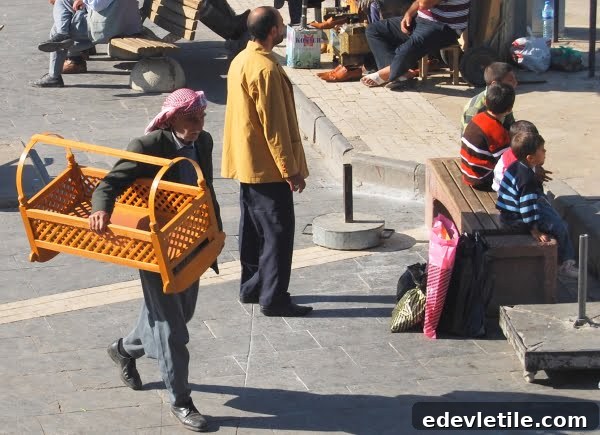
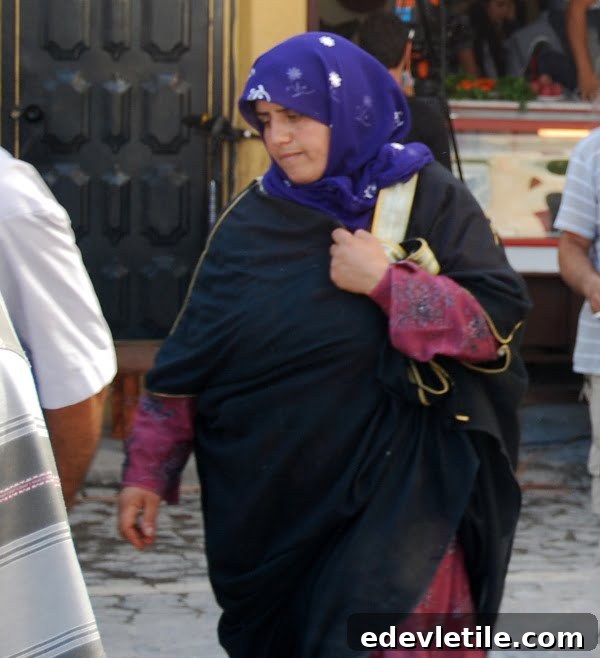
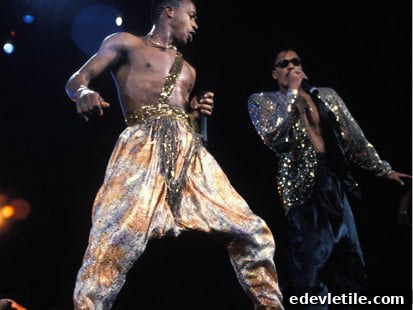
Younger men often wore jeans and T-shirts, while older men commonly combined a suit jacket with wide, gathered trousers typical of the southeast. These trousers — known variously as salwar or by colloquial nicknames — are narrow at the ankle and wide at the waist, gathered with a drawstring. They’re loose and well suited to hot, dry weather. Such pants are uncommon on Turkey’s Aegean and Mediterranean coasts but remain popular here; I was reminded, with a smile, of the “Hammer pants” popularized in the 1990s.
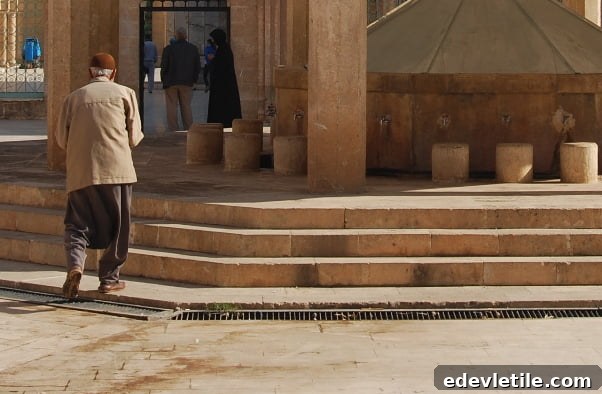
Can you see the similarity?
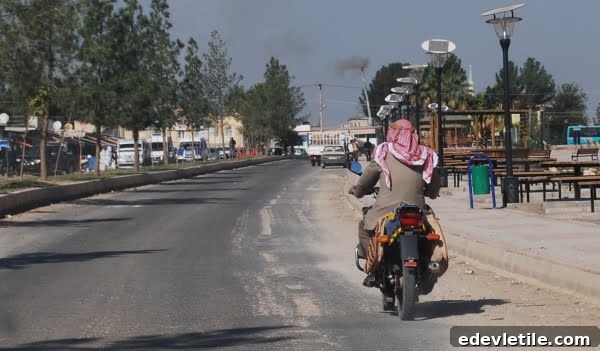
When men were not wearing purple headscarves they often used a checked keffiyeh to shield themselves from sun, dust and sand. The keffiyeh and the purple scarf both serve practical and cultural roles, and together they contribute to a distinctive regional silhouette.
What Also Surprised Me
Şanlıurfa sits at a cultural crossroads where Kurdish, Turkish and Arabic influences overlap. I was surprised on two occasions when locals responded to our questions in Arabic only. I had expected the southeast to be predominantly Kurdish-speaking, so encountering Arabic monolingual speakers challenged that assumption. It was a reminder that within a single country, language and culture can vary greatly — much like expat communities on Turkey’s western coast where English, rather than Turkish, may be dominant for some residents.
Such is the diversity of this country.
If you travel to Şanlıurfa, pay attention to local dress. The combinations of colour, fabric and style are captivating: men often look smart and purposeful, while women wear garments and makeup that are both beautiful and meaningful.