Ramadan Through a Newcomer’s Eyes: Experiencing the Month of Fasting
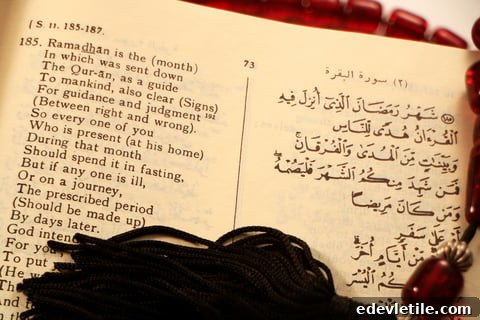
Ramadan is a sacred period that tests the resolve, discipline and compassion of Muslims everywhere. Observant men and women undertake a daily fast from dawn until sunset, refraining from food, drink and intimate relations as an act of spiritual discipline and devotion.
Under the blazing sun, fasting people carry on with their routines while resisting thirst and hunger. Their brows glisten with sweat, throats long for a cool drink, and stomachs protest, yet they persist. Through patience and self-control they focus on prayer, reflection and empathy for those who face hardship every day without choice.
They avoid physical pleasures during daylight hours, reserving such comforts for after sunset. The fast encourages purity of thought and behavior, fostering self-discipline and greater awareness of the needs of others.
About Ramadan in Turkey
In Turkey the month is commonly known as Ramazan. Many Turks observe it quietly and with dignity, keeping their practice personal rather than outwardly conspicuous. To understand the rhythm of Ramazan in Turkish life you might wake before dawn to share a pre-fast meal (sahur) or live alongside someone who treats the month as an opportunity to grow closer to the Almighty.
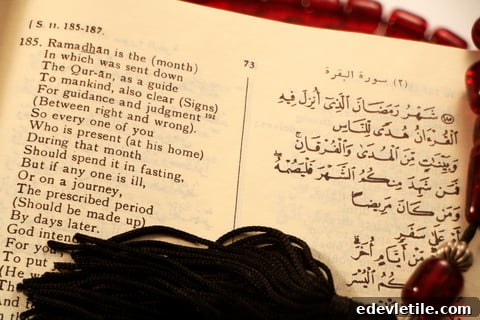
Ramazan is a significant observance in the Islamic calendar and shapes daily routines, social life and communal practices across Turkey during its month.
Ramadan and Fasting: The Dilemma
Because the Islamic lunar calendar is shorter than the solar year, Ramadan advances by roughly ten days each year. Some years this places the month in the hottest part of the summer. In coastal tourist areas where restaurants serve large numbers of vacationers, staff face a particular challenge: they must balance demanding schedules and long hours with the physical strain of fasting.
In winter, when daylight is shorter and tourism slows, fasting can feel less strenuous. In summer the longer days and heavier workloads raise the stakes for those who choose to observe the fast while working in busy service industries.
Islam allows some flexibility: those who cannot fast for valid reasons may offer charity or make up missed days later. Still, many Turks prefer to fast because it is a tradition they have followed since adolescence; enduring the fast is part of their identity and routine.

The Side Effects of Fasting
Fasting can bring noticeable side effects. Fatigue often appears first, which may lead to quieter moods or shorter temper. Reduced energy influences social interaction and concentration.
Another common effect is halitosis. After many years in Turkey, I have learned that a brief conversation can reveal whether someone is fasting. In such moments, polite discretion is usually the best response.
Social Tensions
Observing Ramadan is a personal choice in Turkey, and people respond differently. Some who do not fast may express their opinions about the practice more vocally than those who prefer to observe quietly. Occasionally, outspoken criticism can strain friendships, especially when it becomes personal or disrespectful toward others’ beliefs.
Why I Don’t Fast
Each year I am asked whether I will fast. My answer is no. I have attempted fasting before, but I recognize my own limitations: I struggle with abstaining from alcohol and nicotine, and fasting from food and drink would leave me overly anxious and unable to function well.
I admire those who observe Ramazan and, though I do not fast myself, I make an effort to respect and support them. During daylight hours I avoid talking about food, drink or intimate matters out of consideration for those who are fasting, acknowledging the discipline and intent behind their practice.