Safranbolu Travel Guide: Top Sights, Foods & Things to Do
This Safranbolu guide covers everything from historic Ottoman houses and bazaars to food, day trips, and where to stay.
If you’re planning a trip to Turkey and want to know what to do in Safranbolu, this is a concise, practical travel guide with tips on getting there, what to see, where to eat, and where to stay.
Safranbolu, a jewel of Turkey’s Black Sea region, was once an important stop on the Silk Road. Today it is celebrated for its well-preserved Ottoman mansions, restored caravanserai, lively bazaars, traditional hammams, historic mosques, and quiet cobbled streets that invite slow exploration.
Thanks to its careful preservation, Safranbolu has earned nicknames such as “the capital of conservation” and “the fingerprint of the Ottoman Empire.” This guide includes practical details and local highlights so you can plan your visit with confidence.
This article was updated in January 2026.
Safranbolu Guide: The Basics
Where is Safranbolu?
Safranbolu sits in Karabük Province in the western part of Turkey’s Black Sea region. The permanent population is around 55,000, but summer months bring many more visitors drawn to the historic center.
Distances: roughly 400 km from Istanbul, 375 km from Ankara, and 130 km from Kastamonu.
Why visit Safranbolu? What is Safranbolu known for?
Safranbolu stands out for its Ottoman architecture, saffron fields, traditional markets, and local culinary specialties like a lighter style of lokum (Turkish delight). Below are the city’s defining features and local highlights.
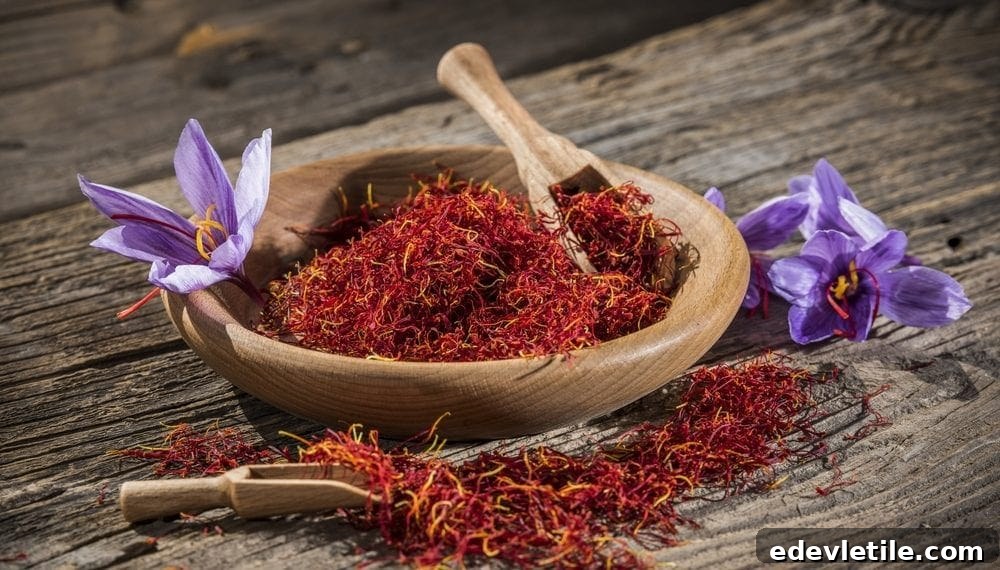
🪻 Saffron — Safranbolu’s name and reputation are tied to saffron cultivation in nearby fields. You’ll find saffron sold in small bottles and in specialty products across the town. The saffron harvest runs from October to November and the town hosts an annual festival during harvest season.
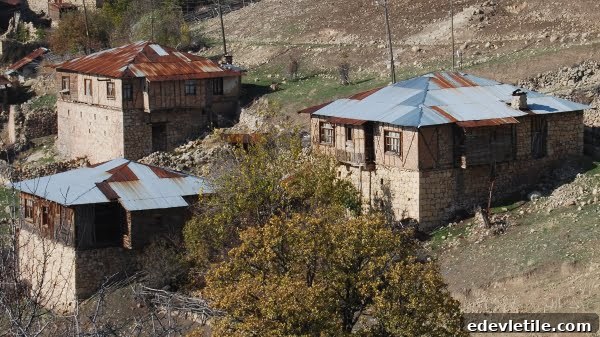
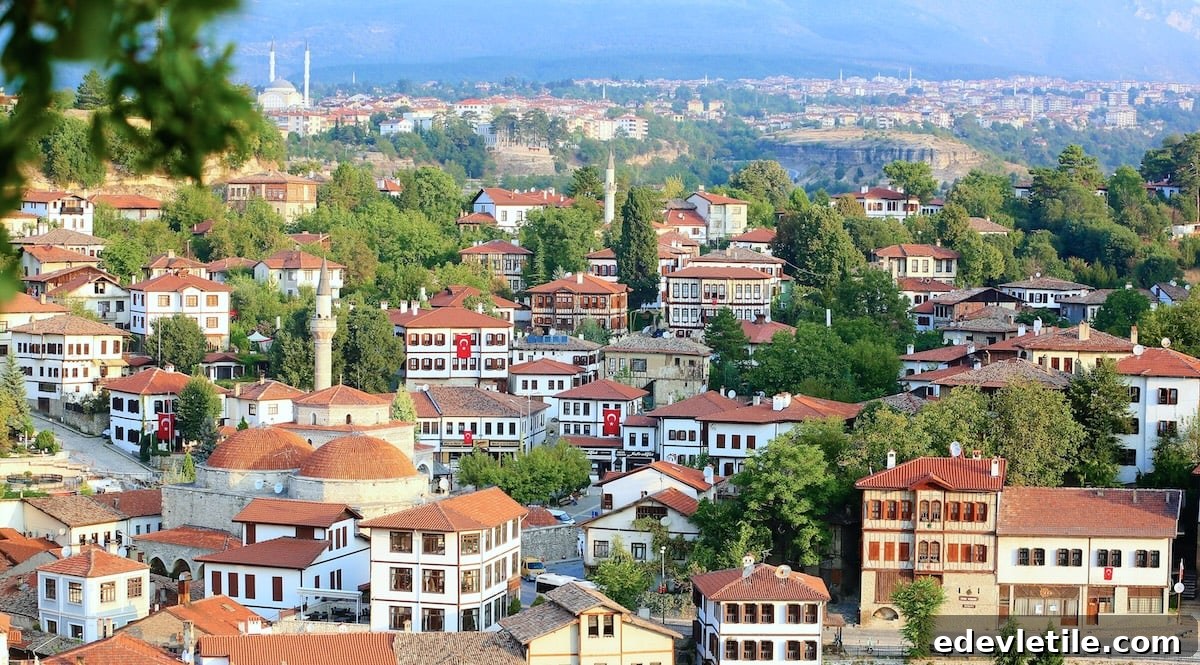
🪞 Traditional Ottoman Houses — The town contains over 2,000 protected Ottoman-era konak houses with wooden facades and distinctive layouts. These well-preserved homes are a primary reason Safranbolu is recognized for cultural conservation.
🏛️ UNESCO World Heritage — Safranbolu’s historic center was inscribed on the UNESCO list in 1994 for its intact architecture and urban patterns. Local preservation efforts in the late 20th century helped keep modern development from altering the town’s traditional character.
🧺 Handcrafts and Bazaars — The town’s markets continue a long tradition of craftsmanship. You can buy copperware, handmade shoes, carved wooden miniatures, spices, and other regional crafts in the bazaars.
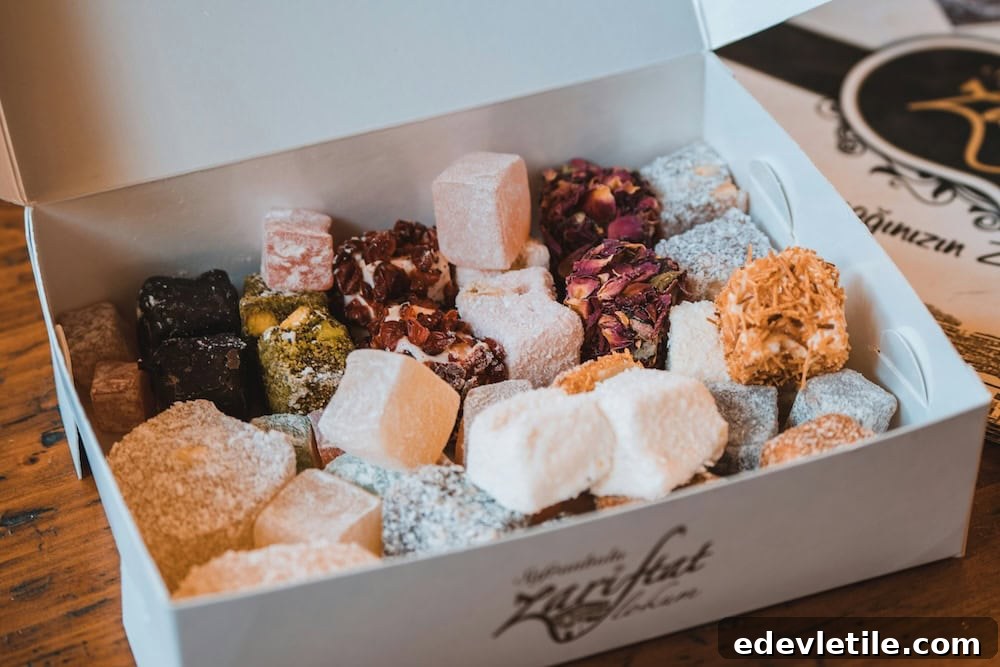
🍬 Safranbolu Lokum — The local version of Turkish delight is known for being lighter and less sweet, thanks to mineral-rich water and traditional methods. Saffron-flavored lokum (Safrantat) is a classic souvenir.
How many days do you need in Safranbolu?
Two days gives you a relaxed pace to see the main sites and take a short day trip. One well-planned day can work if you’re short on time, but two days is ideal to enjoy the old town and local cuisine.
Safranbolu Regional Specialties
Food:
Kuyu Kebab — A signature meat dish prepared with suckling lamb roasted in a tandoor for tender, flavorful results.
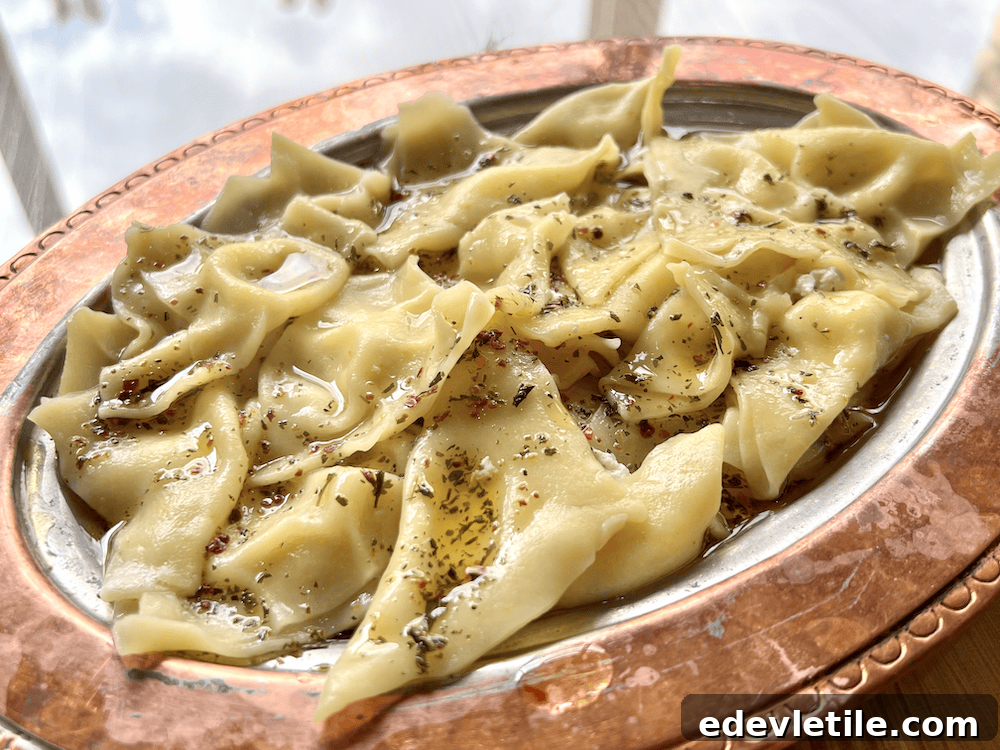
Peruhi — Triangle-shaped dumplings often filled with cheese and mint, similar in concept to some Eastern European dumplings.
Safranbolu Simit — A local simit variation without sesame, available from an old bakery in the bazaar.
Safranbolu Bükme — A savory pastry with fillings like ground meat, onion, spinach, and spices.
Zerde — A saffron-infused sweet rice pudding often garnished with nuts and dried fruit.
Handicrafts:
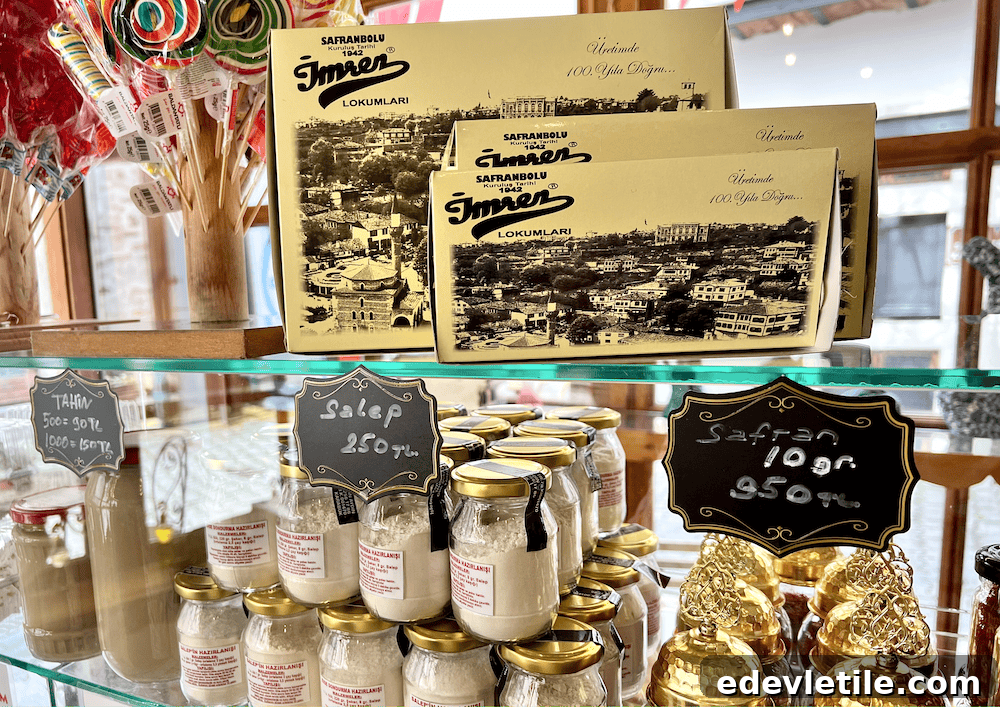
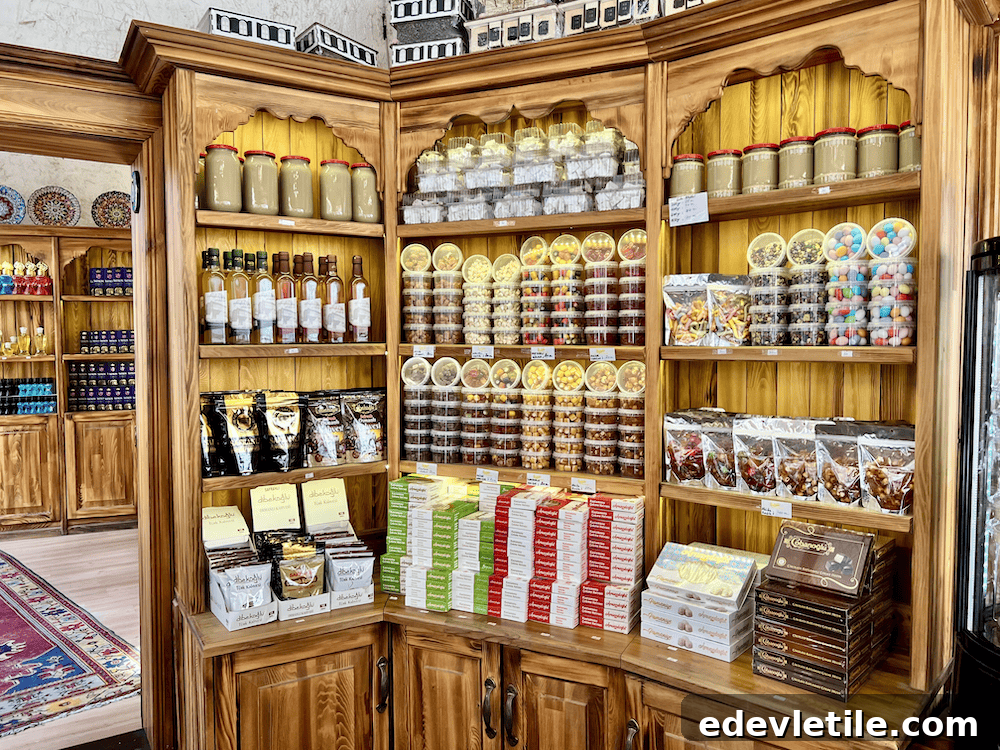
Lokum — A top edible souvenir; many local shops offer a wide range of flavors and traditional packaging.
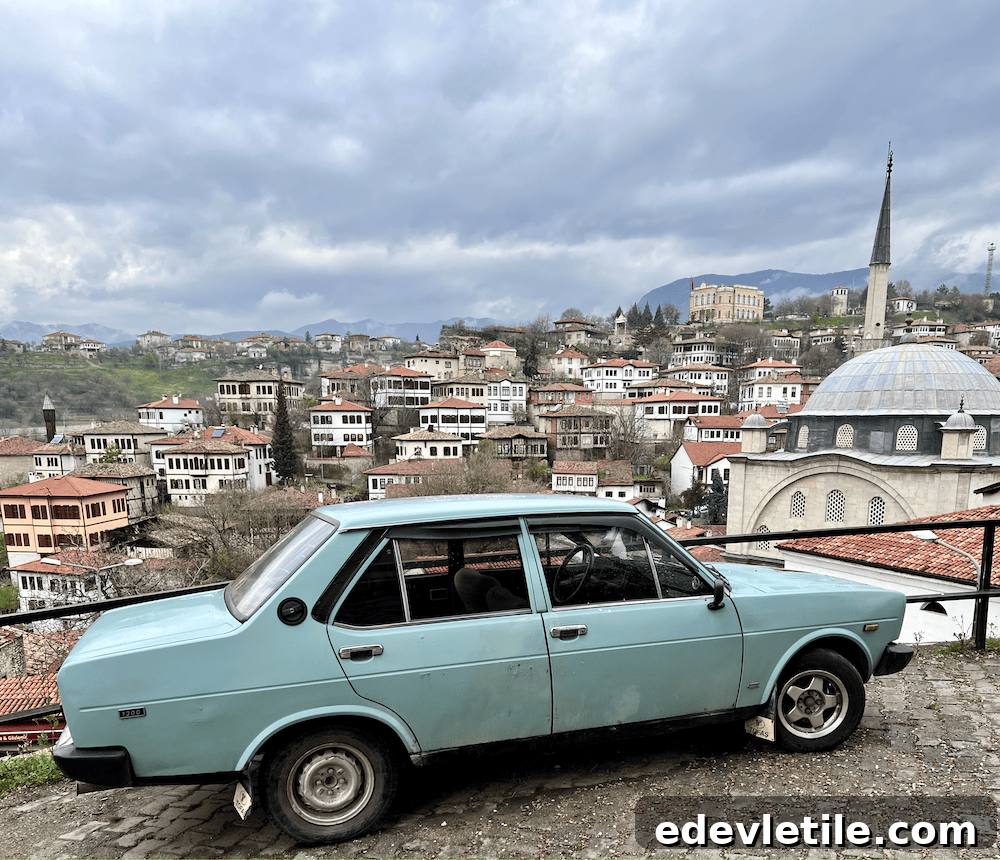
Yemeni Shoes — Traditional leather slip-on shoes crafted in limited numbers by local artisans; they make a distinctive handcrafted souvenir.
Saffron Products — Beyond the spice itself, you’ll find saffron in soaps, perfumes, and specialty foods across town.
How to get to Safranbolu
By air — Safranbolu has no airport. Nearby airports include Zonguldak (about a 1.5-hour drive) and Kastamonu; from either you can take a bus, private transfer, or rent a car.
By bus — Regular intercity buses connect Safranbolu with major cities such as Ankara and Istanbul. From Ankara the journey is around three hours; from Istanbul expect roughly six to eight hours depending on traffic and stops.
By car — Safranbolu works well as part of a regional road trip and is well connected by road to surrounding towns and attractions.
Getting Around Safranbolu
Safranbolu is split between the compact Old Town (Tarihi merkezi) and a more modern New Town. Most visitors stay in the Old Town where the main attractions are within walking distance. Expect narrow, hilly, cobbled streets—comfortable shoes are essential. For short trips between the Old and New Town, local shared minivans (dolmuş) are frequent and convenient.
What to do in Safranbolu
Explore Ottoman Mansions
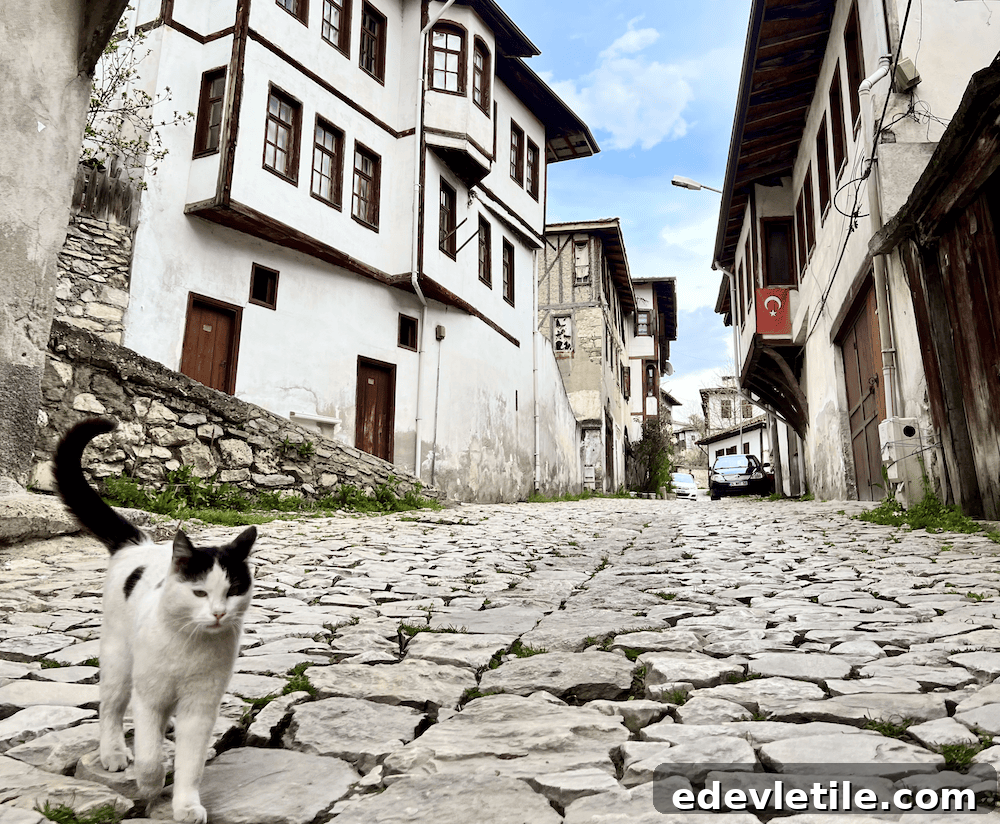
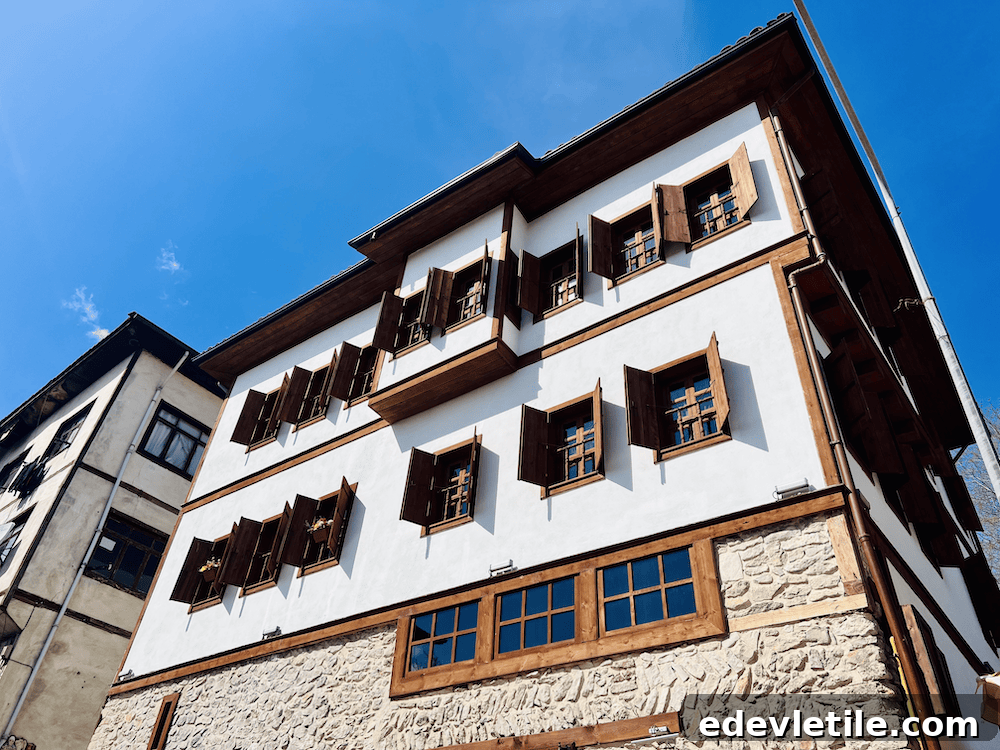
Stroll the old streets to admire the three-story konaks with overhanging upper floors, timber details, and traditional interiors. For a deeper look at domestic life, visit a restored house-museum such as the Kaymakamlar Gezi Evi, which displays period furniture and costumes.
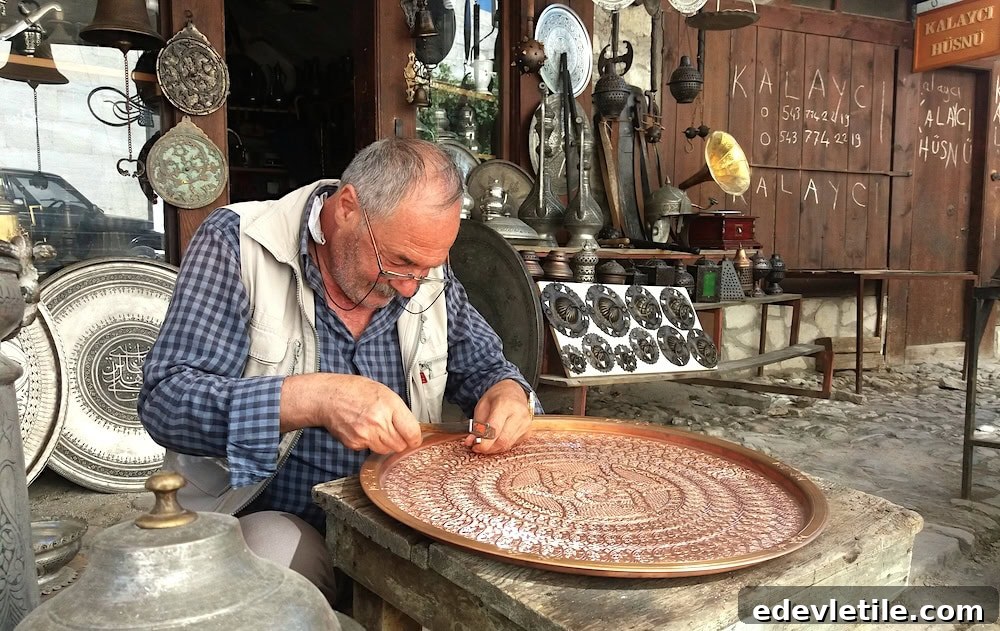
Walk through the Historical Bazaars
Visit the bazaars around the old center for handcrafted goods and local specialties. Tarihi Demirciler Çarşısı (Historical Blacksmiths Bazaar) offers metalware and kitchen items, while Yemeniciler Arastasi showcases traditional shoecraft and other artisanal stalls.
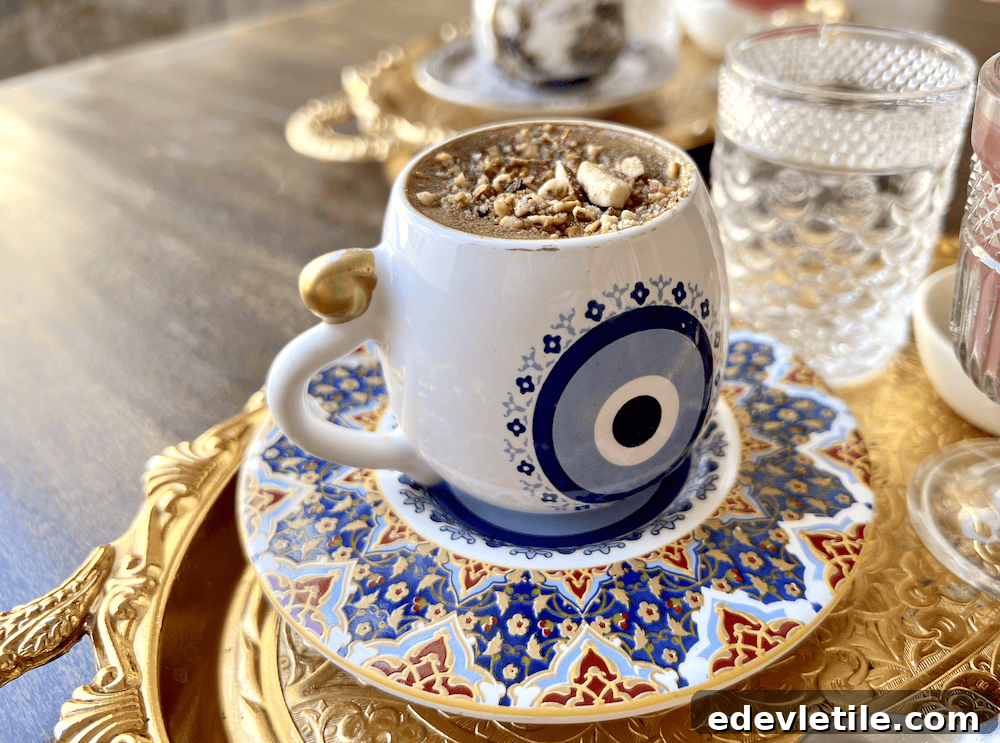
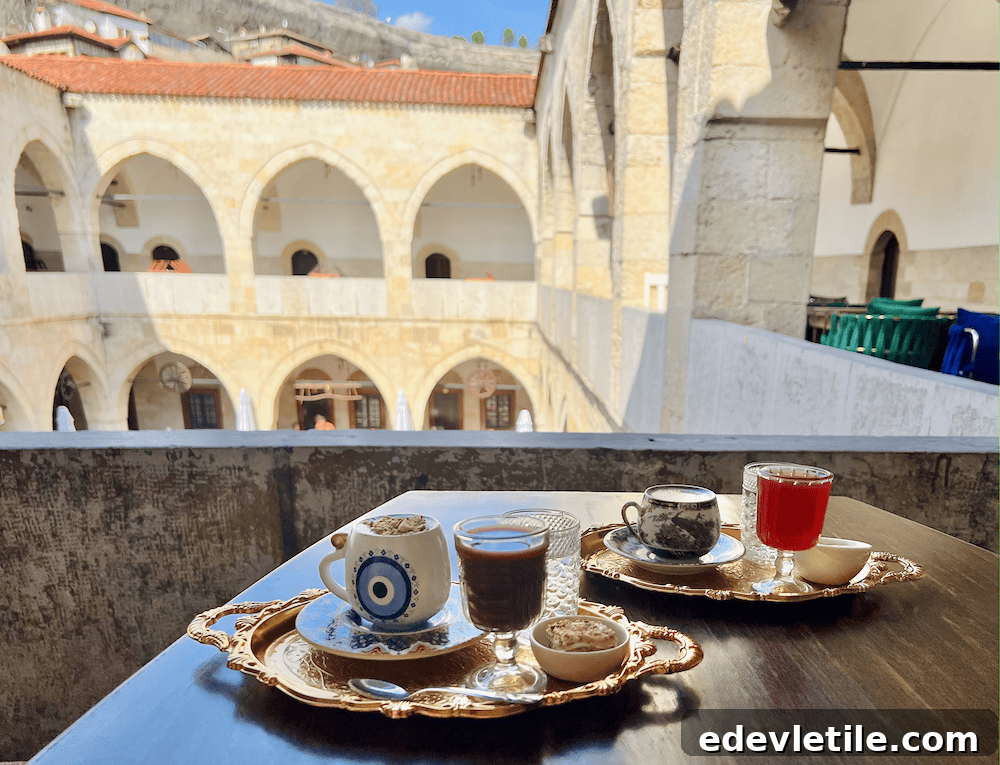
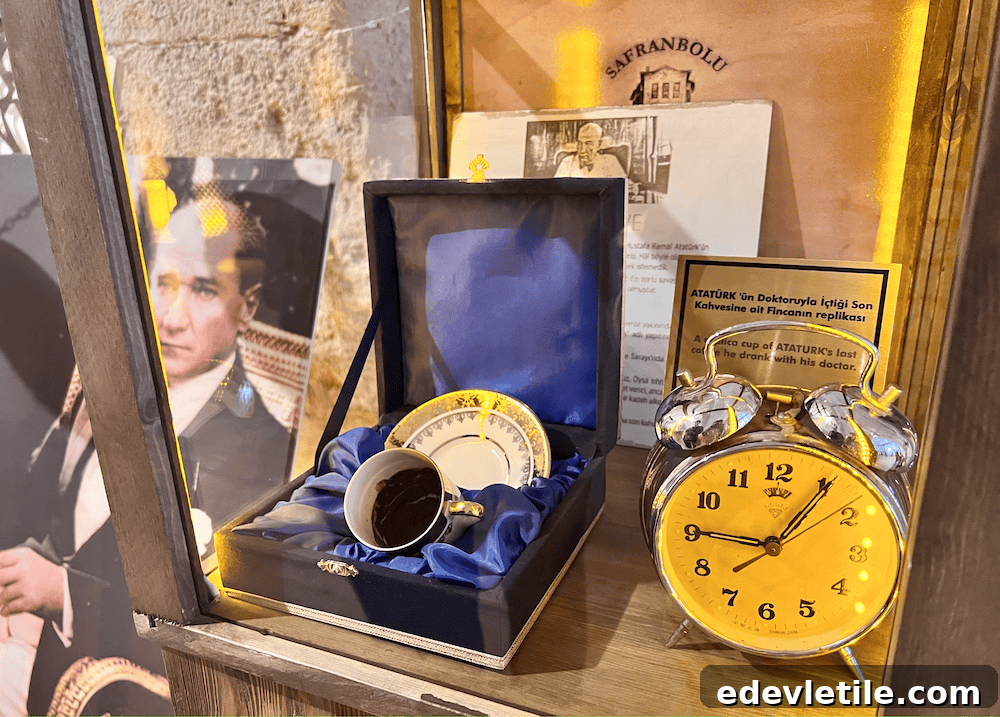
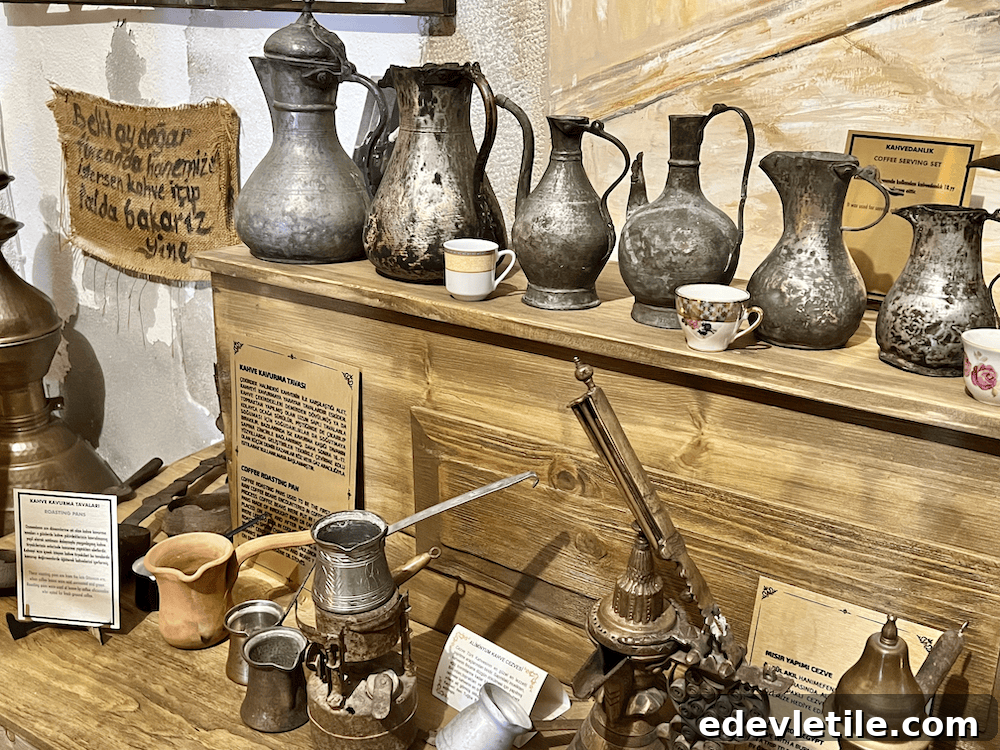
Learn about Coffee at the Coffee Museum
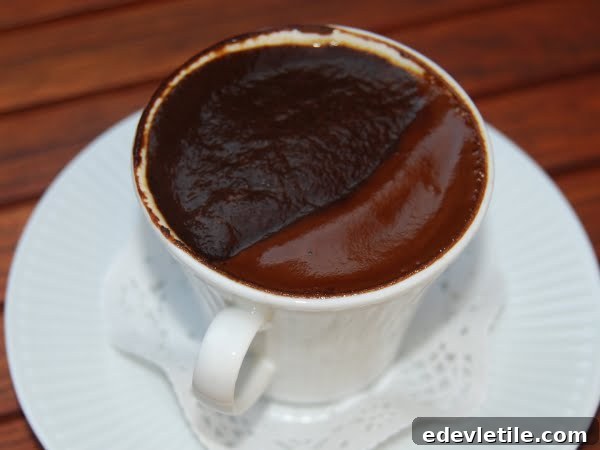
Housed on the second floor of a restored caravanserai, the Coffee Museum displays artifacts and tells the story of Turkish coffee. The museum also serves historic coffee recipes in its cafe, making it a rewarding stop for coffee lovers.
Relax at Cinci Hamam
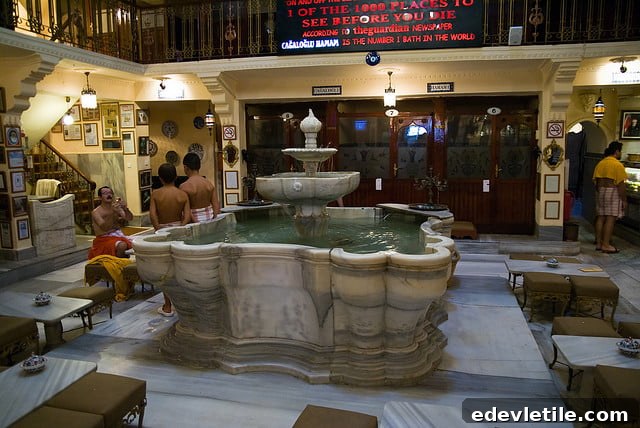
A visit to the historic Cinci Hamam is a soothing way to unwind. The traditional bathing ritual includes time in heated rooms, an exfoliating scrub, massage, and hair wash. Facilities provide towels and a locker area; services are typically gender-separated.
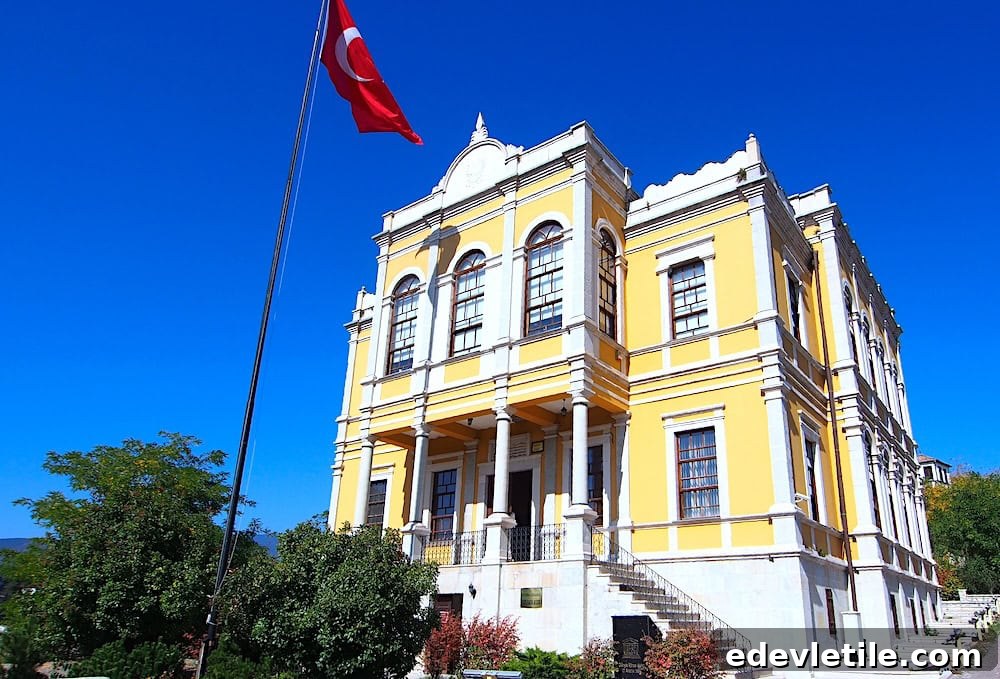
Visit the City Museum & Clock Tower
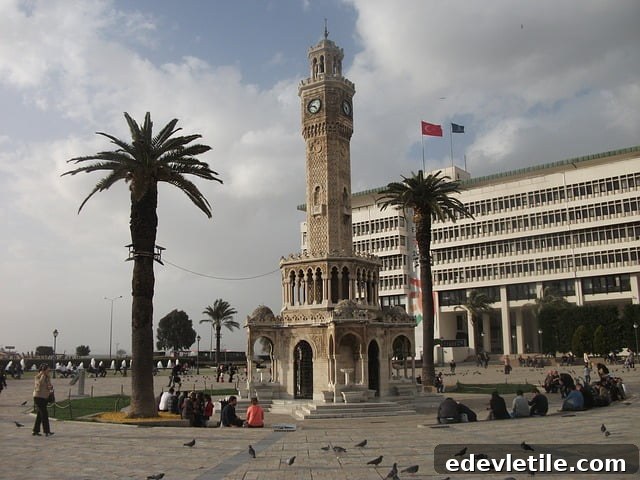
The City History Museum showcases local artifacts and period clothing in a prominent yellow building with panoramic views. Behind it stands the Historical Clock Tower, built in 1797, which features miniature clocks and historic details.
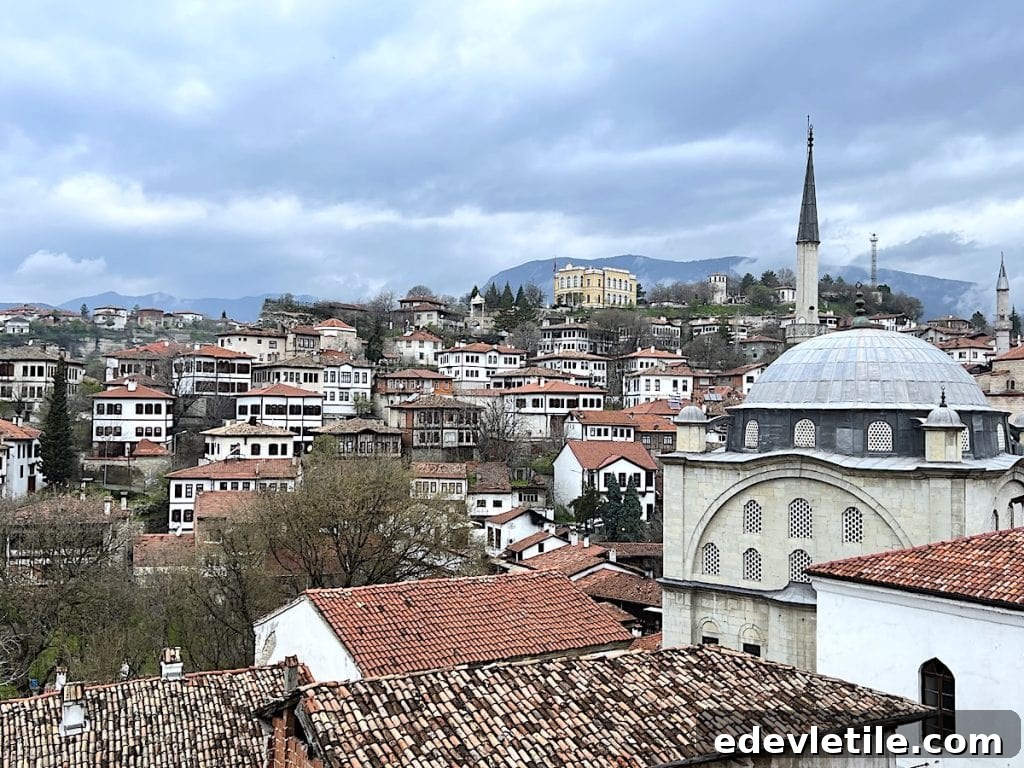
See the Beautiful Architecture in Safranbolu’s Mosques
Izzet Mehmet Pasha Mosque — A landmark opposite the old bazaar, commissioned in the late 1700s and notable for its elegant design.
Köprülü Mehmet Pasha Mosque — Located near Cinci Hamam, this 17th-century mosque is admired for its ornate interior and carved ceiling details.
Kazdağlı Mosque — A stone and brick mosque that fits harmoniously into the town’s skyline; nearby you can often spot local saffron-themed motifs.
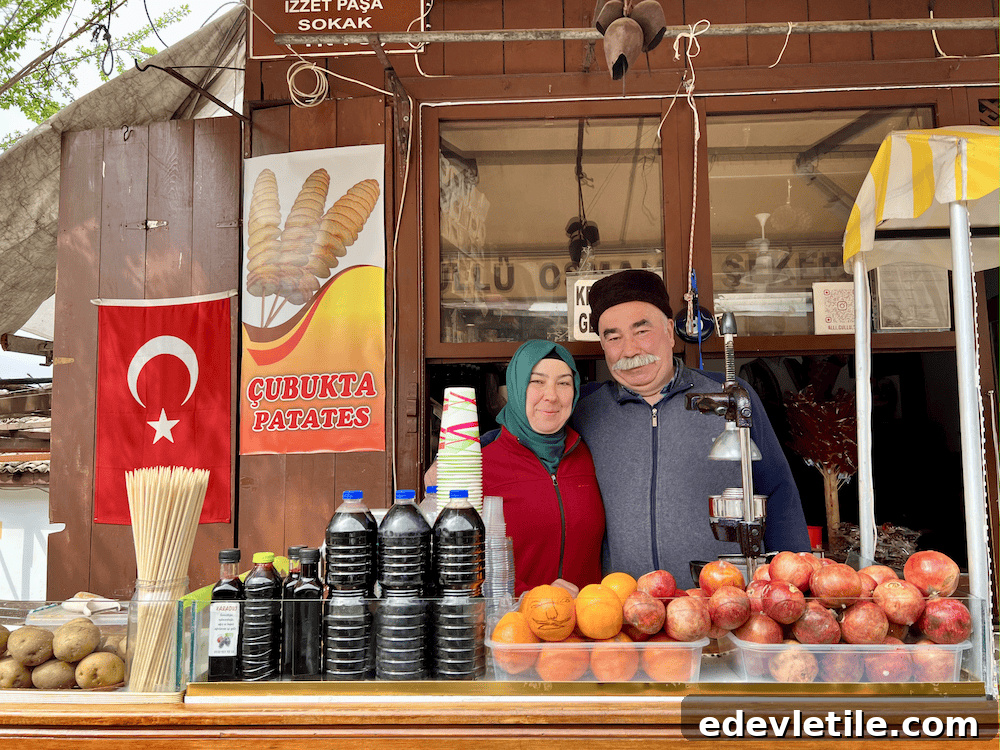
Taste Safranbolu’s Local Dishes
Seek out traditional restaurants and small family-run eateries to try regional specialties like kuyu kebab, peruhi, bükme, bandurma, islama, and the saffron-scented dessert zerde. Local cafes and caravanserai courtyards are great places to sample authentic flavors.
See All of Safranbolu at Hıdırlık Hill
For sweeping views of the red-tiled roofs and mosque domes, head up to Hıdırlık Hill. The terrace and small cafe offer excellent photo opportunities and a peaceful spot to take in the town before you leave.
Day Trips from Safranbolu
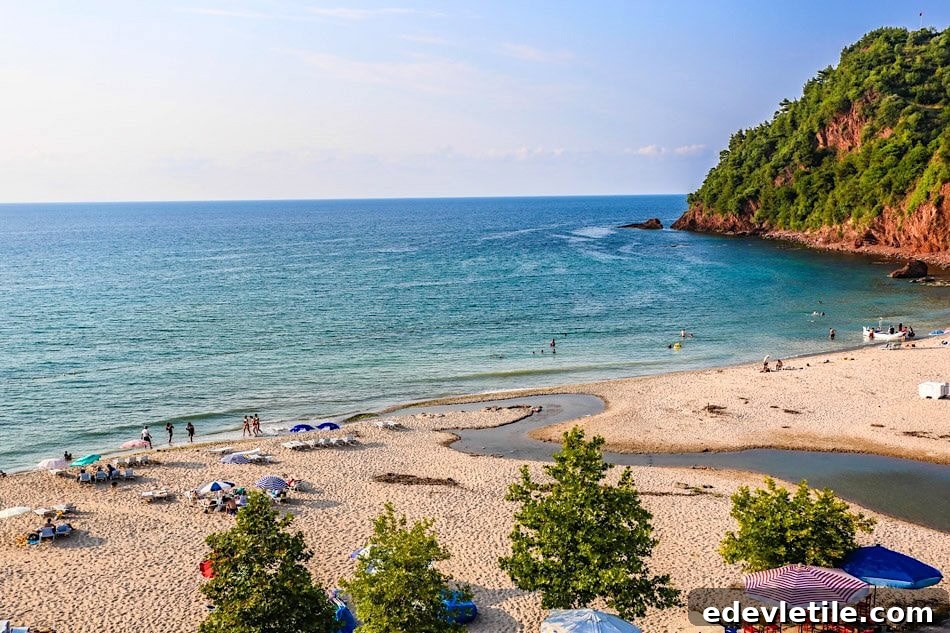
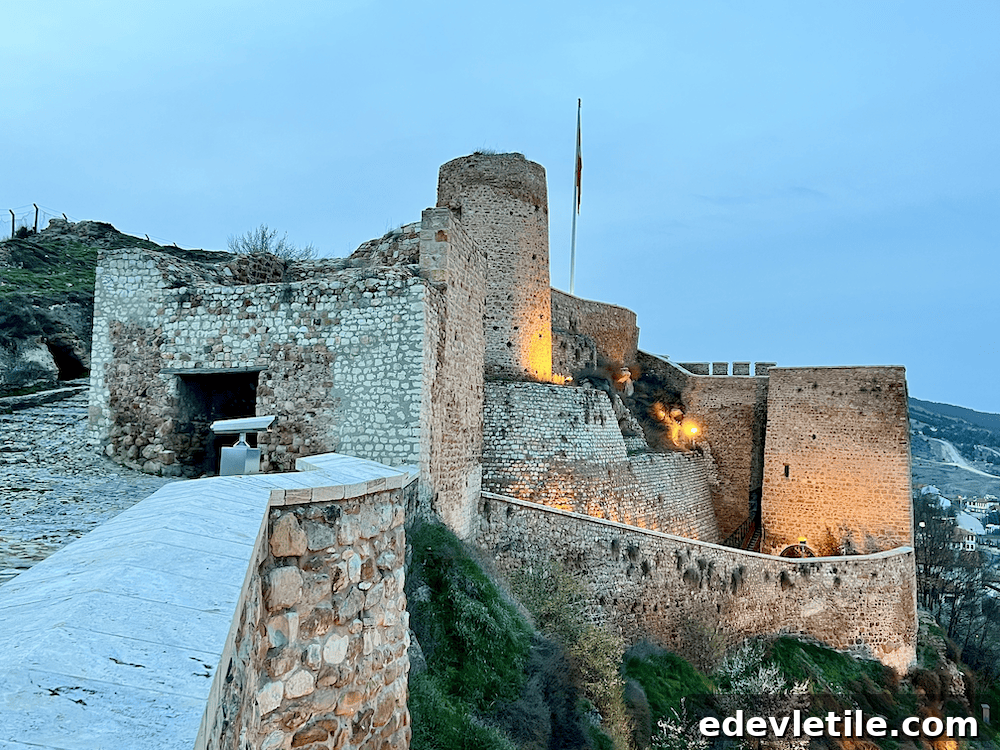
Yörük Village (17 minutes) — A small Ottoman-era village close to Safranbolu with quiet streets and traditional houses, perfect for a half-day visit.
Bulak (Mencilis) Cave (20 minutes) — A dramatic cave with walkways, rock formations, and cool interiors; a popular short excursion, especially in hot weather.
Kastamonu (1.5 hours) — A larger nearby city with historic mosques, a castle, and local dining options worth a day trip if you have extra time.
Amasra (about 2 hours) — A scenic Black Sea seaside town known for its harbor, beaches, and fresh seafood; a longer day trip but a great contrast to Safranbolu’s inland charm.
Where to Stay in Safranbolu
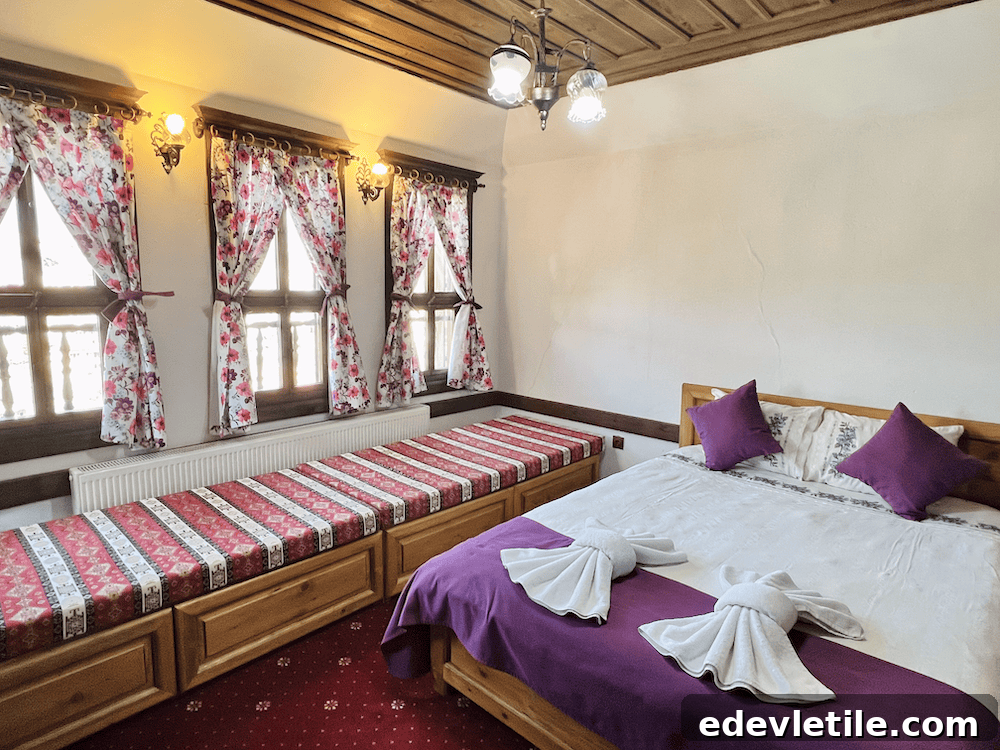
Manzara Konak Otel Safranbolu
A charming konak-style boutique hotel in the old town with city views and traditional decor. Ideal for travelers who want an authentic stay in a restored Ottoman house.
Hilton Garden Inn Safranbolu
A modern hotel in the new town that offers familiar amenities such as parking and Wi‑Fi, with a short taxi ride to the historic center.
Gulevi Safranbolu
A boutique property formed from several restored Ottoman mansions with a tranquil garden and a central old-town location — a good choice for experiencing konak hospitality.
Akbulut Konak
Situated between the new center and the old town, Akbulut combines historic charm with modern comforts and is noted for a generous breakfast.
Planning a trip to Türkiye? Check out our other posts!
-
2 Week Turkey Black Sea Roadtrip Itinerary: Off the Beaten Path Adventures
A complete Black Sea road trip itinerary covering highlights and hidden gems for a two-week route.
-
Amasra Travel Guide: The Best Things to Do in Turkey’s Charming Black Sea Town
An overview of Amasra’s seaside attractions, beaches, and dining for a coastal day trip.
-
Amasya (Turkey) Travel Guide: Visit Turkey’s Charming ‘City of Princes’
A guide to Amasya’s scenic river, historic houses, and cultural attractions for curious travelers.