Soganli Valley: Abandoned Village and Ancient Rock-Cut Churches
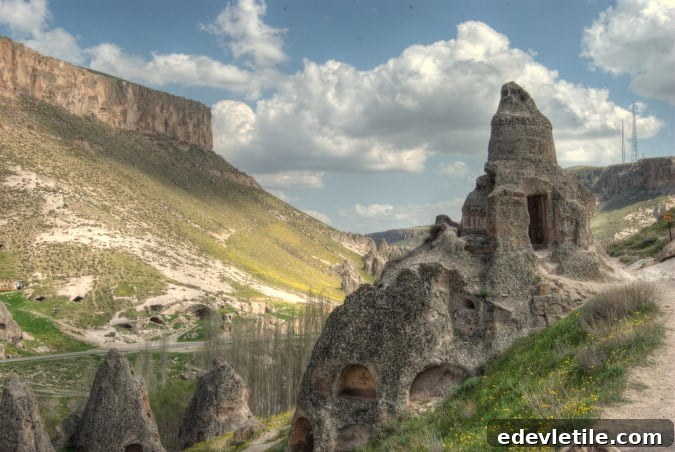
I did not expect much from Soğanlı Valley in Cappadocia. Guidebooks and popular routes tend to highlight places like Ihlara or Pigeon Valley, leaving Soğanlı off many itineraries. Yet when I arrived I was pleasantly surprised. Tucked away from the busiest trails, the valley’s pigeon houses carved into rock chimneys, the centuries-old cave churches and an abandoned village create a quietly surreal landscape. The place left a lasting impression.
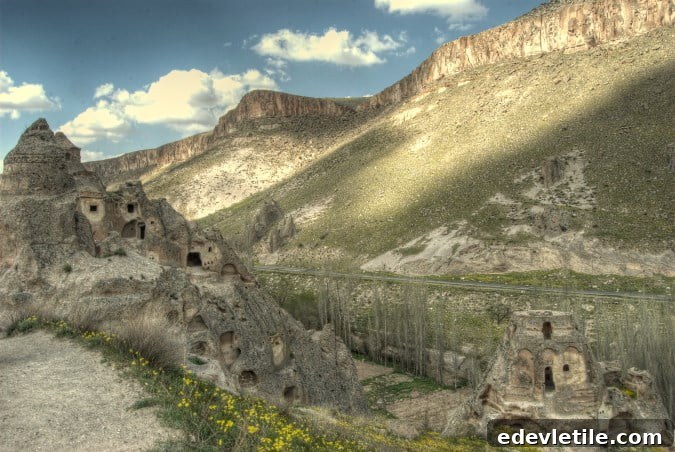
I visited as part of a tour; although we spent only a short time there, I found Soğanlı to be one of Cappadocia’s more intriguing valleys, second only to Ihlara in my experience. It combines striking scenery with deep historical layers, and the stories embedded in its stone lingered with me long after I left.
Exploring Soğanlı Valley
Soğanlı Valley stretches roughly 16 miles, though our guided walk covered only an hour or so. We followed an upper path that offers wide landscape views and convenient access to several rock-cut churches. Most of these churches date from the 9th to the 13th centuries, although human activity in the valley goes back to Roman times.
The walking route is easy and rewarding: you pass carved dwellings, scattered pigeon houses and a string of modest churches whose faded frescoes still hint at their former richness. The setting feels intimate and slightly remote compared with the busier sites in central Cappadocia.
Soğanlı Valley’s Historical Churches
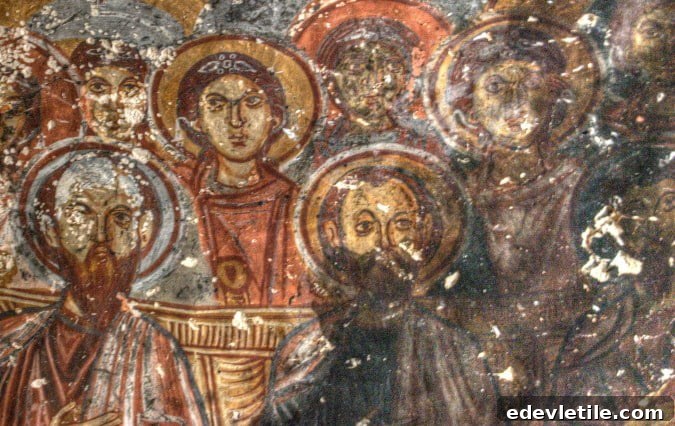
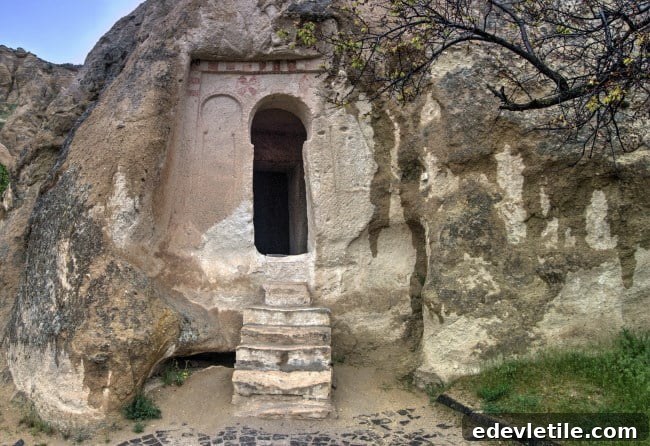
Our first stop was Yılanlı Kilise, the Church of the Serpent. Like many Cappadocian churches, its frescoes have suffered damage over time—some from deliberate defacement, some from later repurposing when the region’s population and religious practices changed. In many cases locals used these hollowed spaces for storage or to shelter animals, unaware of the artworks’ future historical value.
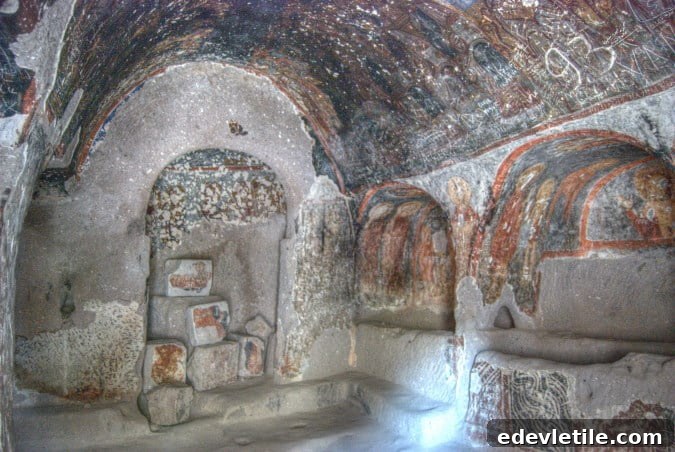
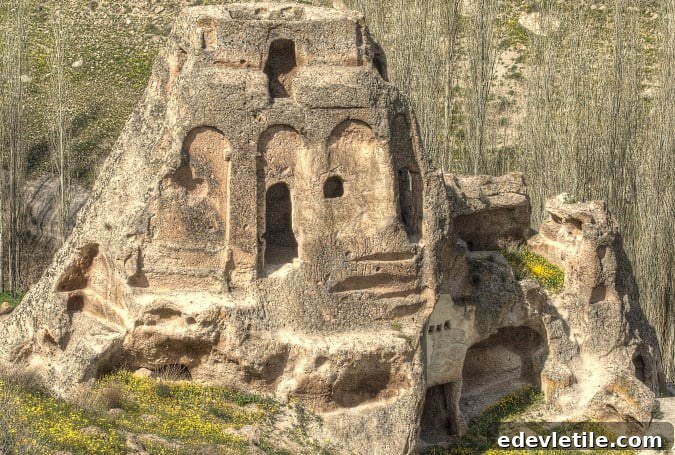
Yılanlı Kilise is compact but compelling. My favorite was Kubbeli Kilise, notable not only for its carved interior but also for an exterior shaped to echo Armenian church architecture found farther east in Turkey. The level of craftsmanship and attention to detail in both interior and exterior carving stands out among the valley’s sites.
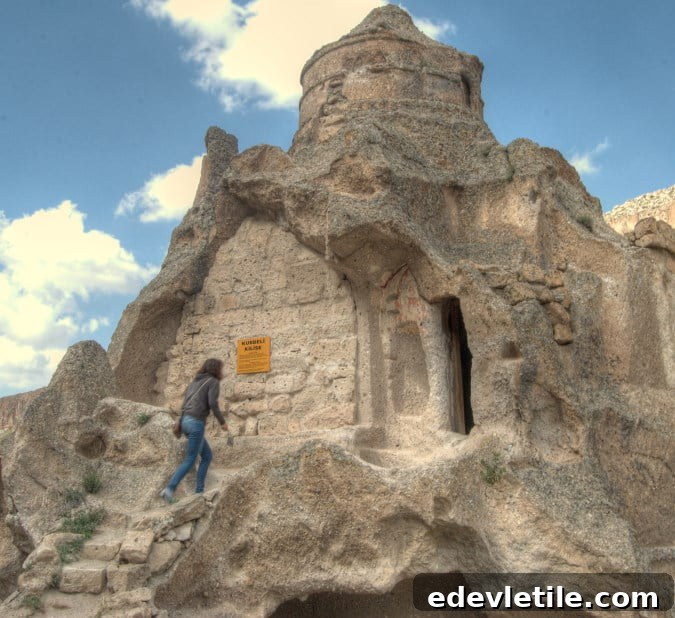
If you hike the full length of the valley you will encounter other notable churches: Canavar (named after a dragon from local legend), the Barbara Church and Karabaş, which contains well-preserved fresco scenes including the Nativity, the Crucifixion and Christ sharing bread and wine with the apostles. Each site offers a different glimpse into the valley’s medieval Christian heritage.
The Abandoned Village of Soğanlı
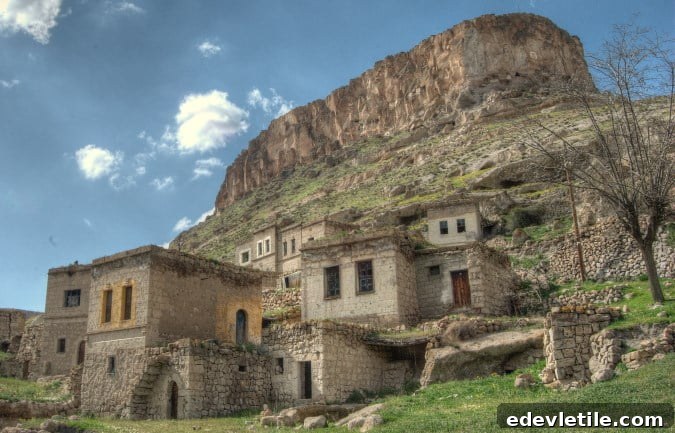
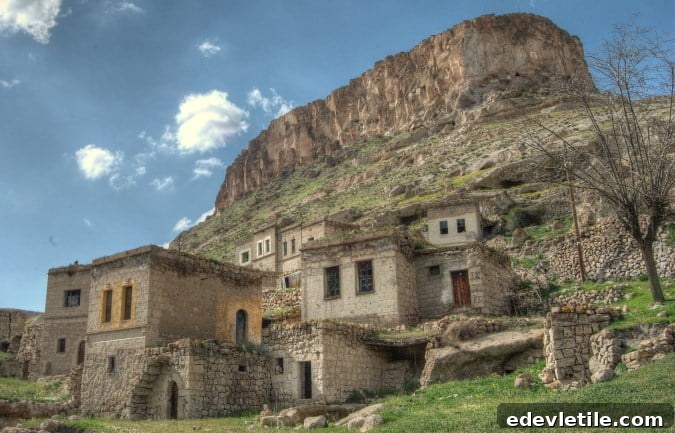
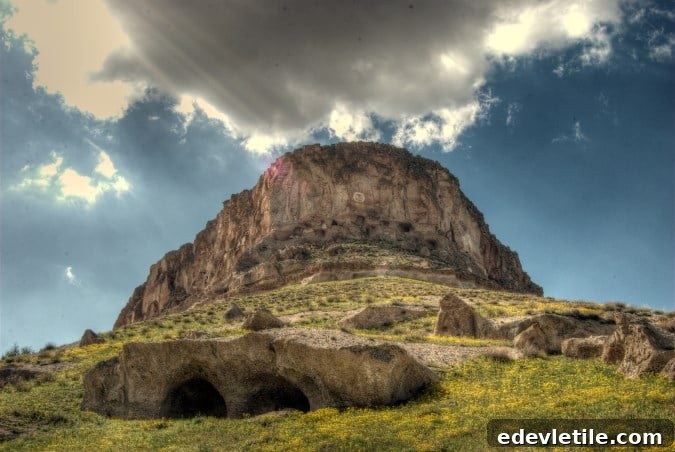
The valley includes a small, mostly abandoned village of roughly twenty houses. Locals told us all residents were relocated except for one elderly man who refuses to leave. The reason is practical: above the village sits a large, unstable rock formation that periodically loosens and sends down boulders. For safety, authorities moved most families, but the lone resident remains, steadfast in place.
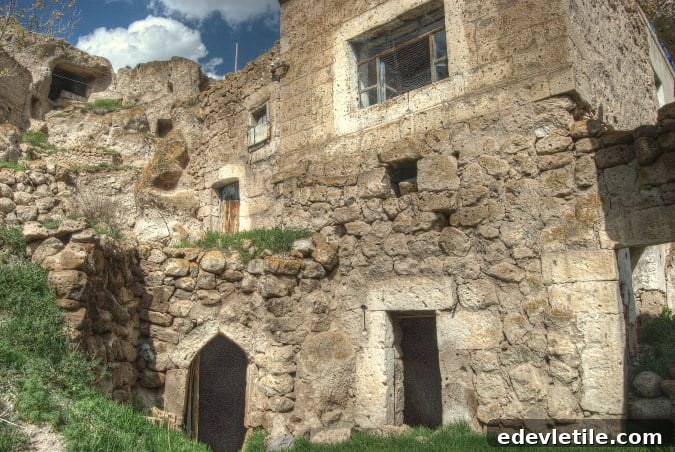
Many houses are overgrown with moss and vegetation; in places the layout is layered, with dwellings built at different levels on the hillside. At one point I stepped onto what I thought was open ground only to realize I was standing on the roof of another house. The wooden doors at the entrances were weathered and slowly rotting, and faded traces of vivid blue paint remained on some window frames. That blue—used in parts of southeast Turkey—was traditionally painted to deter scorpions, a small reminder of practical local knowledge woven into domestic life.
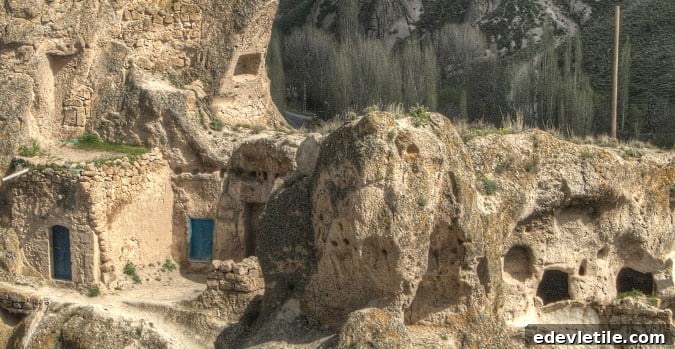
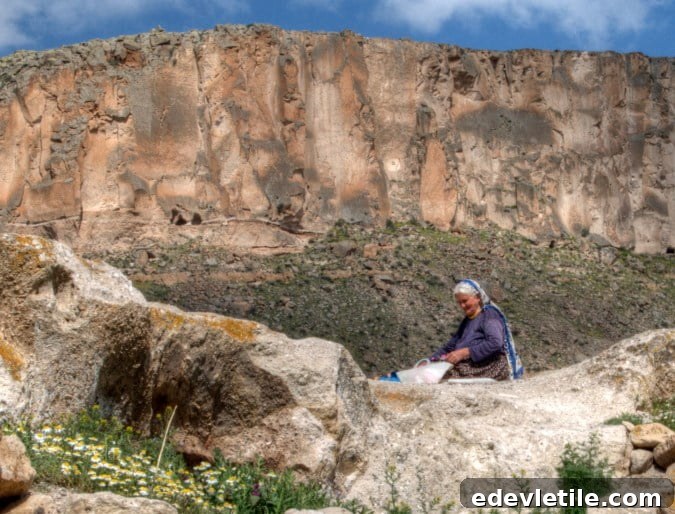
Soğanlı has an eerie, quiet atmosphere similar to Turkey’s better-known ghost village of Kayaköy, yet it feels more secluded. As we were leaving, a Turkish woman sitting on a small rock silently beckoned me over. I hesitated, worried it might be a sales pitch for the small handmade dolls the valley is known for, and I walked on. In hindsight that brief encounter might simply have been a chance for conversation with a visitor—one of those small missed moments that travel sometimes leaves unresolved.
Soğanlı Valley is quietly rewarding: a place where landscape, history and village life intersect. If you have time in Cappadocia and prefer less crowded sites, the valley is worth a deliberate visit. Its carved churches, pigeon houses and abandoned homes tell stories of centuries of daily life and faith carved directly into the rock.