Southeast Turkey Cuisine: Traditional Dishes and Local Flavors
I don’t usually focus on food while traveling; I tend to eat out of necessity more than curiosity. My recent trip to Gaziantep, Mardin and Şanlıurfa changed that. The southeast of Turkey has distinct customs, languages and culinary traditions compared with the west, and I decided to give the local cuisine a proper try.
Gaziantep and Paça Beyran Soup
In Gaziantep, restaurants often display sheep’s heads in their windows as a sign of traditional fare. It’s an unfamiliar sight for many visitors, and while it felt odd to me at first, it was a clear signal that the food culture here is unapologetically local.
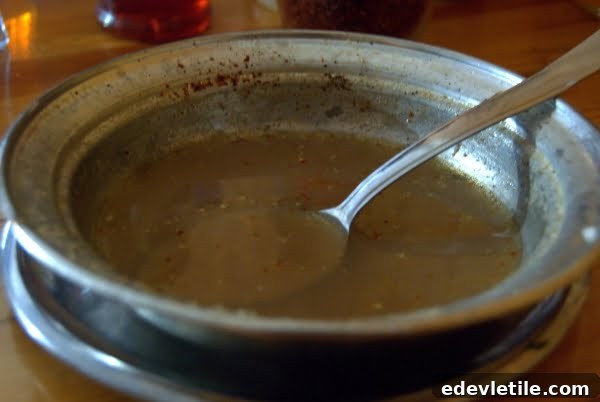
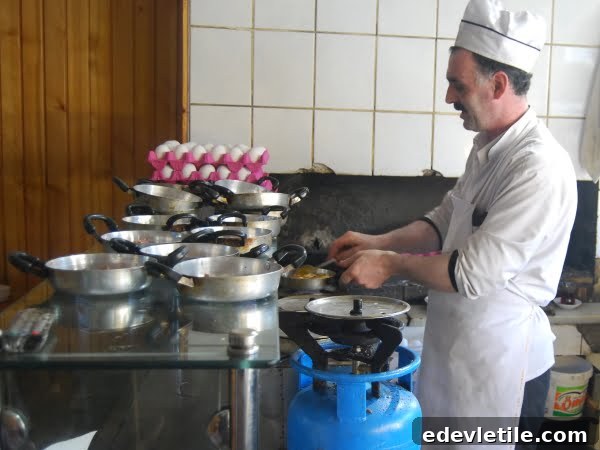
For breakfast I skipped the sheep’s head and followed a waiter’s recommendation: Paça Beyran çorbası. Served in a metal bowl, this soup combines a rich lamb broth with rice and shredded meat, and you can add garlic sauce or hot peppers to taste. Paired with fresh bread, it made for a surprisingly satisfying morning meal and it’s easy to see why locals enjoy it as a breakfast staple.
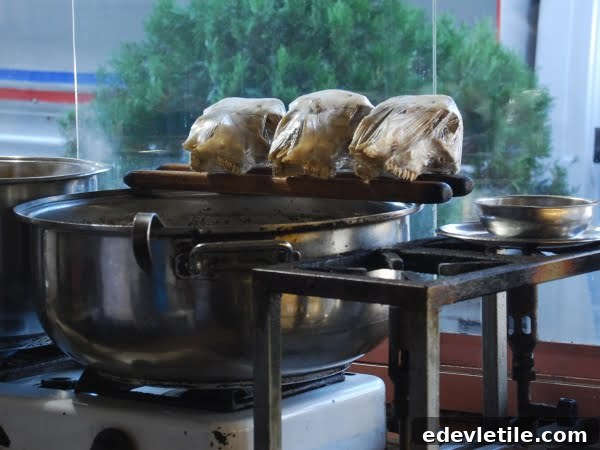
Watching the cooks prepare the soup over a gas burner was part of the experience. The brisk, practical kitchen rhythm and the steam rising from the pots made the dish feel authentic and rooted in daily life.
Dalak – Grilled Lamb Spleen in Şanlıurfa
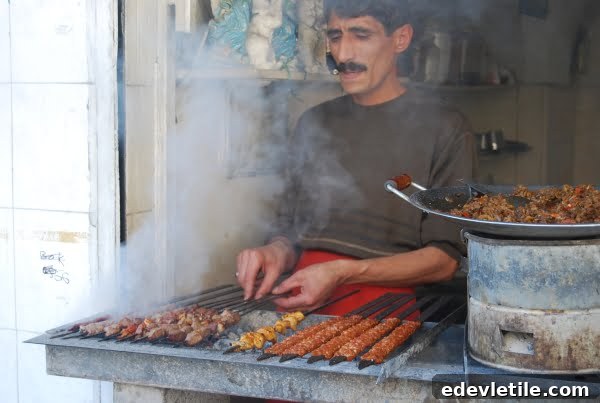
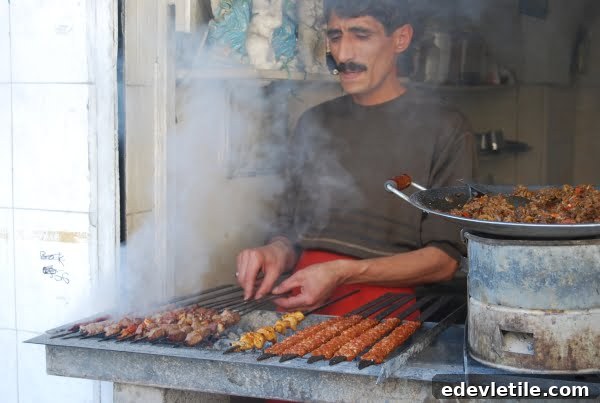
Continuing my culinary exploration, I developed a surprising fondness for dalak. While kebabs are the ubiquitous, budget-friendly option across the southeast—offered as beef, chicken or liver—I wanted something different by the time I reached Urfa.
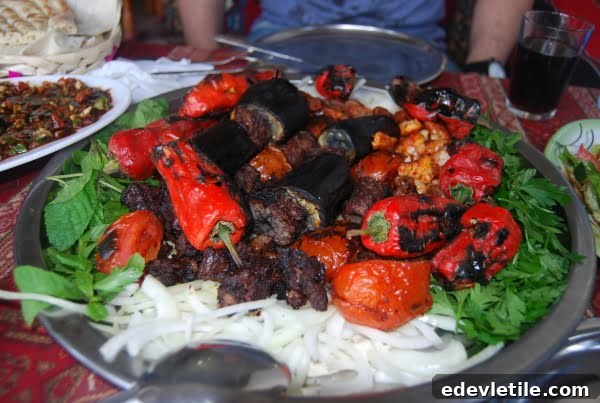
After asking for a recommendation I was served dalak, charred and crisp from the grill. The smoky, slightly crunchy texture was addictive. Staff banter and playful guesses about what I was eating prompted me to look it up later: dalak is grilled lamb spleen. Its flavor and texture surprised me in the best way, and I left convinced that many regional specialties deserve a chance—even the ones you might not expect to enjoy.
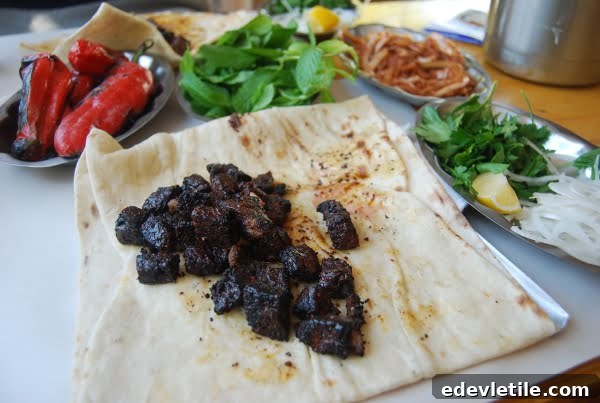
Having helped process animals during religious slaughter seasons in Turkey, I shouldn’t have been surprised by the creativity local cooks apply to every part of an animal. Still, discovering dalak felt like uncovering a small culinary secret I’d missed for years.
Why had I never tried dalak before?
Stuffed Lamb Ribs in Mardin – Kaburga Dolması
Mardin brought another regional specialty into focus: kaburga dolması, stuffed lamb ribs typically filled with rice and spices. I was eager to try it, having read about it beforehand, but the version I was served fell short of expectations.
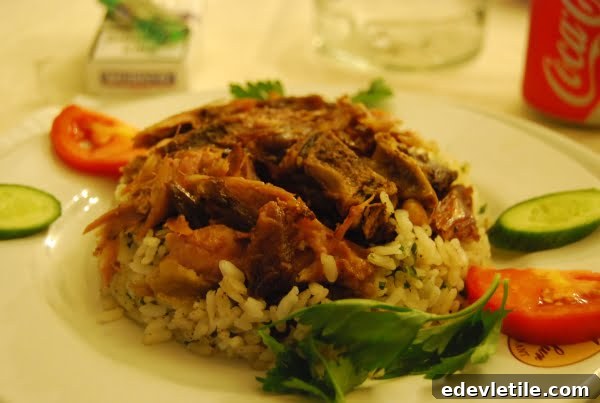
The concept is excellent, but this particular preparation suffered from execution problems: the rice was soggy and cold, and the lamb was tough. It was a reminder that even celebrated traditional dishes can vary widely depending on the cook and the kitchen. A single disappointing meal didn’t change my appreciation for the region’s culinary range, but it was an honest setback on an otherwise adventurous tasting tour.
Reflections on Southeast Turkish Cuisine
My trip only scratched the surface of southeast Turkey’s food culture. After years of getting used to the tastes along the Aegean and Mediterranean coasts, I found the southeast refreshingly different—bolder seasonings, diverse ingredients, and recipes tied closely to local customs. Exploring these dishes will take time, and I expect to keep discovering new favorites on future visits.
A small confession: I didn’t spot any Burger King or McDonald’s while traveling in the southeast. Yet, when I returned west and stepped off the bus, I found myself heading straight for Burger King. Sometimes comfort food calls—no judgment, just honest cravings.
Further Reading
Soup for breakfast in Gaziantep; more local Antep dishes and recipes for beyran soup and Gaziantep cuisine are well documented in food-focused articles and recipe collections for those who want to learn more about the region’s rich culinary traditions.