Tigran Honents Church in Ani: History, Art, and Visitor Guide
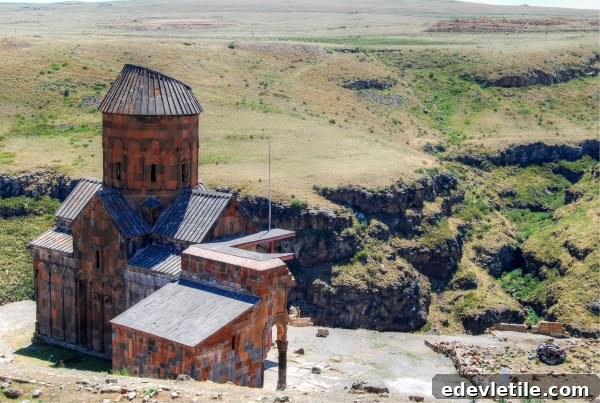
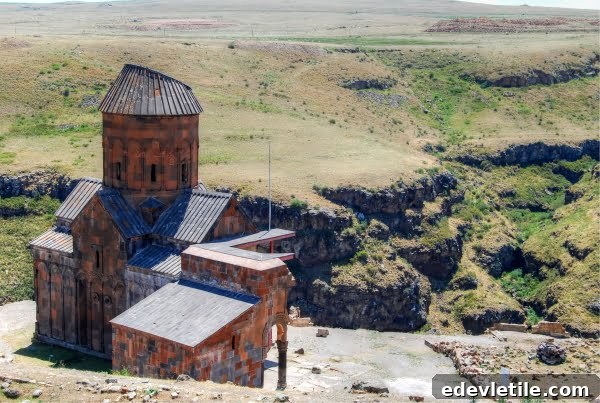
On the border with Turkey and Armenia, the ruined city of Ani preserves several remarkable monuments, among them the Tigran Honents Church. Built in 1215, the church takes its name from the wealthy Armenian merchant who funded its construction. At first glance its modest size belies the complexity of the architecture, but a closer look reveals finely executed exterior decoration that commands admiration.
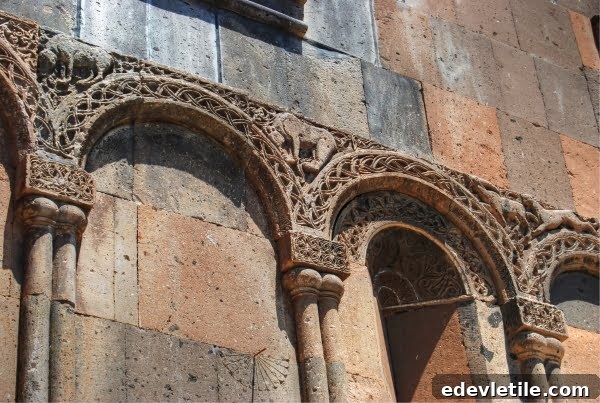
 Ornate animal carvings adorn each exterior wall. Historians believe these reliefs were added later, when Ani came under Ottoman influence. Far from detracting from the design, the animal motifs enhance and complete the building’s visual narrative.
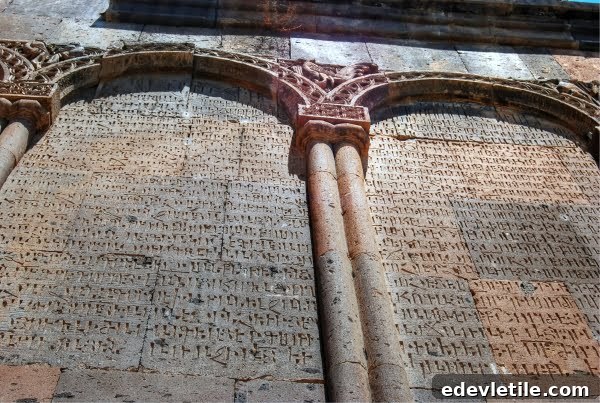
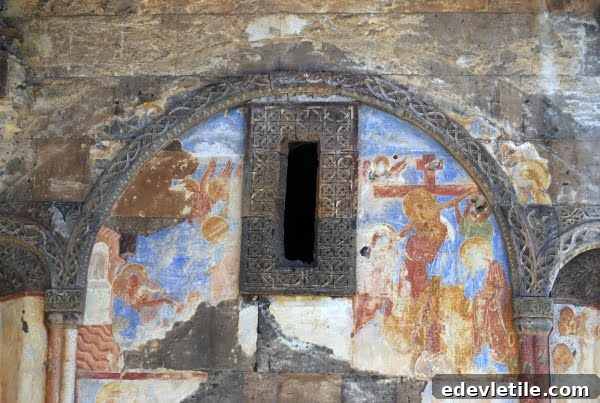
 Carefully incised inscriptions remain visible on the eastern wall. Their script is unfamiliar to casual observers, lending the site an atmosphere of an ancient, long-quiet sanctuary. When the church was built the region lay under Georgian rule, which helps explain the rich interior fresco program—frescoes that are not typical of mainstream Armenian church decoration. The paintings portray scenes from the life of Jesus and the life of Saint Gregory (Grigor). Sadly, some frescoes have been damaged by graffiti left by visitors, diminishing portions of the interior artwork.
 Although commonly called the Tigran Honents Church, the building is also known as the Church of St Gregory the Illuminator and by the local name Church of Sirli. Regardless of the name, standing in the center of this nearly 800-year-old structure is an impressive experience, a tangible link to the medieval past.
 Exiting the church, I noticed distant Armenian watchtowers scattered across the landscape. Much of the ruined city stretches across a broad plain and feels largely empty; few tourists make the journey here. The site receives little promotional attention in mainstream travel guides—there are no beaches or restaurants to attract mass tourism—so Ani and the Tigran Honents Church often remain overlooked by visitors. That quiet isolation, however, is part of the place’s power: a forgotten city that still speaks to the region’s layered history.
This article is part of a series about the ancient Armenian kingdom of Ani.
- Visiting the church of the Redeemer
- Exploring the interior of the Cathedral of Ani (Fethiye Mosque)
- About the ruined city of Ani, now inscribed as a UNESCO World Heritage Site