Tlos Ruins & Lycian Rock Tombs — Home of Pegasus
With a lifelong interest in exploring Turkey’s historical sites, I thought I knew most of the major ancient ruins. The Mediterranean coast in particular is rich in remains and gives Turkey its best-known long-distance trail, the Lycian Way. So I was surprised when I came across an article about the ancient city of Tlos—I read it several times because I had never heard of it before.
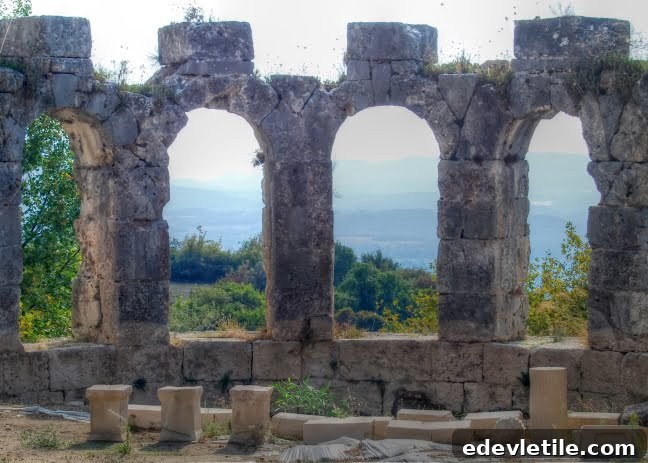
What was its story? Why do historians claim it played and continues to hold significant cultural importance? And where exactly is Tlos, and how could I get there?
I learned Tlos sits in the Xanthos valley. My initial plan was to visit while I stayed near the coastal resort of Patara. Google Maps showed it would take about an hour, but there was no public transport in the direction I needed, the excursion kiosks were closed, and I didn’t have my driving licence with me.
I almost gave up, then moved up the coast to the resort of Ölüdeniz. There I spotted an excursion that included Tlos and immediately bought a ticket.
About Tlos Ruins on the Mediterranean coast of Turkey
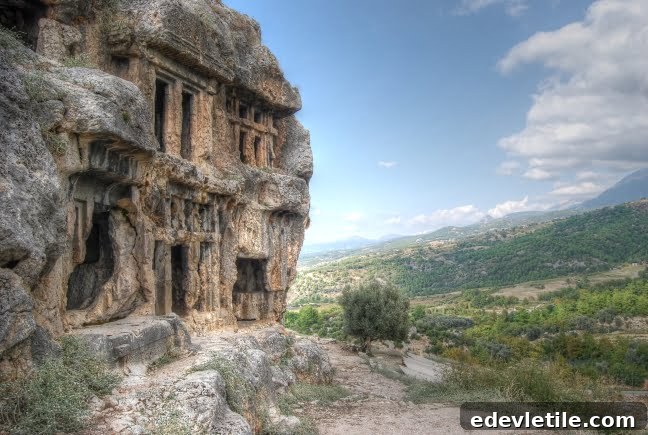
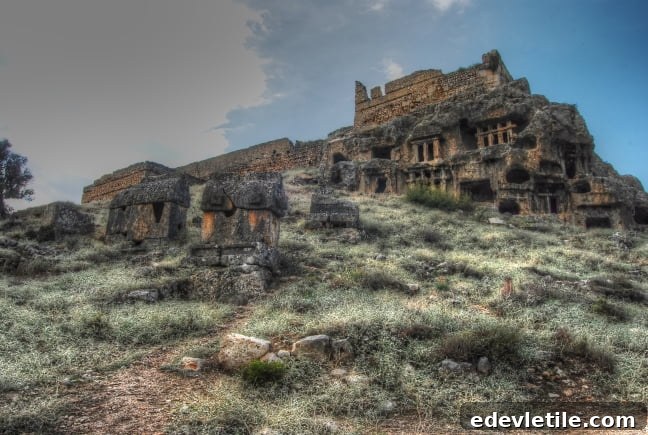
I’m puzzled that Tlos is not more often highlighted in guidebooks and travel articles. It’s more than a scattered collection of stones: the city walls, an amphitheatre, public baths and a market street, all overlooked by an imposing fortress and dramatic Lycian tombs, are a striking record of architectural styles spanning many centuries.
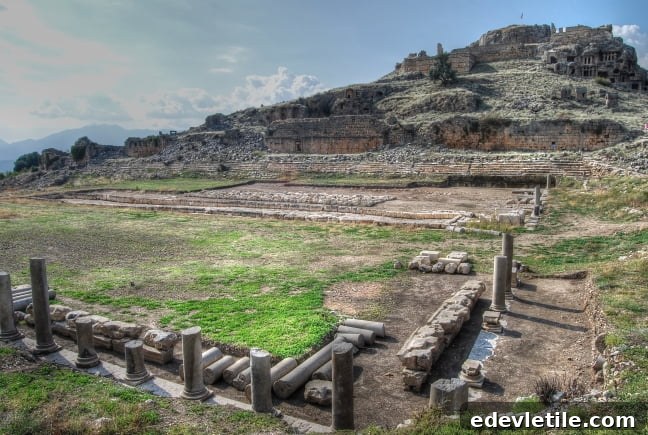
To fully grasp the site’s historical depth, a good guidebook or an informed tour guide helps, but even a casual visitor can appreciate the scale and variety of remains. The visible layers reflect building techniques and urban life from Lycian times through Roman, Byzantine and Ottoman periods.
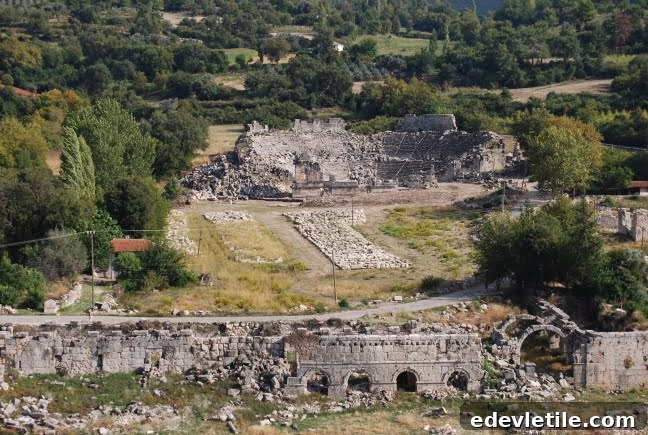
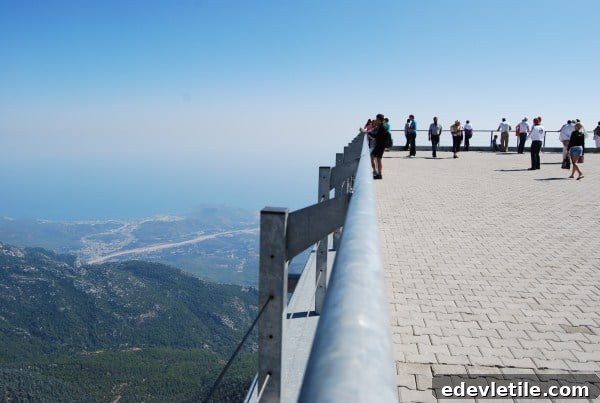
From the hilltop, the panorama across the valley is a reminder of Turkey’s natural beauty beyond its busy cities. The landscape around Tlos has been shaped by the same environment that supported these civilizations for millennia.
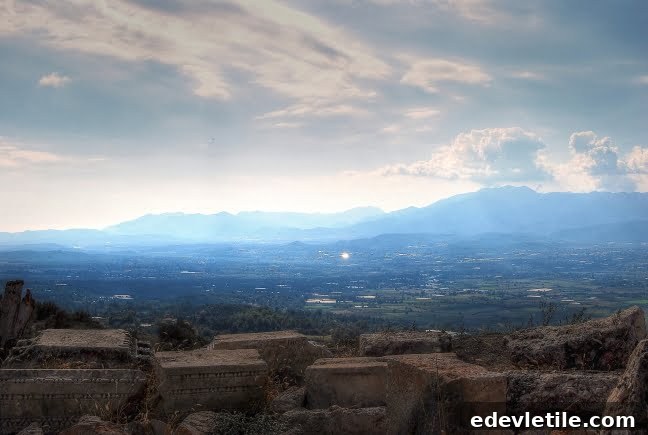
Tlos was once one of the oldest and most important cities of the Lycian era. The Lycians dominated this stretch of the Mediterranean coast from the Bronze Age and later became part of larger empires, including Rome. Although Lycian language and many traditions eventually faded, scholars recognize their contributions in art, architecture and military skill.
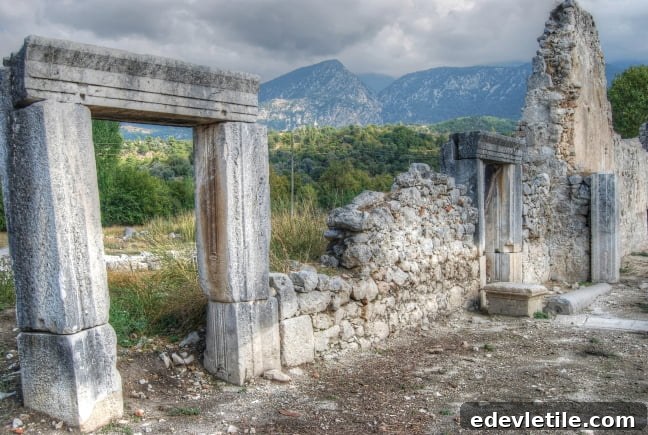
Because the site was occupied by successive cultures, Tlos contains remains from Roman, Byzantine and Ottoman periods as well as Lycian layers, which makes the site especially valuable for understanding regional continuity and change.
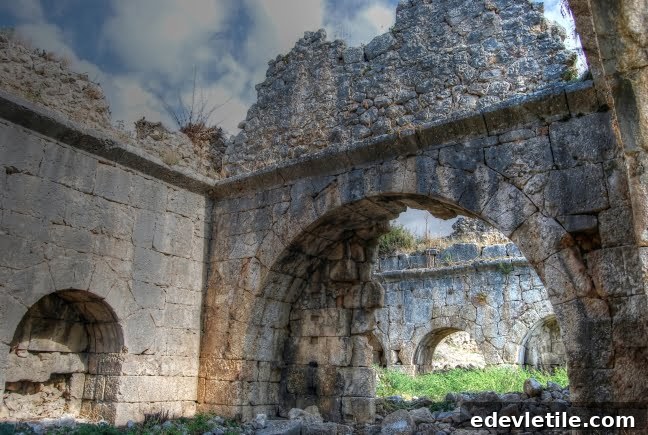
The Lycian Tombs of Tlos
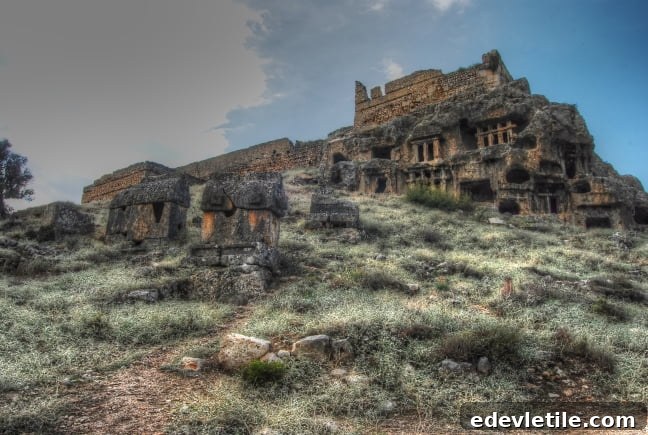
The main part of the ancient city is easy to walk and pleasant to explore, but the climb up to the Lycian tombs and the fortress is steep and demanding. The effort pays off: among the ruined tombs it’s hard not to imagine people from centuries past standing in the same spots, watching the same views.
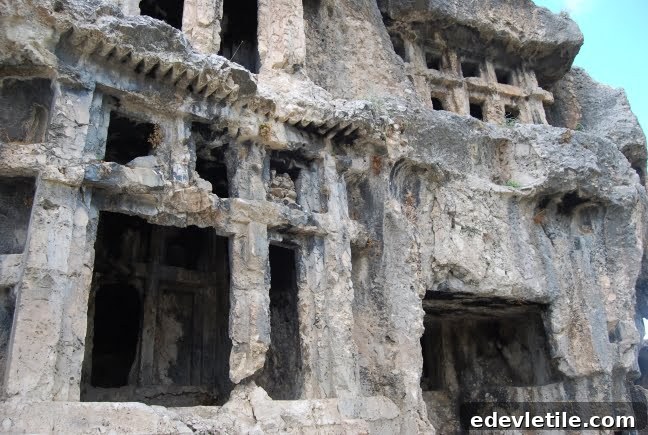
These tombs were once the burial places of important Lycian figures. Although they are empty now and no longer display the funerary furnishings they contained, their prominent positions reflect beliefs about the afterlife and the desire to honor the dead with visibility and monumentality.
Home of Pegasus: The Winged Horse
On a steep, inaccessible cliff above the city stands a tomb traditionally associated with the Greek hero Bellerophon and his winged horse Pegasus. Whether legend or local tradition, the connection adds a mythic dimension to Tlos. Between its historical layers, dramatic tombs and outstanding views, Tlos ranks among my favorite historical sites in Turkey. If you are traveling along the Mediterranean coast, it is well worth a visit.