Veiled Women of Beypazarı: Inside the Bürgü Tradition
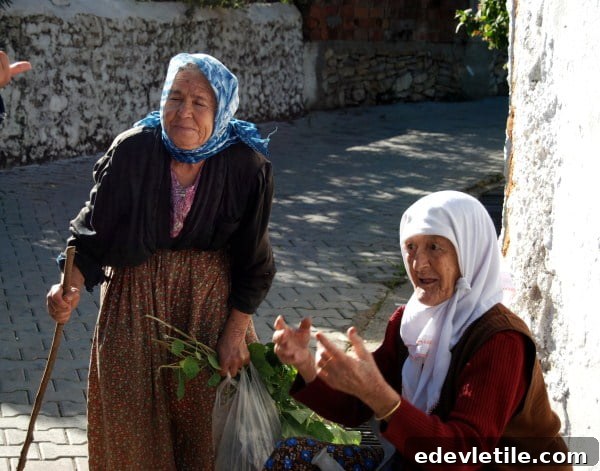
During my time in Turkey I became accustomed to seeing women wearing headscarves. Many younger women wear scarves that show the face while covering the hair, and some have even turned this into a fashionable look often described as “Islamic chic.” It is so common that I rarely give it a second thought, and on occasion—when social customs required it—I have worn a headscarf myself.
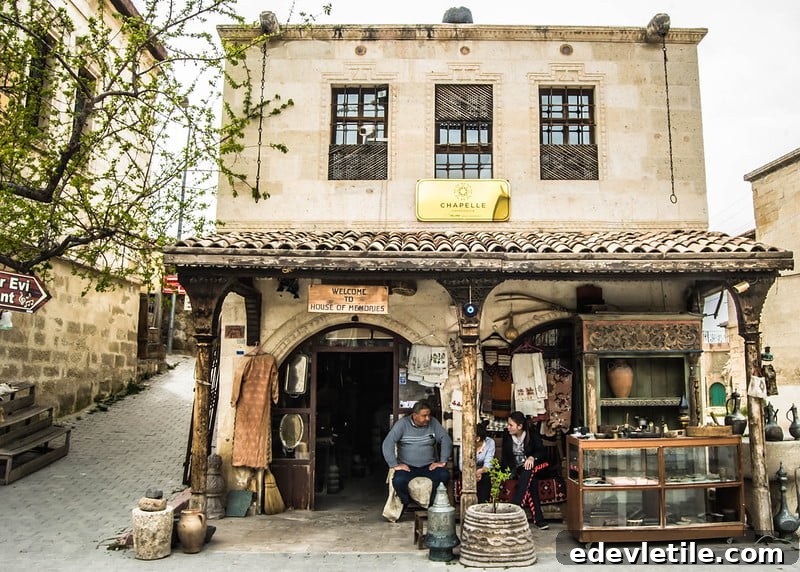
Arriving in Beypazarı, a historic town near Turkey’s capital, Ankara, changed my expectations. The region has deep Ottoman roots and was once an important stop on the east–west trade routes. Its atmosphere felt different from the larger cities I had visited.
Any intention I had of blending in disappeared quickly. I found myself staring at the older women of Beypazarı, unable to be discreet—their style of head coverings was simply captivating.
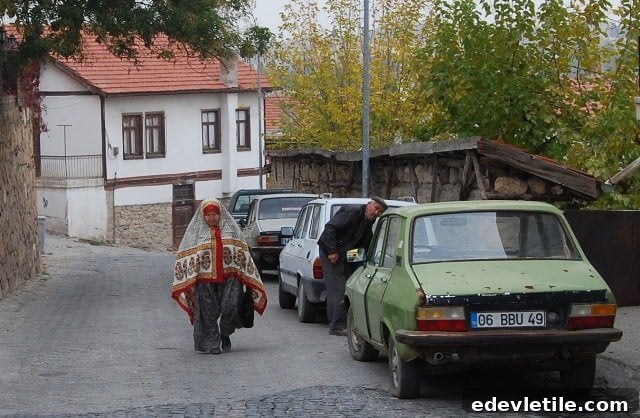
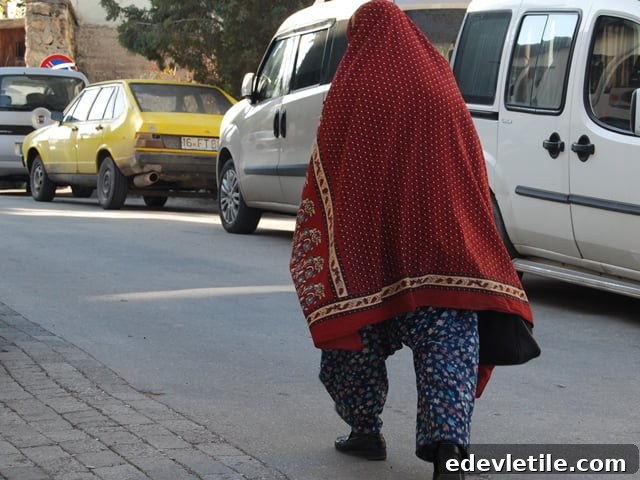
Their scarves are longer than the common styles seen elsewhere, more like shawls than simple veils. Worn outdoors, these shawls drape over the shoulders and upper body, and I noticed many colours and patterns. For older women here, this shawl is a significant element of dress and, together with traditional garments like the Bindalli dress, helps define local identity.
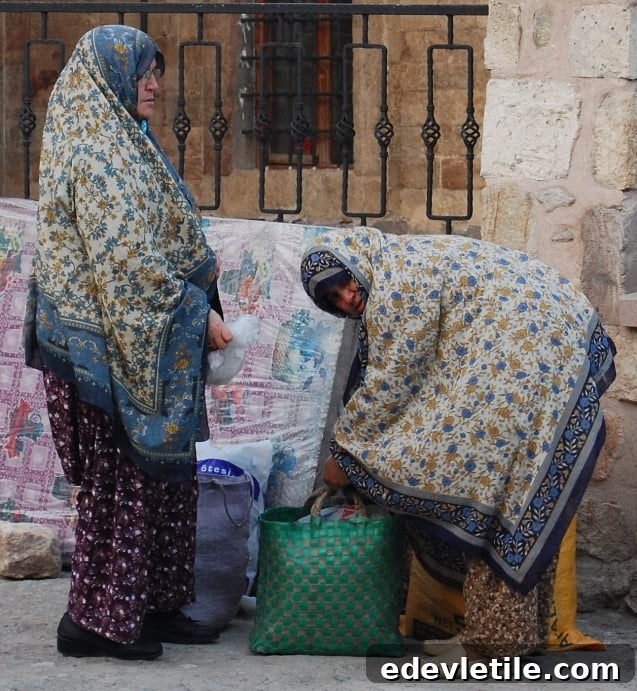
I did not see younger women wearing these long shawls. That raises a question: as the community ages, will younger generations adopt this style, or will the bürgü headscarf of Beypazarı fade away and become a feature of the past in the coming decades? Fashion and dress traditions evolve continually, and I will be watching this one with interest.
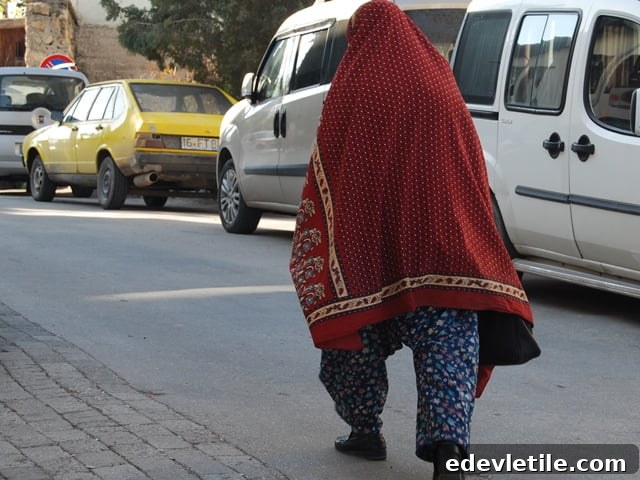
The shawl-style headcovering serves both practical and cultural purposes: it provides warmth and modesty while signaling belonging to a particular local tradition. In a town proud of its heritage, clothing is one of the clearest ways residents express continuity with the past.
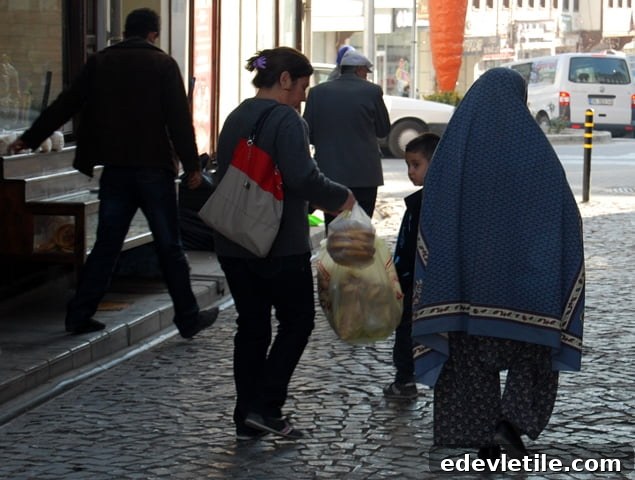
Whether the bürgü remains a living tradition or becomes a remembered costume depends on many factors: shifting tastes, urban influences, and the choices of younger people. For now, it remains a striking and respected element of Beypazarı’s visual and cultural landscape—one that tells a story about age, tradition, and local pride.