Unique and Unusual Hotels to Stay in Turkey
When planning a holiday, the hotel is often the first concern after arriving at your destination. Some travelers prioritize spotless rooms, others seek facilities and extras. Options range from all-inclusive to bed & breakfast or room-only stays, and the hotel’s theme and décor frequently influence the final choice.
Turkey’s travel industry understands this. Over the last decade of hotel construction across the country, individuality has become a driving trend. The era of generic rooms, dim lobbies, tiny pools, and uninspired food is fading. Hotel owners now strive to distinguish their properties while maintaining comfort, convenience, and practical amenities.
Quirky and Unusual Hotels in Turkey
Luxury Ottoman Palaces and Mansion Hotels in Istanbul
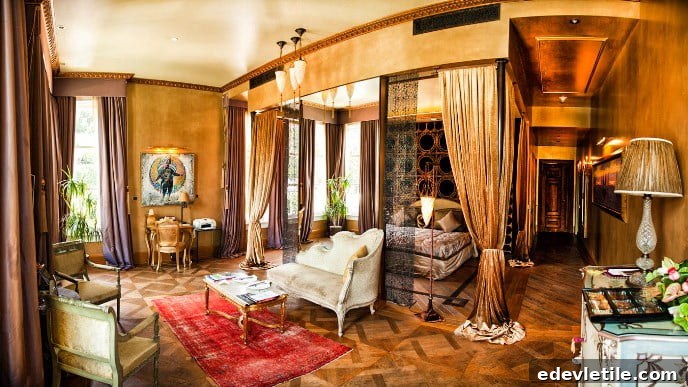
Istanbul is the pinnacle of luxury travel in Turkey. This cosmopolitan city, once the capital of both the Byzantine and Ottoman empires, attracts wealthy visitors, celebrities, and executives. Upscale neighbourhoods like Nişantaşı showcase international brands and fine dining, while several hotels offer experiences rooted in history and opulence.
Top luxury hotels in Istanbul are known for impeccable service and attention to detail. Les Ottomans, a boutique property on the Bosphorus, is a notable example. Housed in a restored yalı once owned by an 18th-century grand vizier, the hotel blends historical architecture with modern spa and wellness services. Each suite is individually designed, and guests can expect personalized service, from Pilates to massages. Prices reflect the exclusivity, and rates vary with the level of luxury chosen.
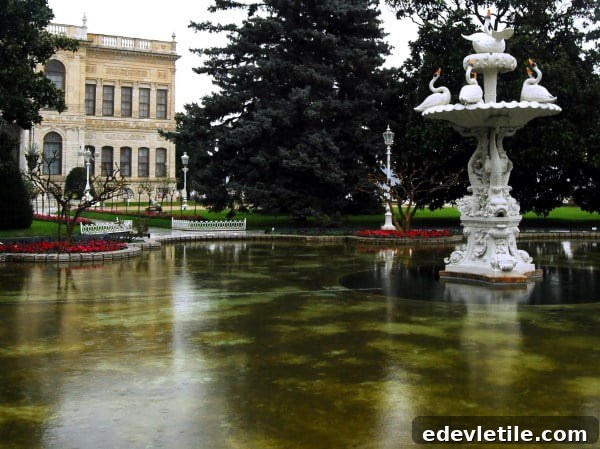
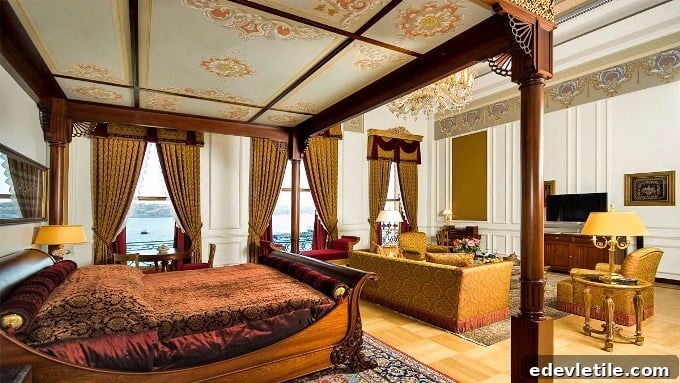
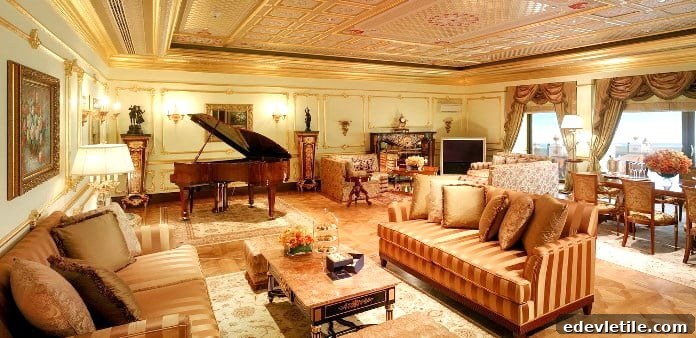
Another storied hotel is the former Ottoman Çırağan Palace, now managed by Kempinski. Commissioned in the 19th century by Sultan Abdülaziz, it suffered severe fire damage in 1910 and was later repurposed before a comprehensive restoration returned it to baroque grandeur. The hotel’s most famous offering, the Sultan Suite, is one of the world’s most expensive suites and showcases the palace’s lavish character.
Cave Hotels in Cappadocia
Cappadocia’s cave hotels are internationally renowned and rooted in genuine history. For millennia, people carved homes, churches, and monasteries from the region’s soft tufa rock, creating a unique architectural landscape. Over time, many of these structures fell into disrepair, but recent conservation and renovation efforts have adapted cave dwellings into safe, comfortable hotels that preserve their historic character.
Modern cave hotels combine original stonework with contemporary amenities: underfloor heating, en-suite bathrooms, and even jacuzzis in some suites. Boutique properties such as Castle Inn in Ortahisar preserve original cave rooms while adding terraces and panoramic views of the lunar-like landscape, making them a popular choice for honeymooners and travelers seeking an authentic, memorable stay.
Treehouse Hotels in Olympos
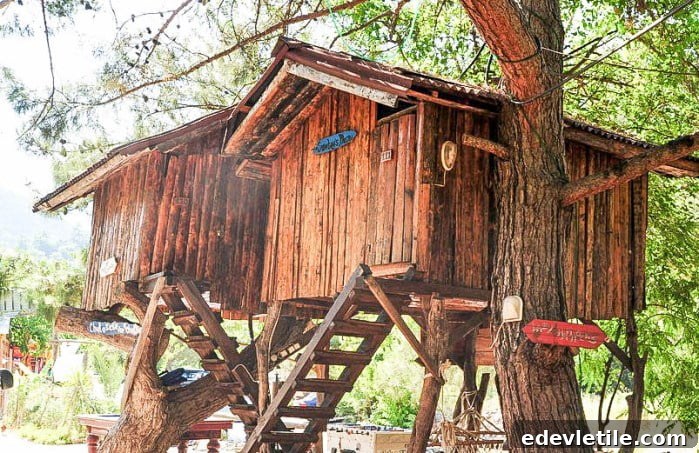
Olympos, on Turkey’s Mediterranean coast near Antalya, became a magnet for travelers in the 1970s. Early visitors seeking an immersive, back-to-nature experience stayed in budget treehouse accommodations that emphasized simplicity and communal living. These rustic treehouses often featured dormitory-style sleeping and shared facilities, appealing to backpackers and hippie-trail travelers.
Over time some operators introduced private bungalows and upgraded services to attract a broader audience. For visitors who want a quieter, more intimate atmosphere while still enjoying nature, nearby Çıralı offers smaller-scale accommodation and a more relaxed pace. Treehouse stays remain a distinctive option for travelers who value atmosphere and proximity to nature over luxury.
Wooden Hotels of Uzungöl and Ayder Plateau
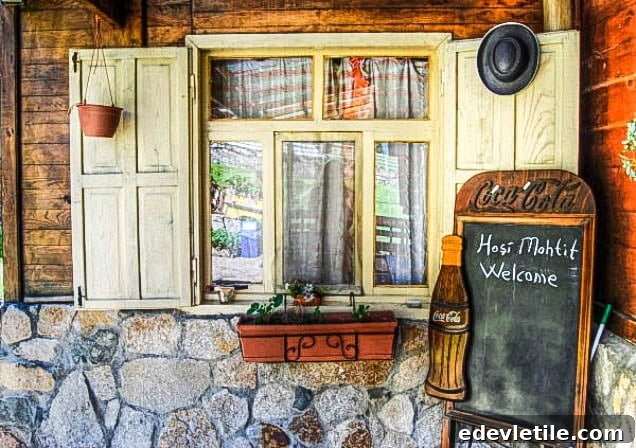
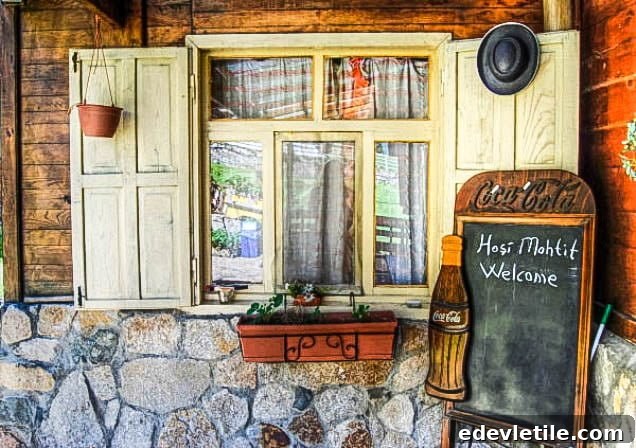
In the Black Sea region, dense forests shape local architecture. Uzungöl and the Ayder Plateau are known for traditional wooden houses and hotels crafted by local artisans. These properties often feel like authentic home stays, combining hand-carved furniture and rustic charm with modern comforts.
Some traditional wooden hotels have been modernized to meet traveler expectations: reliable heating, hot water, and television are common additions. One memorable example is the Inan Kardeşler Hotel in Uzungöl, where generations of woodworkers created furniture, decorative items, and even a handcrafted wooden car displayed in the courtyard. Such hotels offer a close connection to local culture and craftsmanship.

Themed Hotels of Antalya
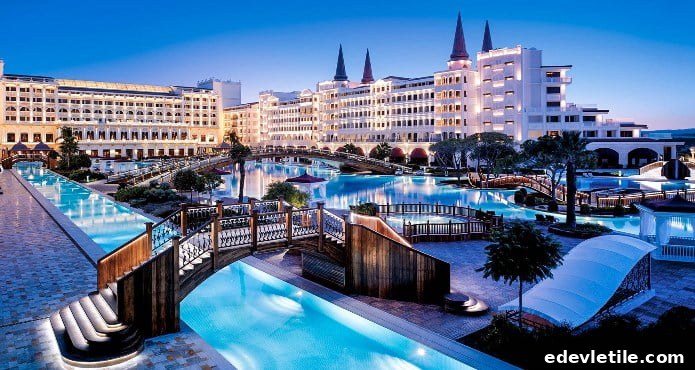
Antalya is a major tourism hub on Turkey’s Mediterranean coast and is home to a wide range of themed hotels. The Mardan Palace made headlines with its extravagant design and amenities, marketing itself as a pinnacle of experiential luxury. Its pool-side aquamarine restaurant sits amid large aquariums, and the resort features elaborate water attractions, imported sand on private beaches, and gilded décor.
Beyond Mardan Palace, Antalya’s hotel scene includes properties themed around historic or iconic motifs: hotels inspired by ocean liners, famous ships, aircraft, and European architecture. These themed resorts aim to deliver immersive experiences, large-scale landscaping, and family-friendly attractions in addition to conventional hotel services.
Floating Hotels: Gulet Cruises on the Turkish Riviera
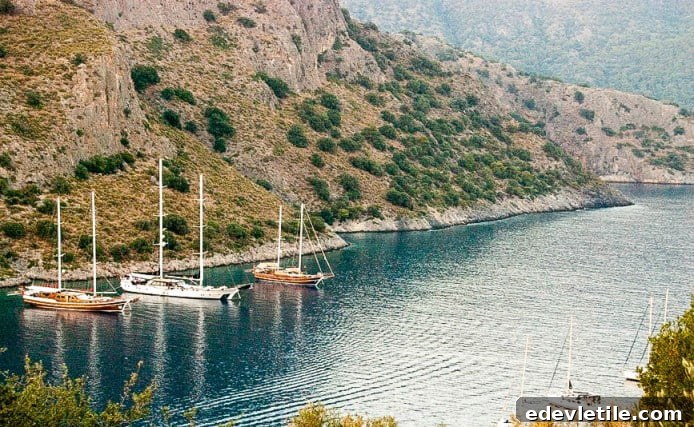
Gulet cruises along the Turkish Riviera offer a different kind of lodging: sleep on board a traditional wooden sailing yacht and wake each day in a new cove. A multi-day gulet trip from Fethiye to Olympos, for example, combines sailing, swimming, and locally sourced meals—often freshly caught fish prepared on deck. Guests enjoy nights under the stars, mornings with marine life nearby, and the freedom to explore secluded beaches and bays.
For travelers seeking an intimate, mobile, and scenic hotel experience, gulet cruises provide a memorable alternative to land-based accommodation and remain a top recommendation for unusual stays in Turkey.