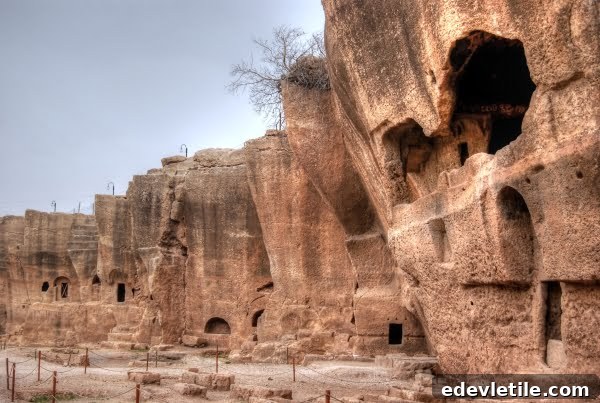
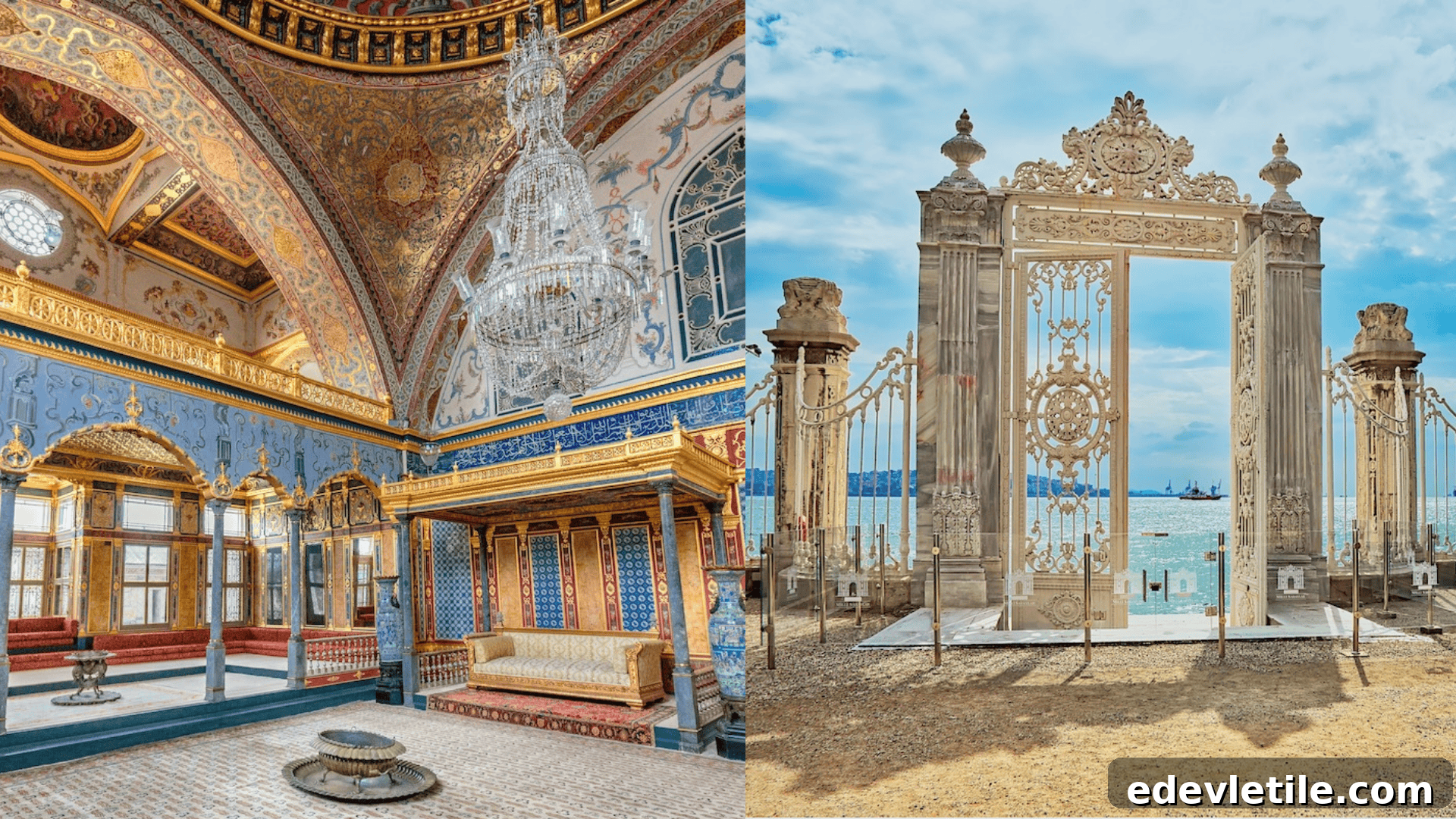
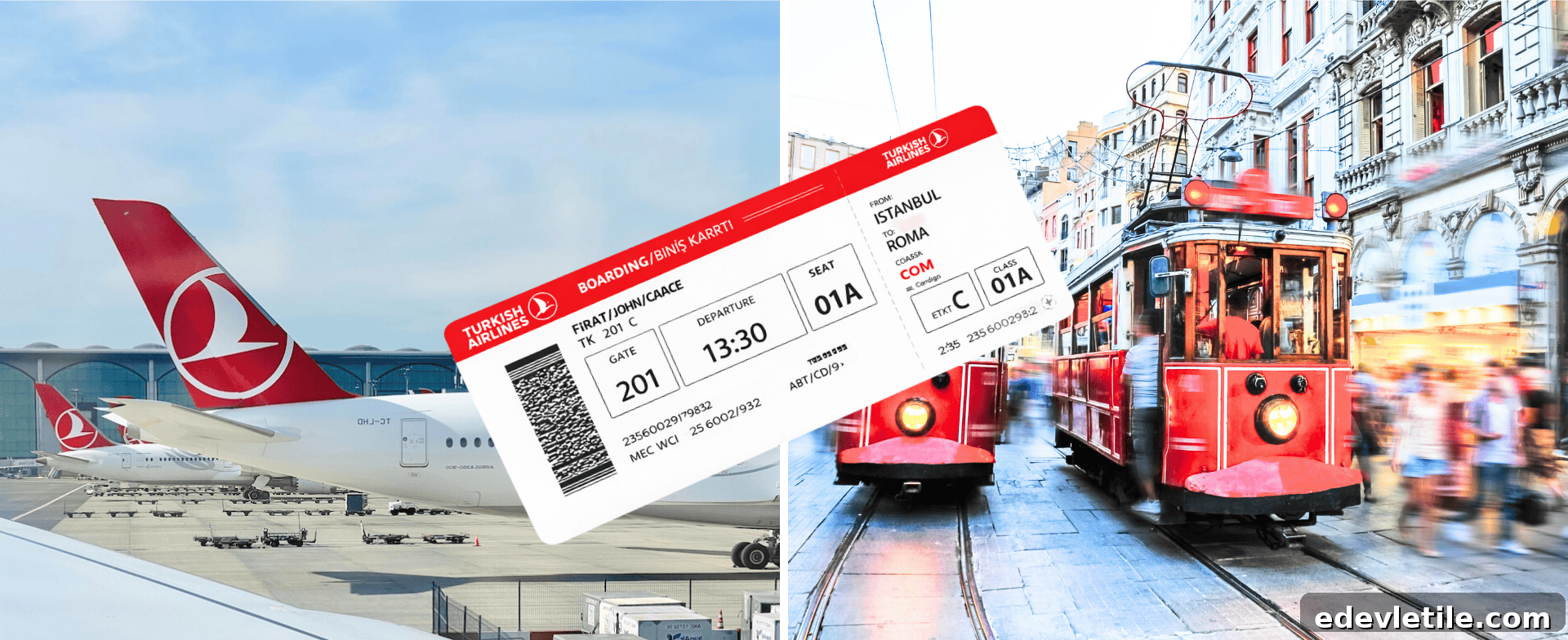
Summer Travel Guide: Tips for Visiting Turkey This Season
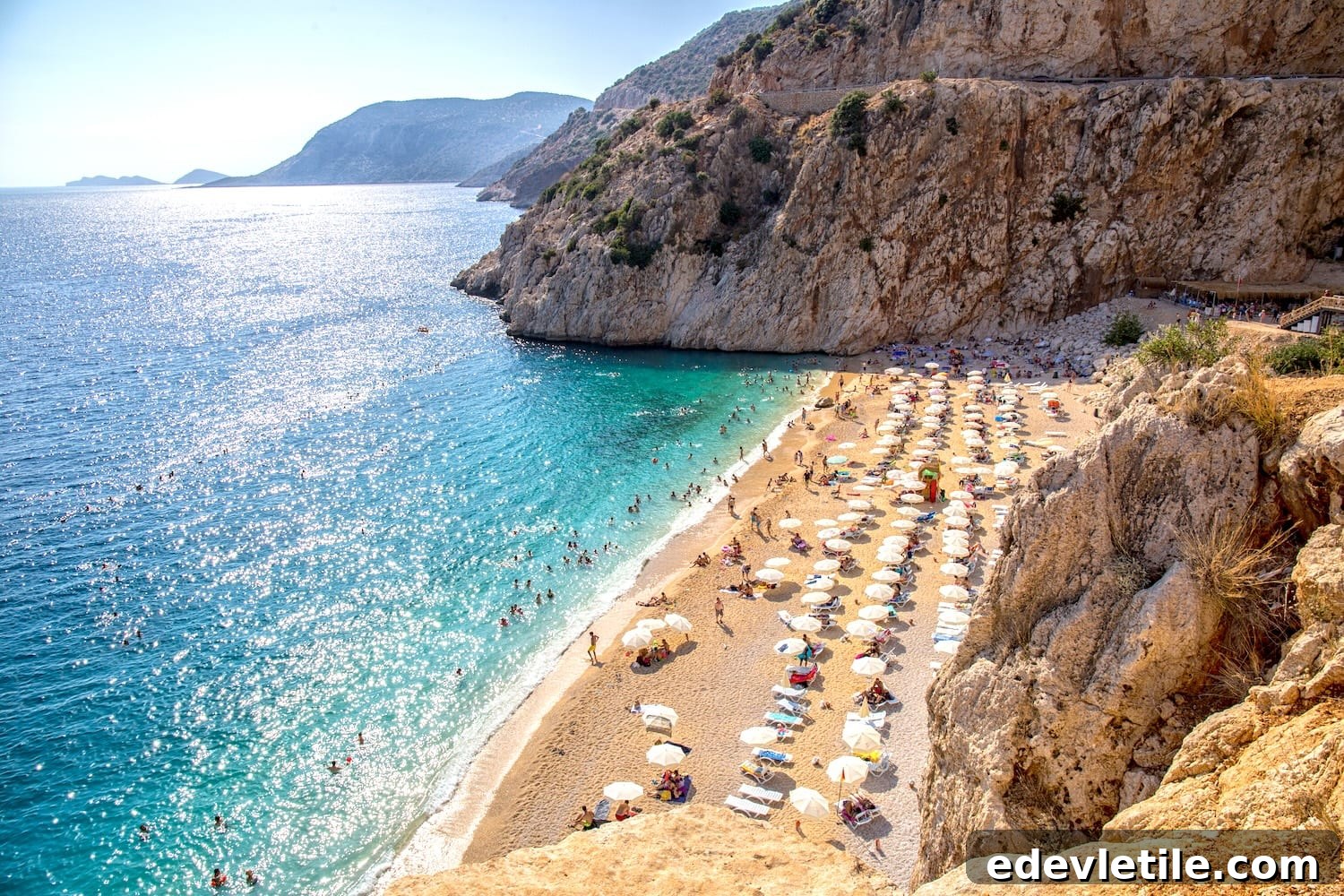
From tranquil Aegean beaches and cool Black Sea plateaus to moonlit Bosphorus cruises, lively coastal towns, and open-air concerts under starlit skies, summer in Turkey feels magical.
After a first visit many travelers fall in love with the country.
Having spent several summers across Turkey, we can confidently say the season is one of the best times to experience the country. It can be very warm in places like Antalya or inland cities, but a scoop of dondurma or a dip in the sea quickly cools you down.
If you’re planning a trip in July or August, this guide covers what to expect, where to go, and how to make the most of Turkey in summer — from top beaches and family-friendly destinations to festivals and cooler hideaways.
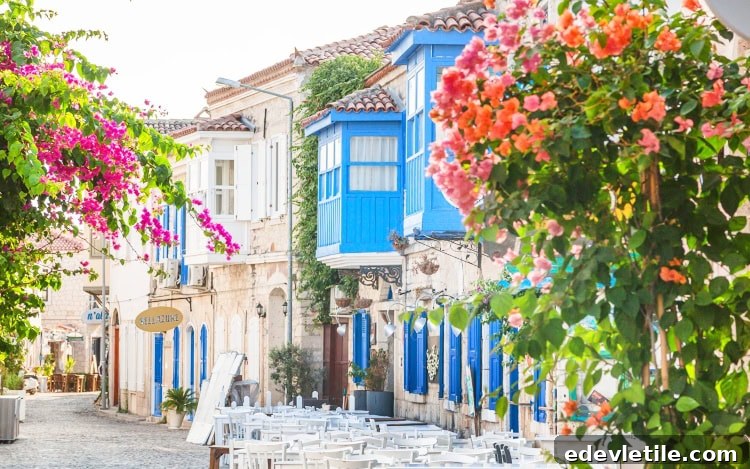
Summer Weather in Turkey: What to Know Before Your Trip
When is summer in Turkey?
Summer in Turkey runs from June through August. These months bring the most sunshine, the warmest temperatures, and the highest number of visitors, especially along the coast.
How hot does it get in Turkey?
Turkey’s varied geography — spanning coastlines, mountains, and high plateaus — means summer temperatures differ widely by region.
Coastal destinations like Antalya commonly reach the mid-30s °C (around 95°F) during July and August. Southeastern cities such as Şanlıurfa, Adana, and Diyarbakır regularly climb into the low to mid 40s °C (104–113°F). In contrast, eastern highlands such as Artvin or Erzurum enjoy much cooler evenings, often around 20°C (68°F) even in midsummer.
Pack lightweight summer clothing and sun protection, and include a light jacket if your itinerary includes higher elevations or inland nights.
Does it rain in Turkey in summer?
Generally, summer is dry across most of Turkey, particularly along the Aegean and Mediterranean coasts. Occasional thunderstorms can appear in mountainous or Black Sea areas, which remain greener and more humid than the rest of the country.
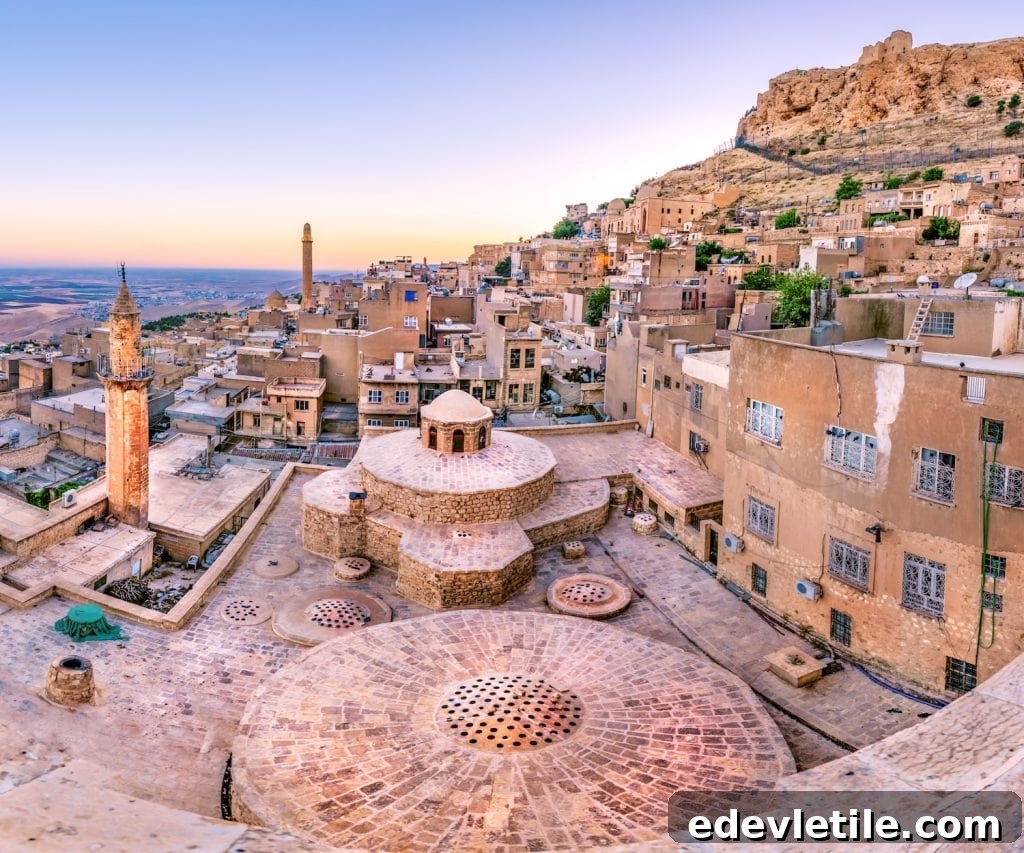
Weather in Turkey by Month
A quick summary of summer temperatures by month for popular destinations. Values reflect typical daily maximum, daily average, and daily minimum.
| June | July | August | |
| Istanbul | 25.7 °C (78 °F) 21 °C (70 °F) 17.5 °C (63.5 °F) |
28 °C (82.5 °F) 23.7 °C (75 °F) 20.3 °C (69 °F) |
28 °C (83 °F) 24 °C (75.6 °F) 21 °C (70 °F) |
| Antalya | 31.6 °C (89 °F) 25.5 °C (78 °F) 20 °C (68 °F) |
35 °C (95 °F) 29 °C (84 °F) 23 °C (74 °F) |
35 °C (95 °F) 29 °C (84 °F) 24 °C (75 °F) |
| Izmir | 31 °C (88 °F) 26 °C (79 °F) 21 °C (70 °F) |
34 °C (93 °F) 29 °C (84 °F) 23.5 °C (74 °F) |
34 °C (93 °F) 28.5 °C (84 °F) 24 °C (75 °F) |
| Cappadocia | 25.5 °C (78 °F) 19 °C (66 °F) 12.3 °C (54 °F) |
29 °C (85 °F) 22 °C (72 °F) 15 °C (58 °F) |
29.5 °C (85 °F) 22 °C (72 °F) 15 °C (58 °F) |
Pros & Cons of Visiting Turkey in the Summer
Here are the main advantages and drawbacks of traveling to Turkey during the summer months to help you decide.
| PROS | CONS |
|---|---|
| ☀️ Beach season in full swing. Coastal towns from Çeşme to Kaş are lively and welcoming.
☀️ Long daylight hours mean more time for sightseeing and outdoor dining. ☀️ Festivals and events are frequent: music, film, and cultural gatherings flourish in summer. ☀️ Water activities everywhere — sailing, diving, paragliding, and day cruises are widely available. ☀️ Fresh seasonal produce including cherries, figs, watermelon, and roasted corn. |
📍 Peak season raises prices: Accommodation and some services cost more in July and August.
📍 Intense heat in inland and southeastern regions. 📍 Crowds: Popular beaches and cities can be busy; book accommodation, tours, and ferries early. |
Practical Summer Travel Tips
Book accommodation with reliable air conditioning — not all budget options include good AC, so read descriptions and reviews carefully.
Stay hydrated — carry a water bottle and drink regularly.
Be mindful of Ramadan if it falls in summer: some restaurants or services may operate on reduced hours outside major cities.
Wear sunscreen — exposed sites like Ephesus and Pamukkale offer little shade.
Avoid midday heat by resting between 1–4 PM and exploring in the cooler mornings and evenings.
Take advantage of long days for sunrise hikes, evening walks, and alfresco dinners.
Best Places to Visit in Turkey in the Summer
Summer in Turkey caters to every kind of traveler: beach lovers, history fans, outdoor adventurers, and foodies. Below are top destinations and why they shine in summer.
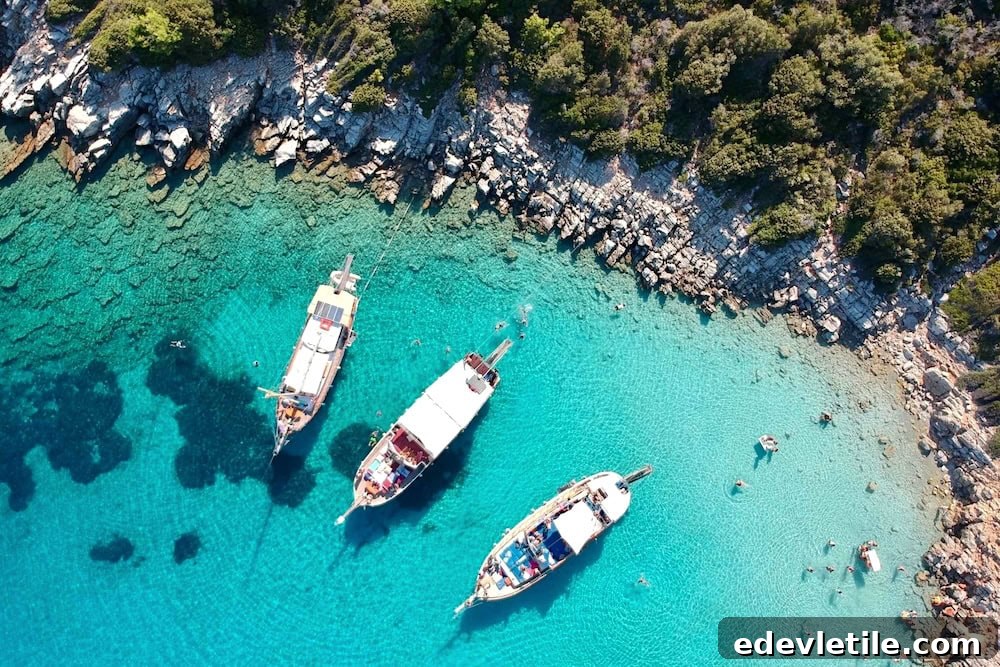
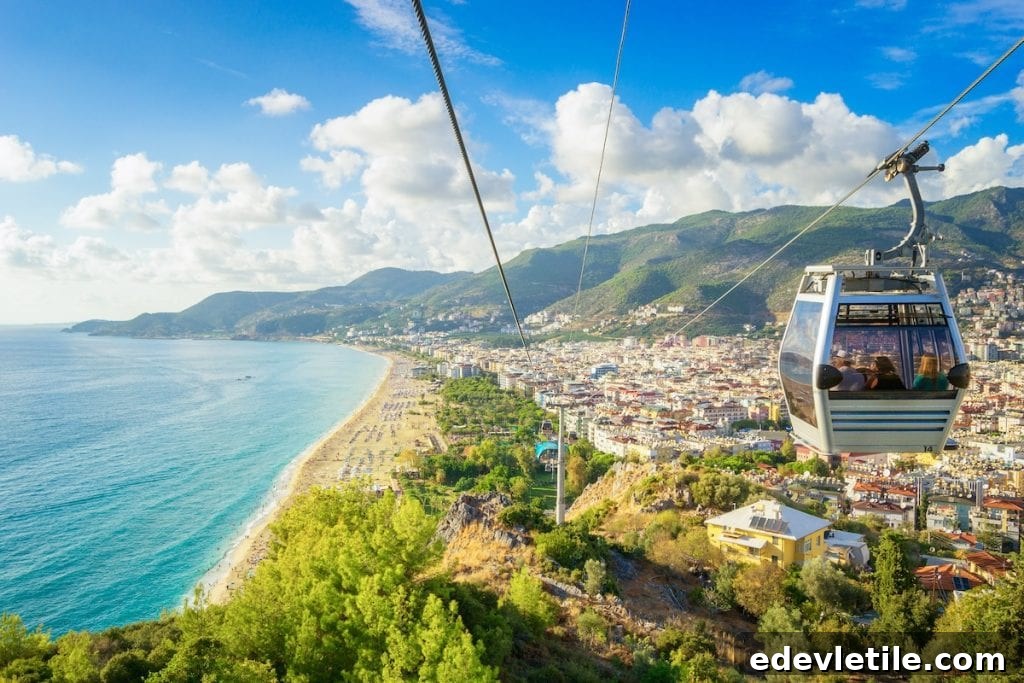
Top 5 Must-Visit Turkish Cities in Summer
1. Bodrum — Known for chic beach clubs, turquoise bays, and lively nightlife. Swim by day, enjoy rooftop cocktails and late-night music by evening.
2. Antalya — A versatile summer base with beaches, historic sites, family resorts, and easy access to the Turquoise Coast.
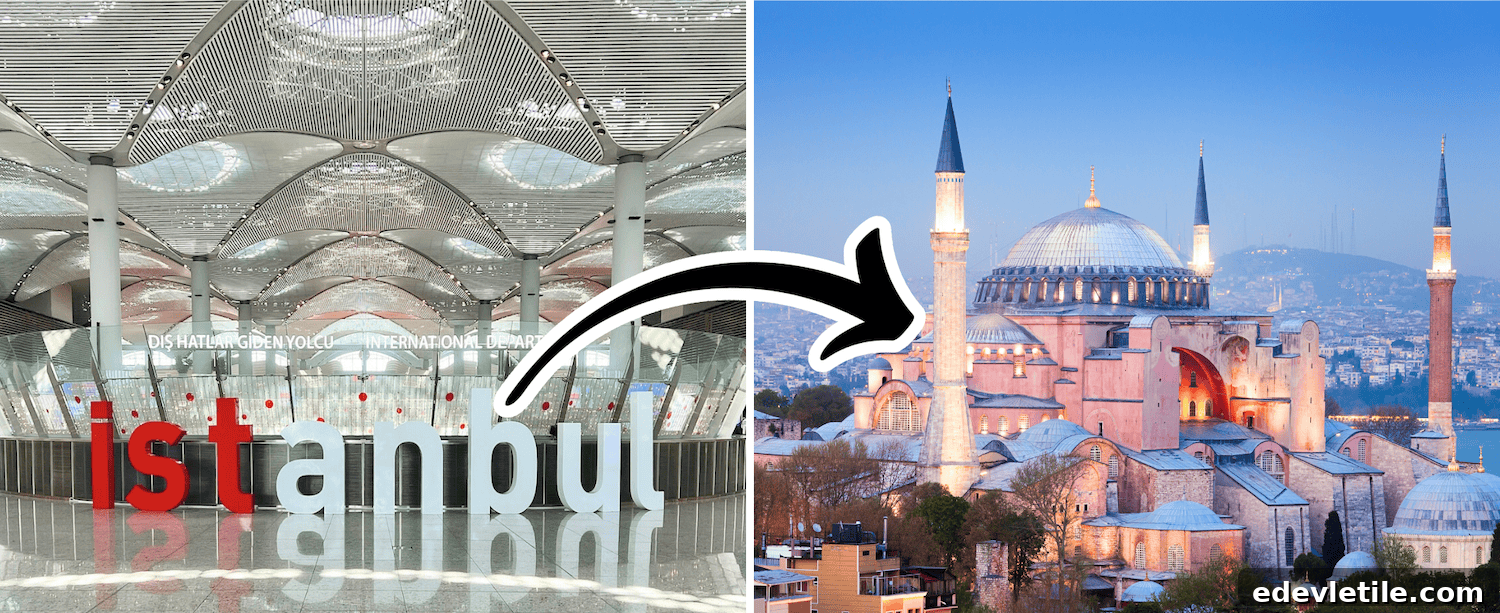
3. Istanbul — Energetic in summer with Bosphorus ferry rides, rooftop dining, concerts, and long evenings by the water.
4. İzmir — Relaxed coastal city with seaside promenades, lively evening scenes, and easy day trips to ancient sites.
5. Fethiye — A nature-focused town ideal for paragliding, boat trips to hidden bays, and hiking sections of the Lycian Way.
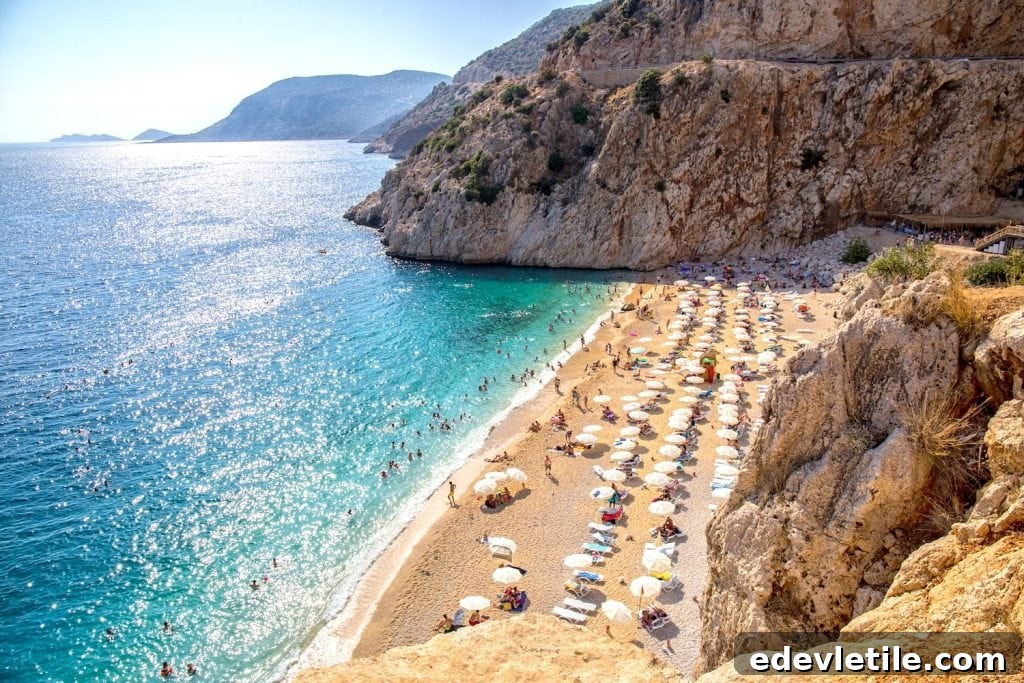
Best Beach Destinations in Turkey
Antalya — Golden sands, clear waters, cliffs, and historic sites make it a classic summer destination.
Bodrum — Glamorous marinas, beach clubs, and lively summer nights.
Çeşme — Breezy beaches and the nearby town of Alaçatı, popular for windsurfing and boutique hotels.
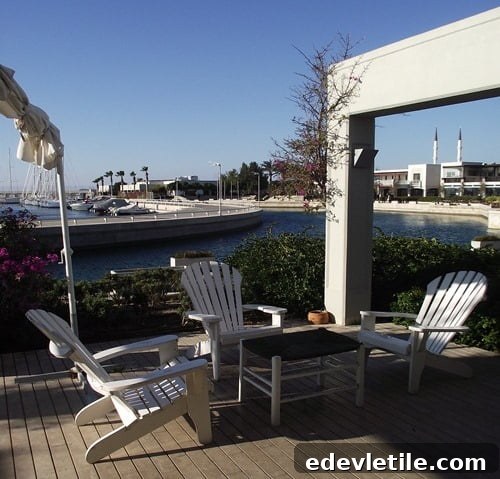
Datça — A quieter peninsula with secluded bays, olive groves, and crystal waters for those seeking peace.
Ayvalık — Charming stone houses, island views, and seafood taverns; Cunda Island is especially romantic at sunset.
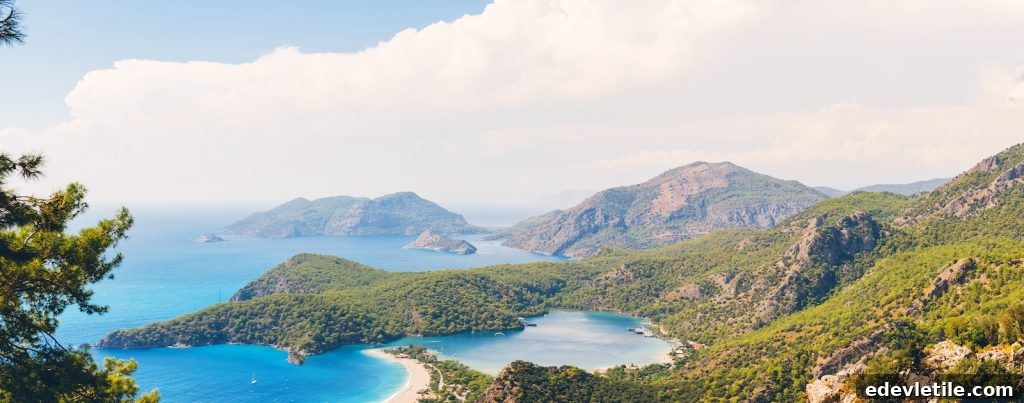
Best Family-Friendly Summer Destinations in Turkey
Antalya — All-inclusive resorts, calm beaches, and family attractions make it ideal for all ages.
Side — Quieter than Antalya, with calm beaches, ancient ruins by the sea, and family-oriented resorts.
Fethiye — Shallow beaches and boat trips to gentle coves suit families that enjoy outdoor activities.
Marmaris — Water parks, mini cruises, and family-friendly hotels create a lively family holiday scene.
Didim — Flat sandy beaches and budget-friendly accommodation with family-size options.
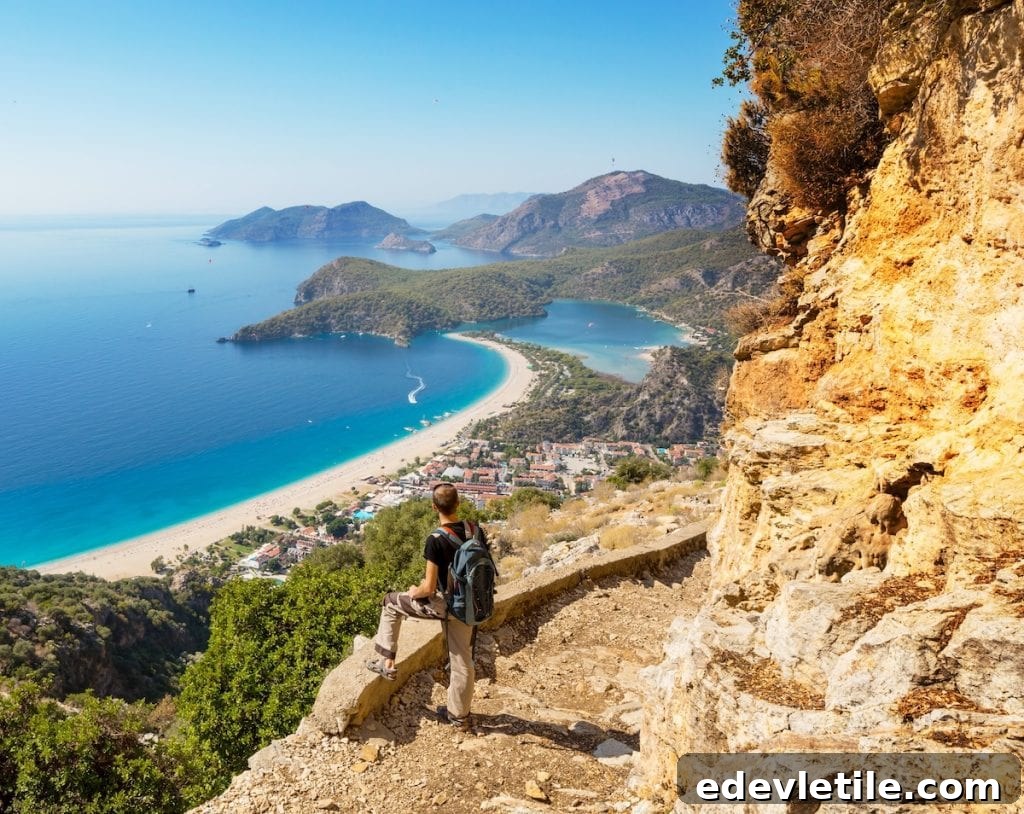
Adventure and Nature Lovers
Kaş — An adventure hub for diving, sea kayaking, and paragliding, plus relaxed evenings by the water.
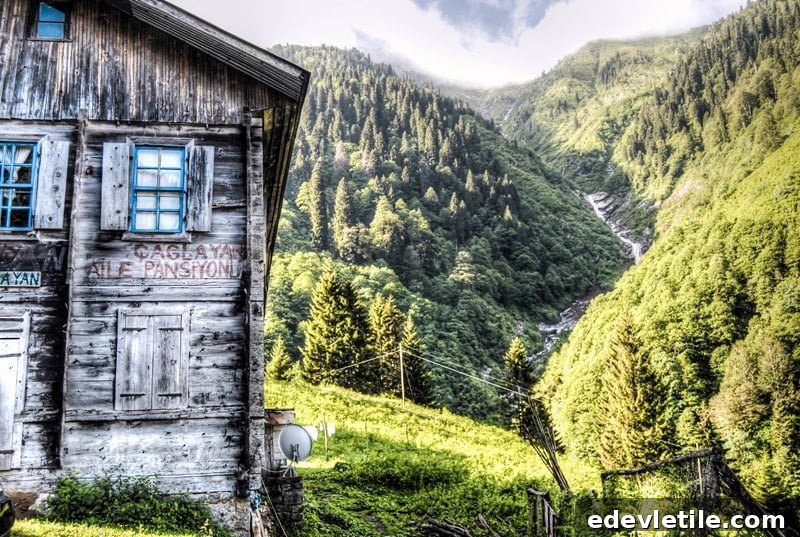
Black Sea Region — Lush highlands like Ayder Plateau and Uzungöl offer cool temperatures, forested trails, and a peaceful contrast to the coast.
Lake Van — Remote and scenic, Lake Van features island sites, mountain views, and unique local culture for road-trippers.
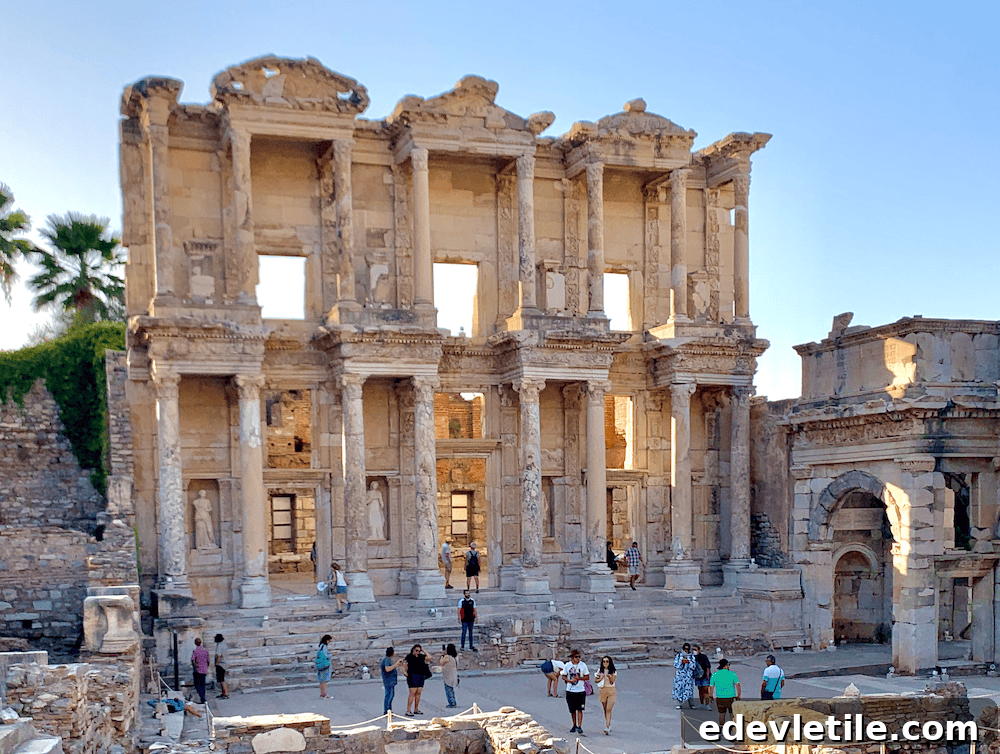
Cultural and Historic Experiences
Istanbul — A layered cultural capital where historic sites, rooftop evenings, Bosphorus ferries, and bustling bazaars come together.
Izmir — Seaside charm with access to Pergamon and Ephesus for memorable day trips.
Ephesus — One of the world’s best-preserved ancient cities, ideal for walking marble streets and visiting the Library of Celsus and the Great Theater.
Amasya — A riverside town with Ottoman mansions and mountain tombs, offering a quieter cultural experience.
Cappadocia — Surreal landscapes, cave churches, and underground cities; summer often brings reliable conditions for hot-air balloons.
Safranbolu — A well-preserved Ottoman town with cobbled lanes and historic houses, perfect for a cultural detour.
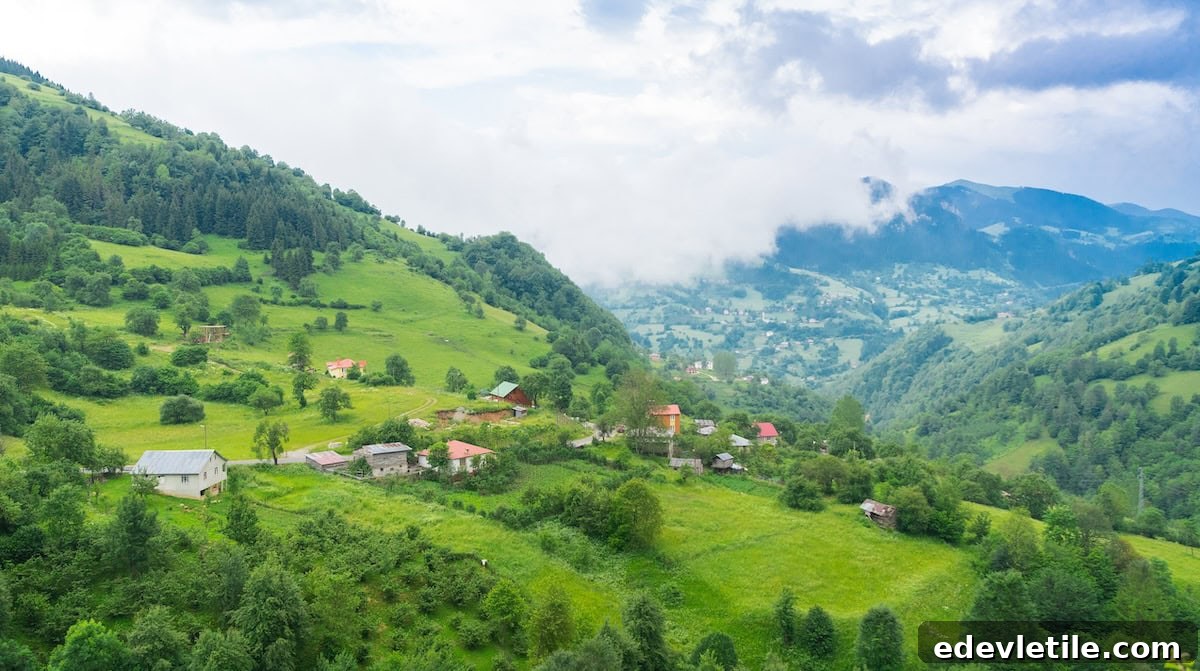
Coldest Cities in Turkey During Summer
Ayder Plateau & Uzungöl — High-altitude Black Sea retreats with cool air, pine forests, and wooden guesthouses.
Mount Ararat region — Alpine landscapes, stargazing, and cool summer hiking conditions.
Kars — Elevated eastern city with brisk summers, historic ruins, and unique regional cuisine.
What to Do in Turkey in Summer
Summer activities span from relaxing beach days to active adventures, cultural festivals, scenic road trips, and island escapes.
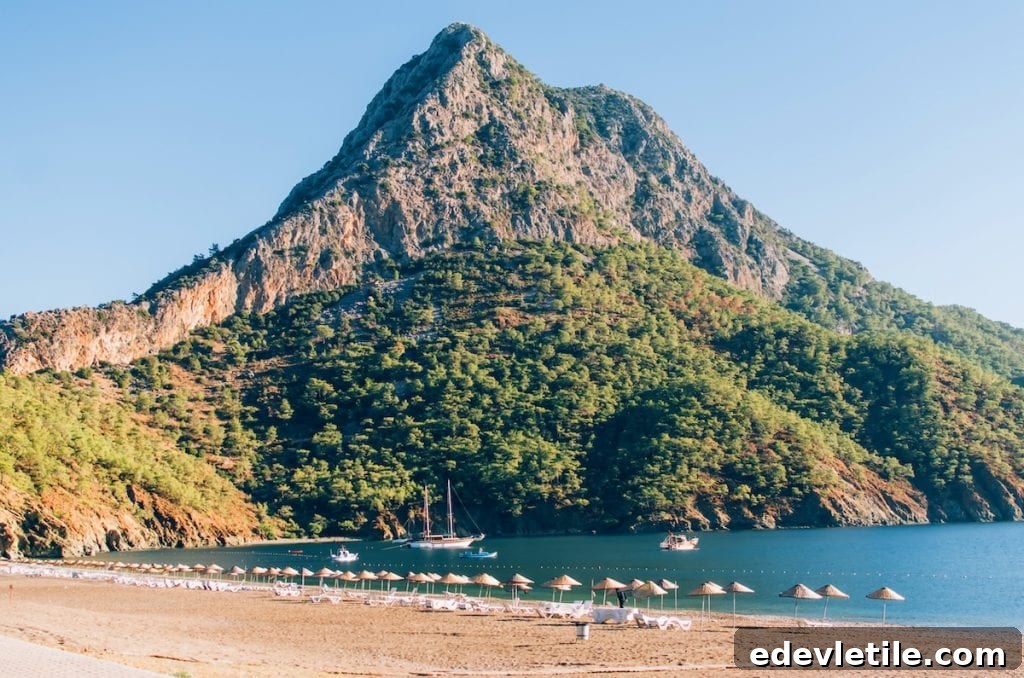
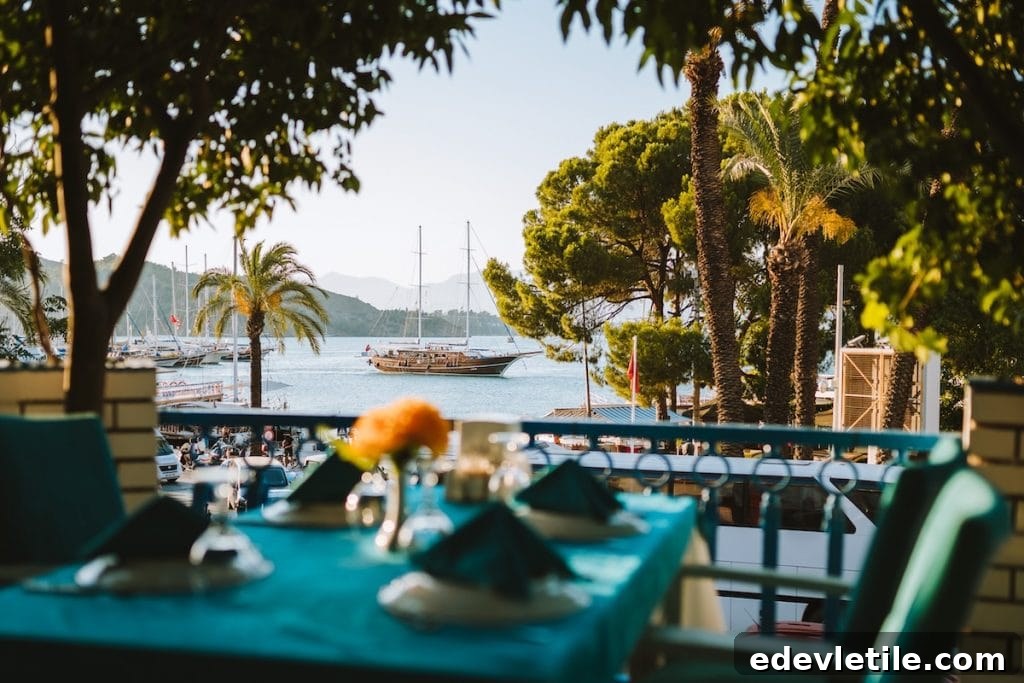
Explore coastal beaches and resorts — Relax on Antalya’s sands, snorkel in Fethiye’s bays, or enjoy the beach club scene in Çeşme and Bodrum.
Sail the Turkish Riviera — Multi-day gulet cruises from Göcek, Marmaris, or Bodrum visit pine-fringed coves, ancient ruins, and quiet fishing villages. Day trips are also widely available.
Road trips along the Turquoise Coast — Drive from Antalya toward İzmir with stops in Kaş, Kalkan, Patara, Fethiye, Göcek, Dalyan, and Bodrum for a scenic coastal adventure.
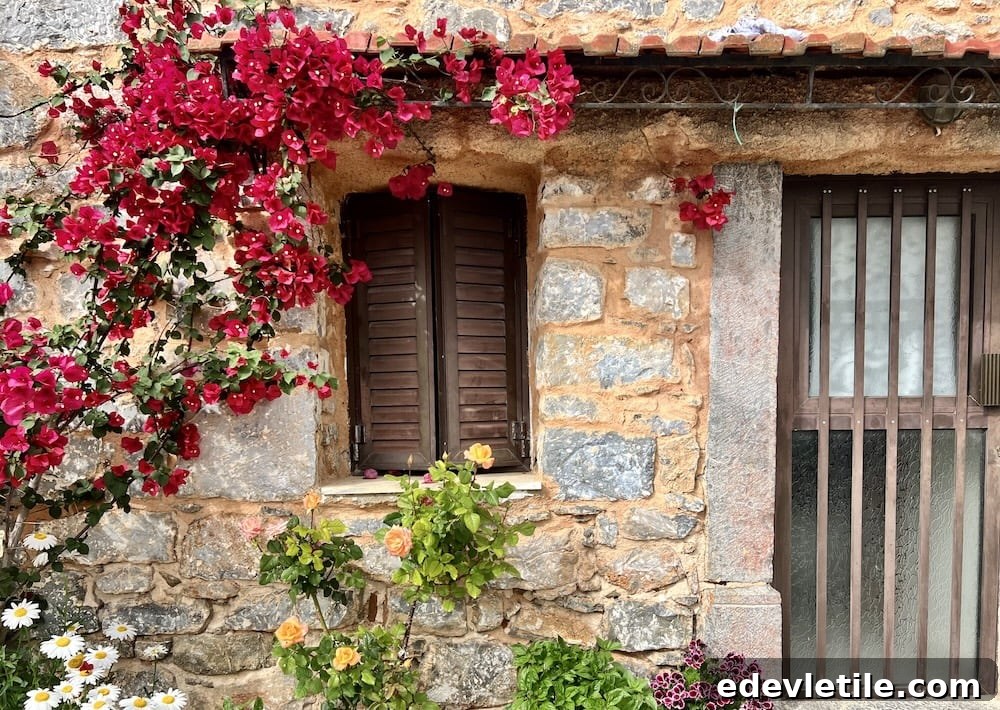
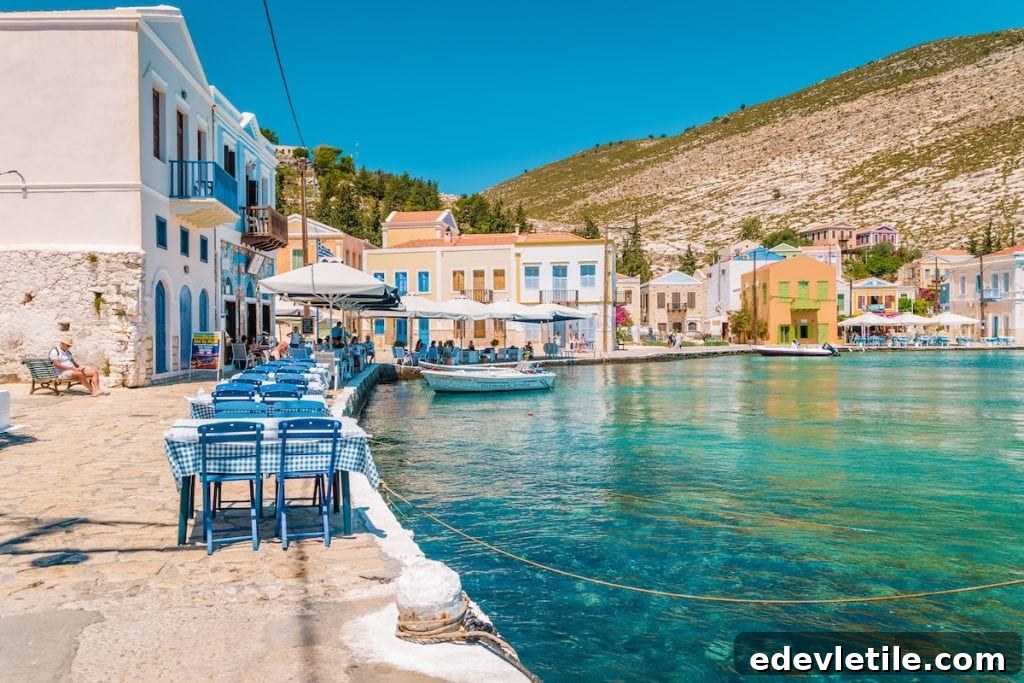
Island hopping — Short ferry crossings connect Turkish ports with nearby Greek islands, offering easy day trips or overnight stays. Carry your passport and check schedules in advance.
Paragliding in Ölüdeniz — Take off from Babadağ Mountain for clear, scenic flights over the blue lagoon.
Attend festivals and summer events — Open-air concerts, film festivals, local fairs, and food markets populate the summer calendar across cities and towns.
Swim in Lake Salda — Known for its striking turquoise waters and white shores, Lake Salda is a popular summer destination for photography and relaxation in designated swimming areas.
Bosphorus ferry rides — A slow ferry along the Bosphorus offers cooling breezes and scenic views; full-day tours reach Anadolu Kavağı, while shorter crossings serve the Prince Islands for a traffic-free island day trip.
Summer in Turkey — FAQs
How hot is summer in Turkey?
Coastal areas often reach the mid-30s °C (90s °F). Southeastern regions can exceed 40°C (104°F). The Black Sea and eastern highlands remain cooler.
What is the summer capital of Turkey?
Many consider Bodrum an unofficial “summer capital” due to its beach clubs and nightlife, though places like Çeşme and Antalya are equally popular depending on the vibe you want.
How long is summer in Turkey?
Summer typically runs from early June to late September, with beach weather often lasting into October along the Aegean and Mediterranean coasts.
When is summer in Turkey?
June through August is peak summer, with September providing warm weather and fewer crowds for shoulder-season travel.
Where is the best place to visit in Turkey in summer?
For beaches: Kaş, Fethiye, Çeşme. For cool air: Black Sea highlands or Lake Van. For variety: Istanbul offers events, nightlife, and cultural sites.
Is it crowded in Turkey during summer?
Yes — July and August are busy. Consider booking early or visiting less-crowded spots like Datça or Amasra.
Can you swim in the sea in Turkey in summer?
Yes — July through late September usually offers warm, swim-friendly waters.
What should I pack for summer in Turkey?
Light clothing, swimwear, sandals, sunscreen, sunglasses, a sun hat, and a light layer for cooler nights or mountain areas. Pack a scarf if you plan to visit religious sites.