Iasos: Exploring the Ancient, Lesser-Known City Near Bodrum, Turkey
For those seeking quiet historical charm rather than fame, Iasos in Bodrum is one of Turkey’s modest but rewarding archaeological sites. Often reduced to a brief mention in guidebooks and travel sites, Iasos is nevertheless cherished by locals on the Bodrum peninsula. Archaeologists acknowledge it has not received the attention its history deserves, yet visitors who come discover a peaceful, evocative place.
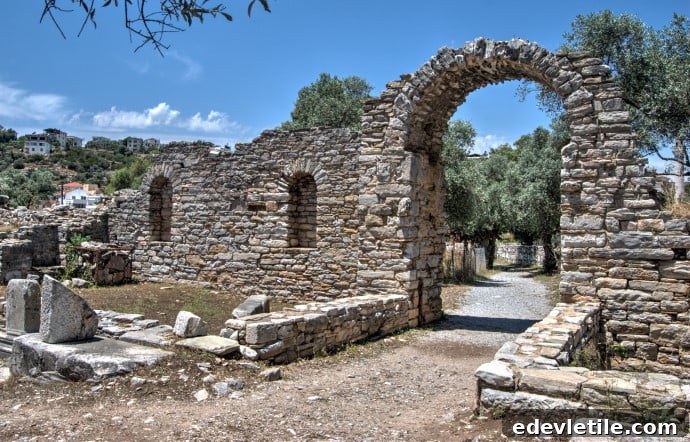
My first attempt to find Iasos back in 2010 ended in a wrong turn and an unexpected stop in the middle of a mining quarry, wondering what the rental company would think of the detour. Curiosity lingered, and during a painting holiday in Bodrum in 2015 I returned to finally explore the site.
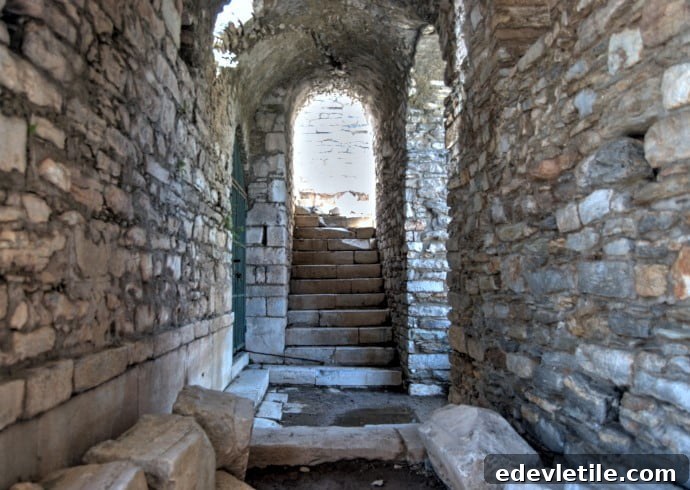
The painting trip included a day at Iasos. While others set up sketch pads and pencils to capture the ruins, I found myself relying on a camera. A short drive through the peninsula and a traditional village brought us to the entrance. The light, the stones, and the sea made for excellent reference material whether you draw or photograph.
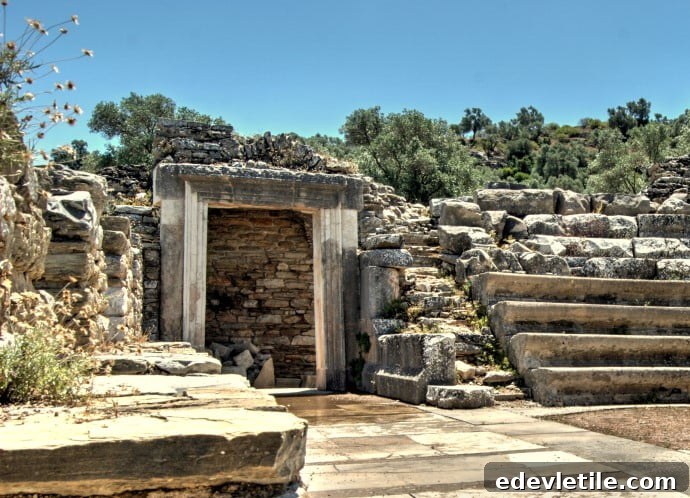
About Iasos in Bodrum – Turkey
Iasos is an ancient Carian city with a layered history. Caria was a Greek-speaking region that covered much of what is now Turkey’s Aegean and Mediterranean coastlines between the 11th and 6th centuries B.C. Located near the modern village of Kıyıkışlacık, Iasos was originally an island and became a member of the Delian League in around 468 B.C., an alliance formed to resist Persian expansion.
The city’s strategic position on the Aegean made it a frequent prize in regional conflicts. It endured Spartan incursions, later came under Alexander the Great during his campaigns in the 4th century B.C., and passed through the control of Hellenistic rulers and Roman authorities. Over the centuries Iasos fell within the Byzantine sphere and, by the 15th century, the area had been largely abandoned before Ottoman control was established. Its harbour and coastal location made it strategically valuable to each power that held the region.
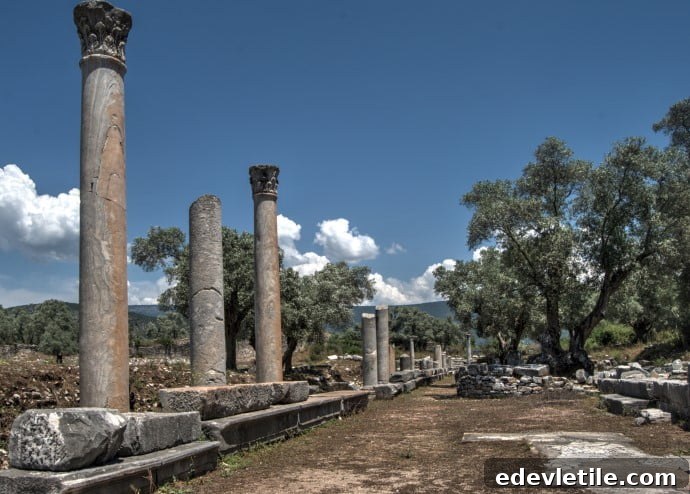
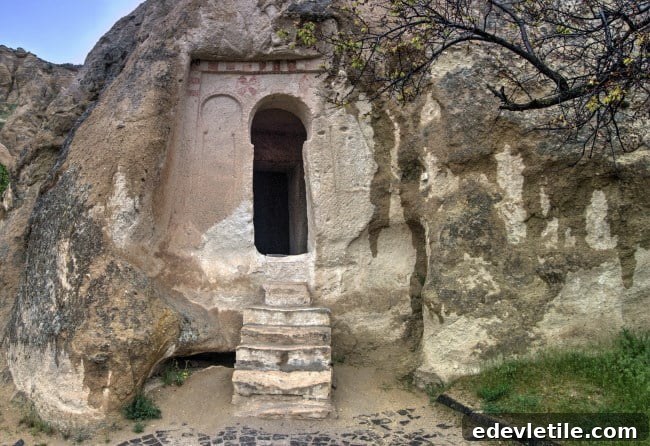
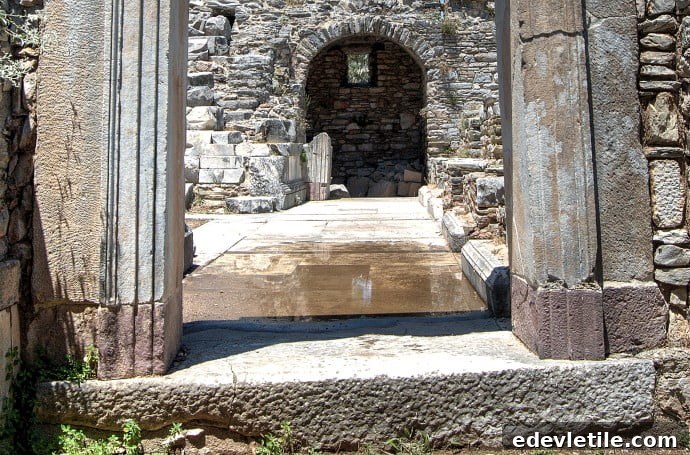
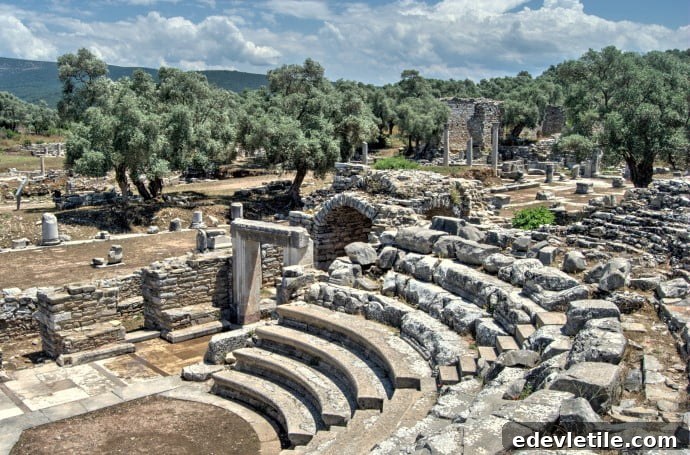
Excavations began in the 19th century, with Italian teams digging in the 1830s and later archaeological work uncovering the remains visible today. The site includes a theatre, an aqueduct, an agora, the east gate, and a temple among other finds. While Iasos may not match the scale of larger sites like Ephesus, its intimate setting and well-preserved features make it a rewarding visit for people interested in ancient urban layouts and coastal settlements.
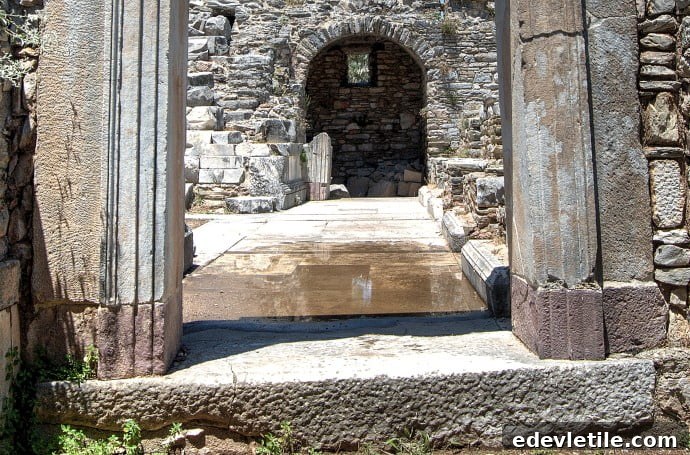
Beyond ruins, the area offers a pleasant, unhurried atmosphere. The compact site is easy to wander at a relaxed pace, and the surrounding village and shoreline provide additional points of interest for photographers and artists. The combination of historic stonework and coastal scenery gives Iasos a distinctive character worth exploring.
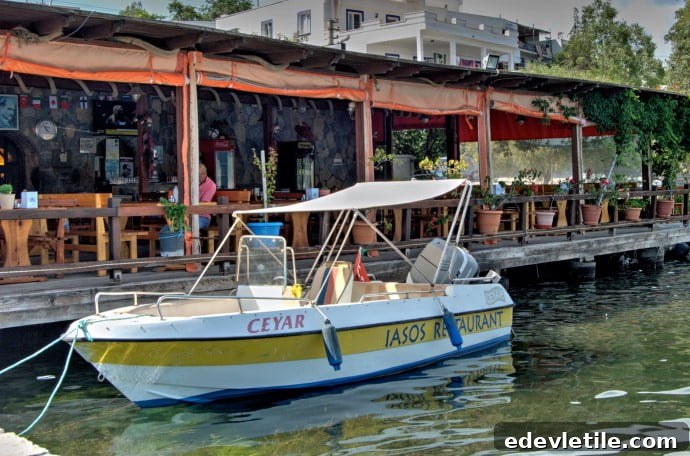
Aegean Dining at Iasos
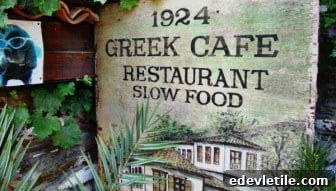
After visiting the ruins, many stop at Ceyar Restaurant, only a few minutes’ walk from the site, to enjoy Aegean and Mediterranean cuisine. The menu emphasizes fresh fish, seafood, and salads, typically served in a relaxed seaside setting. Locals and visitors alike praise the quality and freshness of the food, making it a fitting end to a day of exploration.
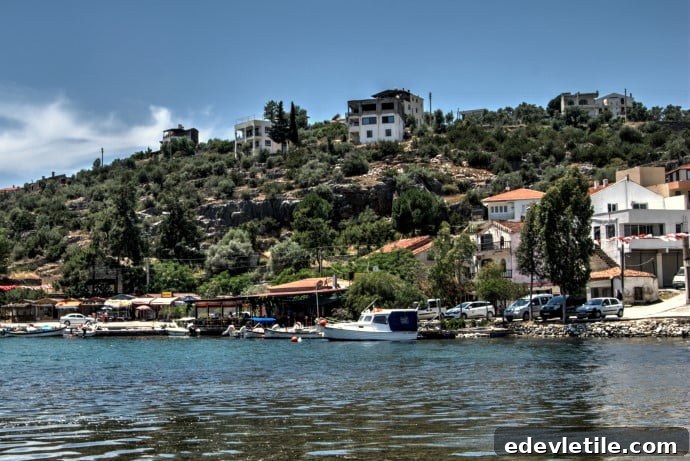
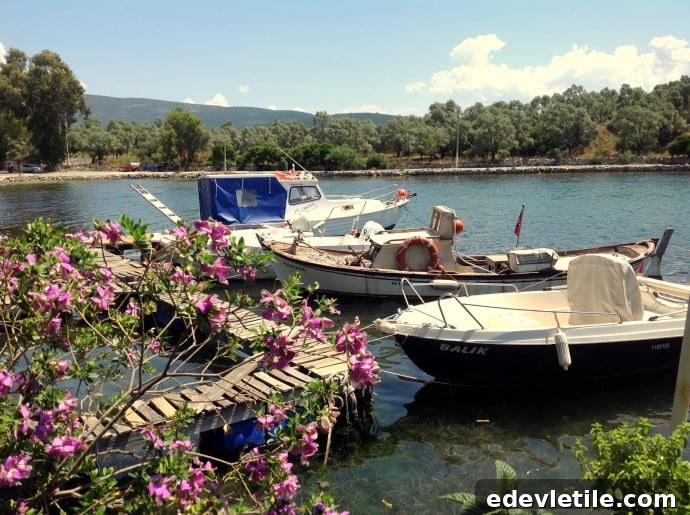
A stroll along the coast past traditional houses and moored boats offers plenty of inspiration for photographers, painters, and sketch artists. Whether you come for history, art, or a good meal by the sea, a day at Iasos near Bodrum brings together archaeology, creative inspiration, and Aegean flavors in a peaceful setting.