Ağuz: Traditional Turkish Colostrum Dessert Made from Cow’s First Milk
Turkish cooks are famously resourceful with food: nothing is wasted and nearly every part of an animal or plant finds a use. Dishes that once sounded odd to me are now familiar. For example, reading “brain soup” on a menu no longer makes me laugh, and one of my favourite dishes in Urfa was dalak, lamb’s spleen.
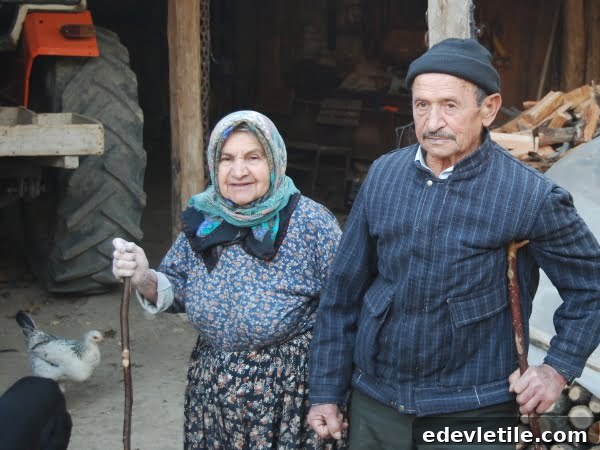
On a visit to the Beypazarı region near Ankara I discovered another unfamiliar delicacy: aguz. A local farmer and his wife offered it to me, and the experience stuck in my memory.
What is Aguz?
Aguz is a traditional dairy product made from colostrum, the nutrient-rich first milk produced by a cow immediately after calving. I had never been involved with livestock births before, so I was unfamiliar with colostrum’s culinary uses. My husband had never heard of aguz either, so I researched local sources and traditional food sites to learn more.
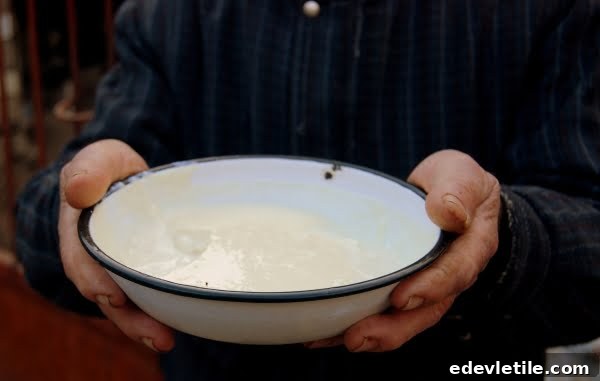
Information about aguz is scarce online, which suggests it is a regional specialty tied to the timing of a cow’s birth. The clearest description I found explains that the dish dates back to Ottoman times and is prepared from colostrum collected within the first three days after calving. The colostrum is strained, lightly salted, placed in a vessel, covered, and then lowered into boiling water to thicken. It is checked frequently, removed from the heat once set, and left to cool overnight. The solidified product—aguz—is often eaten with sugar.
Colostrum: use and controversy
Colostrum has long been prized for its nutritional and immune-supporting properties. Historically it was used to help fight infection and build resilience before modern antibiotics, and today some athletes use bovine colostrum as a supplement. Nutritionally, colostrum is among the most concentrated types of milk produced.
There are differing opinions about consuming colostrum. Some authorities have expressed concerns about its use in food, while others dispute those claims and point to traditional practices that have included colostrum-based dishes for generations. Colostrum-based preparations are not unique to Turkey: variations appear in Indian and Icelandic cuisines as well.
My experience tasting Aguz
I enjoyed aguz. Its texture and flavour reminded me of rice pudding without the rice: smooth, white, and mildly flavored. Locals typically sprinkle sugar on top, which enhances its sweetness. I was encouraged to taste it before I was told what it was, and I would have tried it either way—I’ve always believed in sampling local foods at least once.
Aguz is rare in everyday Turkish eating; after living in Turkey for 11 years I had not encountered it before, and I may never come across it again. Still, the circumstances of that tasting made it memorable.
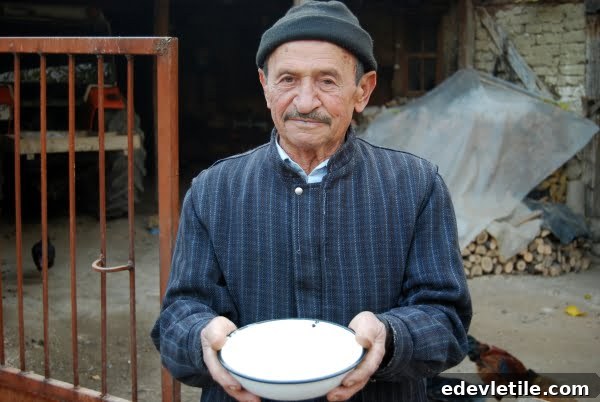
We were in the village of Dudaş in the Beypazarı area and gave a local farmer a lift to his home. About half an hour later we returned down the same road and found him waiting at his gate with a bowl of aguz and three spoons. He had been hoping to share it with us. Turkish hospitality never ceases to impress me.
That spontaneous invitation reinforced how much remains to be explored in Turkey. New dishes and encounters continue to shape my travel plans and my appreciation for regional traditions.
Readers’ question: Have you heard of aguz or tried cow colostrum in food?
Anecdotes about cooking with colostrum appear in various food-writing sources. One account recalls a family tradition in which children were given a cup of colostrum in spring as a tonic; the immediate result was that they fell asleep, and the colostrum was believed to help keep them healthy throughout the year.
[wp_geo_map]