Ebru: The Turkish Art of Marbling Paper Explained
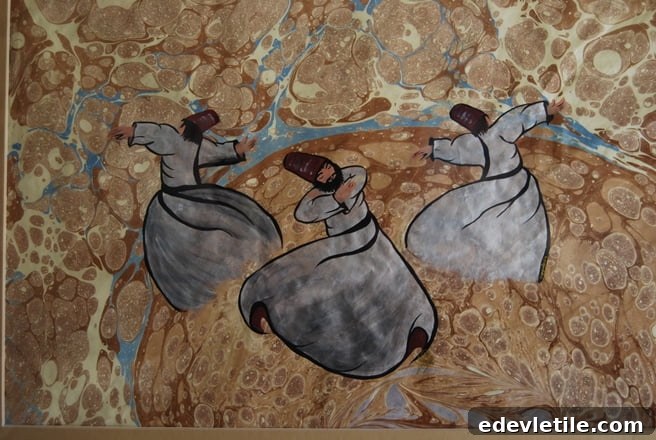
Turkey has developed rapidly over the past 15 years, prompting debate about whether modern urban growth threatens traditional culture. Such discussions are familiar to me from my upbringing in the UK, so I tend to listen more than argue. One encouraging response to these concerns is that many older generations are actively preserving traditional arts—one of which is Ebru painting, a decorative technique with roots in the Ottoman Empire.
Often called paper marbling in the West, Ebru involves floating pigments on the surface of a viscous liquid and manipulating them into patterns before laying a thin sheet of paper or fabric on top. The fiber instantly takes up the design. The idea is simple, but mastering the technique requires practice, patience, and skill.
What is Ebru Painting?
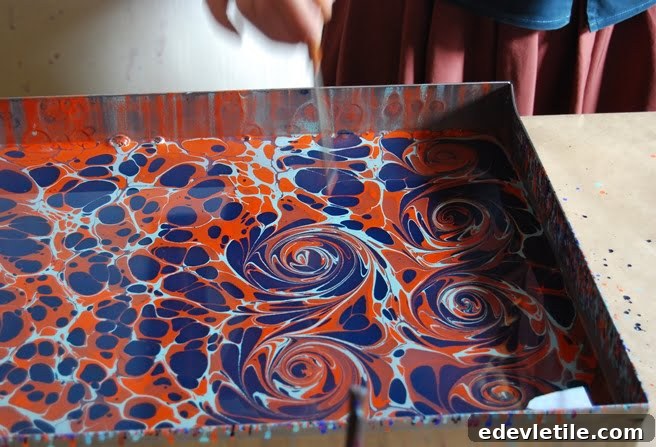
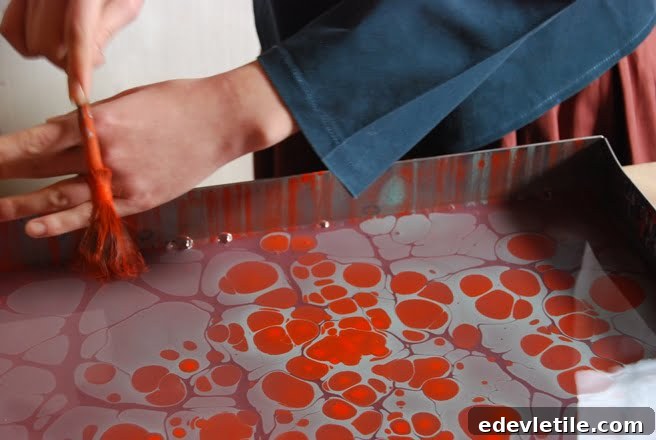
The process begins with a tray of prepared water thickened with a natural gum. Artists drop diluted pigments onto the surface, where they spread into circular forms. Using thin metal tools, combs, or brushes, the artist drags and shapes the colors into floral motifs, ripples, or abstract compositions. When the desired pattern appears, they carefully lay paper over the liquid and lift it, transferring the design. Each print is unique, and subtle variations make every piece special.
Ebru Painting in the Beypazari Region of Turkey
My first encounter with Ebru was at the Living Museum of Beypazari. A young demonstrator at a wooden desk invited visitors to watch. Historically, the most skilled Ottoman artists produced elaborate marblings, and over time the craft spread as a popular pastime. The girl worked quickly and confidently: a few swirls, a gentle placement of paper, and she produced a delicate pattern with a warm smile.
Her ease reminded me of a childhood art program and the joyful simplicity of watching someone who truly enjoys their work. When she asked if I wanted to try, I hesitated and declined, worried I would only make a mess. Later, as I left Beypazari for Cappadocia, I regretted turning down the chance—especially since it had been free. I told myself I would find another opportunity.
Ebru Painting in Cappadocia
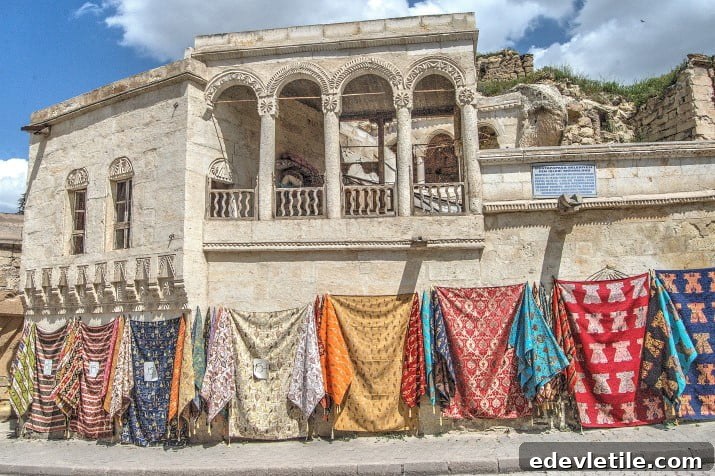
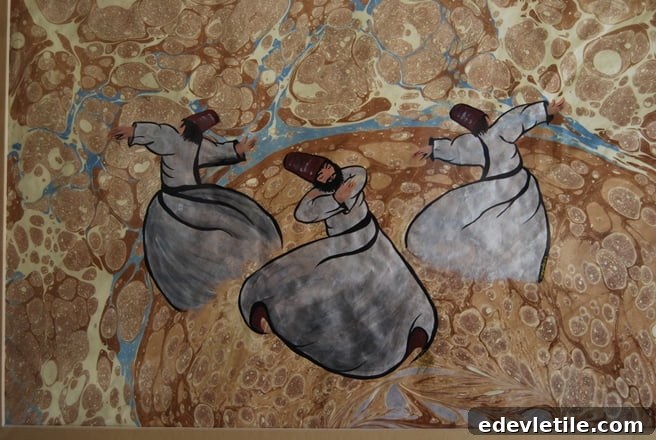
Two days later in the narrow streets of Uçhisar, Cappadocia, I found a small gallery whose works reflected Ebru technique. The owner demonstrated the method and then offered visitors the chance to try. This time I accepted, only to learn the hands-on session required payment. Preparing the materials and guiding a novice takes time, so the artist charged a fee for the workshop. My travel funds were low, so I declined, though the gallery’s finished pieces showed why lessons are valuable: they are finely made and expressive.
Authentic Ebru starts with careful preparation—the sizing of the water, the right consistency of pigments, and tools chosen to achieve specific effects. Some traditional recipes and steps can take time to prepare properly, which explains why experienced artists often teach workshops rather than offering free demonstrations.
Ebru remains on my list of things to try. I haven’t had another chance since but hope to experience it firsthand—whether through an affordable workshop or a future free demo. The craft endures because dedicated practitioners continue to teach it and showcase its beauty.
Question for Readers : Have you tried Ebru painting before?
Further Reading : For a detailed historical overview and examples of finished marbling work, look for authoritative resources on the cultural history of Ebru painting and traditional Turkish arts.