Stunning Kayseri Photos: Discover Cappadocia’s Gateway Images
I stopped in Kayseri on my way to Göreme, Cappadocia. Locals told me many Japanese and Russian visitors come through Kayseri, while relatively few British, American or Australian tourists do. Most travelers head straight to Göreme and bypass the city entirely.
That’s unfortunate, because Kayseri has a distinct character and several worthwhile sights. Because most attractions are close together, two days are enough to see the highlights.
Kayseri also attracts many business travelers, since it is a significant trading hub. When I arrived without a reservation, finding a room became difficult: many of the better hotels were already full with business guests.
If you want to experience an authentic side of Turkey, Kayseri is an excellent choice. The city supports tourism but it isn’t a manufactured seaside resort. Tourism is not the main source of income here, and many museums and sites we visited had no entrance fee. Staff did not expect tips, which felt refreshing compared with more tourist-focused destinations.
Religion is part of everyday life in Kayseri, though it isn’t aggressively promoted. Alcohol is not widely sold — I did not see restaurants or shops offering it while I was there — and mosques are common. That said, most mosques welcomed foreign visitors outside prayer times.
My Kayseri Photos
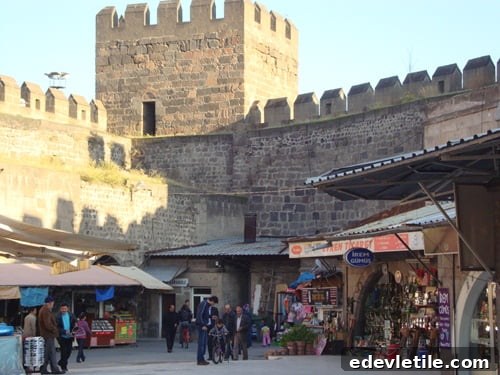
Kayseri Castle sits at the heart of the city. It functions more as a bustling marketplace than a classic tourist attraction, with traders setting up stalls inside and around it. Numerous cafés encircle the castle, making it a great spot for people-watching as a wide cross-section of the city passes by.
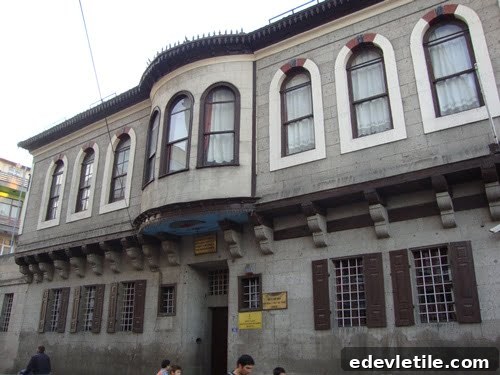
This building is presented as Atatürk’s house, but it’s important to be clear: Mustafa Kemal Atatürk visited here briefly; he did not live in the house. It was the home of a member of parliament whom Atatürk visited. For readers unfamiliar with Turkish history, Mustafa Kemal Atatürk founded the Republic of Turkey in 1923.
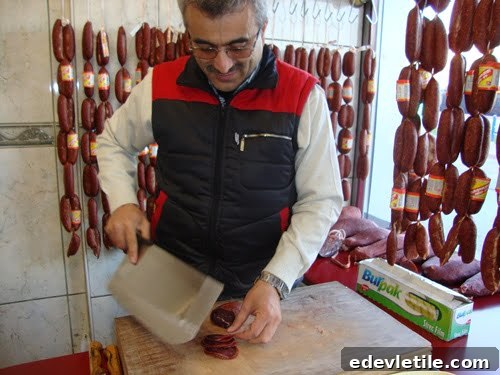
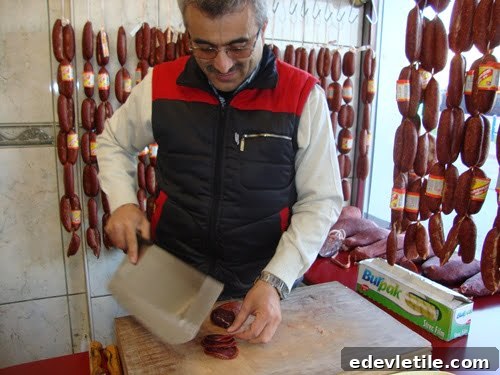
Kayseri is famous for many things, most notably pastırma. This air-dried cured meat is thinly sliced and eaten in many ways. Shops specialize in pastırma; I bought a kilogram from a friendly vendor who encouraged me to sample his stock. Be warned: the garlic flavor lingers.
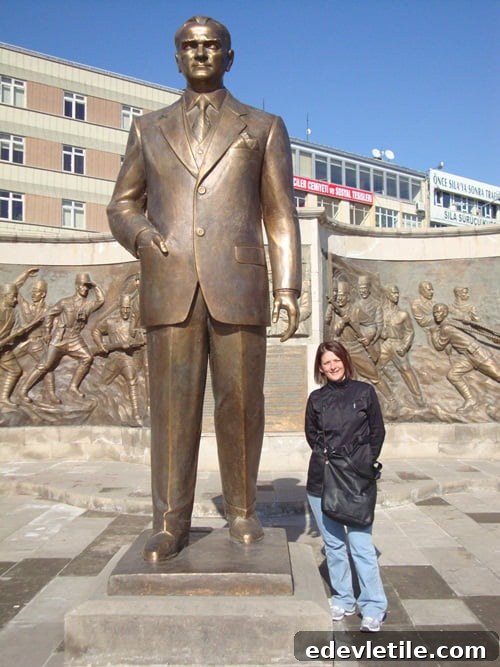
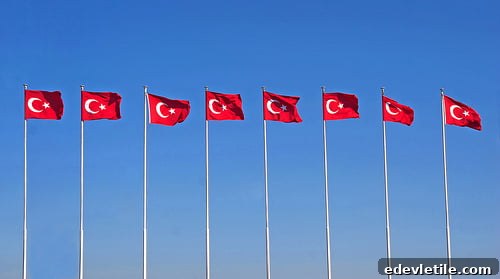
A common sight across Turkey is a statue of Atatürk. Kayseri’s public squares include statues and memorials honoring the republic’s founder.
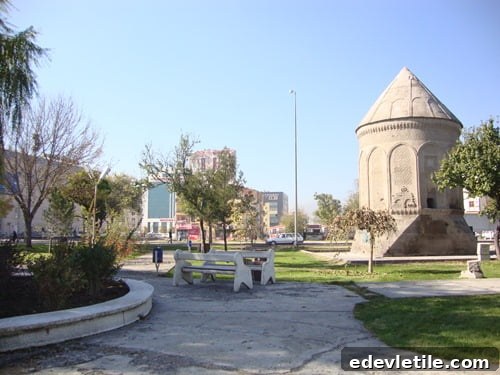
You’ll see many tombs around Kayseri. Most are locked and not open to the public; they mark the resting places of citizens who were historically wealthy or influential in the region.
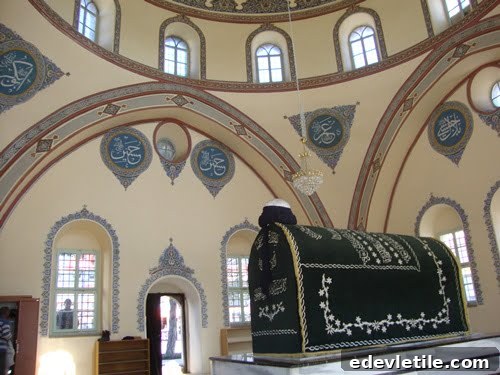
One tomb that is open is the tomb of Zeynel, a scholar who lived in Kayseri in the 1400s. Located next to the tourism office, it is easy to visit, and guides at the office can share information about Zeynel’s life and work.
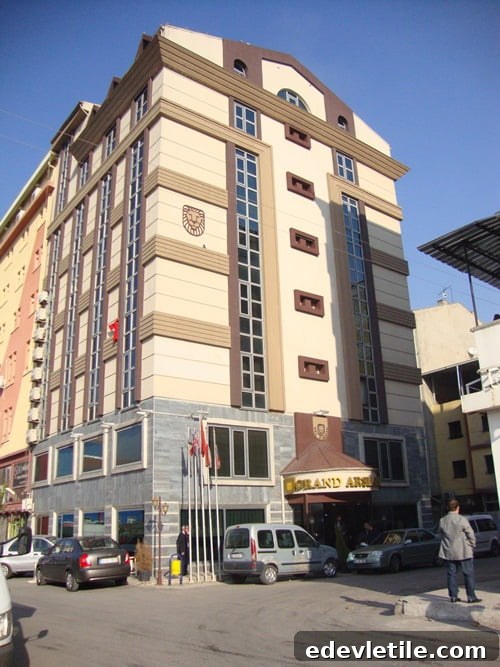
This was the hotel where we finally found a room — it was the last available one and filled mostly with business travelers. Most hotels in Kayseri are clean and modern; a decent room with breakfast typically costs around 40 TL.
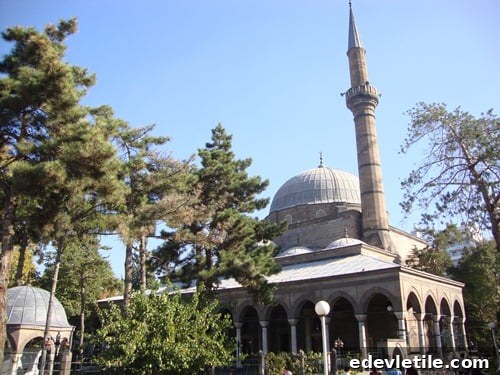
Mosques are a prominent feature of the city and are often busy. Outside prayer times, visitors of other faiths are generally welcomed to look around respectfully.
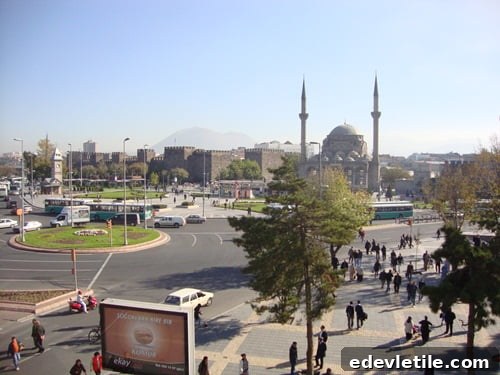
My favorite photo was taken from a café above the Hilton, showing the center of Kayseri. Two days were enough for me; the city offers a compact, authentic experience without overwhelming attractions. If you enjoy winter sports, Mount Erciyes — about 25 km away — is a popular ski and snowboard resort recommended by locals for those seeking adventure.