Istanbul Neighborhood Guide: Top Districts to Explore and Visit
Exploring Istanbul’s neighbourhoods is the best way to truly understand this remarkable city. On my first visit to Turkey I soon realised that, despite knowing Istanbul as the country’s largest and most-visited city, its intensity and scale are hard to grasp until you walk its streets. As the former seat of the Byzantine and Ottoman empires, Istanbul is layered with history, yet it also pulses with a modern, evolving city life. Touring local quarters has become a popular travel activity, with guided walking tours widely available to help visitors discover lesser-known corners.
I have read many books about Istanbul and returned several times, yet I have seen only a fraction of what the city offers. To appreciate Istanbul fully would take months, if not a year living there, because each neighbourhood has its own character. Some are commercial centres, others fashionable districts, artistic enclaves or nightlife hubs. Below are nine neighbourhoods I recommend exploring to get a broad sense of the city.
9 of the Best Neighbourhoods of Istanbul
1: Historical Old City — Sultanahmet
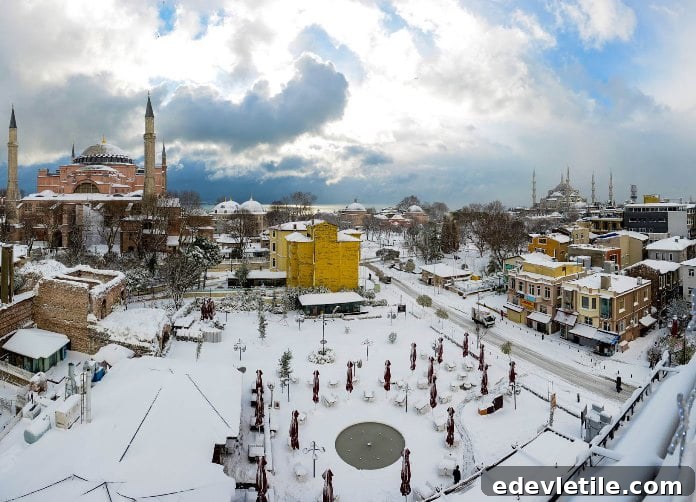
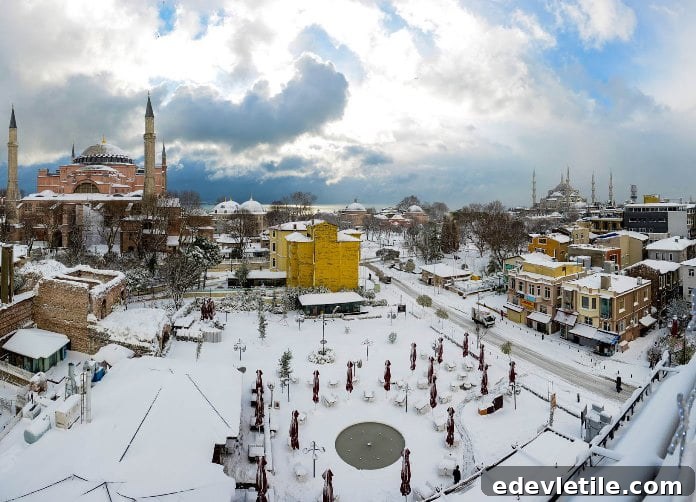
Sultanahmet, in the Fatih district on the European side, should be the starting point for most first-time visitors. This UNESCO World Heritage area is dense with landmarks from the Byzantine and Ottoman eras, most famously the Hagia Sophia and the Blue Mosque. Sultanahmet is surrounded by the Golden Horn, the Sea of Marmara and the Bosphorus, and offers accommodation ranging from budget hostels to luxury hotels. Restaurants here cater to international tastes, but if your priority is visiting the Blue Mosque, Hagia Sophia and Topkapi Palace, staying in Sultanahmet is the most convenient choice.
2: Taksim and Beyoglu — Modern and Trendy
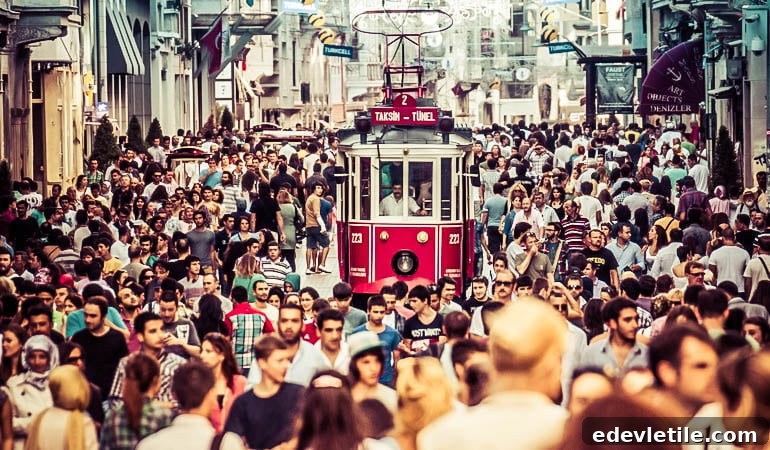
Beyoglu and Taksim show Istanbul’s modern, cosmopolitan face. Istiklal Caddesi, a bustling pedestrian avenue, is the area’s backbone: a hub for shopping, nightlife and cafés. Taksim functions as a transport node and meeting point. Yet pockets of older culture remain: Saint Anthony of Padua Church, the antiques of Cukurcuma and the Museum of Innocence, inspired by Orhan Pamuk’s novel. The Pera Museum houses significant Turkish artworks, and the Cihangir neighbourhood nearby has become popular among expats and creatives.
3: Fener and Balat — Historic and Authentic
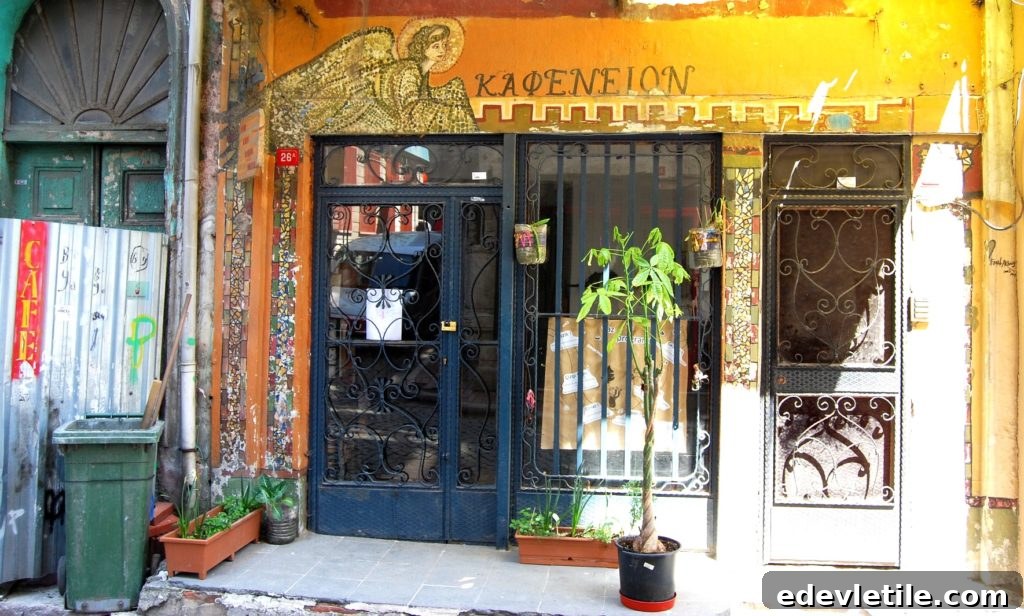
Fener and Balat are two adjacent districts gaining attention for walking tours that reveal Istanbul’s multicultural past. Fener was historically a Greek quarter and hosts Saint George’s Church, the seat of the Ecumenical Patriarchate. Balat was home to a sizeable Jewish community and contains one of the city’s oldest synagogues, Anrida. After years of neglect, many Ottoman-era houses were restored from the early 2000s onward, reviving narrow streets, colourful façades and authentic local life. These neighbourhoods offer a quieter, more intimate glimpse of Istanbul’s layered history.
4: Besiktas and Ortakoy — Bosphorus Energy
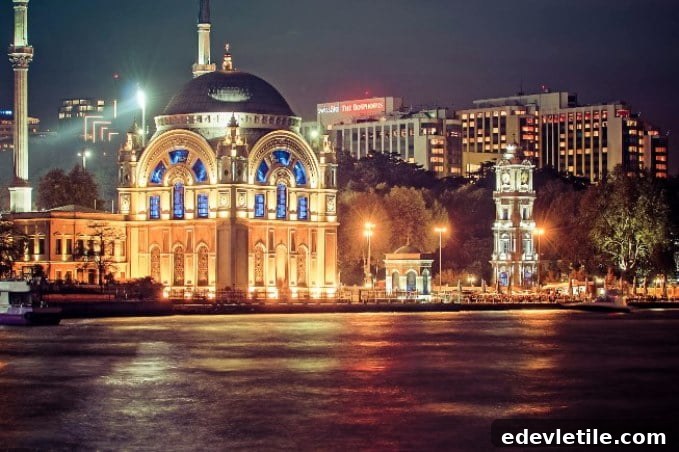
Besiktas, on the shores of the Bosphorus, is often associated with football but offers much more. It’s easily reached from Taksim by foot or public transport and features landmarks like Dolmabahce Palace, the lavish final residence of Ottoman sultans. Moving along the waterfront toward Ortakoy brings you to one of Istanbul’s most photographed views: the mosque framed by the Bosphorus Bridge. Besiktas is also known for its lively fish restaurants, nightclubs, and green spaces such as Yildiz Park and the Yildiz Palace complex.
5: Eminönü and Beyazit — Markets and Maritime Life
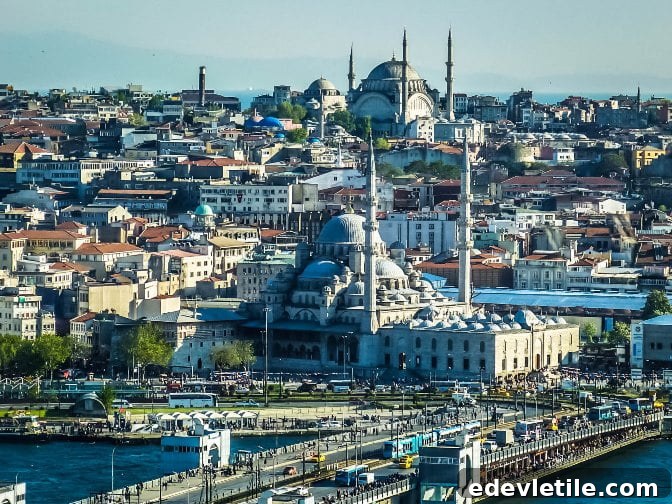
Eminönü sits by the Galata Bridge and is the gateway to ferry rides across the Bosphorus. It’s the place to try balik ekmek (fish sandwiches) from vendors by the water or dine at seafood restaurants beneath the bridge. Eminönü’s Bahcekapi area preserves the story of Turkish delight makers, and the Suleymaniye Mosque complex, dating from the 16th century, is a major architectural highlight. Just inland, Beyazit hosts the Grand Bazaar, a sprawling labyrinth of about 4,000 shops where haggling and discovery are part of the experience. After a day of sightseeing, a traditional hamam such as Cagaloglu offers a classic Turkish bath experience in historic surroundings.
6: The Princess Islands — A Relaxed Escape
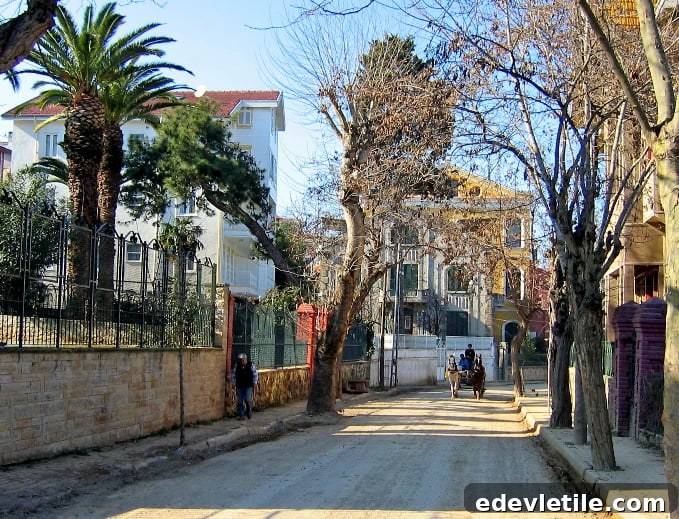
The Princess Islands in the Sea of Marmara, led by Büyükada, feel like a different world from Istanbul’s bustle. Historically used as places of exile, the islands are now a peaceful getaway with streets lined by wooden Ottoman mansions. Motor vehicles are banned, so horse-drawn carriages and bicycles are the main ways to explore. Ferries from both European and Asian sides provide scenic access, making the islands an ideal day trip for families or anyone seeking calm and historical charm.
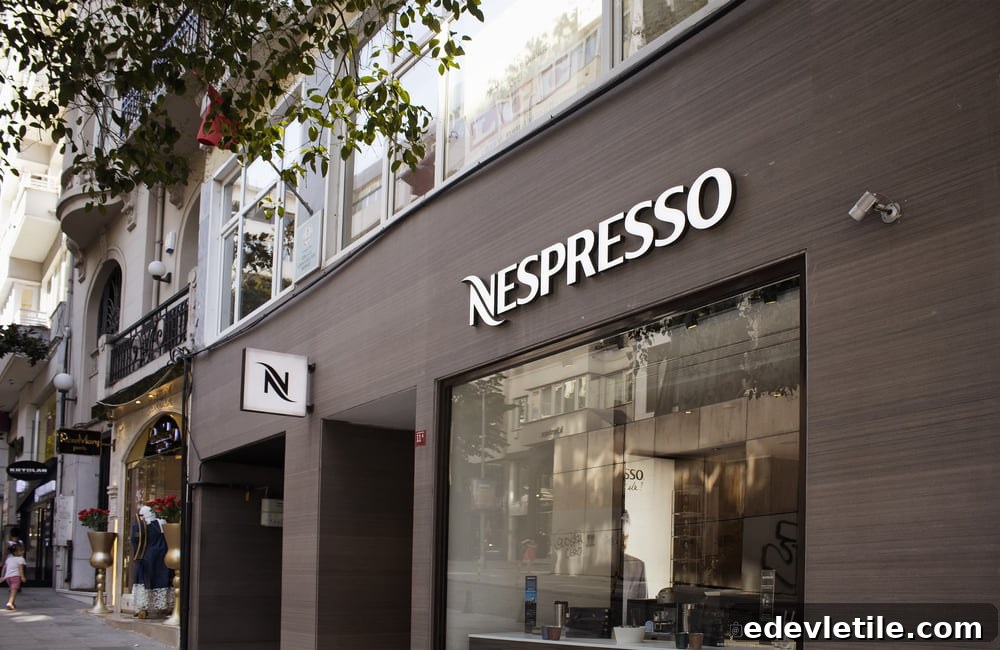
7: Nisantasi — Sophisticated Shopping in Sisli
Nisantasi in the Sisli district represents Istanbul’s upscale side. The area centers on Abdi Ipekci Street and Osmanbey, where luxury brands, high-end Turkish designers and stylish cafés dominate. It’s a prime neighbourhood for designer shopping, chic restaurants and a polished residential feel. If you want to experience Istanbul’s luxury lifestyle, Nisantasi provides a polished, cosmopolitan contrast to the city’s historical quarters.
8: Kadikoy — Asian Side Culture and Markets
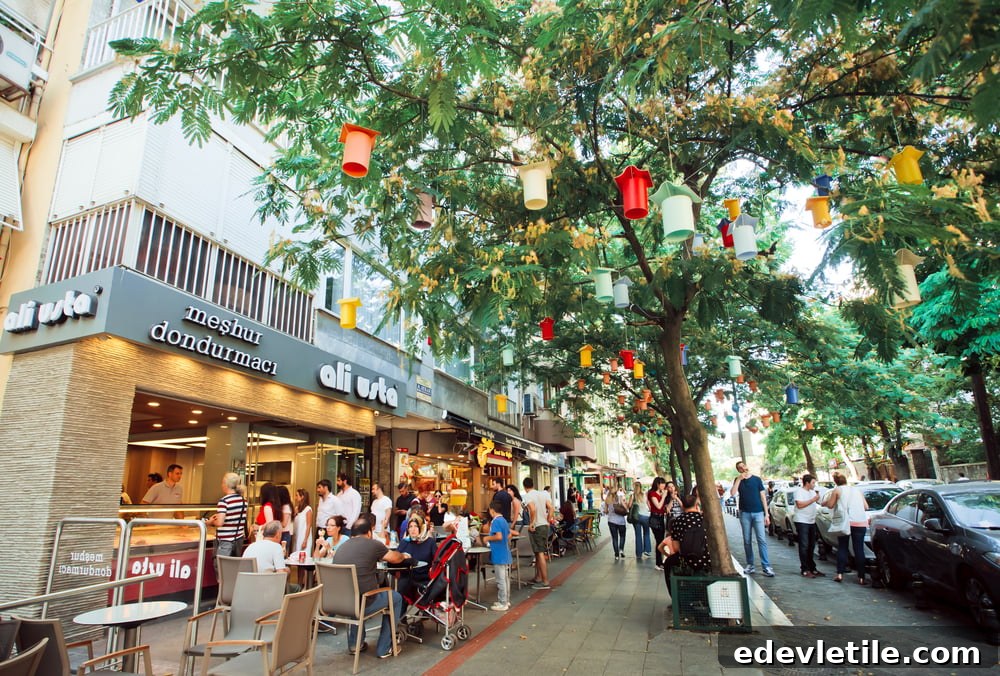
Kadikoy on the Asian side is a lively, local district with a strong student and creative presence. Together with nearby Uskudar, it forms an important ferry hub linking to the European shore. Kadikoy’s streets are ideal for wandering, and the vibrant fish market is a highlight: pick a fresh catch and many local restaurants will cook it for you. The neighbourhood blends everyday local life, cafés, bars and markets, offering a more residential, lived-in view of Istanbul.
9: Galata — Tower Views and Creative Corners
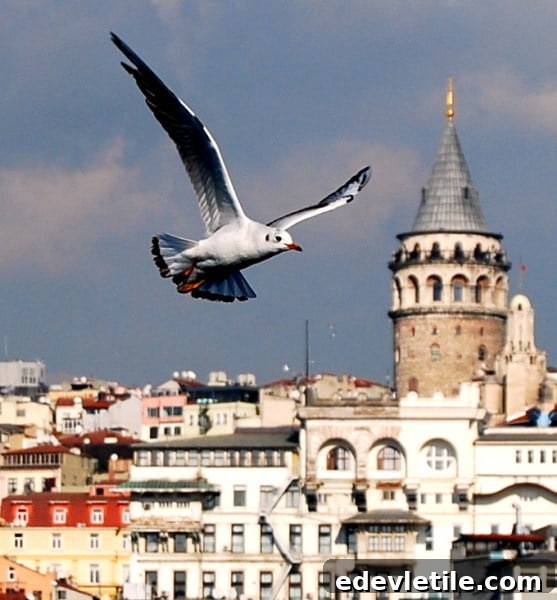
Galata, also known as Karakoy, sits at the northern end of the Galata Bridge and is easy to reach from Taksim by tram and a short walk. The district’s landmark is the Galata Tower, which offers panoramic views of the city from its café and observation level. The surrounding streets are filled with cafés, wine bars and boutiques, and a short uphill walk reaches cultural venues where you can sometimes see Sufi sema (whirling dervish) performances. Galata blends historical atmosphere with a lively contemporary scene.
These nine neighbourhoods provide a varied introduction to Istanbul’s many faces: imperial history, modern culture, markets, seaside views and hidden local life. Visiting several of them, from Sultanahmet’s monuments to Kadikoy’s markets and the quiet streets of the Princess Islands, gives a fuller picture of a city that rewards exploration at every turn.