Cycling in Turkey: Essential Tips for Routes, Safety & Culture
Ashley Howell is an avid cyclist who treats his riding as a serious hobby rather than a profession. After many trips across different regions of Turkey, he shared practical advice on planning and completing long-distance rides. While his routes may not suit complete beginners, his tips are useful for anyone considering a substantial cycling tour in Turkey.
Biking in Turkey
Ashley says…
A bike trip anywhere in Turkey can be demanding and tiring, but finishing one brings a lasting sense of achievement. The journey is about more than roads: it’s about people, food, and the small bits of language you pick up from everyday encounters. The scenery is spectacular, but to truly enjoy it you need to be well prepared.
Biking Experience Is Important
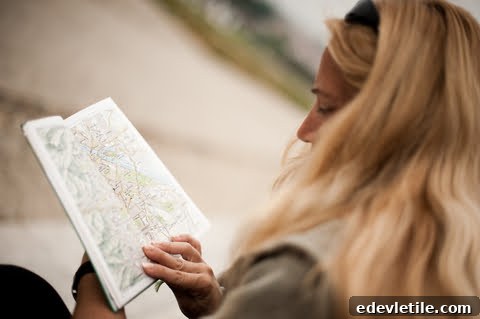
If you have never completed a solo or tandem long-distance route, Turkey is not the ideal place to start. Navigation can be difficult in parts due to road conditions; maps and GPS may be inaccurate, bike repair shops are not always available, and English is not widely spoken in all areas. If this is your first long-distance tour and you really want to experience Turkey, consider joining an organized group or booking a guided cycling holiday.
Best Time of Year to Go
Turkey’s large geographic range means weather varies widely: while the north can be snowy, the southern coast may be warm enough for the beach. A practical window for cycling is April through November. Keep in mind that July through September are peak summer months and temperatures can climb to around 43°C, so plan accordingly.
Suggested Routes
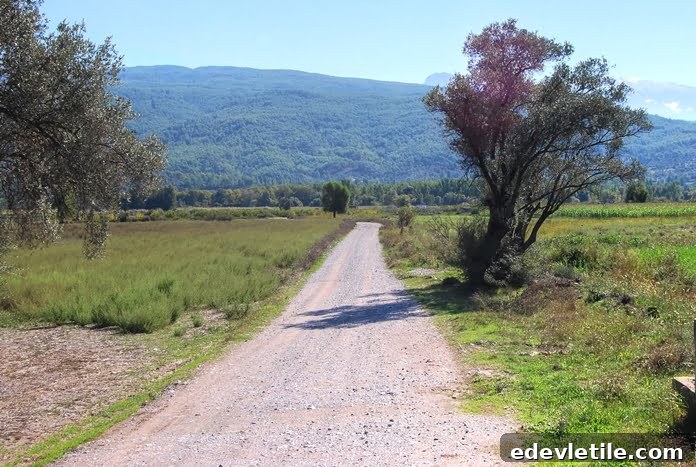
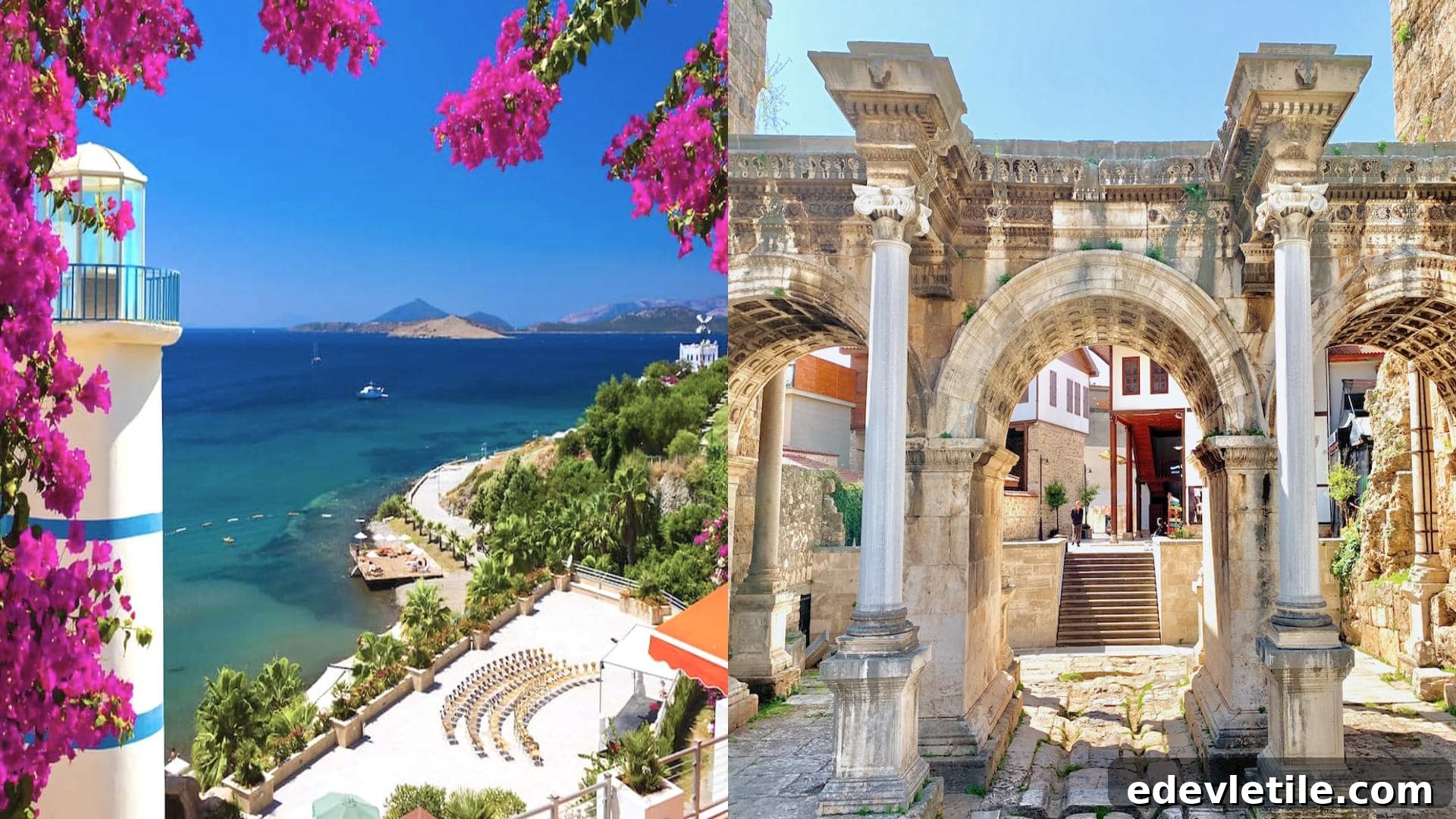
There are several appealing routes. One popular choice is the D400 along the southern coast, which runs roughly east to west from the Esendere area near the Iranian border toward Datça on the Aegean. Because some southeastern regions can be unstable at times, many riders choose to begin in Antalya instead. From Antalya westward you can ride about 516 kilometers on generally good road surfaces with spectacular coastal views. This stretch is tourist-friendly, with abundant hotels and more locals who speak English.
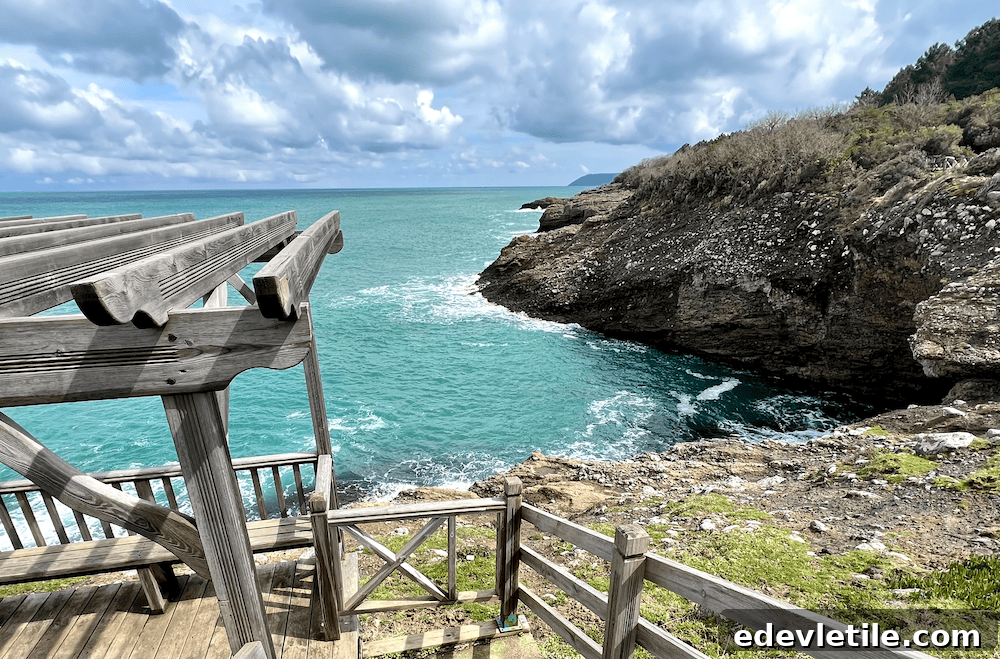
The eastern regions offer quiet rural landscapes and exotic scenery but can present more challenging roads and fewer services. The western approach—from the northern Aegean down to the Datça Peninsula—offers easier roads while still delivering beautiful views. Unless you are an experienced cyclist with comprehensive cycle insurance, the western route is the safer and more comfortable option.
Time to Set Off — Five Practical Tips
- Apply for an e-Visa before arrival: Turkey issues many tourist visas electronically. Apply in advance and note that stays are generally limited to 90 days within a 180-day period.
- Use appropriate tires and pressure: Some tarmac can become sticky in heat. Use medium-width tires for comfort and set tire pressures suitable for hot, sometimes soft surfaces.
- Plan fuel and service stops: Villages and small towns along your route often have fuel stations where you can rest, refill water, repair punctures, or even pitch a tent. These stops are useful opportunities to refresh and check your bike.
- Expect warm local hospitality: Turkish people are generally friendly and welcoming. You may be offered tea, snacks, conversation, or even an invitation to stay the night—especially in more remote places.
- Protect against heat and dehydration: Summers can be intense. Wear moisture-wicking clothing, carry ample water and electrolytes, and avoid riding during the hottest hours (roughly noon to 3 pm).
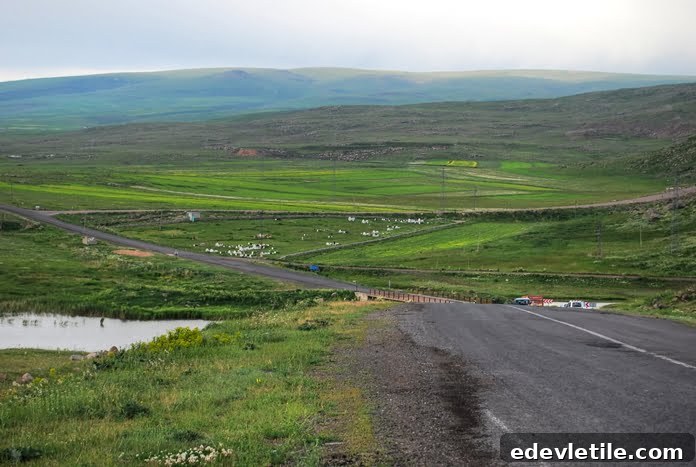
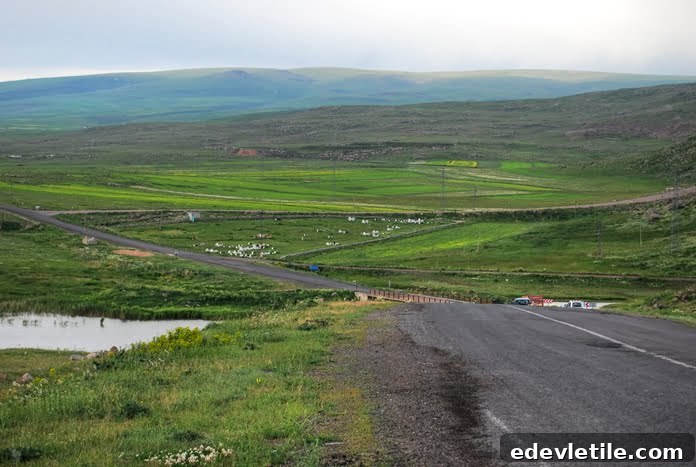
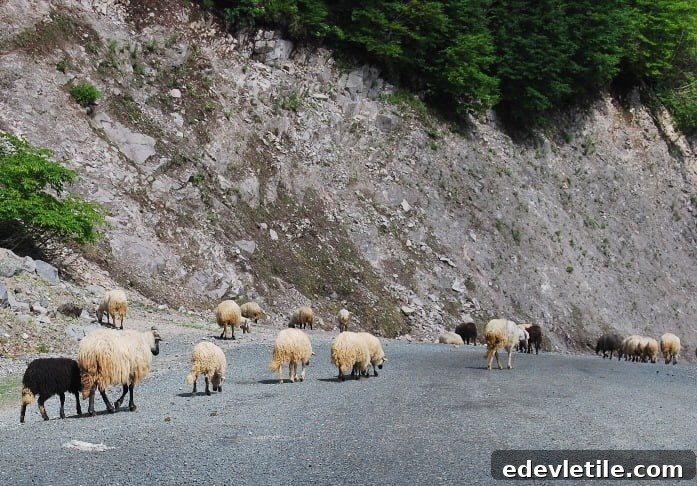
- Be patient with rural traffic: In countryside areas you may encounter herds of sheep or cows on the road. Slow down, remain calm, and wait for the animals and their herders to pass.
Further Reading
Enthusiastic cyclists may be interested in the annual cycling tour that typically runs from Antalya along the coast to Istanbul, usually held in April or May. There are also many personal blogs from cyclists who have toured Turkey; two long-term cycle tourists, Annika and Roberto, documented months of travel around the country and shared their stories online.