Protect Your Holiday Cash: Smart Ways to Avoid Scams and Fees
Preparing for a holiday can be stressful. Between work deadlines, arranging pet care and packing, you also need to consider practical details like suncream and an out-of-office message. One task that often gets left until the last minute is exchanging foreign currency — but it’s an important step that can significantly affect how much spending money you have while away.
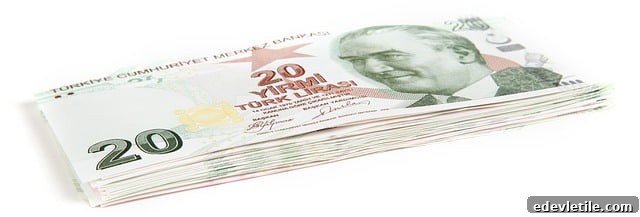
With the pound weaker than in recent years, finding the best exchange rate matters more than ever. While the pound-to-Lira rate has not fallen as sharply as pound-to-dollar or pound-to-euro in some periods, getting a good deal remains worthwhile.
Avoid Exchanging Money at the Airport
Airport bureaux typically offer the poorest exchange rates and can impose very high fees. You may face effective charges of up to around 11% compared with better alternatives. For example, exchanging £1,000 at a poor rate could leave you with the equivalent of only £890 in foreign currency — money you could otherwise spend on meals, attractions or transport.
Be Careful Using Your Debit Card Abroad
Using your UK debit card can be convenient, but it can also be expensive. Many banks charge fixed fees for point-of-sale transactions and ATM withdrawals, plus a percentage-based conversion fee. Those charges add up, especially if you make multiple transactions or cash withdrawals while on holiday.
Don’t Travel with Large Amounts of Cash
Some people still exchange all their money at the Post Office or retail providers and carry large sums in their luggage. These traditional options are often costly and carrying significant cash increases the risk of theft or loss. Even hidden stashes in luggage or accommodation are not foolproof, so avoid taking unnecessary cash with you.
Watch Political and Economic Events
Currency values can be sensitive to political events. Recent volatility in the pound has been influenced by events such as Brexit-related developments and international political shifts. If a major political vote or economic announcement is expected before your trip, consider exchanging currency earlier to avoid sudden adverse moves in exchange rates.
Consider Prepaid Currency Cards
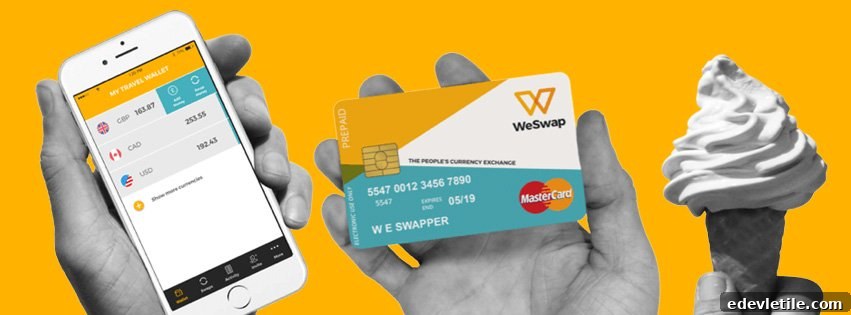
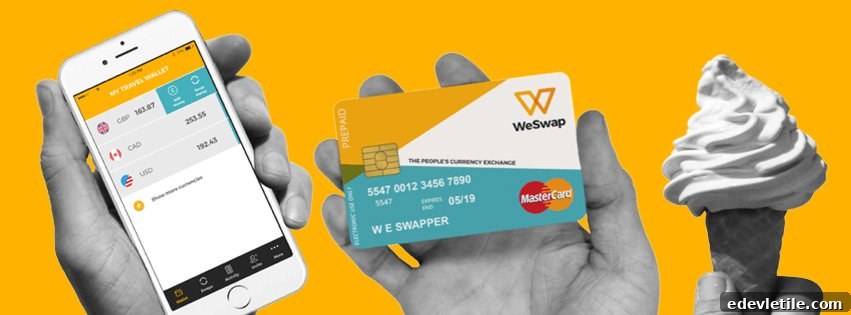
Rather than waiting until you arrive at your destination or relying on expensive options, consider a prepaid travel currency card. These cards are loaded with foreign currency in advance and used abroad like a debit card for ATM withdrawals and point-of-sale purchases. They allow you to lock in an exchange rate before you travel, track spending through an app and top up as needed.
Prepaid cards are similar to pay-as-you-go phones in convenience: you load credit, monitor transactions and avoid unexpected bank fees. Some providers charge low commissions and use the mid-market exchange rate, which is generally better than the rate offered by banks or airport bureaux. Peer-to-peer currency platforms can be particularly competitive because they match travellers going in opposite directions to swap currencies at favourable rates.
Choosing the right way to get foreign currency — whether by using a low-fee prepaid card, exchanging in advance at a competitive provider, or carefully managing card use abroad — can save you money and reduce stress on holiday. With a little planning you’ll have more to spend enjoying your trip.