Discovering Haci Bektas: Spiritual Sites and Secrets of Cappadocia
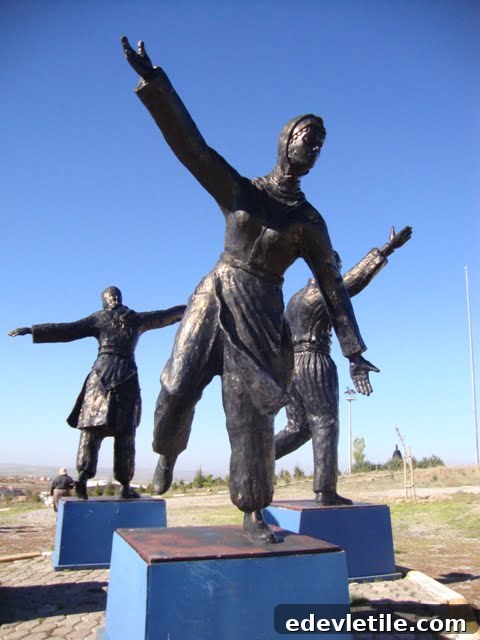
“Seek and find” were the first words I saw when I visited the town of Haci Bektas last week. The same sign also displayed the phrase “The feature of man lies in the beauty of his word.”
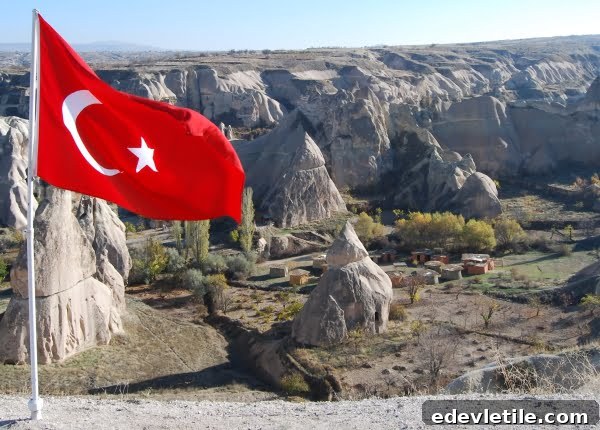
Those opening lines seemed a perfect motto for any traveler or blogger. I was surprised to see them in English because, looking around Haci Bektas, there were almost no foreign visitors — no Japanese, Americans, Australians or Brits — and none of the large coach parties or organized tours commonly found elsewhere in Cappadocia.
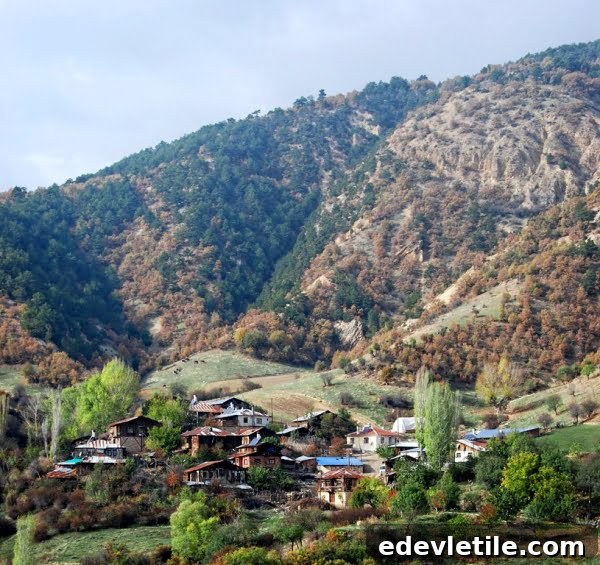
I had gone off the beaten track to explore the town’s cultural centre and museum dedicated to a distinct branch of Islam. Though I am not religious, I enjoy learning about other spiritual traditions. Haci Bektas is the heart of the Alevi community and the town is named after a Sufi philosopher. The Alevi faith has an estimated 15 million followers in Turkey, and the site preserves important traditions and artifacts.
How and When To Go to Haci Bektas in Cappadocia
Signs around the museum are written in both Turkish and English, which shows the community’s wish to welcome international visitors. Despite that, few local Cappadocia tour operators include Haci Bektas on their day-trip schedules. If you want to visit, consider hiring a car or booking a private guide. From Göreme it takes roughly 45 minutes by car. Entrance to the park was very affordable when I visited: 1 TL for the park and 3 TL for the museum. The town itself is also pleasant to explore on foot.
My visit happened outside the town’s main festival, which takes place in August. During that three-day event there are whirling dervish ceremonies and large celebrations of Alevi culture — gatherings that used to be held in secret when the faith and its followers faced persecution.
One notable attraction in the park is a large rock said to cleanse impurities. During my visit I watched many people enter one side and attempt to crawl out through a small opening. The scene mixed ceremony and good-natured effort — at one point an elderly woman needed some help getting out, prompting laughter and concern from onlookers.
The Museum of Haci Bektas
Plan enough time for the museum visit: the site closes for lunch around 12:30. The museum occupies the historic lodgings used by whirling dervishes; displays include clothing, ritual objects and everyday items that help visitors imagine life there. Local tradition holds that Haci Bektas himself spent forty days and nights at this lodge in prayer, making the place both a cultural and spiritual landmark.
If your travels take you to Cappadocia, consider leaving the main tourist routes to visit Haci Bektas. For me, it was one of the most memorable parts of the trip: quiet, evocative and full of history. My focus here is travel rather than theology, but the museum and town provide a gentle introduction to Alevi belief and the life of Haci Bektas for those who want to learn more.