Basilica Cistern Istanbul: The Mystery of the Medusa Heads
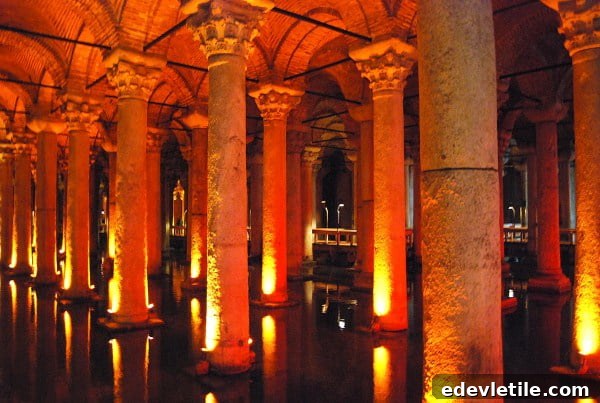
I walked down 55 stone steps, feeling the cool dampness underfoot as I reached the bottom and entered the Basilica Cistern. Located in Istanbul’s tourist core near Hagia Sophia and the Blue Mosque, this site had been on my list for months. The only sounds were hushed voices and the steady drip of water. In a far corner a souvenir vendor offered to dress visitors as Ottoman royalty for a photograph. I found the idea tacky for a nearly 1,500-year-old monument, and a brief look of disapproval crossed my face.
About the Basilica Cistern of Istanbul
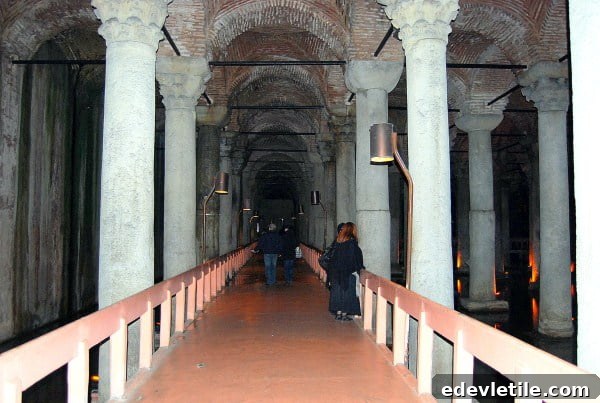
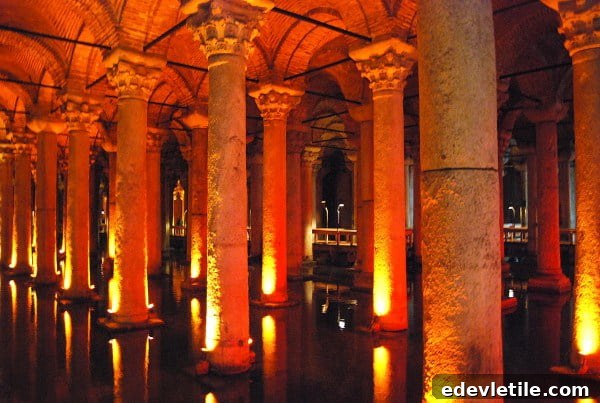
Also known as Yerebatan Sarayı, the Byzantine Sunken Palace, the Basilica Cistern draws visitors along raised wooden walkways that lead deeper into its shadowed interior. Tall marble columns stand in orderly rows on either side, their bases standing in shallow water. Floodlights pick out the columns’ textures and reveal fish, larger than a human hand, gliding through the water below—likely used to being fed by visitors.
Built during the reign of Emperor Justinian I, the cistern measures roughly 140 metres long by 70 metres wide. Historians estimate that construction began around 527 CE, employing thousands of workers; traditional accounts speak of seven thousand labourers. The reservoir once covered about 9,800 square metres, supported by 336 columns, and held up to 100,000 tons of water to supply the imperial palace and the citizens of Constantinople.
Over centuries the cistern fell into neglect as fortunes shifted and priorities changed in the Ottoman era. Locals sometimes drew water directly from wells, and the monument faded from official attention. In the 16th century the site regained wider notice when the Dutch scholar P. Gyllius described it to a Western audience, and subsequent restoration efforts helped preserve this remarkable piece of Byzantine engineering. The cistern’s evocative atmosphere has attracted writers, filmmakers and visitors ever since—Mark Twain, a James Bond film, and the myth of Medusa are all linked to the site.
Mark Twain in the Basilica Cistern
Mark Twain visited Constantinople and recorded his impressions in Innocents Abroad. While he could be sharply critical of some features of the city—describing the Grand Bazaar and Hagia Sophia in blunt terms—he admired the Yerebatan Cistern. Twain described descending into an “underground wilderness” of tall granite columns, a space where each position felt like a center from which colonnades and archways stretched into dim distance and twilight.
The Heads of Medusa
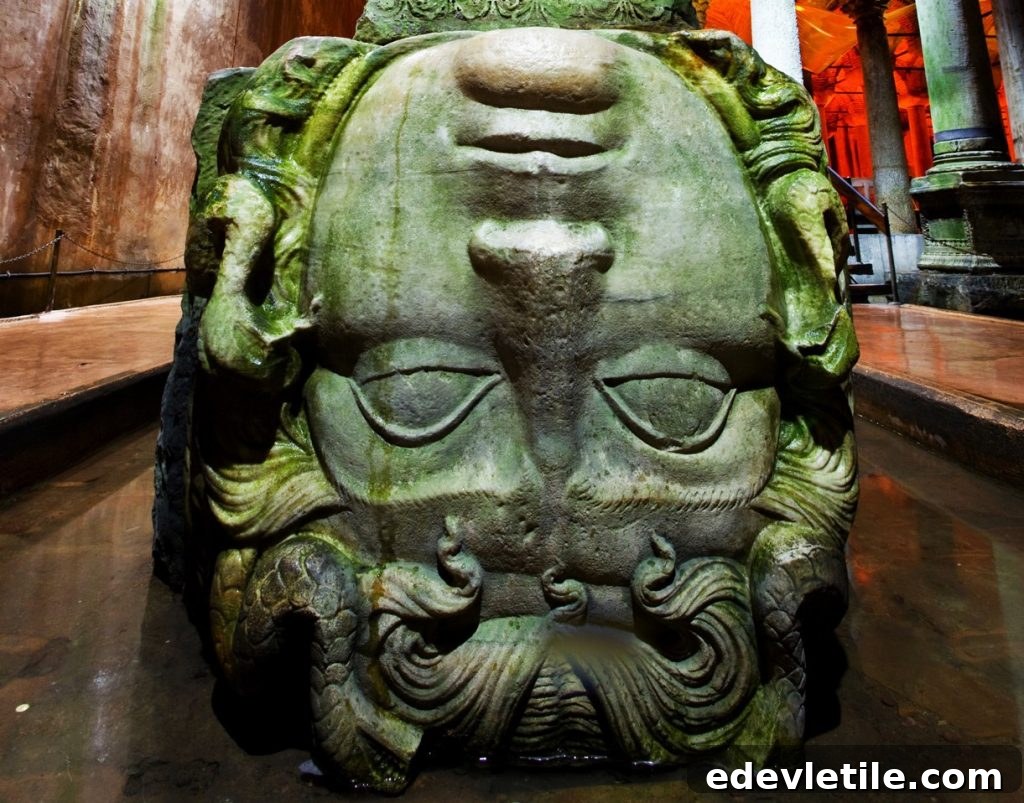
Toward the back of the cistern you can see two column bases carved with Medusa heads. One lies on its side and the other is placed upside down. The exact origin and purpose of reusing these Roman-era sculptures remain uncertain; some theories suggest they were repurposed without regard for orientation, while legends play on the myth that looking at Medusa could turn a person to stone. Regardless of explanation, these heads are among the cistern’s most photographed features and are set at the northwest corner of the structure.
Basilica Cistern and James Bond
The cistern has also made its way into popular culture. In the 1963 film From Russia With Love, James Bond navigates the underground columns in a scene that uses the atmosphere of the cistern as a dramatic backdrop. While the film takes liberties for storytelling, the setting highlights the cistern’s cinematic potential and enduring allure.
Visitor Information
The Basilica Cistern sits in Istanbul’s Sultanahmet district, within walking distance of Hagia Sophia and the Blue Mosque. It is a frequent stop on tourist routes and often included in city tourist passes and guided tours. Opening times and visitor access can change for conservation or restoration work, so checking the official schedules before visiting is recommended. When open, the cistern offers a unique and atmospheric glimpse into Byzantine engineering and Istanbul’s layered history.