Yayla Houses of Demirkapı Plateau: Traditional Mountain Retreats
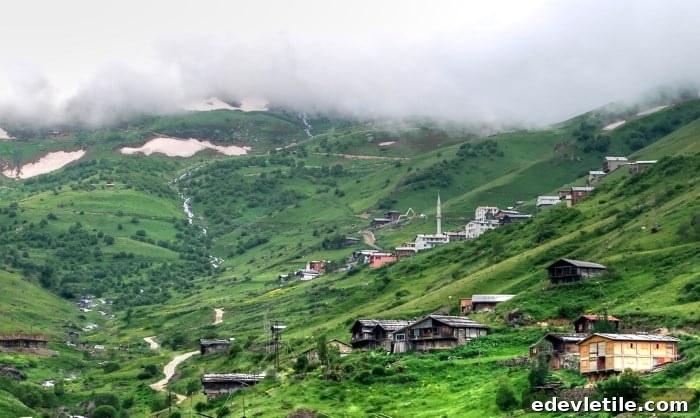
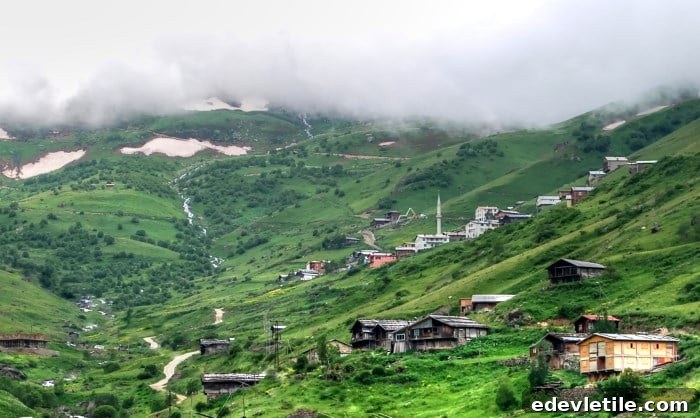
Demirkapi Plateau is one of the most surreal places I have visited in Turkey. Tucked high in the Kaçkar Mountains, we left Uzungöl early and followed the Haldizen road upward. The route wound through dense forest, twisted at every bend, and ran beside a fast-flowing mountain stream.
Our purpose was to visit yayla houses: simple summer homes where people move during the hottest months to enjoy cooler temperatures. The higher you climb, the more refreshing the air becomes.
The Yayla Houses
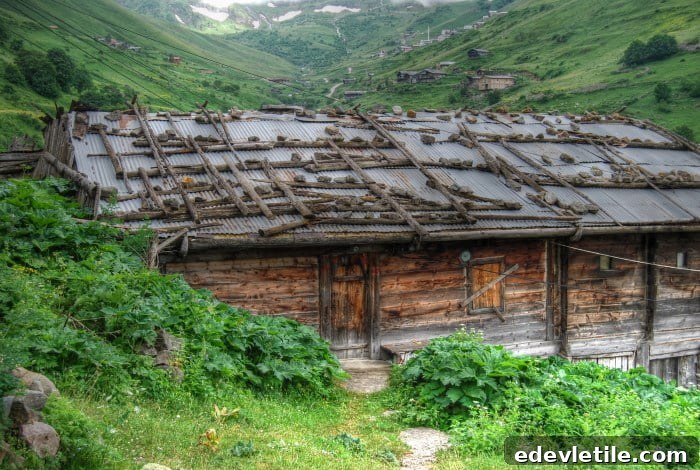
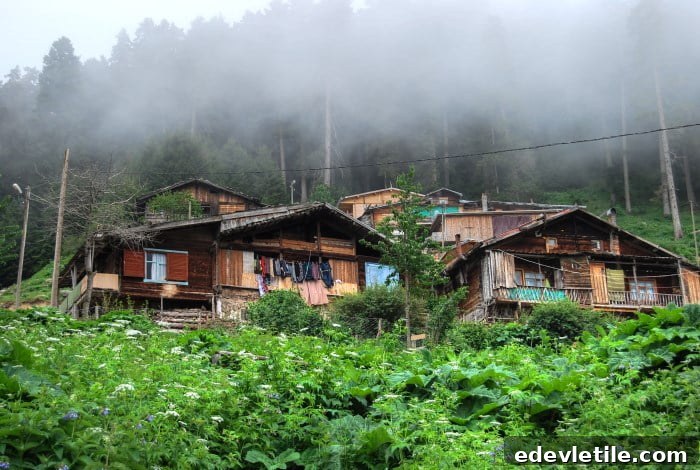
When we arrived, our guide led us into a local home. Built by hand from timber, the house was plain and functional. The roof was layered with tin sheets, held in place with stones and timber beams.
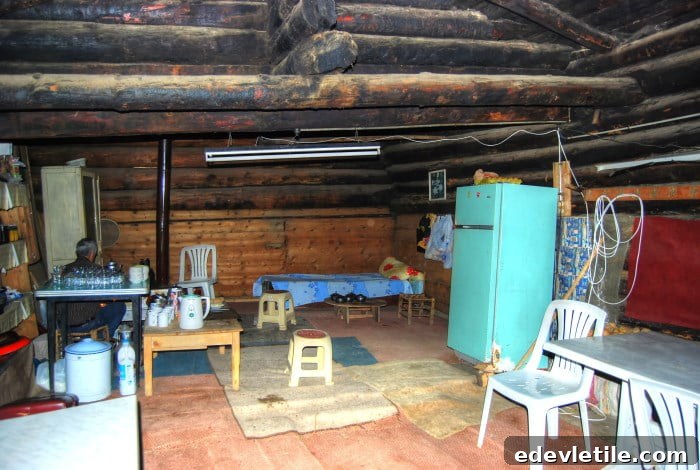
I ducked through a low front door and stepped into a single multipurpose room that served as living area, kitchen, and bedroom. The layout was modest but practical.
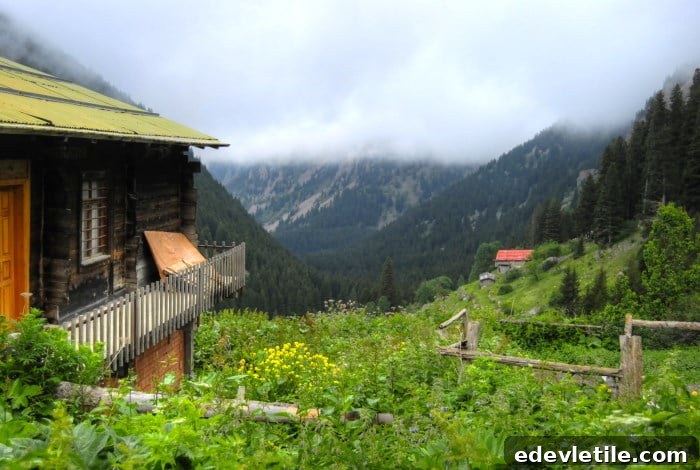
At the far end of the room a balcony opened onto a breathtaking vista of rolling hills and fertile mountain slopes, dotted occasionally with lingering snow. Seeing so much green in late June surprised me — the Aegean and Mediterranean coasts below must have already been hot and crowded with beachgoers.
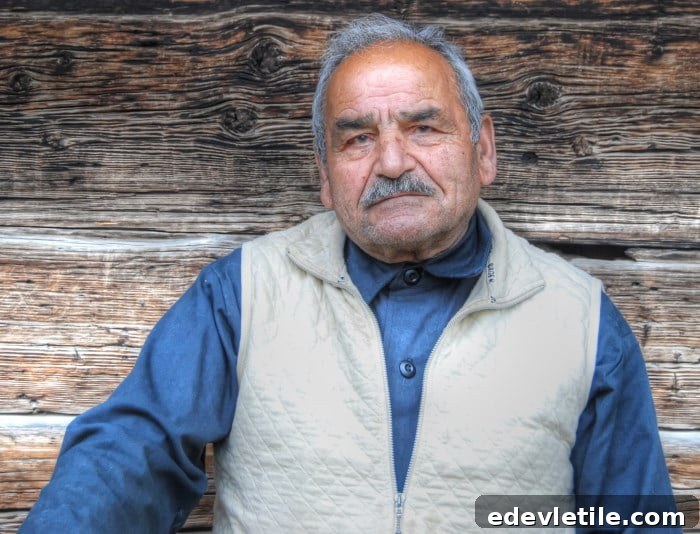
The elderly man who lived there offered me a hot potato from the wood-burning stove, which also serves as the home’s heater at night. I wanted to ask many questions, but his strong regional accent made conversation difficult.
Life in Demirkapi Plateau
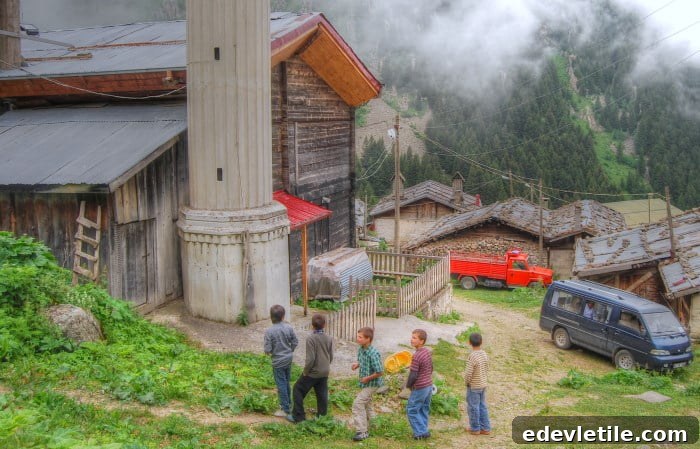
Our guide explained how daily life works here. There are no corner shops, supermarkets, post offices, or doctors within the village. Children travel long distances to attend school. Families grow vegetables in small plots and keep cows and sheep for milk.
They make their own cheese, butter, and bread. Chickens roam freely along the paths, unaware that some will end up on the table. Occasional trips to the valley are made for staples like salt or sugar, but most of what people need comes from the land.
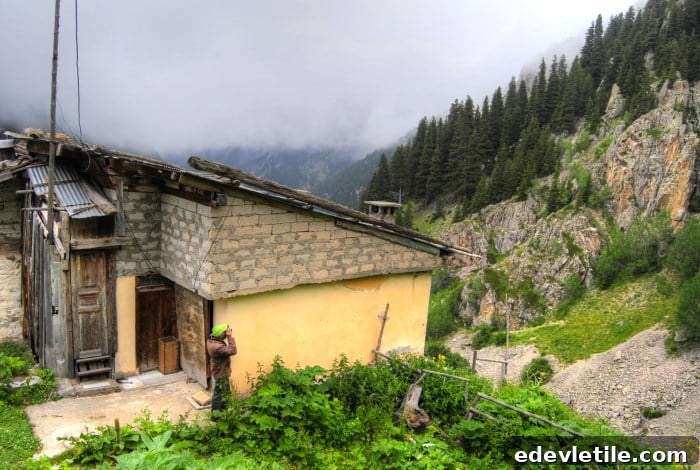
Villagers here are accustomed to visitors trekking through their community at roughly 3,370 metres above sea level. The altitude is evident in the frequent fog that can blanket the sky and the distant roar of waterfalls that fills the air.
The plateau has become more visible to tourists: guides routinely lead groups up the trail, and independent hikers often pitch tents across the area. Locals appear amused by the interest and sometimes sell handmade crafts and textiles as souvenirs.
Living off the land here is appealing in its simplicity, but it is not a life I could choose. I prefer to have amenities nearby and to be close to the sea rather than isolated high in the mountains. Still, tourism to yaylas and plateaus in Turkey’s northeast is growing, and places like Demirkapi Plateau may change as interest increases over the coming years.
Would you visit Demirkapi Plateau?
[wp_geo_map]