Top 5 Reasons to Visit Cappadocia: Hot Air Balloons, Caves & More
I consider Cappadocia a second home. While I enjoy exploring new destinations, I keep returning to this region because it offers a rare combination of striking landscapes, deep history, and warm hospitality. Located in central Anatolia, Cappadocia is one of Turkey’s top travel destinations, attracting visitors from around the world. Travel guides often describe it as a must-see and one of the planet’s most surreal places.
For much of the 20th century Cappadocia remained a relatively quiet corner of Turkey, known mainly to backpackers following the famous overland hippie trail from Europe to Asia. Even as package tourism grew, most operators focused on Turkey’s coastal resorts, leaving Cappadocia largely untouched. The rise of independent travel and the internet changed that, bringing the region the attention it deserved. Today, Cappadocia draws visitors who come to experience its one-of-a-kind scenery, historic sites, and unique accommodations.
Reasons to Visit Cappadocia
A Surreal Landscape
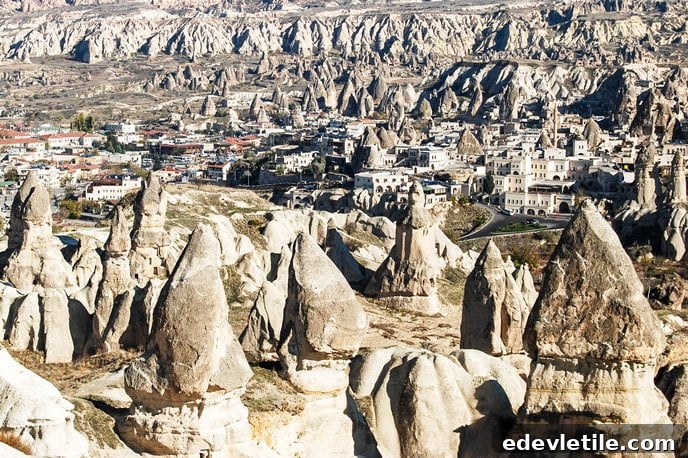
Cappadocia’s landscape is unlike anywhere else. Millions of years ago volcanic eruptions deposited layers of tuff that have since been sculpted by wind and water into deep canyons, rolling valleys, and the iconic “fairy chimneys.” The result is a lunar-like terrain that astonishes first-time visitors. Viewpoints such as Esentepe and Pigeon Valley offer sweeping panoramas, while hiking routes through the Ihlara, Pigeon, and Red Valleys let trekkers explore the region’s geological diversity up close.
Hot Air Balloon Rides
One of the most famous Cappadocia experiences is a sunrise hot air balloon flight. Rising into the early morning light, passengers enjoy panoramic aerial views of valleys, towns, and the unique rock formations. Flights range from shared baskets to private charters, and many operators include a light Turkish-style breakfast before takeoff. Although balloon rides can be costly, they remain the region’s most popular and unforgettable activity, offering a spectacular perspective on Cappadocia’s scenery.
Cave Hotels and Four Distinct Towns
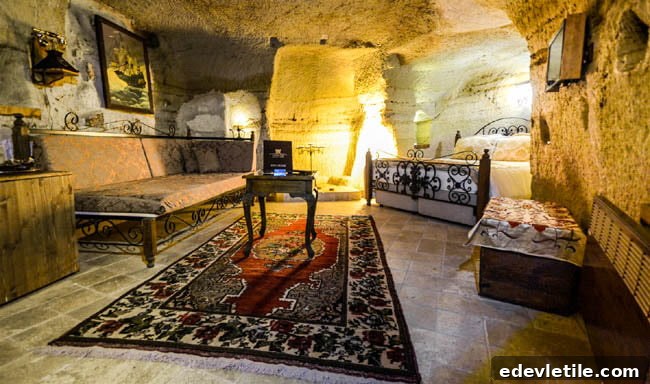
Cappadocia’s soft tuff rock allowed generations of inhabitants to carve dwellings, storage spaces, and places of worship directly into the landscape. Many of those carved homes have been converted into cave hotels that blend traditional charm with modern comforts—hot water, heating, and contemporary design elements—so guests enjoy an authentic stay without sacrificing convenience.
Visitors typically base themselves in one of four towns. Göreme is the most central and popular with independent travelers thanks to its transport links and concentration of guesthouses. Uçhisar offers a more upscale atmosphere with dramatic views. Ortahisar retains a quieter, more traditional village feel, and Ürgüp is larger and more commercial, often hosting organized tour groups.
Cave Churches
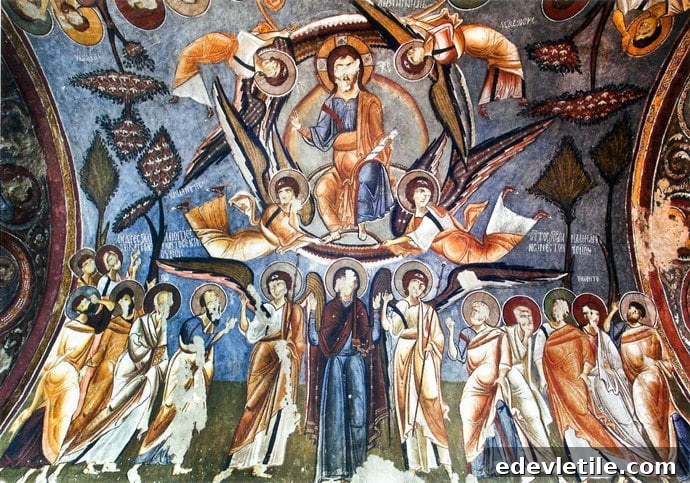
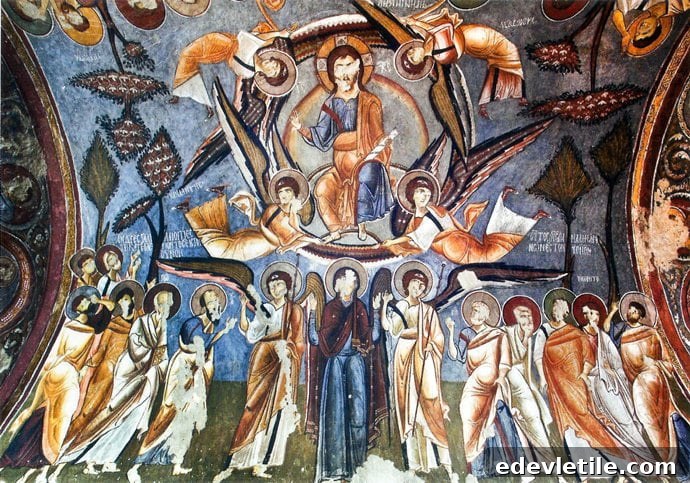
Cappadocia played an important role in early Christian history. Many cave churches and monasteries were carved into the soft rock, and the Göreme Open Air Museum preserves some of the finest examples. While the exterior architecture can appear modest, the interiors often feature vivid biblical frescoes dating mainly from the 11th and 12th centuries. These paintings are remarkable pieces of medieval art, restored and conserved after periods of neglect during later centuries.
Underground Cities
Beneath Cappadocia’s dramatic landscape lies another layer of wonder: extensive underground cities. Hundreds of underground settlements have been discovered, the largest being Derinkuyu, which could shelter tens of thousands of people. These subterranean complexes include rooms for living, food storage, stables, chapels, and defensive features. Built as refuges during periods of invasion and conflict, the underground cities demonstrate the region’s long history of adaptation and survival.
Practical Tips and Local Resources
- For a boutique stay with a traditional atmosphere, many travelers recommend small family-run properties in Ortahisar that combine local hospitality with modern comforts.
- For private or specialized experiences—such as cooking classes, photography tours, or custom itineraries—local guides and tour organizers can arrange tailored activities to suit your interests.
- If you’re particularly interested in history and context, consider hiring a knowledgeable private guide who can share insights not always found in guidebooks and help you better understand the region’s cultural and archaeological highlights.
Cappadocia rewards slow travel: take time to walk the valleys, visit ancient sites, and share meals with locals. Whether you come for the balloons, the caves, the churches, or the subterranean cities, the region offers a compelling mix of natural beauty and human history that makes it well worth a visit.