Dog Ear Cropping: Why the Age-Old Tradition Persists and Fades
Until last week I thought ear cropping was a regional practice limited to the Black Sea area of Turkey. Meeting a dog named Karabas and then researching the subject showed me how widespread the practice actually is, and it left a strong impression on me.
My interest began with Karabas.
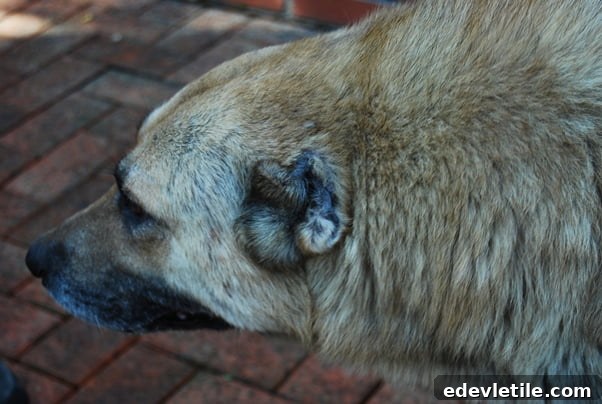
I met him in the remote, mountainous area of Maçahel. He was a large, solid dog—reserved but not aggressive. His coat was thick and he was alert. I immediately warmed to him and spent a while stroking him, though he seemed more interested in the food his owner offered.
As I petted him I noticed something was wrong. After a moment it registered: his ears had been cropped. Only the inner lobes remained, leaving an uneven, disturbing appearance.
I asked his owner what had happened. He said simply that he had cut them off. My immediate reaction was shock and anger, but I asked him why. The answer he gave was practical: Karabas is a working dog that roams bear-populated mountains. The owner believed cropping his ears would reduce the chance of severe injury if the dog encountered a bear. In that region, bears sometimes enter villages searching for food, and dogs act as guards.
A Global Practice
Back on the Aegean coast I discovered many locals were already familiar with ear cropping as a traditional practice in some Turkish villages. Further reading revealed that ear cropping occurs in many countries. It is banned in several places—Australia and the UK among them—yet remains legal in others, including parts of the United States.
People cite a variety of reasons for cropping dogs’ ears:
- Belief that it improves hearing
- Perceived protection for working dogs against injuries
- Cosmetic reasons for dog shows and breed standards
- To reduce damage during organized or accidental dog fights
- Occasionally cropping is done alongside tail docking
Ear Cropping in Turkey
Turkey has no explicit law banning ear cropping or tail docking. In Karabas’s case, the dog appeared healthy, alert, and loyal to his owner, so I was reassured that he was cared for despite my discomfort about the procedure. Still, the wider context of animal welfare in Turkey is concerning.
In many coastal and urban areas, stray dogs are abandoned and form packs, scavenging from bins and struggling to survive. I have seen animals suffering from mange and, in some places, people have resorted to poisoning to remove strays. These realities often overshadow debates about cropping when basic welfare is at stake.
Karabas had an owner who believed he was protecting his dog, and the animal seemed well looked after, so I chose not to interfere. This encounter left me reflecting on how cultural practices, survival needs, and animal welfare intersect—and how difficult it can be to reconcile them.
Sometimes you must confront traditions of the place you live in and decide how to respond, even when they conflict with your values.
Reader’s question: What are your thoughts on ear cropping of dogs?