Göbekli Tepe: How the Ancient Temple Upended History
Turkey spans an impressive 783,562 km² and has been home to numerous civilizations over millennia. As a crossroads between East and West, the country yields frequent archaeological discoveries that regularly excite both local and international historians and archaeologists.
Because Turkey sits at the junction of continents and cultures, it offers rich opportunities for historical research and archaeological investigation.
One of the most influential discoveries in recent decades is the Neolithic site of Göbekli Tepe near Şanlıurfa. For German archaeologist Klaus Schmidt, uncovering this site was a career-defining moment. Ignoring earlier dismissals by colleagues, Schmidt’s excavation revealed a complex that reshaped understandings of prehistoric society.
Discovery of Göbekli Tepe
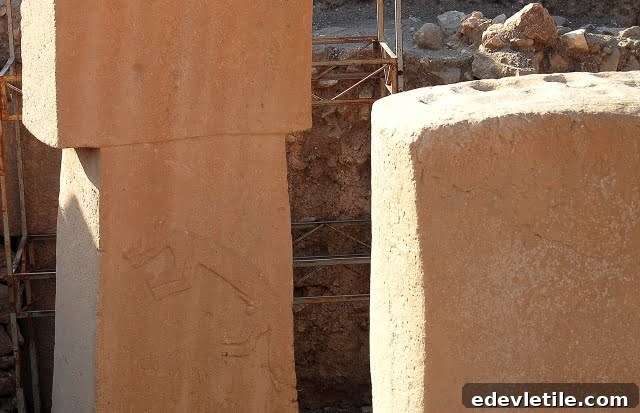
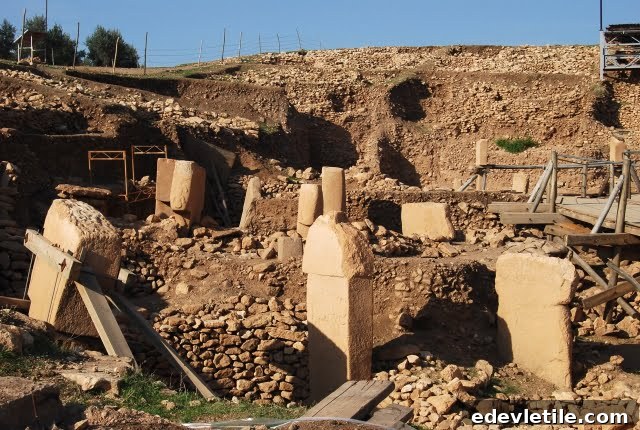
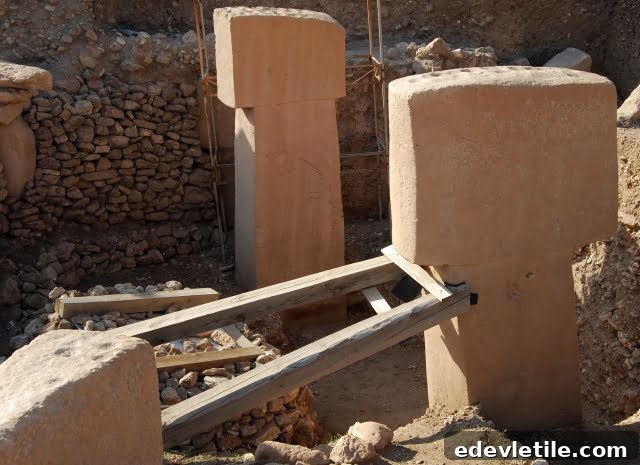
In 1994, Schmidt examined reports from 1963 describing a small hill outside Şanlıurfa that might contain Neolithic remains. Although many archaeologists expected only ordinary farming implements, Schmidt began excavating in 1995 and soon unearthed large T-shaped pillars arranged in circular formations—structures that suggested ritual or communal activity rather than simple domestic use.
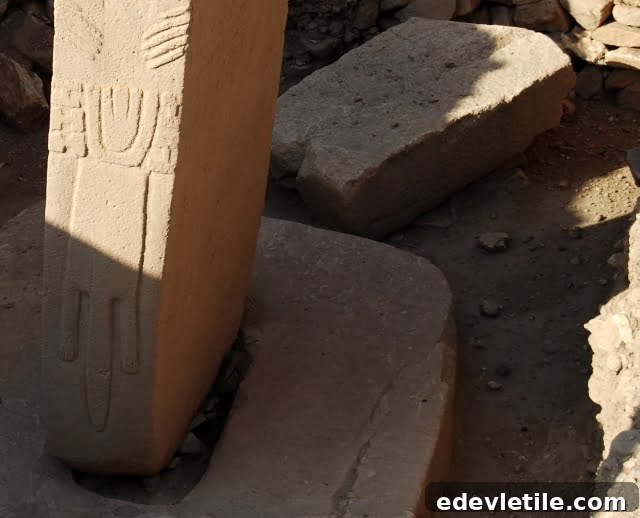
The pillars were decorated with deep animal reliefs, depicting species commonly hunted at the time. One pillar includes a striking anthropomorphic relief that has been interpreted in various ways. Animal bone deposits and the scale of construction suggested ritual gatherings and possibly communal sacrifices.
The presence of monumental architecture at such an early date challenged established narratives about the Neolithic. Previously, scholars generally described a progression from hunter-gatherer groups to settled farming communities, with complex religious structures appearing later. Göbekli Tepe demonstrated that sophisticated symbolic and communal activity existed well before large-scale settled agriculture.
Until Göbekli Tepe, no widely accepted evidence showed organized religious architecture at this early stage of prehistory.
 The site forced archaeologists and historians to reconsider assumptions about social complexity and belief systems in prehistoric communities and prompted renewed debate about the origins and timeline of organized ritual activity.
Theories Surrounding Göbekli Tepe
Göbekli Tepe has inspired many interpretations and popular theories. It is often compared to Stonehenge—though it is far older—and has received wide media and scholarly attention for its implications.
- Some publications framed it as evidence for the emergence of organized religion, dubbing it a “birthplace” of ritual architecture.
- Other researchers proposed astronomical or cosmological functions, suggesting alignments or symbolic connections to celestial bodies.
- A few fringe theories argued that the complexity of the carvings required advanced technology, even invoking extraterrestrial explanations.
- Religious or mythic interpretations have included suggestions that the site relates to foundational cultural narratives.
- Some enthusiasts have speculated about a previously unknown advanced civilization behind its construction.
Excavations have not revealed clear evidence of long-term habitation at the site—no obvious water source, agricultural infrastructure, or domestic structures—strengthening the view that Göbekli Tepe functioned primarily as a ceremonial or communal center. Current dating places the site in the 10th–9th millennia BCE, making it older than many iconic ancient monuments and reshaping comparisons with other early monumental constructions.
Visiting Göbekli Tepe
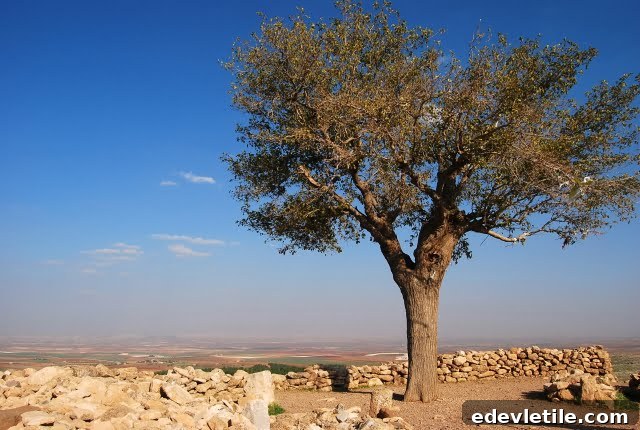
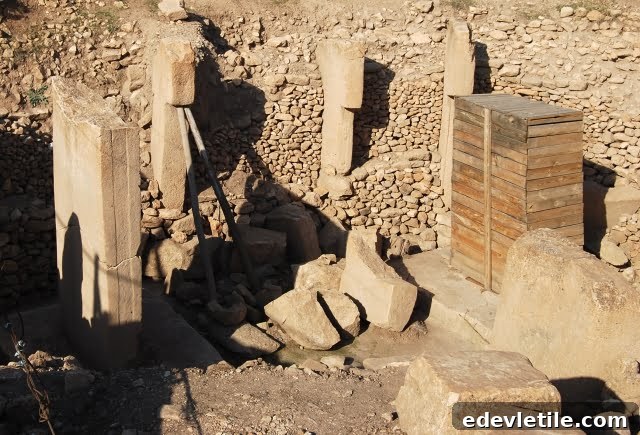
My own visit to Göbekli Tepe was motivated by the extensive coverage and intense interest it has generated. While staying in Şanlıurfa, I hired a car and drove out along quiet country roads to reach the site. To my surprise, there were very few visitors when I arrived—just a couple of locals and one attendant selling guidebooks—an atmosphere far removed from the busy tourist sites many might imagine.
Quiet days at the site meant more time to absorb the setting without crowds.
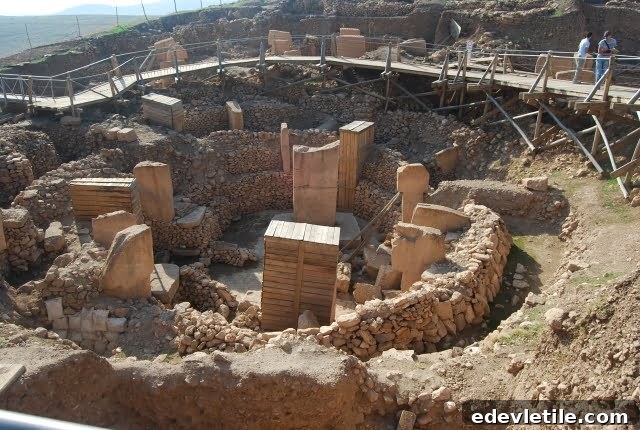
A raised wooden walkway runs around the excavated areas, allowing visitors to view the stone pillars and detailed carvings from multiple angles. Informational signs provide context about the finds and interpretations, much of which is available in published articles and online resources.
Although the site’s global significance is clear, the visible remains are compact and much of the complex remains buried and under study. For some visitors, the scale and preservation of exposed elements may feel modest compared with the grander expectations set by media coverage and speculation.
I left with mixed feelings: impressed by the implications Göbekli Tepe has for our understanding of prehistoric societies, yet also aware that much of the site remains unexcavated and that the immediate visual impact is subtler than many expect.
Reflections on Göbekli Tepe
My tempered reaction prompted some reflection. I enjoy visiting archaeological sites and often seek out lesser-known ruins during my travels. Yet several factors likely shaped my experience:
- Visiting with a knowledgeable guide can deepen understanding and highlight subtle but important details that are not obvious from signage alone.
- It’s easy to focus on the physical size of exposed remains rather than their historical significance, especially when much remains buried.
- Extensive prior reading and media coverage can set expectations so high that the site’s current state of exposure feels underwhelming.
Despite my personal ambivalence, Göbekli Tepe remains one of the most important archaeological sites for understanding the Neolithic period. If you are already traveling in the Şanlıurfa region, a visit is worthwhile for its historical value and the landscape. However, for travelers making a special journey solely to see the site, it may be worth waiting until further excavations reveal more of the complex.
If you have visited Göbekli Tepe and discovered insights that changed your perspective, I welcome accounts that shed more light on aspects I may have overlooked.