Exploring Midyat Old Town: Churches, Culture & Mardin Heritage
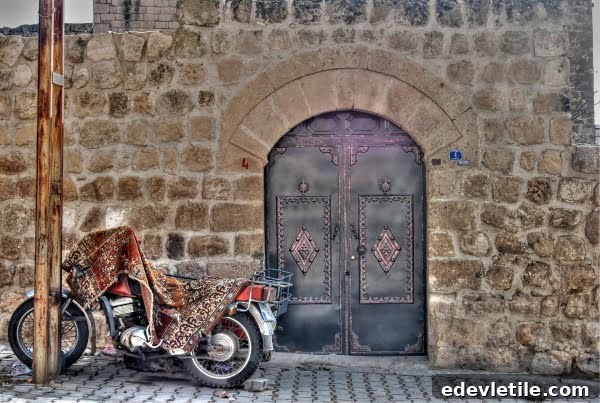
It was about an hour’s drive from Mardin to the old city of Midyat. I had hoped to spend the night, but my travelling companion disagreed. He’d driven through Midyat three years earlier and insisted there was nothing to do there, comparing it unfavourably to Mardin with its Arabic-style architecture and narrow streets.
I wanted to go because I was curious about the people who live there. A few days earlier I had read about another ethnic group in Turkey and wanted to learn more first-hand.
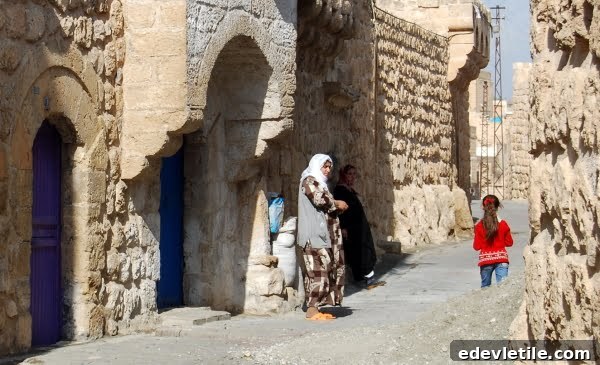
Historically, Midyat’s population included many Assyrians, also referred to as Syriac people (a distinct group, not to be confused with citizens of modern Syria). The Assyrians are an ancient Christian community with roots in early Mesopotamia. Today only a small number remain in Midyat and the neighboring Tur Abdin region, which is regarded as their heartland. Despite their reduced numbers, the old city still contains nine churches and a monastery. Languages commonly heard in Old Midyat include Turkish, Arabic, Kurdish and Assyrian.
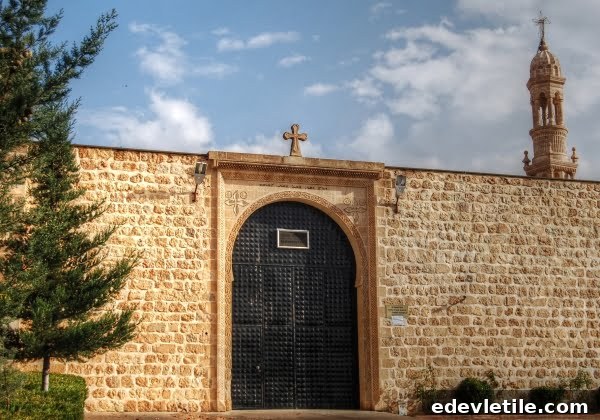
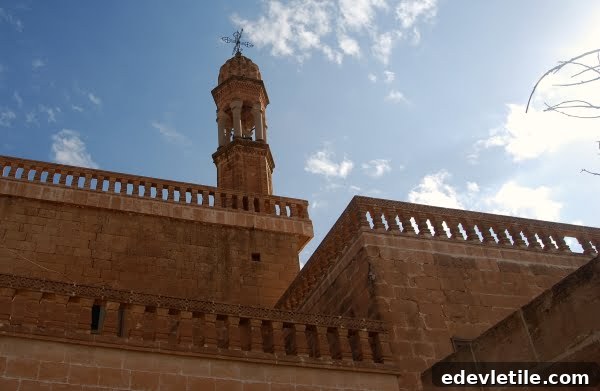
Mor Abrahom Hobel Monastery of Midyat Old City
On a winding road out of the old town stands the Mor Abrahom Hobel Monastery. The building’s condition had been a concern for leaders of the Syriac Orthodox community after reports of vandalism. To my surprise, restoration work was underway when I visited. A notice on the gate explained the closure for renovations.
Locals told me some churches remain active, while others are closed for reasons such as the death of a priest. Just as I learned the particular church I wanted to enter was closed, church bells rang across the town. I felt a little deflated, but the sound underlined how Christianity still shapes the town’s character.
The Children of Midyat
Before travelling to the southeast, I’d read warnings that children in the area might follow tourists asking for money, and advice often suggests not giving cash to discourage begging. When a child ran up to us, I braced to refuse — but he surprised me.
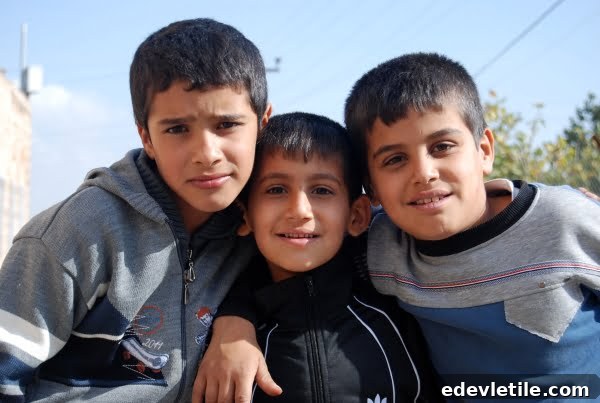
Because my husband speaks Turkish, the boy began speaking about the town’s history instead of begging. He pointed out buildings and explained their stories as we walked. I admit I felt sceptical at first, remembering the fictional child guide in Slumdog Millionaire who invented histories to impress tourists. But this boy insisted he’d learned about Midyat from school and the internet, and that summer visitors allowed children to earn pocket money by guiding them.
He didn’t beg — he offered a service — so we gave him two Turkish lira. It was a small gesture but felt right; he had worked to share what he knew.
The Culture House of Midyat
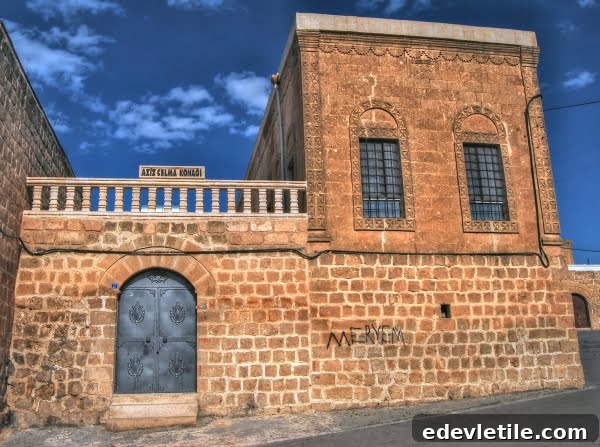
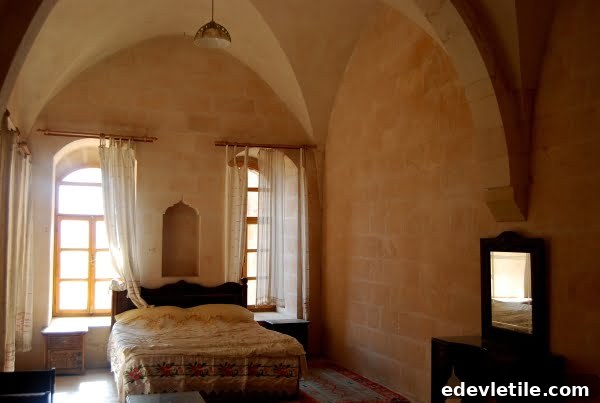
Our young guide led us to the Culture House, a restored building used in the filming of Turkish soap operas. It offered a rare chance to step inside a traditional Midyat house and see rooms furnished in customary style.
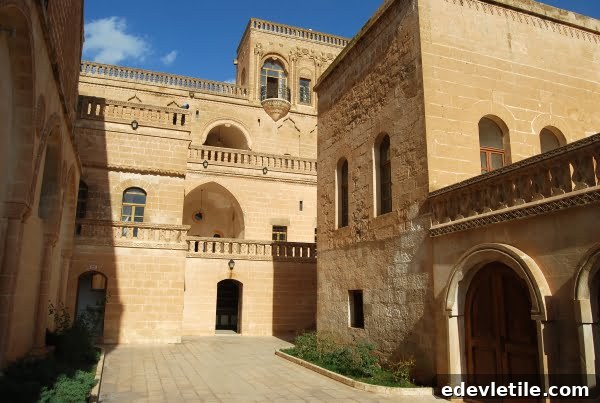
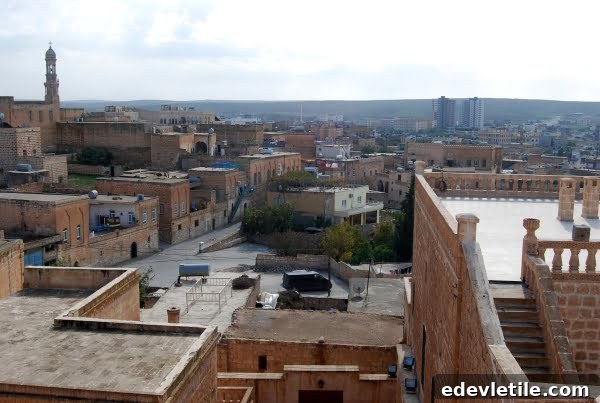
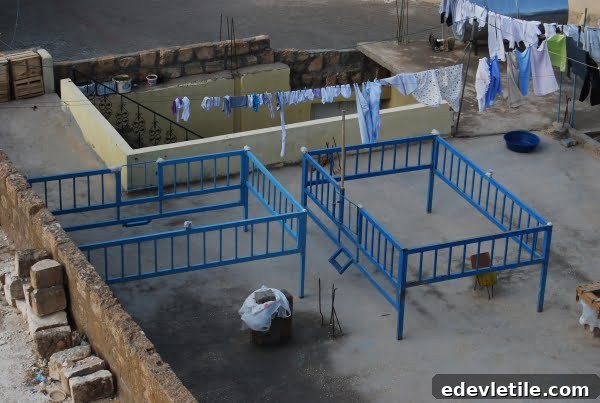
From the Culture House roof I surveyed Old Midyat. Two mosque minarets rose nearby, but Christian crosses and church bells dominated the skyline. On the rooftops I noticed blue metal frames called tahts, where families bring mattresses in the summer to sleep under the stars or use as shaded seating areas. The sight of those rooftops suggested a simple, enduring way of life.
I left Midyat that evening. Although I had walked the streets and seen much of the old town, my curiosity about the Assyrian community remained. I continue to read and learn more about their history and culture online.
Turkey’s diversity is often remarked upon, but discovering another minority group deepened my appreciation of how varied and layered this country truly is.
Further Reading
The People of Midyat — reader-submitted reflections and local information.
Academic research on the traditional houses of Midyat.
Tur Abdin — the historic homeland of the Assyrian people.
More about the Assyrian people and their cultural heritage.