Hasankeyf: Ancient Riverside City and Historical Sites in Batman, Turkey
The drive to Hasankeyf was short but unforgettable. We left Mardin and crossed countryside where nomadic shepherds tended their flocks. The sky was a threatening grey, hinting at rain, and it seemed to echo the subdued mood that hangs over Hasankeyf.
The Ancient City of Hasankeyf
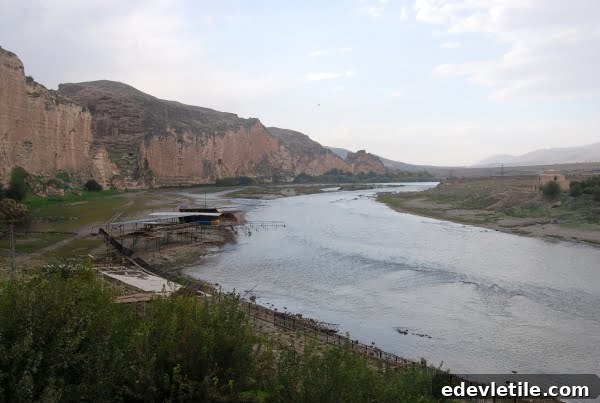
Hasankeyf faces flooding as part of the GAP project, a large-scale initiative to increase Turkey’s hydroelectric capacity. Alongside other sites in the region, an estimated 25,000 people may be displaced. Environmental groups have long challenged the plan in court, arguing that the reservoir would destroy unique habitats of plants and animals and erase irreplaceable cultural heritage.
In January, courts temporarily suspended construction because the government had not completed thorough environmental impact studies. If built, the reservoir would be one of Turkey’s largest. Ironically, much of the additional electricity is intended to serve the more industrialized western regions, while the reservoir itself would be located in the historic southeast.
No one can say exactly when—or if—the flooding will occur. Approval could come tomorrow or in a decade. But should the demand for energy outweigh the preservation of a site that has seen continuous human occupation for millennia? Hasankeyf meets many criteria for UNESCO World Heritage status, yet it has not been nominated because of the planned developments surrounding the GAP project.
The History of Hasankeyf
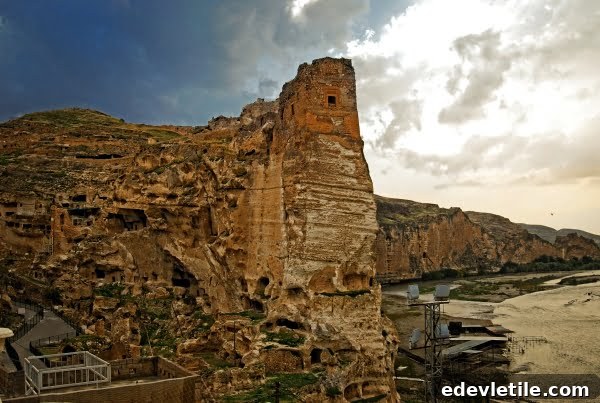
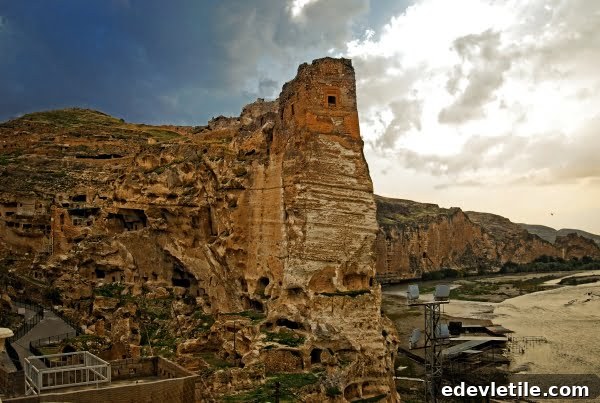
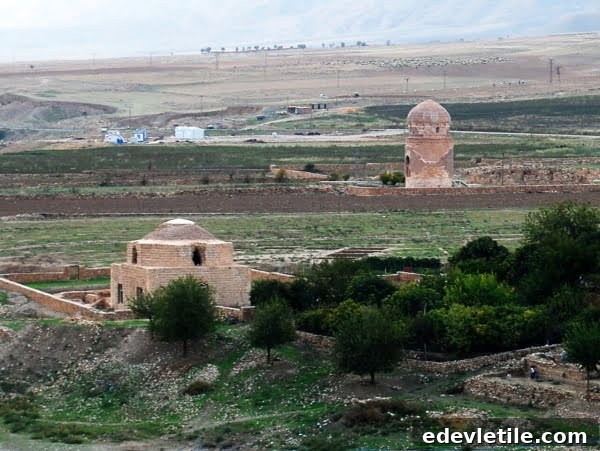
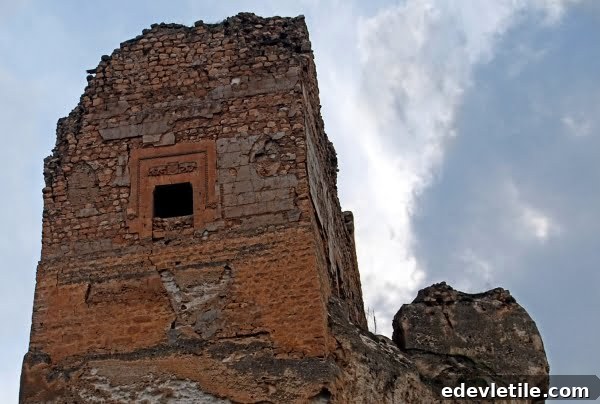
Hasankeyf’s strategic location on the Tigris River attracted many civilizations. The area has seen Persians, Hellenistic rulers such as Alexander the Great, Romans, and later the Ottoman Empire, which incorporated Hasankeyf in 1517. Surviving monuments include a mausoleum, remnants of a Roman bridge, a castle, historic mosques, Islamic tombs and palace ruins, all positioned above the seasonal rise and fall of the Tigris.
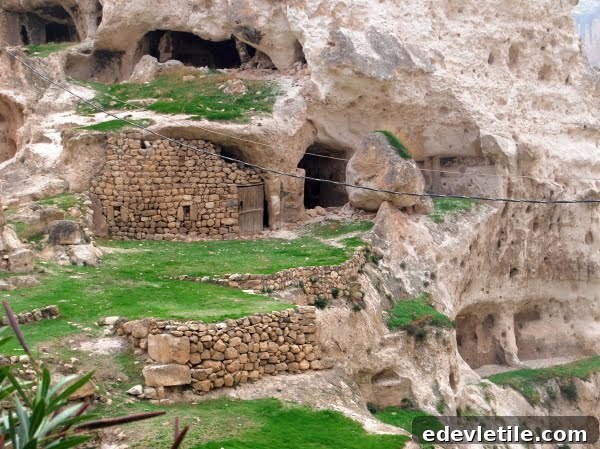
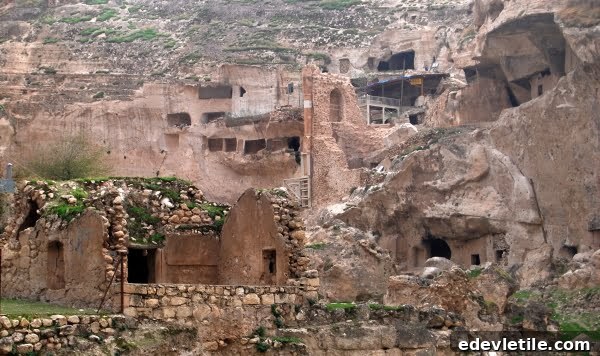
Many residents lived in cliffside caves that overlook the river; some of these are natural hollows and others were carved by hand. Historically, Hasankeyf was a stop on trade routes, including branches of the Silk Road. Locals recall stories of rainfall revealing long-buried coins—reminders of the layers of human activity that lie within the soil.
Locals of Hasankeyf
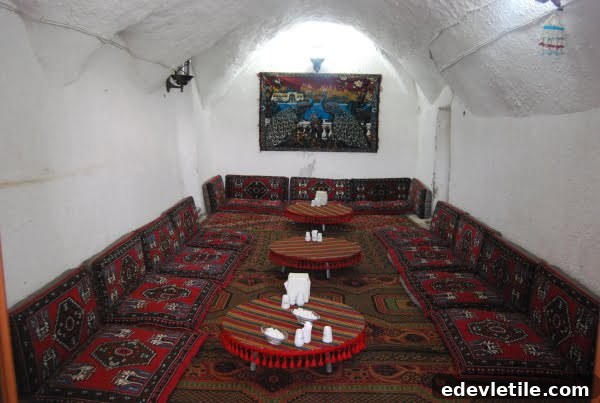
Walking toward the cave dwellings, I noticed a surprising calm among residents. Despite the looming threat, few signs of protest appeared—only one shop displayed a “Save Hasankeyf” sign. Most businesses focused on selling souvenirs and serving customers in coffeehouses. Some people have accepted government compensation and moved to a newly built settlement on the nearby hillside, while others remain uncertain.
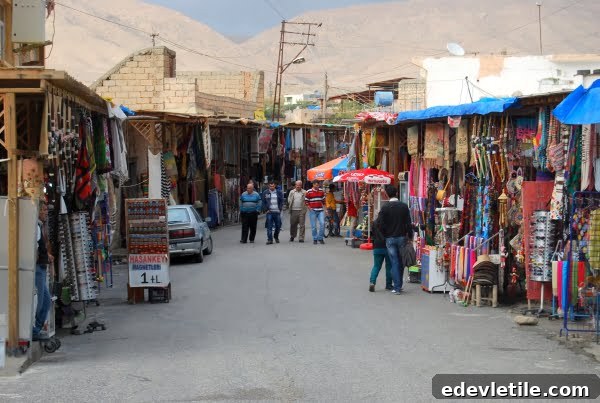
This mix of resignation and pragmatism raises difficult questions. Are residents preserving a livelihood by catering to visitors while awaiting the outcome, or have many already reconciled themselves to relocation? The complex reality is understandable: communities often balance heritage conservation against immediate economic needs.
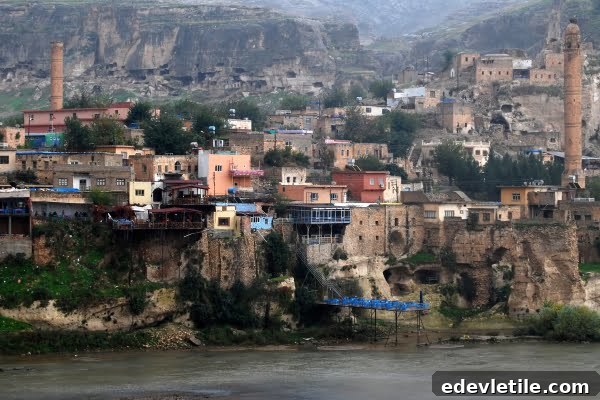
A full exploration of Hasankeyf would take weeks. Our visit was brief and centered on the caves—some natural, some manmade—that once served as dwellings and gathering places. Entry to many sites was restricted due to safety concerns; falling rock has injured visitors in the past, and natural erosion continues to threaten the old town.
What will happen to Hasankeyf?
The future of Hasankeyf remains uncertain. If the reservoir proceeds, 12,000 years of human history could be submerged. For now, the best course for visitors is to see Hasankeyf while it still exists in its present form and to reflect on the difficult choices between development and preservation.
Further Reading on Hasankeyf
More photos from Hasankeyf