Kümbet Mosque (Church of the 12 Apostles): History & Guide
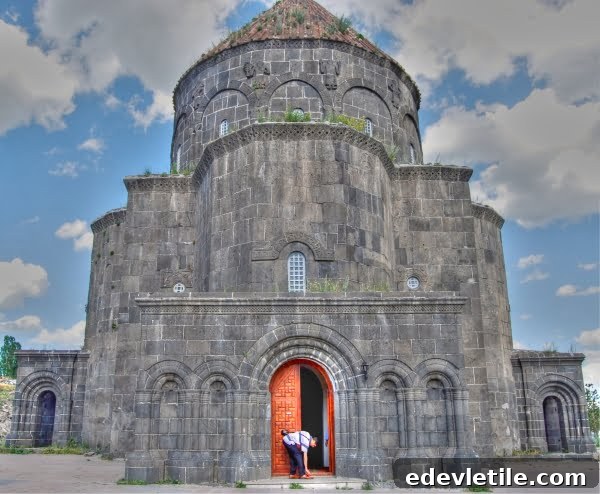
Full of excitement, I stepped into Kümbet Mosque, a must-see site in the city of Kars. Only as I was leaving did I realize I had forgotten to cover my head with a scarf, a customary request for women entering mosques — an oversight that left me feeling embarrassed.
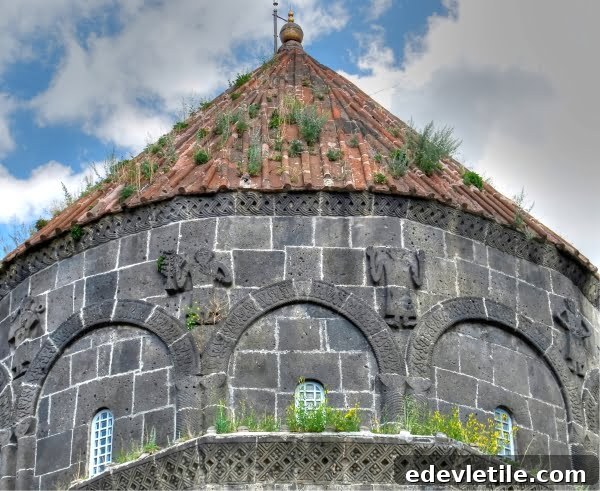
Many guidebooks, however, refer to the building as the Church of the 12 Apostles, a name that reflects its Armenian origins and its exterior architecture. That common designation can obscure the fact that the site currently functions as a mosque and has significance for Muslim worshippers.
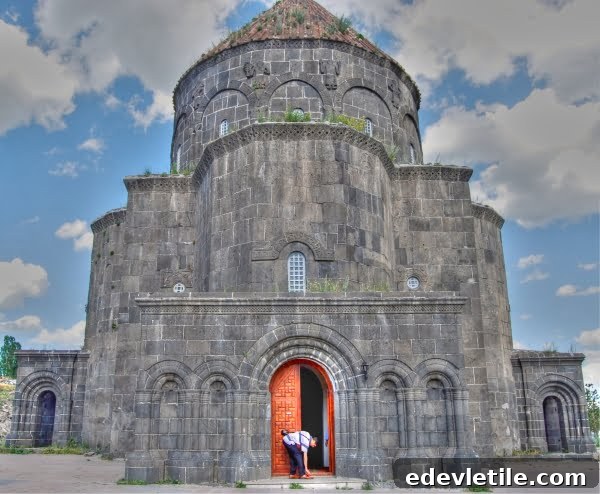
The building has a complex history, shifting between Christian and Islamic uses and even serving as a museum for a period. The following timeline summarizes its major transformations.
Timeline of the Kümbet Mosque
- Constructed in 923 AD as a church.
- Converted into a mosque in 1064 AD when the Seljuk Empire took control of Kars.
- Reconverted to a church under Russian rule from 1878 to 1921.
- Left unused and empty for many years after 1921.
- Used as a museum from 1969 to 1980.
- Reopened as a mosque in 1994 and placed under preservation status.
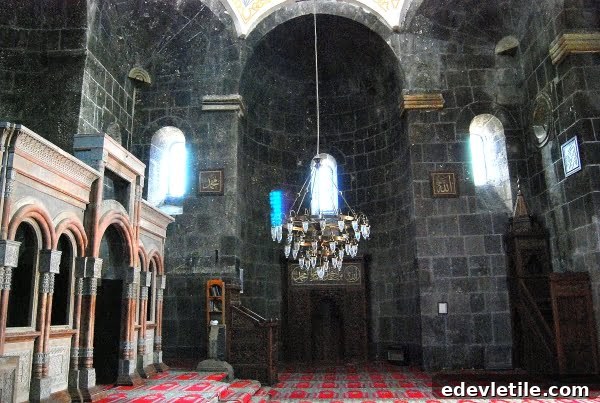
Although there is little chance the building will function again as an Armenian church, it remains widely known by that name and attracts many visitors. Its compact size means you can take in the whole interior in ten minutes, but the intricate architectural and carved details are what truly reward closer observation.
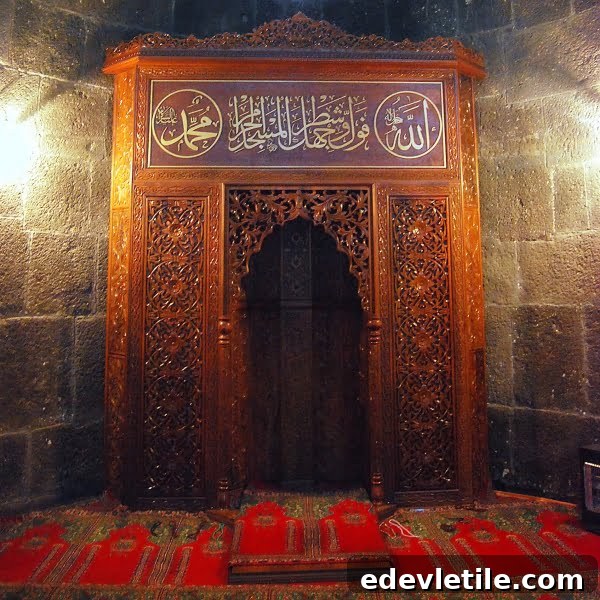
Why is it called the Church of the 12 Apostles?
The name comes from stone carvings of the apostles engraved into the dome. These figures are integrated into the building’s sculptural program and have become a defining visual element.