Budget-Friendly Turkey Travel: Smart Tips to Save Money

Turkey has changed a lot over the past decade. It’s no longer the bargain destination it once was, and budget travelers often notice the difference when comparing costs with other countries. Knowing where the main expenses occur makes it much easier to save. Below are practical tips based on my time in Turkey. If you have additional suggestions, please add them at the end.

Tips for Traveling around Turkey on a Budget
Hotels
You can save a lot on accommodation if you plan carefully. Travel dates matter: the high season runs from July through September, when many hotels raise their rates. Choosing shoulder months such as April, May or October often yields special offers and lower prices.
Walk-in rates are frequently higher than advance bookings, and bargaining will not always work—many properties won’t reduce prices unless they’re desperate for guests. Use booking comparison sites to check agency rates and look for promotional codes or discounted deals. If you plan to stay in one place longer than a month, consider renting a self-catering apartment to cut costs.
Location heavily influences hotel prices. On some trips to the Black Sea and southeastern regions, I paid more for the same comfort I found elsewhere. The Aegean and Mediterranean coasts and Istanbul have a larger supply of hotels, which helps keep prices competitive. If you’re on a tight budget, stick to those areas or accept lower standards when traveling farther east.

Cheap Food and Drink
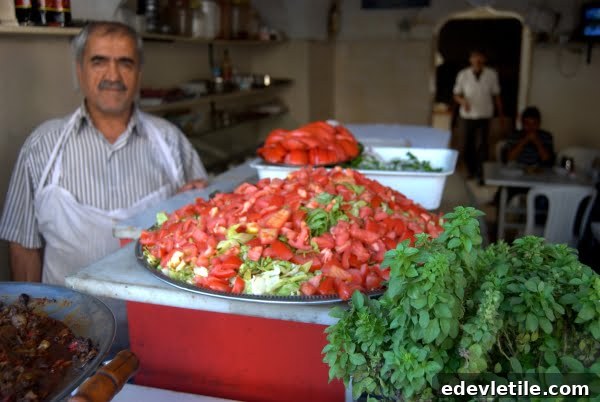
Avoid restaurants that explicitly target foreign tourists. These places are often in high-rent areas and include extras like entertainment or airport pickups that are advertised as free but reflected in higher menu prices. Instead, look for local lokantas—basic, budget-friendly restaurants frequented by residents and domestic tourists. You can often get a filling three-course meal for under 20 lira, with options for meat-eaters and vegetarians such as soups, pide, shish kebabs, omelets and salads.
Alcohol has become more expensive in recent years, and prices vary by region. Local beer might cost around 5 lira in some coastal resorts, while in Istanbul similar drinks can be double that. There’s no uniform nationwide price, so check before you buy. Avoid imported spirits if you want to keep costs down.
Saving Money on Transport
Petrol in Turkey is among the more expensive in the world, so hiring a car can be costly. If you do rent, choose a diesel vehicle and look for voucher codes to reduce costs. Keep an eye on discount sites for international flights and package deals—last-minute offers can be useful if you can travel on short notice.
Domestic flights sometimes offer bargains, but the intercity bus network is generally the most economical and reliable option. Turkish long-distance buses are comfortable and well-serviced, with frequent stops, on-board entertainment, and refreshments like tea and cakes. Travel times can be long, but the overall value and comfort make buses a great choice for budget travelers.
Medical Emergencies
Travel insurance is essential, but don’t use it for every minor ailment. Many over-the-counter medicines are inexpensive—visit a local pharmacy first if your condition is minor. Be cautious about how and when you use insurance, because in some resorts insurance can attract fraud attempts.
In some areas, private doctors and hospitals may have informal arrangements that steer insured foreigners into costly private care with extensive tests and overnight stays. To avoid unnecessary charges, consider visiting a public hospital or clinic first; many in regions with larger expat communities have English-speaking staff and provide appropriate care without excessive testing.
Money: The Small Charges Soon Add Up
- Don’t exchange money at the airport or before you leave home—rates are usually worse there. Changing currency locally often gives better value, and many exchange bureaus won’t charge commission.
- Be mindful of tipping. I usually tip hotel staff once at the end of my stay. Taxi and bus drivers typically expect passengers to round up fares rather than receiving formal tips.
- Tip in restaurants based on service and whether you had food; a 10% service tip is common when satisfied, but it’s not necessary for drinks-only orders—always check the bill to see if a service charge is included.
- Check ATM fees and foreign transaction charges with your bank before you travel. Some banks charge a fee just for withdrawing cash abroad.
- Traveler’s cheques are outdated—use ATMs instead. Businesses and banks increasingly view cheques as inconvenient and may charge commission to process them.
- Low advertised room rates are sometimes offset by extra charges for services like safes, air conditioning, mini-bars and hotel-bought drinks. Bottled water and other items can be sold at much higher prices than nearby shops.
- Cigarettes are no longer cheap—smokers should budget accordingly. For someone who smokes 20 a day, allocate a significant portion of your monthly travel budget to cover the cost.
Readers: Do you have any tips for saving money while traveling in Turkey?