Traveling from the USA to Turkey: Visa, Flights, and Tips
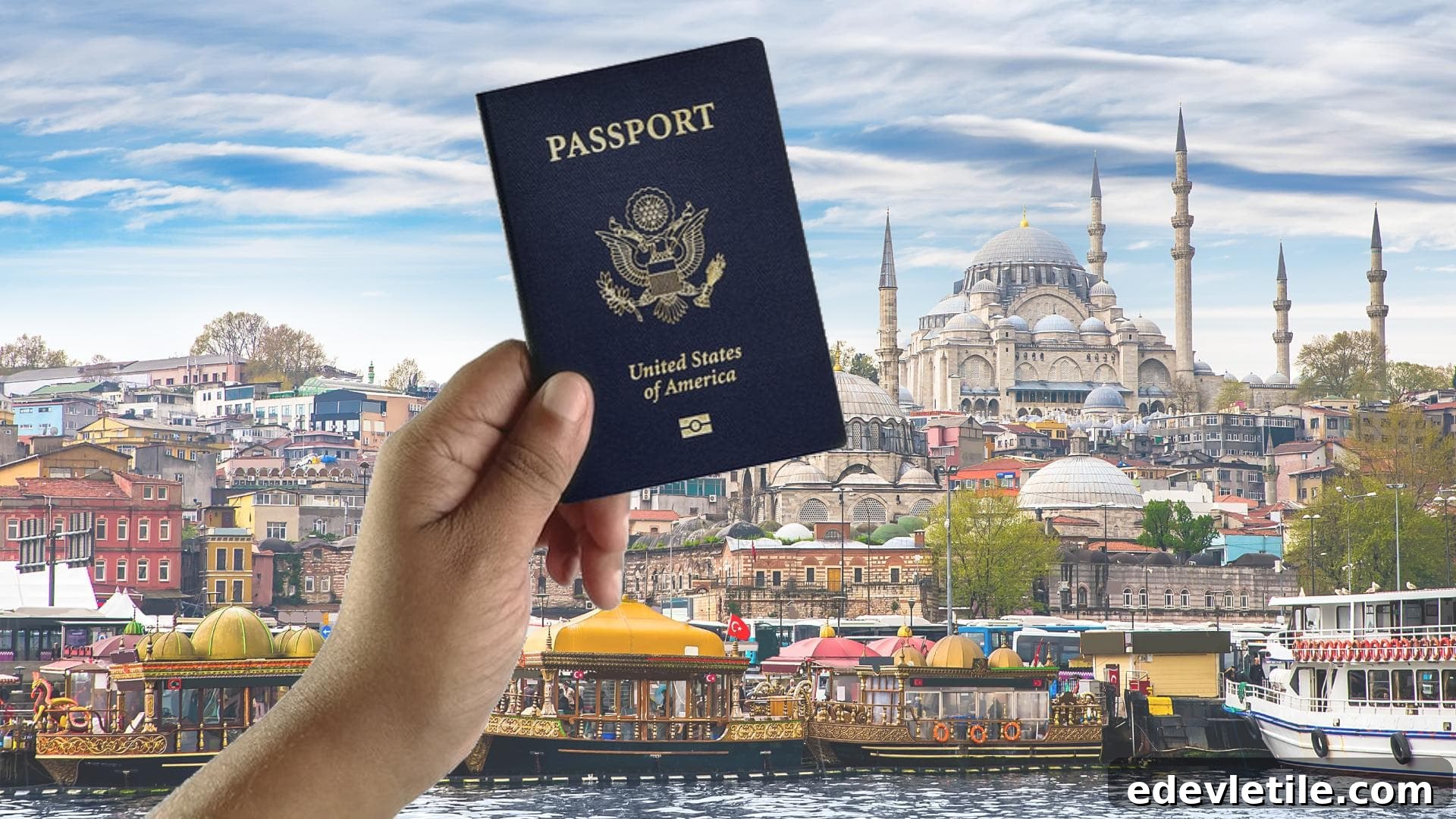
If you’re reading this, you’re likely planning a trip to Türkiye as a U.S. citizen — welcome!
From the historic grandeur of Topkapı Palace to sunrise hot air balloons over Cappadocia’s fairy chimneys and a scenic drive along the Turquoise Coast, Türkiye offers unforgettable experiences. Before you go, there are a few practical details to handle: passports, visa rules, safety, money, connectivity, and smart ways to avoid common travel hassles.
This guide covers everything U.S. travelers need to know about visiting Türkiye: entry rules, top destinations, how to get around, safety tips, and practical advice to make your trip smoother.
(Why trust this guide? I’m Ms. Kedi, co-founder of this site. I lived in California for 20 years before moving to Istanbul and have helped many friends plan trips from the U.S. to Türkiye.)
Here’s a practical, step-by-step overview to plan your trip from the USA to Türkiye.
Fun fact: U.S. citizens were the 8th most common visitors to Türkiye in 2023, with over 1.3 million visits — a 32% increase from 2022.
This guide was fact-checked and updated in January 2026.

Traveling to Türkiye Basics:
What to Know Before Your Trip
Do you need a visa to travel to Turkey?
A common question is whether American citizens need a visa for Türkiye. As of January 2024, U.S. passport holders no longer need a visa for short visits. You can stay up to 90 days without a visa. Make sure your passport is valid for at least six months from your entry date and has space for entry and exit stamps.
Safety in Turkey
Türkiye is generally safe for tourists, especially in major destinations like Istanbul, Izmir, Antalya, and Cappadocia. Safety levels are comparable to other large cities such as London or Paris. Common-sense precautions help: keep valuables secure, be aware of your surroundings, and avoid isolated areas near the southeastern border unless you travel with a knowledgeable guide.
Pickpocketing and tourist-targeted scams can happen in busy areas. Use zipped bags, keep wallets and phones secure, and avoid displaying large amounts of cash. Learning a few local safety tips will reduce hassles and let you enjoy your trip.
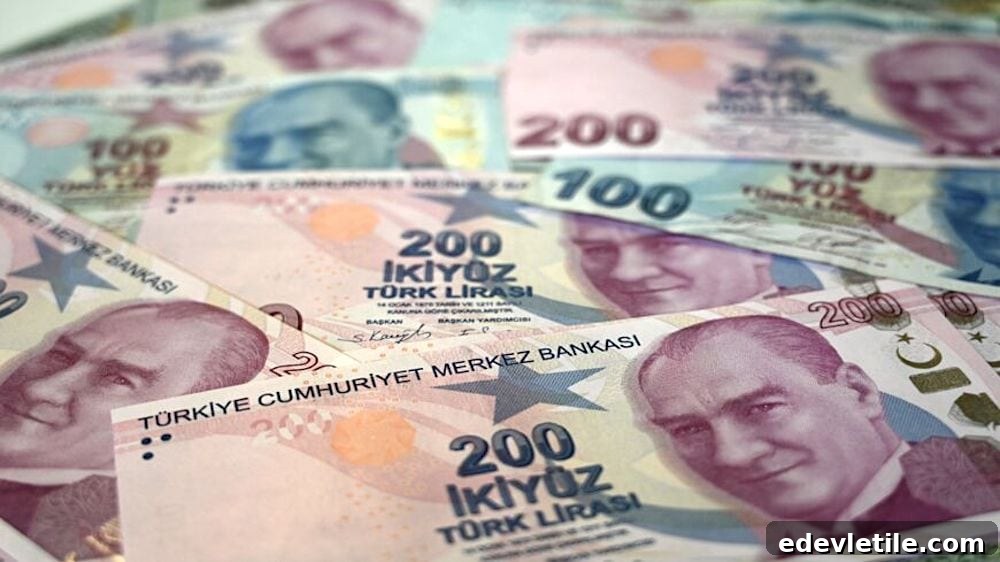
Currency in Turkey
Using cards: Credit and debit cards are widely accepted in cities and tourist areas. Notify your bank before travel to avoid card blocks. Visa and Mastercard are accepted more broadly than American Express. Consider a card without foreign transaction fees.
Cash and exchange: Turkish Lira (TRY) is the local currency. Döviz offices handle currency exchange—compare rates and read reviews before exchanging. In many tourist spots vendors may price services in USD or EUR, but paying in lira usually gives better value.
Tipping: Tipping is appreciated but not mandatory. In restaurants, 5–10% is common for good service. Rounding up taxi fares or leaving small tips for hotel staff is normal; amounts above 15% are uncommon.
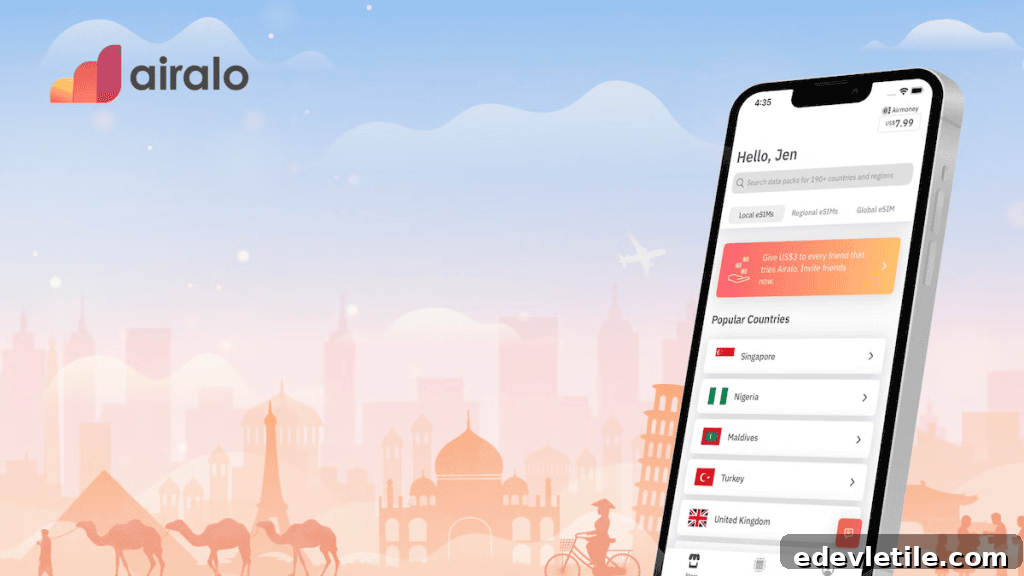
Staying connected in Turkey (SIM & eSIM Cards)
Three main mobile operators—Turkcell, Vodafone, and Türk Telekom—offer prepaid SIMs, though tourist packages at airports can be pricey. If your device supports eSIM, consider buying an eSIM plan before you travel for convenience and competitive pricing. eSIMs are widely available and easy to activate.
Other Useful Tips
Voltage: Türkiye uses 220V, 50Hz with type C and F plugs. U.S. travelers need an adapter and possibly a converter.
Health & pharmacies: Healthcare is well developed and pharmacies (eczane) are common. Many have on-call schedules outside normal hours. Pharmacies can help with over-the-counter remedies and basic needs.
Emergency number: Dial 112 for ambulance, police, and fire services; operators speak multiple languages.
U.S. consular services: The U.S. Embassy in Ankara and consulates in Istanbul, Adana, and Izmir provide consular assistance if needed.
Turkey vs Türkiye
“Türkiye” is the country’s official name in Turkish and reflects local usage. The government asked international bodies to adopt “Türkiye” instead of “Turkey” in 2021 to better reflect national identity. Both names are still commonly used in English-language content.
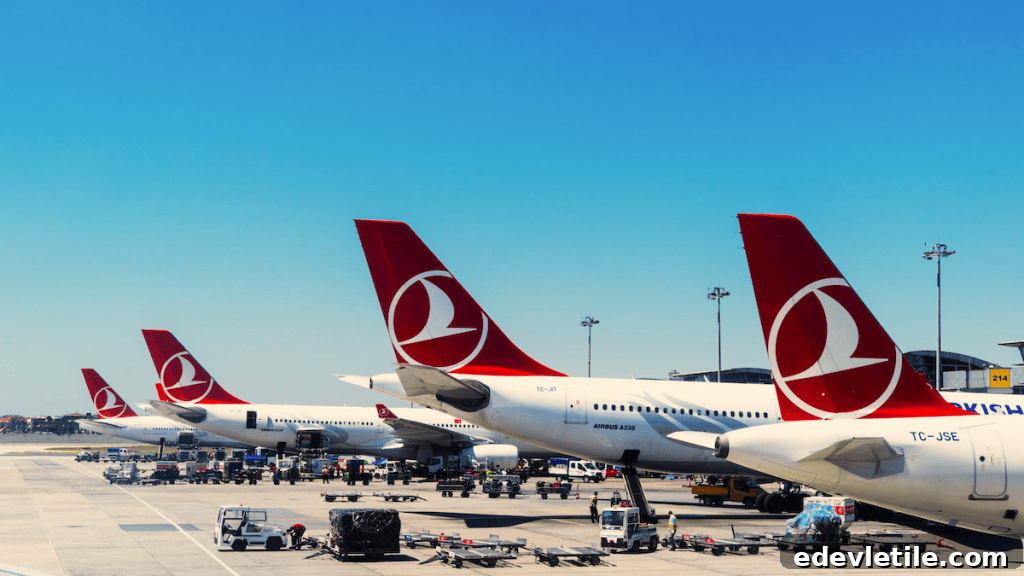
Flying to Turkey from the USA
Most travelers to Türkiye arrive by plane. Istanbul Airport (IST) is the primary gateway with direct flights to several U.S. airports, operated mainly by Turkish Airlines. Direct routes are available from major U.S. cities including New York, Newark, Washington D.C., Los Angeles, Chicago, Miami, Atlanta, Boston, Dallas/Fort Worth, Denver, Detroit, San Francisco, and Seattle.
Flight time from New York to Istanbul is around 10 hours; from the U.S. West Coast it can be up to 13 hours. If you prefer, you can also fly to a European hub and connect onward to Türkiye, which can increase route options and sometimes lower costs.
Arriving in Turkey
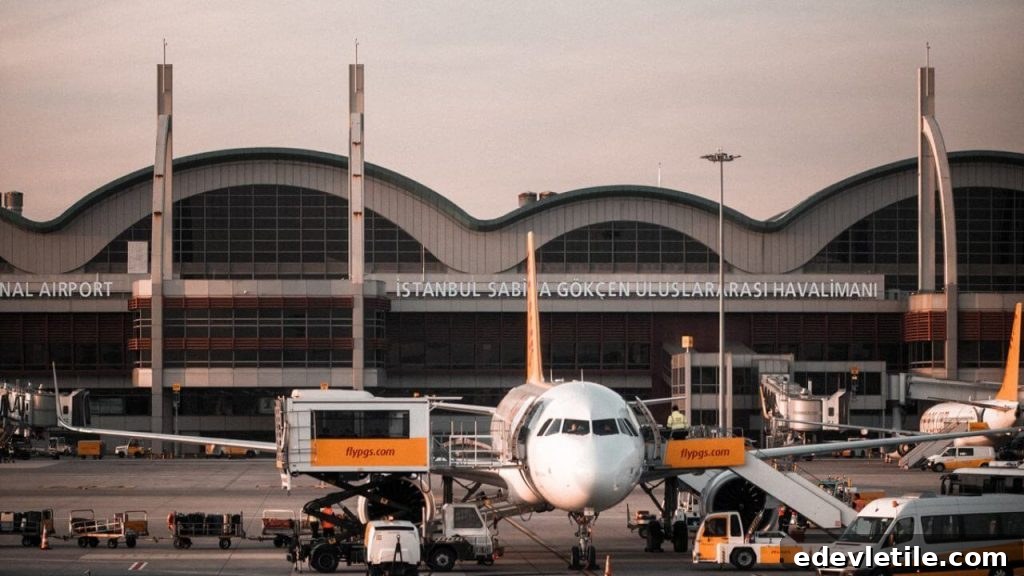
Most direct international arrivals land at Istanbul Airport (IST). Istanbul also has Sabiha Gökçen (SAW) on the Asian side; the two airports are roughly 40 kilometers apart. Check your arrival airport and any domestic connections carefully to avoid confusion.

Other Travel Options
You can enter Türkiye by land or sea from neighboring countries. Popular land crossings include Kapıkule (Bulgaria), İpsala (Greece), and Sarp (Georgia). Ferries connect Turkish coastal towns with nearby Greek islands, making island-hopping a scenic option during the warmer months.
Where to go in Turkey: Top 7 Destinations
Türkiye is vast and varied. For a first visit, prioritize these highlights:
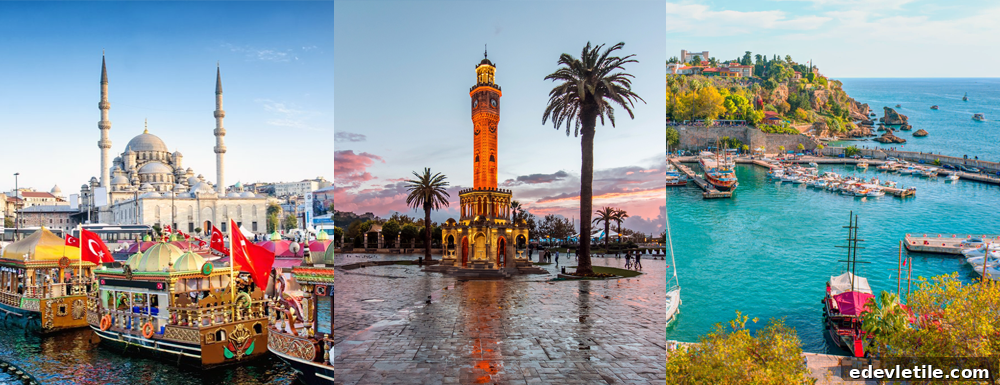
Istanbul — A must-see city where East meets West. Visit Hagia Sophia, Topkapı Palace, the Grand Bazaar, and take a Bosphorus cruise. Don’t miss the neighborhoods on both the European and Asian sides.
Izmir — A vibrant coastal city with a relaxed atmosphere, great waterfront promenades, and easy access to Ephesus, Alaçatı, and Pamukkale.
Antalya — Gateway to the Turquoise Coast, with historic Kaleiçi, beaches, and access to scenic coastal drives and resorts.

Cappadocia — World-famous for its surreal landscapes and hot air balloon rides. Explore cave dwellings, valleys, and the Göreme Open-Air Museum.
Pamukkale — Known for its white travertine terraces and thermal waters; visit ancient Hierapolis and the thermal pools.
Bodrum — A stylish seaside destination with beaches, vibrant nightlife, and historic sites like Bodrum Castle.
Where to Book Activities
Popular platforms for tours and activities include GetYourGuide and Viator. Both offer many options for guided tours, day trips, skip-the-line tickets, and unique local experiences. GetYourGuide often provides flexible cancellation and curated experiences, while Viator has an extensive global selection if you want lots of choices.
Book popular activities like a Cappadocia balloon ride, day trips to Pamukkale, or Bosphorus cruises in advance during peak seasons to secure availability.

Where to Stay in Turkey
Accommodation options range from luxury hotels and resorts to boutique hotels, hostels, and short-term rentals. Hotels are popular for amenities and breakfast service. Airbnbs have faced regulatory changes, so vet any private rental carefully to avoid cancellations.
Best Websites to Reserve Accommodations in Turkey
Book early, especially during peak season. Popular platforms include Booking.com, Agoda, and Trivago for price comparisons. Note that Booking.com may be restricted for users while physically in Türkiye, so complete bookings before arrival or use a VPN if needed.
Getting Around Turkey: Intercity Travel
Türkiye has extensive transport options: domestic flights, trains, buses, and car rentals. Choose based on distance, time, and budget.
By Plane
Domestic flights are affordable and fast. Major domestic carriers include Turkish Airlines, Pegasus, AJet, and SunExpress. Flights are a good choice when you want to cover long distances quickly and save time for sightseeing.
By Car
Roads are generally well maintained and clear. Renting a car is straightforward with a valid U.S. driver’s license; car rental agencies usually copy your passport and entry stamp. Road trips are ideal for coastal routes and rural areas.
By Train
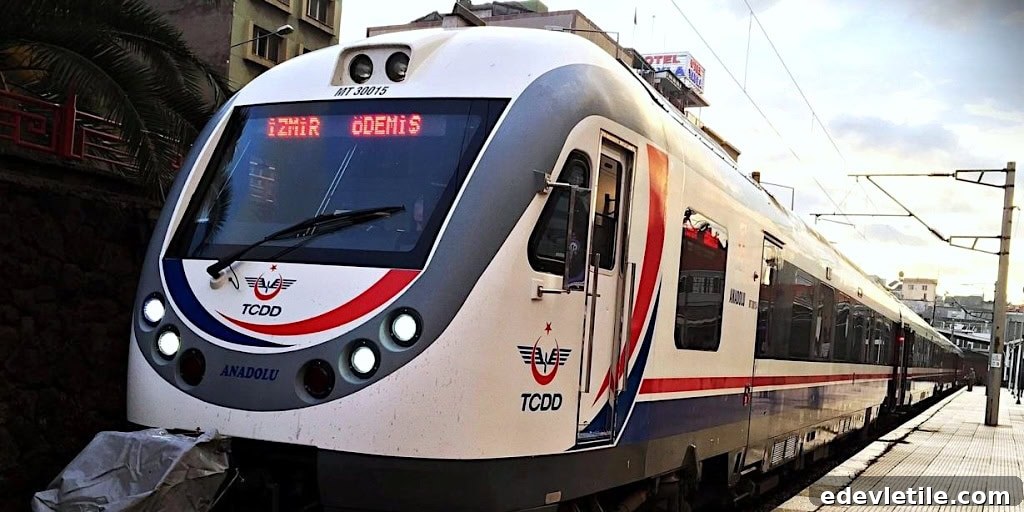
The rail network is extensive, with high-speed lines connecting major cities. Popular trains include the Istanbul-Ankara high-speed route and scenic services like the Eastern Express and Van Lake Express.
By Bus
Buses reach almost every town and are budget-friendly, though travel times can be long compared with flying. Major companies include Kamil Koç, Pamukkale Turizm, Metro Turizm, and Efe Turizm.

Further Reading
For more detailed planning, check our top guides: how to plan a trip to Türkiye, common travel mistakes, essential Turkish phrases, SIM & eSIM advice, scams to avoid, and regional destination guides. These resources help you customize your itinerary and travel with confidence.
-
17 Less-Touristy Alternatives to Istanbul’s Most Famous Attractions
So you’ve already ticked off the classic “first-time tourist” Istanbul checklist of the Blue Mosque, Hagia Sophia, Topkapi Palace, Istiklal…
-
Topkapi Palace Travel Guide: Everything You Need to Know from a Local
Planning a visit to Topkapi Palace in Istanbul? This travel guide covers everything you need to know! Maybe you’ve watched…
-
Ultimate Guide to SIM & eSIM Cards in Turkey: Everything You Need to Know (Prices, Where to Buy, Coverage, etc)
Planning a trip to Turkey and wondering how to stay connected? Keep reading — we talk about the best SIM…