Traveling to Turkey During Ramadan 2026: 20 Essential Tips
If you’re considering visiting Turkey during Ramadan, this guide will answer the most common questions and help you plan your trip.
Ramadan is a month of fasting, prayer, community and celebration. For travelers that raises questions like: Should I visit Turkey during Ramadan? What are the dos and don’ts? What stays open? This article summarizes what to expect, how locals observe the month, and practical tips for tourists.
Below you’ll find an overview of Ramadan in Turkey, how traditions are observed across cities, and a dedicated section with travel tips and cultural customs for visitors.
In 2026, Ramadan in Turkey will be from February 18 to March 19, and Eid al-Fitr is from March 20 to 22.
A couple of helpful notes before you read on:
📍 Turkey is a secular republic by constitution, while about 98% of the population identifies as Muslim. Observance varies by individual—some people fast, others do not.
📍 The Turkish word for Ramadan is Ramazan, but this guide uses the more widely recognized term. To wish someone well in Turkish you can say Ramazan ayınız mübarek olsun (Have a blessed Ramadan month), Ramazan Bayramınız kutlu olsun (May your Ramadan be blessed), or the shorter İyi Bayramlar.
This article was fact-checked and updated in January 2026.
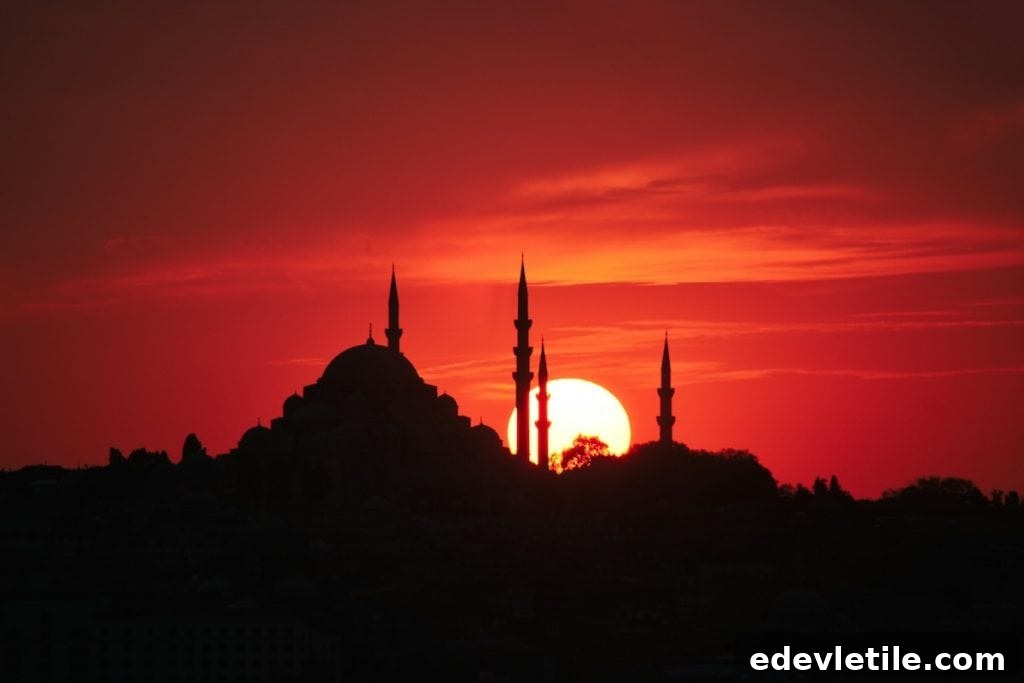
What is Ramadan?
What is Ramadan?
Ramadan is the ninth month of the Islamic lunar calendar and is observed as the holy month when the Quran was first revealed to the Prophet Muhammad. The month lasts 29 or 30 days depending on the moon, and it concludes with the three-day festival of Eid al-Fitr.
Why do people fast during Ramadan?
Fasting during Ramadan is one of the Five Pillars of Islam. From dawn to sunset, practicing Muslims abstain from food, drink (including water), smoking, sexual activity and excessive idle talk. The fast is intended as a time of spiritual reflection, self-discipline, increased charity and reading the Quran.
Not everyone fasts: children, pregnant or nursing women, the sick, the elderly and others are exempt, and some individuals simply choose not to fast.
What happens during Ramadan in Turkey
Two meals frame each fasting day: sahur, the pre-dawn meal, and iftar, the evening meal that breaks the fast. In many neighborhoods you’ll still find traditional drummers who wake people for sahur, and after sunset roads, restaurants and markets become lively as people gather for iftar. Many restaurants offer special iftar menus and you’ll also see communal iftar tents where people can eat together.
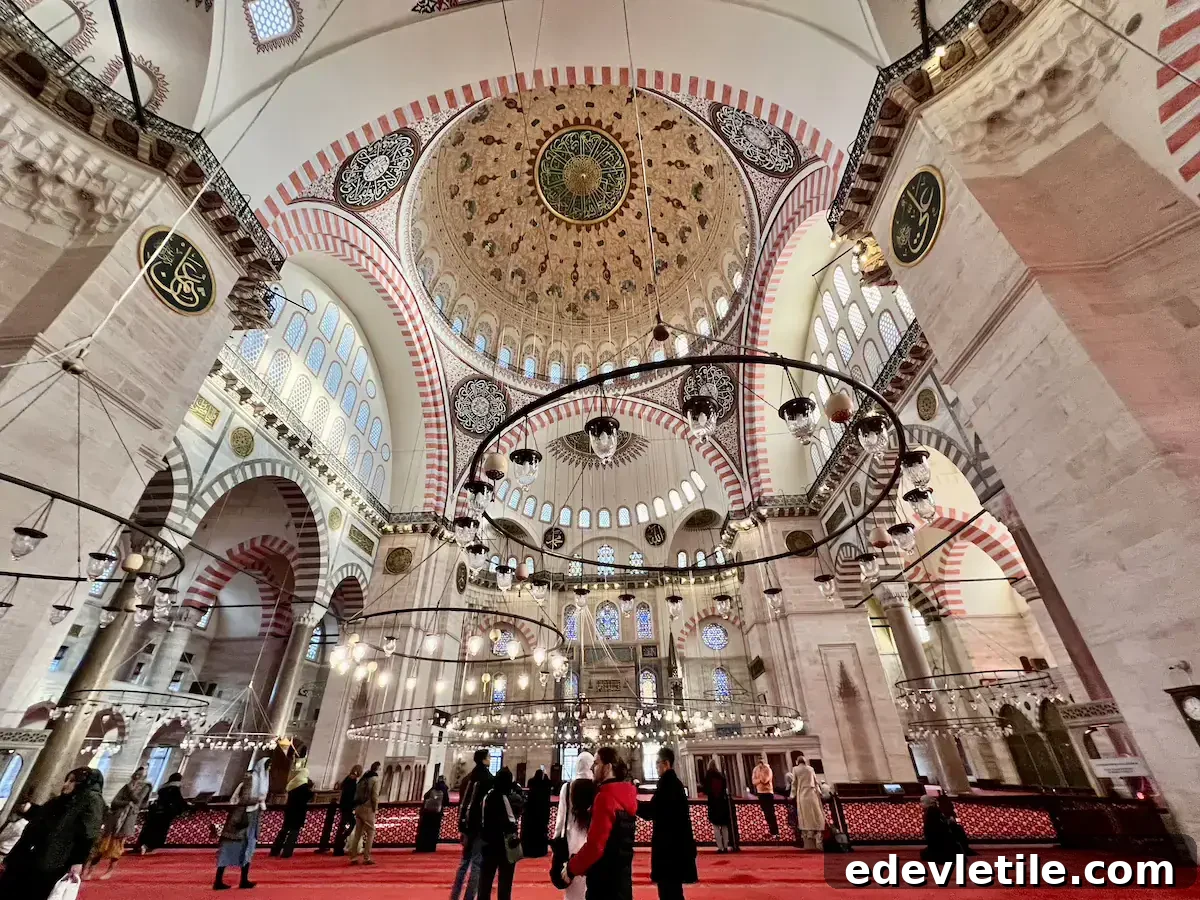
Ramadan in Turkey: What to Expect
Your experience depends heavily on location. Cities like Istanbul, Izmir, Ankara and coastal resort areas generally operate much as usual and remain tourist-friendly, while smaller towns and conservative regions may close shops and restaurants during daylight hours.
Even within a city, neighborhoods differ: some areas are quieter and more traditional, others are more liberal and remain busy throughout the day. If you plan to visit a specific restaurant or attraction, check its hours in advance—many businesses post Ramadan hours on social media.
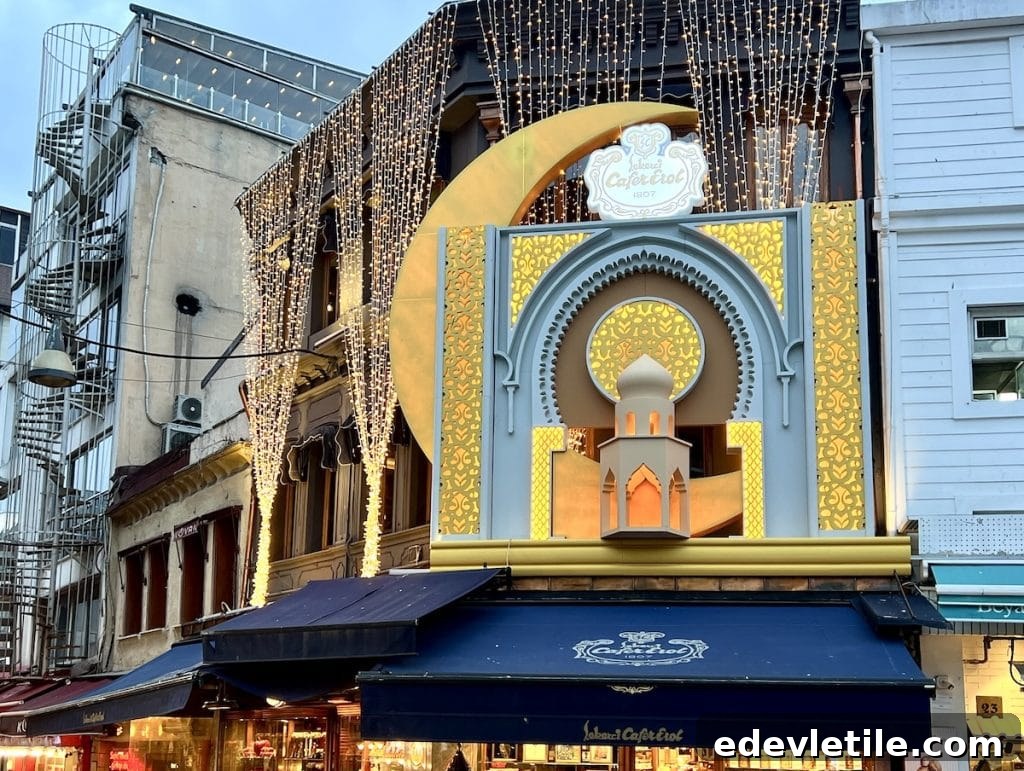
Daytime vs nighttime
Daytime can feel quieter as many people rest or avoid eating in public, while nights—especially around iftar—are lively. Expect crowds on public transport and streets near sunset as people head home to break the fast or meet friends and family.
Eating and drinking during Ramadan in Turkey
Tourists are not expected to fast. It is acceptable to eat in restaurants, cafes and hotels, but out of respect it’s considerate to avoid eating, drinking or smoking in public during fasting hours when possible. Many establishments remain open in larger cities, and some provide special iftar menus.
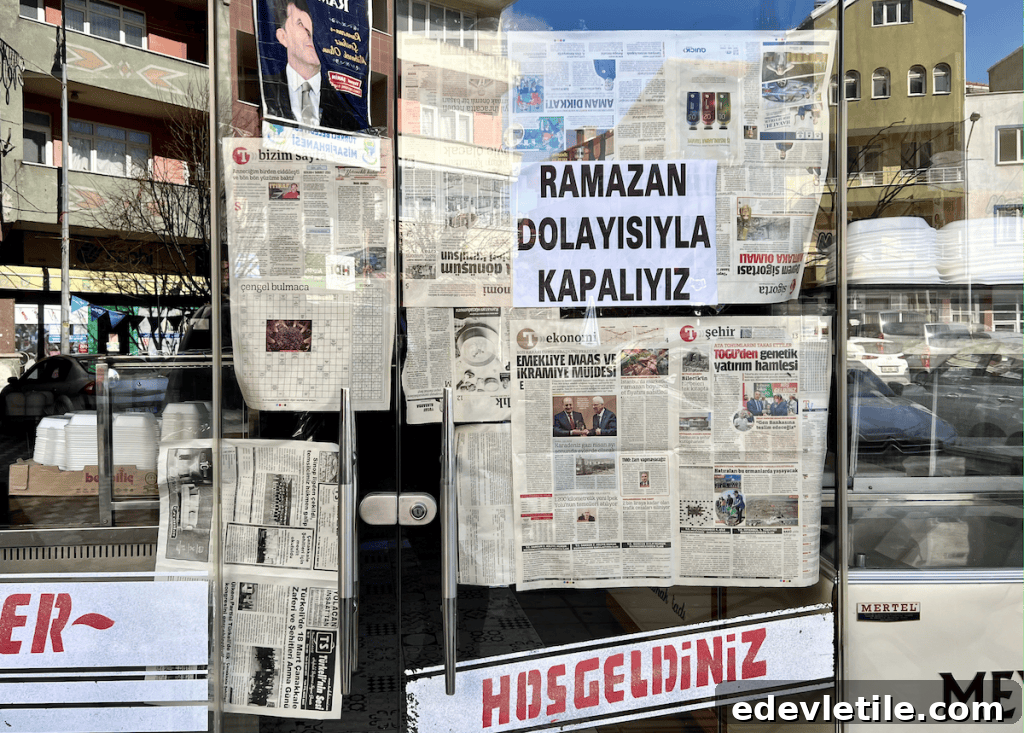
What’s open during Ramadan in Turkey? Restaurants & business hours
In major cities and tourist areas most restaurants, shops and attractions stay open, though hours may shift to accommodate iftar crowds. In smaller or more conservative towns, daytime closures are more common. Tourist attractions usually remain accessible, but check specific opening times for holidays such as the first day of Eid when some sites may close.
Elements of Ramadan
Several visible traditions accompany Ramadan in Turkey:
A spiritual atmosphere
Streets, shops and homes are often decorated and the general atmosphere becomes more reflective and festive at night.
Ramadan lights
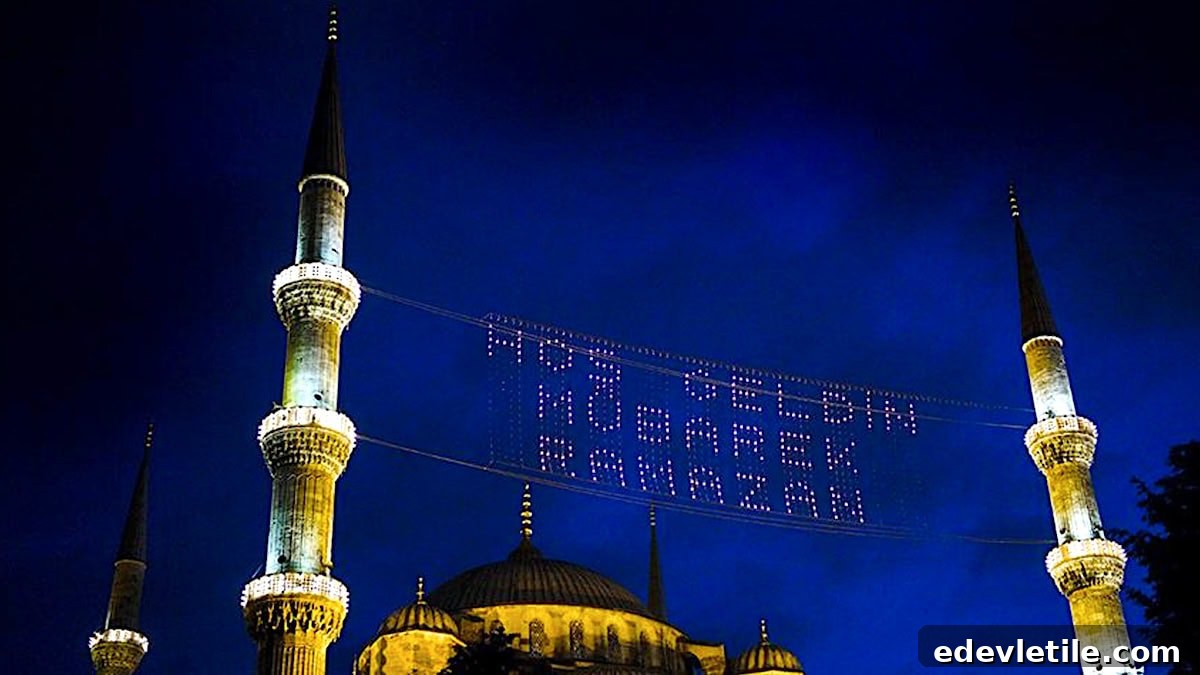
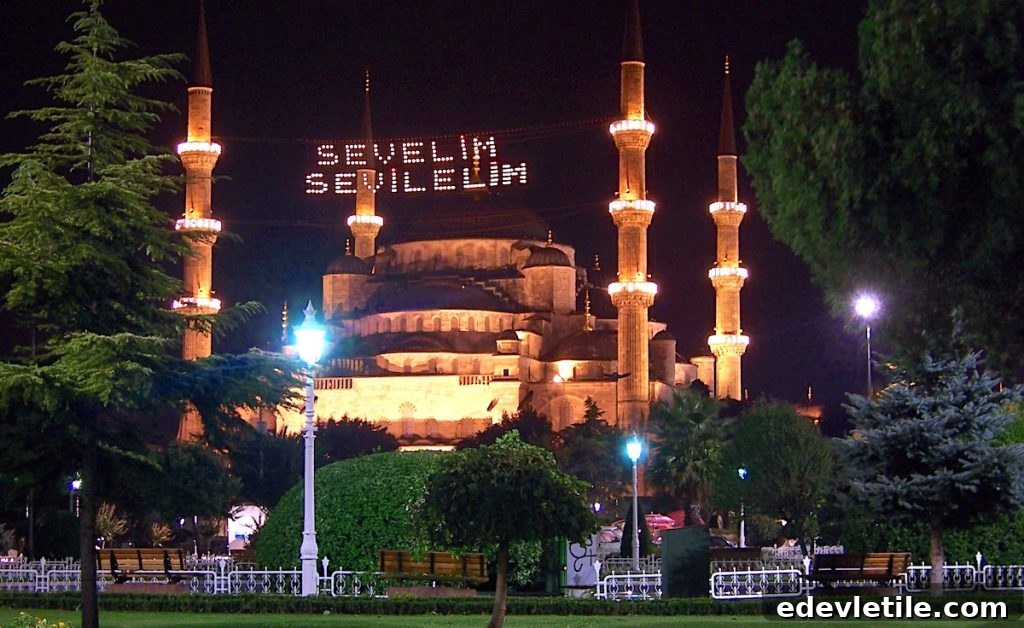
Mahya lights—illuminated messages strung between mosque minarets—are a unique and charming feature of Ramadan evenings in many cities.
Ramadan drummers
Traditional drummers (Ramazan davulcusu) have historically wandered neighborhoods before dawn to wake people for sahur. The practice still exists in places though it’s less common than in the past.
Ramadan cannons
In some towns cannons were used to signal iftar time. This tradition survives in a few places, though modern apps and clocks have largely replaced it.
Special Ramadan food
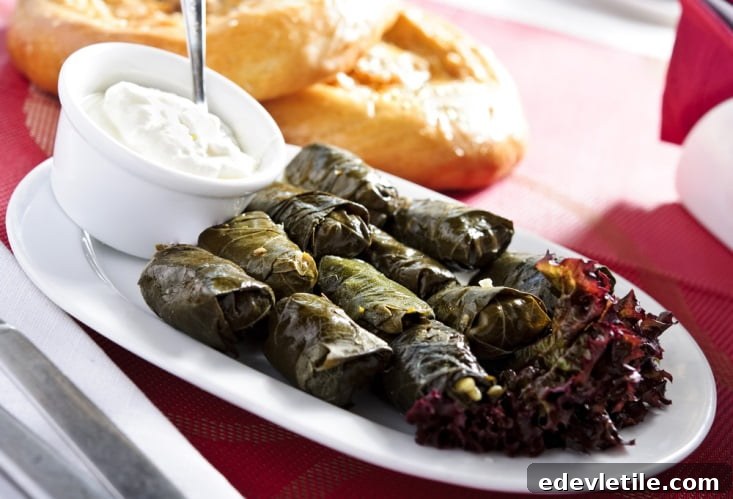
Common Ramadan foods in Turkey include dates, special Ramadan pide (a soft circular bread), and güllaç (a milky dessert made with thin pastry layers). Soups, stews and hydrating drinks such as sherbet are also popular for breaking the fast.
Experiencing Ramadan in Turkey: Do’s & Don’ts
Practical etiquette and tips for tourists:
📍 Can tourists eat during Ramadan? Yes. Guests are not expected to fast. Eat inside restaurants or cafes and avoid consuming food, drink or smoking openly in public during fasting hours to show respect.
📍 Try visiting popular restaurants an hour or two before sundown—crowds often thin as locals hurry home to break their fast.
📍 Expect generosity—locals often share food during iftar and hospitality is common.
📍 Avoid planning important travel during the hour before iftar. Public transport becomes extremely busy as people return home to break their fast.
📍 Download an app with sahur and iftar times or search for local iftar times to plan activities.
📍 Look out for free iftar tents in many neighborhoods—these provide meals for those who cannot get home in time.
📍 If people seem tired or quiet, it’s often due to the mental and physical demands of fasting—this is normal and not personal.

Eid in Turkey
Eid al-Fitr (Şeker Bayramı, or “festival of sweets”) marks the end of Ramadan. It is a joyous time with special prayers, family visits, sweets and charitable acts. Children often greet elders respectfully and receive sweets or small gifts in return.
Eid is one of the busiest travel periods in Turkey. If possible, avoid traveling on the first day(s) of Eid—airlines, buses and trains are crowded as people return to hometowns, public transport can be packed, and many tourist sites are closed on the first day of Eid.
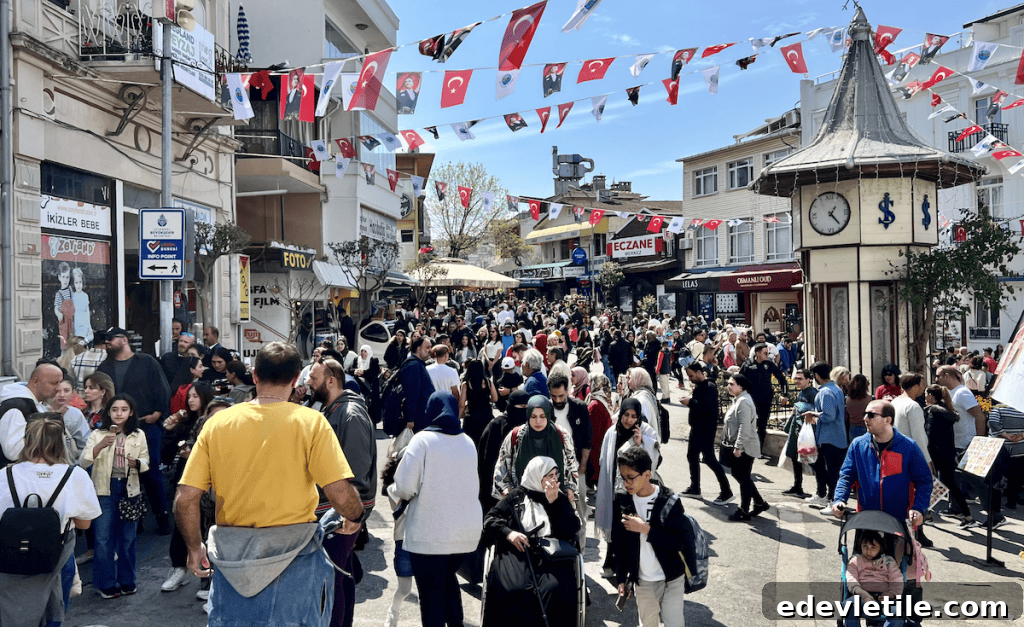
Cities such as Istanbul can become extremely crowded over Eid as people travel and many events occur in public spaces. Plan ahead if you must travel during this period.
Questions & Answers
When is Ramadan in Turkey?
The dates of Ramadan change yearly with the lunar calendar. In 2026, Ramadan will be February 18 to March 19, and Eid al-Fitr March 20 to 22. Future dates shift earlier by about 10–11 days each year.
Does Ramadan affect tourists in Turkey?
Impact varies by location. Major cities and resort areas generally remain tourist-friendly with services operating normally. Smaller towns may observe Ramadan more visibly, with daytime closures and quieter streets.
Is alcohol available during Ramadan in Turkey?
Yes. Alcohol is still sold in stores and served in many restaurants and bars throughout Ramadan, particularly in urban and tourist areas.
Are restaurants closed during Ramadan in Turkey?
Most restaurants in tourist areas and big cities remain open. In more traditional or rural areas, some eateries close during the day and open at iftar.
Are attractions closed in Turkey during Ramadan?
Most tourist attractions remain open, though hours may change on special days such as the start and end of Ramadan. Check individual attraction schedules for precise details.
What are the drums during Ramadan in Turkey?
Those are Ramadan drummers who traditionally wake residents for sahur. It’s a cultural practice still seen in some neighborhoods.
Is everything closed in Istanbul during Ramadan?
No. While some local businesses may adjust hours in certain neighborhoods, most tourist-oriented shops, restaurants and attractions in Istanbul stay open. Always check hours ahead of time.
Is Turkey busy during Ramadan?
Daytime may feel calmer in many places, but nights are lively. Eid al-Fitr is particularly busy as people travel to visit family and friends.
What are some traditional Ramadan foods in Turkey?
Traditional foods include dates, Ramadan pide, güllaç and various soups, stews and sweet treats served at iftar.
Does public transport operate as normal in Turkey during Ramadan?
Public transport generally runs as normal, though it can be especially crowded around iftar and during Eid. Some cities adjust schedules or extend services for holiday travel.
Photo credits: Sunset – Osman Köycü | Mahya lights – Uğur Başak | mosque ceiling – Bady Abbas | lamps – lemonmelon
Don’t Leave Before Checking Out These Posts
-
45 Best Turkish Souvenirs: The Only Guide You’ll Need!
Wondering what to bring back from a Turkey trip? Here’s a curated guide to the best souvenirs and things to buy in Turkey.
-
Ultimate Guide to SIM & eSIM Cards in Turkey
Planning a trip to Turkey and need mobile data? This guide explains SIM and eSIM options, prices and where to buy.
-
200+ Essential Turkish Travel Phrases for Tourists
Learn key Turkish words and phrases to use on your trip, including pronunciation tips for common situations.