Seven Sleepers’ Cave in Ephesus: History, Legends & Visiting Tips
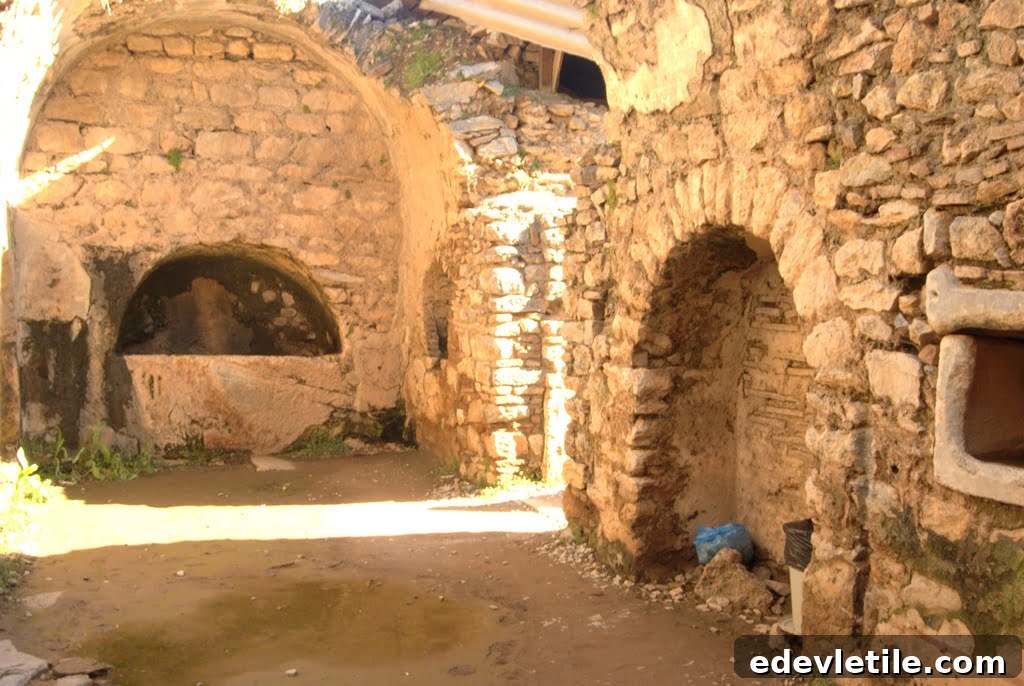
Visiting the Cave of the Seven Sleepers near the ancient ruins of Ephesus — once one of the largest cities of the Roman Empire — proved to be a disappointment. Before my trip I had read numerous accounts describing graves, a church and ancient inscriptions on the walls. Instead I found three walls of rust-colored brick that could have been part of an old village house.
My guide, wearing an “I told you so” smile, assured me we were in the correct spot, but I could not summon much excitement despite the site’s Biblical significance.
About the Cave of the Seven Sleepers
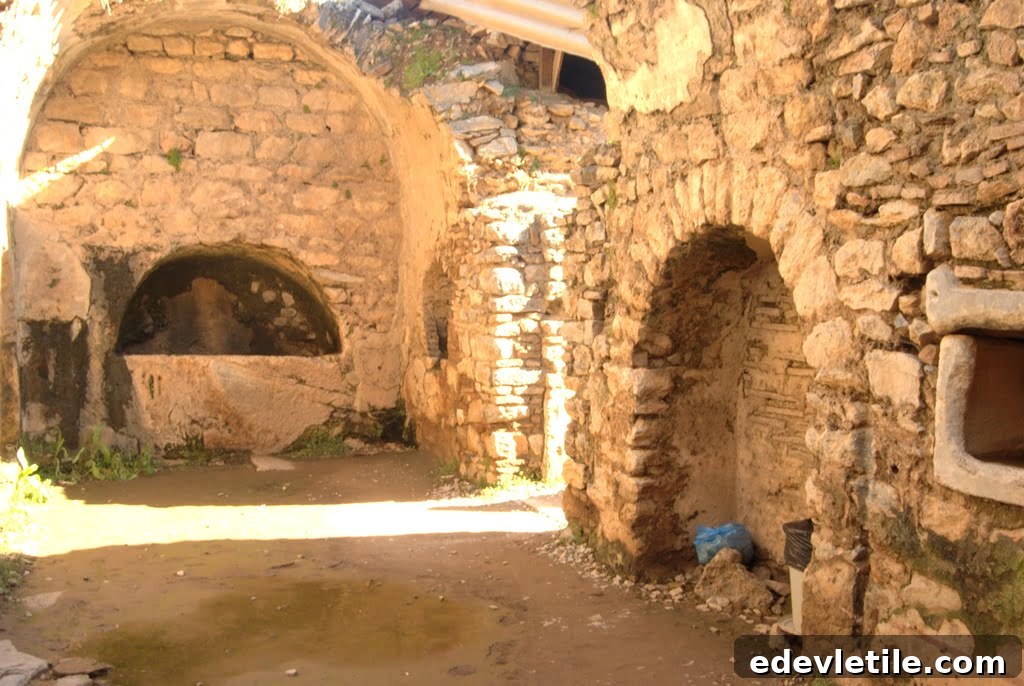
The tale of the Seven Sleepers appears in Christian tradition: seven men during Roman times were said to have taken refuge in a cave to escape religious persecution. According to the account, they slept for nearly 200 years and woke to find their faith openly practiced in the nearby city of Ephesus. The Qur’an also relates a similar story, though it does not specify the number of sleepers and includes the presence of a dog.
After they died of natural causes, they were reportedly buried in the same cave where they had slept. Over time the site became a place of pilgrimage, then fell into disrepair until excavation and restoration work in 1927 reopened it to visitors.
Mark Twain and His Visit to the Cave
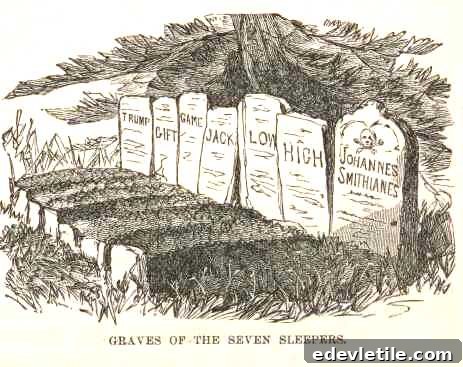
In chapter 40 of The Innocents Abroad, Mark Twain writes about his visit to Ephesus and the cave, albeit with a different spin. Twain’s retelling is satirical — he suggests the sleepers fell asleep after drinking a strange liquor — and he uses the story to poke fun at local legends and superstitions rather than describe archaeological detail.
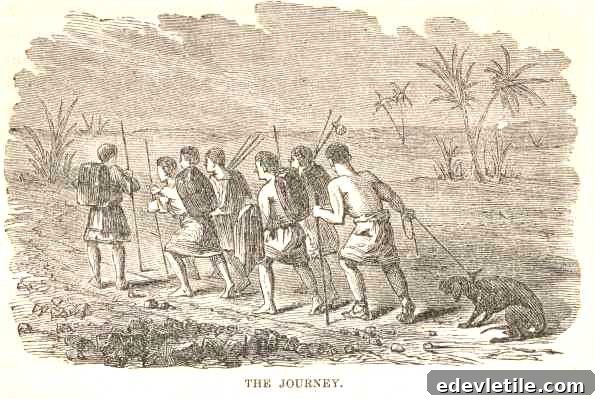
Reading Twain’s account makes it clear he intended to mock the credulity of travelers and locals who treated the legend with great seriousness. He wrote that even centuries later some travelers refused to linger inside the cave for fear of falling asleep and waking generations later.
My Visit to the Seven Sleepers Cave
Locally known as Yedi Uyuyanlar, the first sign that the site would not match expectations was the car park: no tourist coaches, no crowds. Ephesus itself attracts hundreds of coaches daily, yet we were essentially alone.
Facilities matched the quiet atmosphere. To use the restrooms at the nearby restaurant I crossed the road and found a single port-a-cabin at the edge of a grassy field. Clearly, operators were not anticipating high visitor numbers.
An eager skeptic might have smirked, but I walked up the path across green grass toward the rock formation. The spot felt ordinary rather than evocative. I could have spent five minutes there and left without feeling I’d missed anything, and I felt a little guilty for persuading my travel companions to visit.
Further reading after the visit revealed that parts of the area are fenced off, so I may have missed some features. Some sources even suggest climbing through a hole in the fence to see more, but I preferred to keep my visit lawful and straightforward.
There are other sites claiming to be the Cave of the Seven Sleepers — for example, a cave in Jordan — which highlights how legends can be claimed by multiple locations. If you are in the area and have time, the cave can be worth a brief detour for its atmosphere and connection to the ancient story. However, it is not a must-see destination on its own unless you have a particular interest in the legend or local history.