Top Places to See Ottoman Houses Across Turkey
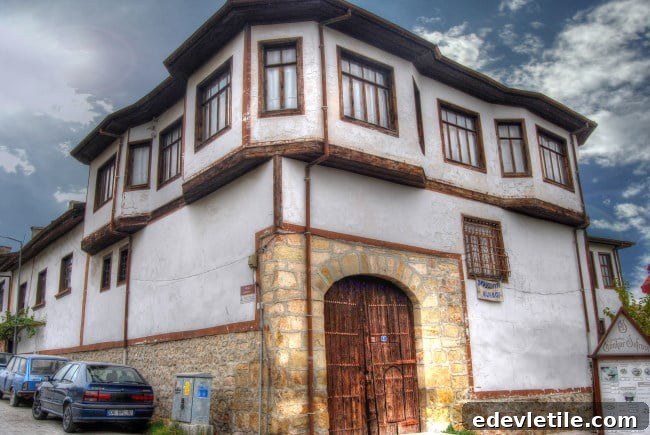
Beypazarı is a favored weekend escape for many Turks, especially visitors from Ankara and Istanbul. Before my trip I had assumed I knew most of Turkey’s notable places, yet Beypazarı was new to me — a pleasant surprise given the town’s reputation for well-preserved traditional Ottoman houses.
Ottoman Houses of Beypazarı
I arrived at night, so my first encounter with Ottoman architecture was my hotel — a converted period house. The restoration respected the original structure and the interior décor carried the historical theme throughout the building.
At first I was confused because my room seemed to lack a visible bathroom, until I discovered that a wardrobe door cleverly concealed the bathroom entrance. This practical use of space is a common feature in many traditional houses in Beypazarı.
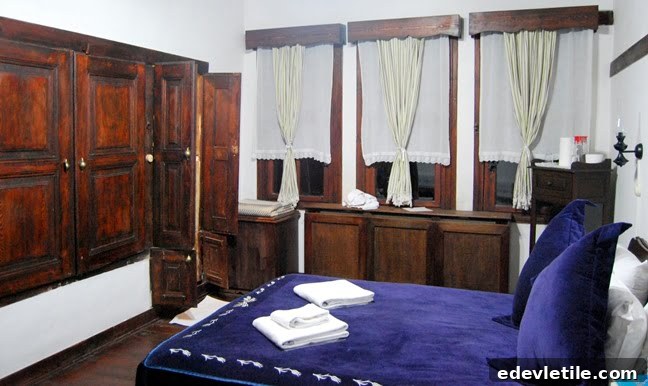
Beypazarı has a modern district of new buildings, but staying in the old town offers the best experience for anyone interested in history and local culture.
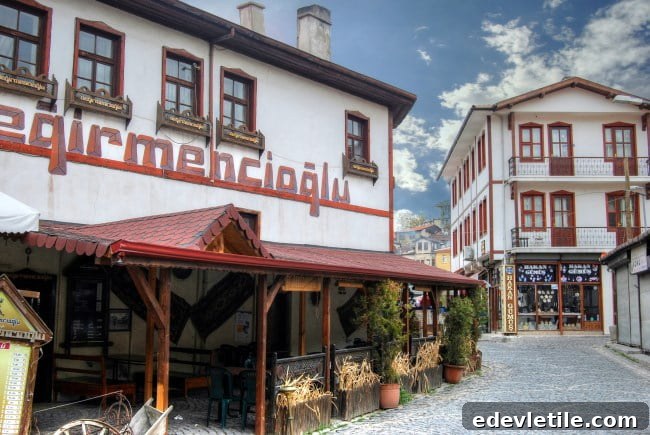
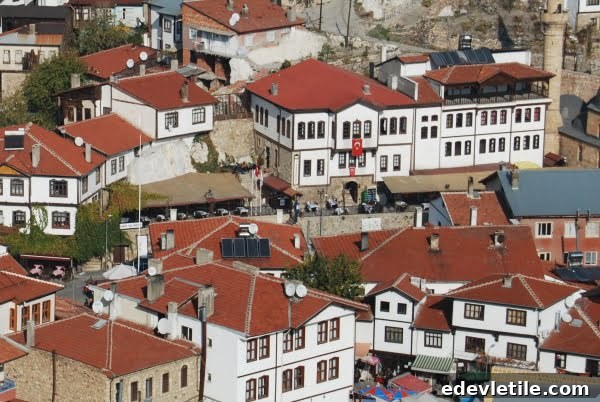
The next morning I took in panoramic views from Hıdırlık Hill, then spent several days wandering narrow cobbled streets with a local guide who pointed out surviving Ottoman houses and notable sites.
Highlights included Degirmencioğlu, the town’s most popular restaurant, the local bakery, and the Turkish Hamam Museum located in an 18th-century bathhouse. In total, roughly 3,000 historic houses contribute to Beypazarı’s atmosphere and qualify the town as an open-air museum of Ottoman residential architecture.
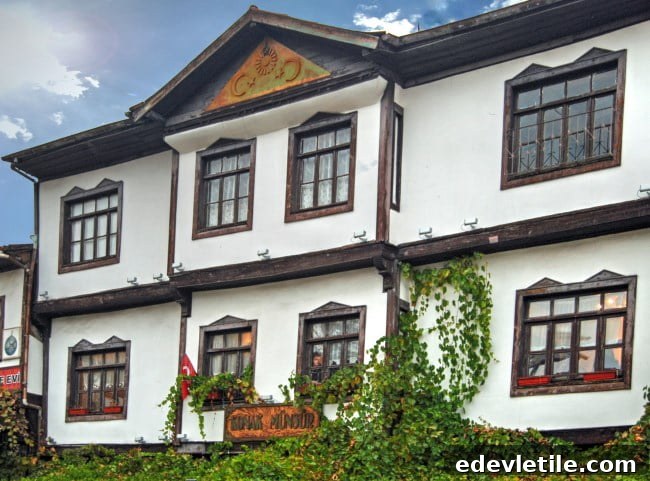
The houses reminded me of images I’d seen of Safranbolu, another well-known Ottoman town. That resemblance has a clear explanation: after an 1884 fire devastated much of Beypazarı’s old town, architects from Safranbolu were brought in to help rebuild, using similar plans and techniques.
Traditional Architecture of an Ottoman House
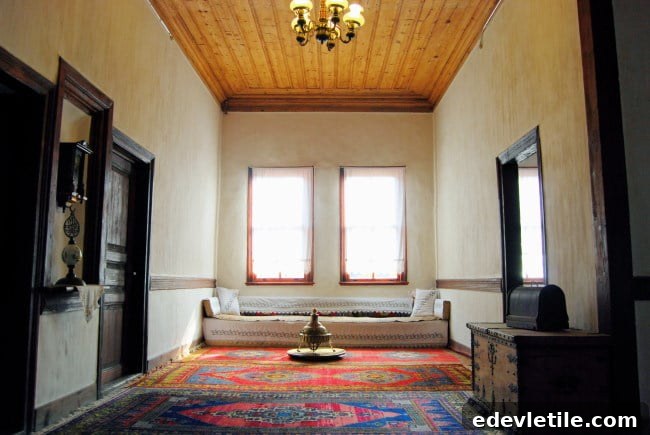
My hotel’s décor was beautiful, but I wanted to understand how a typical family lived in these houses. The Living Museum and the Culture House of Beypazarı provide detailed reconstructions of domestic life and household layout.
These museums demonstrate the town’s commitment to presenting its traditions and cultural heritage. Mannequins dressed in period clothing add atmosphere and help visitors picture daily life in Ottoman times.
Externally, the characteristic features are consistent: a rubble or stone ground floor with timber and plaster upper levels. Large double doors often lead into the ground floor, which could serve various functions—from storage to housing livestock—depending on the family’s trade and means.
Wealth and social status influenced house size and interior arrangement, so there is considerable variation among surviving examples. Museums and restored properties make it easier to appreciate these differences and learn about traditional layouts and household practices.
Where to See Ottoman Houses in Turkey
Traditional Ottoman houses remain across Turkey: some are dilapidated, others carefully restored. Safranbolu in the Black Sea region is perhaps the most famous example and is listed as a UNESCO World Heritage site. Cumalıkızık, a 700-year-old village near Bursa, has recently been added to the UNESCO list for its well-preserved historic fabric.
Istanbul also contains many historic houses, especially in districts such as Süleymaniye and Zeyrek, though some require substantial restoration and preservation efforts. In Antalya’s old quarter (Kaleiçi) you can find attractively restored Ottoman houses that offer a glimpse of that era’s urban domestic architecture.
Beypazarı awakened my curiosity about Ottoman residential architecture. The town’s museums, restored houses, and guided walks provide an authentic sense of how people lived and built their homes. For anyone interested in architectural history or traditional Turkish life, Beypazarı is a rewarding destination to add to a travel itinerary.