Should Animals Be Kept in Zoos? Ethical Debate and Alternatives
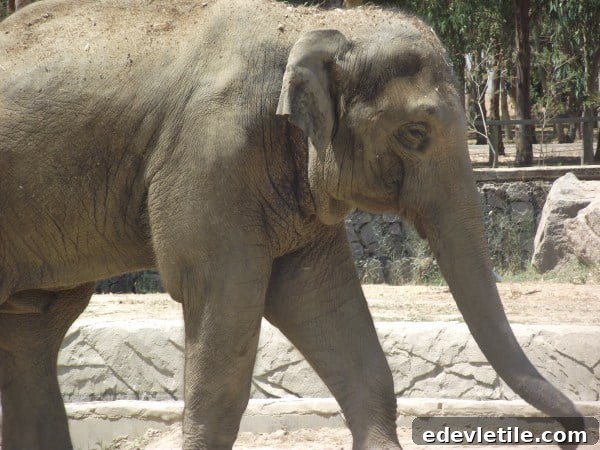
I recently spent time reflecting on the question, should animals be kept in zoos? The conversation started after I mentioned a planned visit to Izmir Wildlife Park to a few friends. They refused to make the two‑hour trip, insisting zoos are inherently cruel and have no place in modern society.
Zoos and wildlife parks, however, remain popular attractions worldwide. Presented as family outings, they offer many people the rare opportunity to see species they are unlikely to encounter otherwise: lions, bears, hippos, monkeys and more. These encounters raise complex ethical and practical questions that deserve careful consideration rather than simple condemnation.
Should Animals Be Kept in Zoos? : Case Study

Before visiting, I couldn’t fully answer this question—I had never spent much time inside a zoo. Despite my friends’ lack of enthusiasm, I went alone to Izmir Wildlife Park to form an informed opinion based on direct observation.
Izmir Wildlife Park emphasizes a conservation and welfare approach. Following heavy criticism of its conditions, the park underwent significant renovations in 2008. Reports from earlier decades described cramped, unsanitary enclosures and poor health care for animals. The revamped park now highlights larger habitats and improved care standards.

While there’s a lot experts could say about behavior, I simply observed. I paid attention to how animals moved, whether they showed stress signs, and how they reacted to nearby visitors. This informal approach still yielded useful impressions.
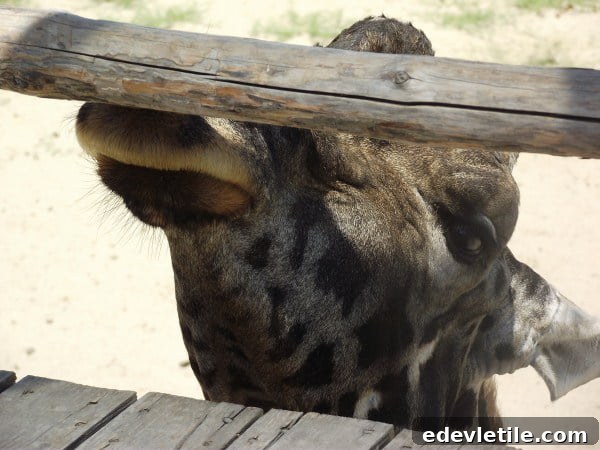
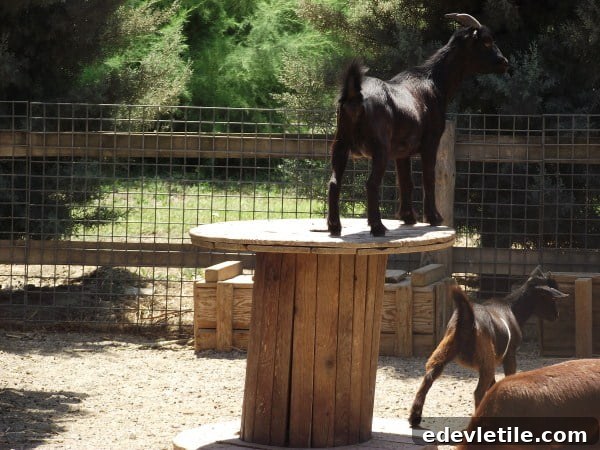
Smaller species—swans, chipmunks, ducks, tortoises and goats—appeared content, calmly going about their routines despite nearby foot traffic.
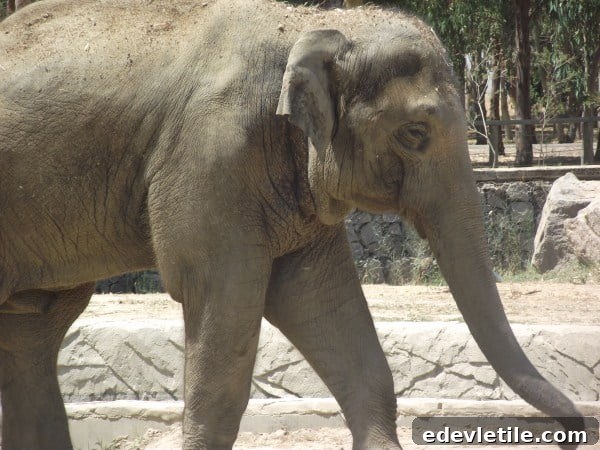
Among larger animals, most seemed settled, but one adult elephant paced repeatedly. Even with generous green space, elephants in captivity cannot match the vast ranges they traverse in the wild; such confinement can lead to boredom and stress. It’s a reminder that enclosure size alone does not always replicate natural conditions.
Predators like lions and tigers were kept in large, secure enclosures viewable behind glass. Many preferred shade and rest during my visit; the park doesn’t force animals into performances or costumes. If an animal is not visible, the park’s policy encourages visitors to return at a later time rather than staging unnatural interactions.

Beyond enclosures, the park provides visitors with educational information about species, and schedules weekly educational sessions for children that explain an animal’s traits, habitat and diet. Those efforts indicate a commitment to welfare and public education, though they do not resolve the deeper ethical debate.
The Benefits of Keeping Animals in Zoos
- Zoos can provide a safe environment for endangered species, reducing immediate natural threats.
- They enable scientific study of diseases and conservation techniques that can support species survival.
- As natural habitats shrink due to human activity, zoos can offer a temporary refuge for threatened animals.
- Visiting a zoo gives people the rare chance to see and learn about animals they would otherwise never encounter.
- Zoos play a role in educating children about biodiversity and humanity’s responsibility toward other species.
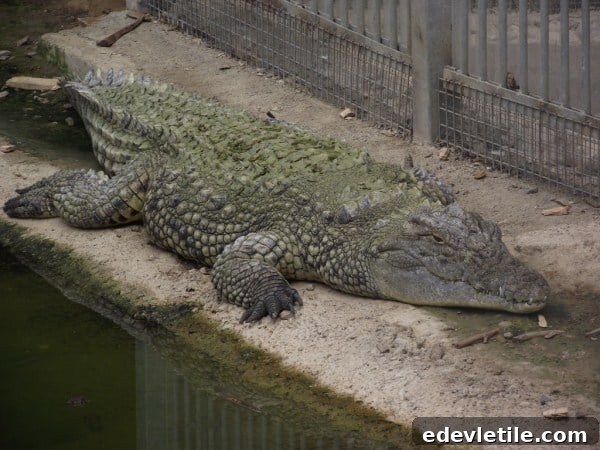
Should Animals be Kept in Zoos? – The Cons
- Large, wide‑roaming species can suffer from restricted space compared with their wild ranges.
- Keeping animals in captivity can perpetuate the idea that animals lack intrinsic rights.
- Some institutions may prioritize profit over animal welfare, leading to poor conditions.
- Certain species adapt poorly to captivity and show chronic stress or abnormal behavior.
- Behavioral and ecological studies conducted in captivity cannot fully replicate wild conditions.
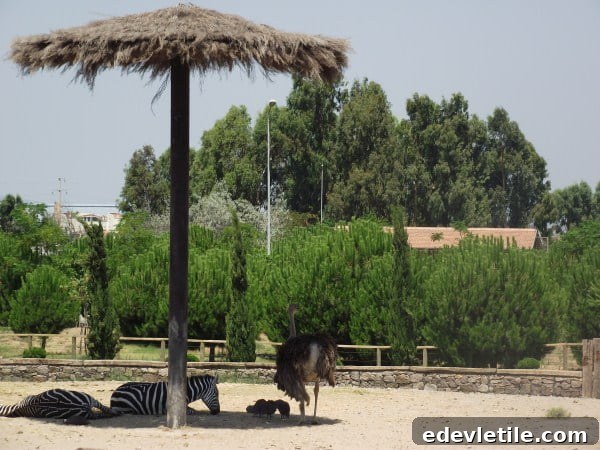
My Conclusion about Zoo Animals
This question resists a simple yes or no answer. Each potential benefit has a corresponding drawback. Context matters: the history, standards and practices of each institution determine whether captivity is harmful or beneficial in practice.
For example, Izmir the baby elephant was born in captivity and likely lacks the survival skills needed to thrive if released into the wild. In cases like this, lifelong care in a suitable facility may be the most humane option.
Public opinion is divided: some see zoos as vital for conservation, research and education; others argue for banning captivity and freeing animals. Based on my visit to Izmir Wildlife Park, I observed attentive care and no signs of deliberate cruelty. Considering the park’s focus on education, conservation and animal welfare, I lean toward supporting responsible zoos that prioritize the animals’ needs over entertainment or profit.
What do you think?