Inside the Life of an Imam: Voices from an Islamic Community Leader
Have you ever put someone on a high pedestal because of their social position?
Have you ever assumed they wouldn’t be interested in your presence or perspective because you thought you had nothing in common?
I have. For years I considered imams to be entirely outside my comfort zone. I avoided speaking with them out of a simple fear: they would see right through me and recognize my weaknesses and bad habits.
I did not want to be cornered and forced to admit that my lifestyle was selfish and harmful to my health. I didn’t need an imam to point that out — I was already fully aware of the facts.
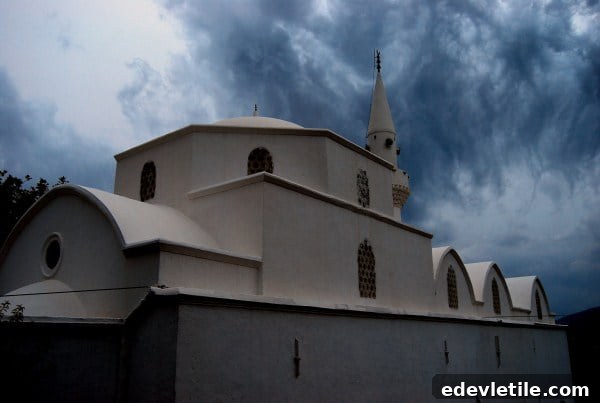
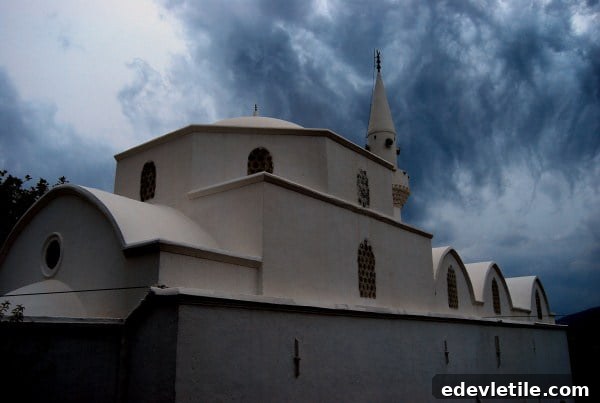
For readers unfamiliar with the term, “imam” is an Arabic word for a leader in Islam. In Turkey, every mosque typically has a local imam who cares about the wellbeing and religious commitment of the community.
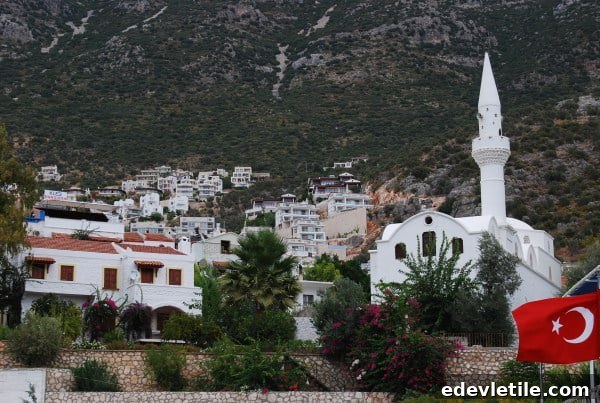
While exploring Kalkan, a sudden downpour sent me into the nearest restaurant. Traveling solo, I often found locals striking up conversations. That day they tried to guess my nationality, suggesting Slovakian, Turkish, Russian, and finally English.
The chat flowed until someone asked about our jobs. I turned to the man opposite and asked what he did for a living.
“I am an imam,” he said.
For a moment I wished the ground would swallow me. I had been swearing throughout the conversation, I was on my third beer, and I was chain-smoking as I often do when I drink.
The very type of person I had spent years avoiding was sitting right in front of me — and I had no idea.
Had he been assessing my behavior the whole time?
Did he think I was a bad wife for traveling alone and leaving my husband at home?
Could he see straight through me and instantly identify all my weaknesses and fears?
Was he secretly thinking, “this woman is going to hell”?
The shock on my face must have been obvious because he laughed and told me to relax.
Realizing I couldn’t politely excuse myself and run, I decided to make the most of the awkward situation.
The next two hours were spent talking about Islam. I calmed down, asked if I could interview him, and then threw question after question his way. We discussed pork, alcohol, the call to prayer, who pays an imam’s wages, and how long it takes to qualify. He spoke about my bad habits without judging me.
I told him he wasn’t the typical stereotype of an imam. He smiled and said many people tell him the same.
He had spent time in London before settling in Kalkan 19 years ago. When he first arrived, locals were surprised to see an imam swimming in the sea. “People told me imams don’t swim,” he said, “but over the years they’ve become used to me. These days people are a bit more relaxed and less judgmental.”
We also touched on opinions some Turkish people have about the government’s direction, but I won’t expand on that here because this blog focuses on people, culture, destinations, and traditions rather than politics.
Later that night, I told my husband about the imam. His response made me doubt the whole encounter.
“Natalie — Are you sure he wasn’t some random local trying it on? Sometimes you are very naive,” he said.
My husband is a devout Muslim, and his words carried weight. He’s met many imams, and whenever we travel we look for the local mosque. I’ll never know for certain whether the man I spoke with was an imam, but nothing in our conversation suggested he was pretending.
I told him I would publish his words on my blog and he agreed to a photo. If he’d been insincere, he could have refused.
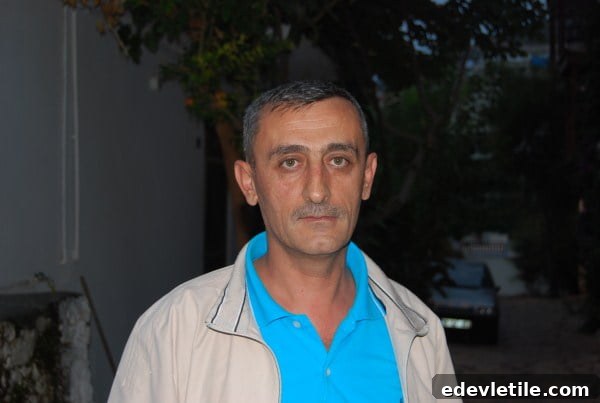
At the very least, I met a stranger who openly described his life without judging mine. That conversation gave me another perspective on Turkish life and the people who live there — material that informs my writing about the country, which I care about deeply.
Whether he was truly an imam or not, my fear and avoidance of imams has finally eased.
Readers’ question: How do you feel when you’re in the presence of a religious leader of any faith? Do you feel intimidated?
——————————————————————————————————————–
Please note — I edited this post after publishing in response to a comment request.
Interview with an Imam in Turkey: Man of Islam
1. Why do Muslims avoid pork?
From his perspective, pork offers little nutritional benefit. While the pig is often considered unclean in Islamic tradition, the imam emphasized that the lack of beneficial nutrients is a key practical concern.
2. Is the call to prayer pre-recorded and played throughout the day?
No. He explained that five times a day either the imam or a mosque staff member performs the call to prayer in person. Recorded tape is not used.
3. How long does it take to become an imam?
He began his studies in primary school and continued into adulthood. Today the formal path has changed: someone aiming to be an imam typically studies for many years — around 16 years — before leading their own mosque.
4. Who pays an imam’s wages?
In Turkey, the government pays the wages; imams are considered public servants.
5. People say you are not a typical imam. Do you hear that often?
Yes. He mentioned that British visitors are often surprised to meet him and learn he speaks English and lived in London. Turkish locals were surprised when he first came to Kalkan as well.
6. What is the stance on alcohol in Islam?
He explained that alcohol clouds judgment and distorts thinking, preventing people from interacting well. Some drink for confidence, but alcohol merely masks insecurities rather than solving underlying problems. In some cases it leads to addiction, which harms families financially and emotionally. Being Muslim, he said, is about maintaining a healthy body and a clear mind — which alcohol undermines.
Note — I have not published the questions about Turkish politics here, as that topic is too heavy for a travel blog. I also omitted further discussion about my nicotine use and other personal failures.