Turkish Carpets and Rugs: Mastery of Handmade Weaving
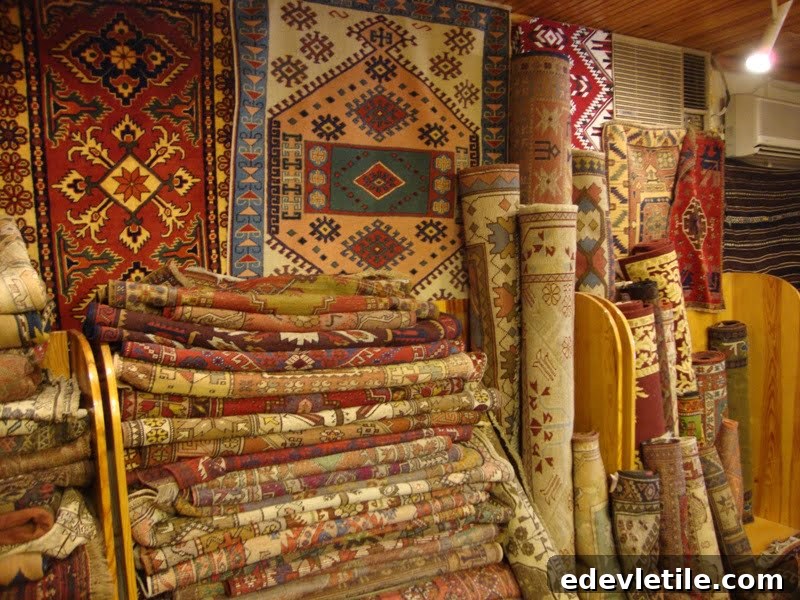
Four years ago I discovered a passion for Turkish carpets and rugs. These are not the mass-produced, machine-made carpets you see everywhere. Traditional Turkish carpets are handmade, steeped in regional tradition and symbolism. Just as Cuba is famed for cigars, Turkey is renowned for its carpets and rugs.
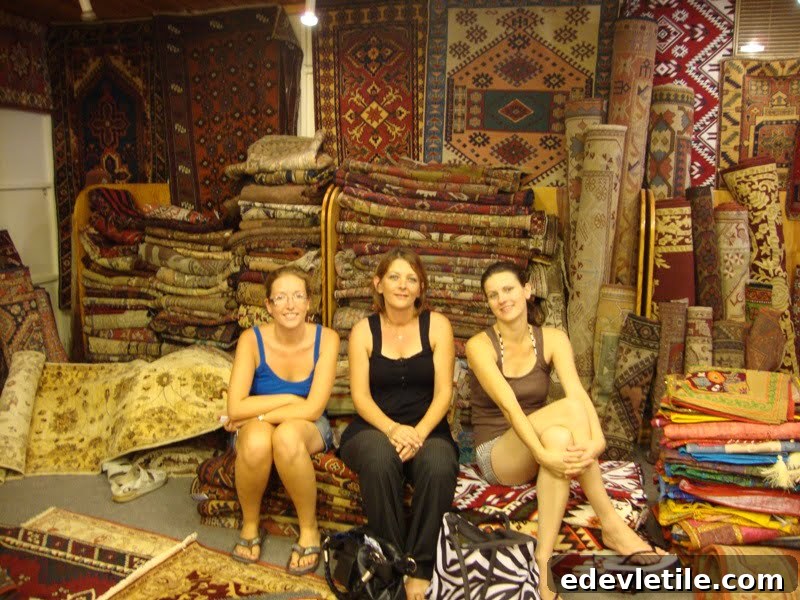
It was no surprise to my friends when, during a day out, I led them into a Turkish carpet shop. It was the same store where I had bought pieces four years earlier, and the salesman recognized me—Turkish sellers are known for remembering faces.
About Turkish Carpets and Rugs
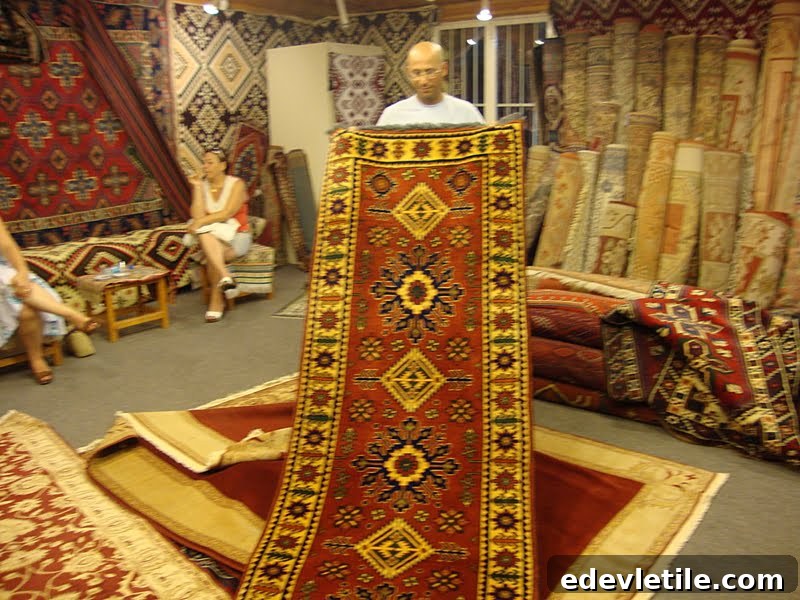
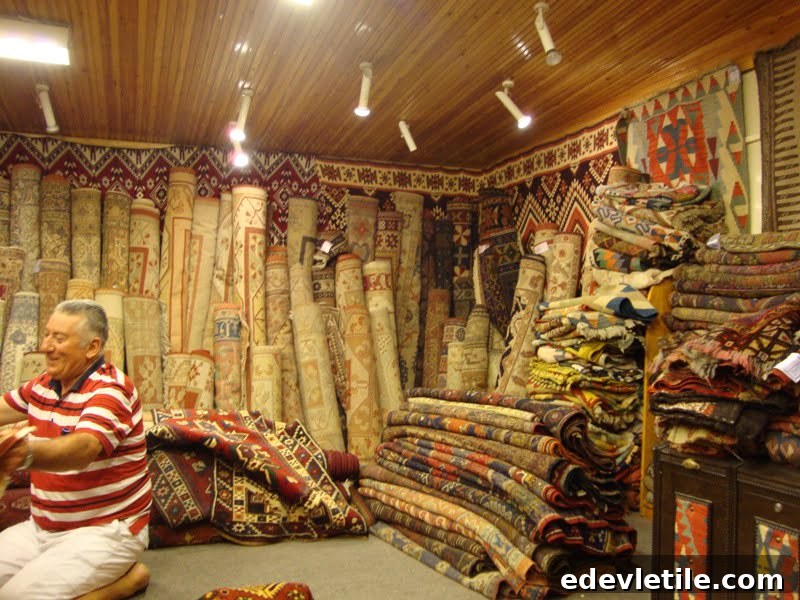
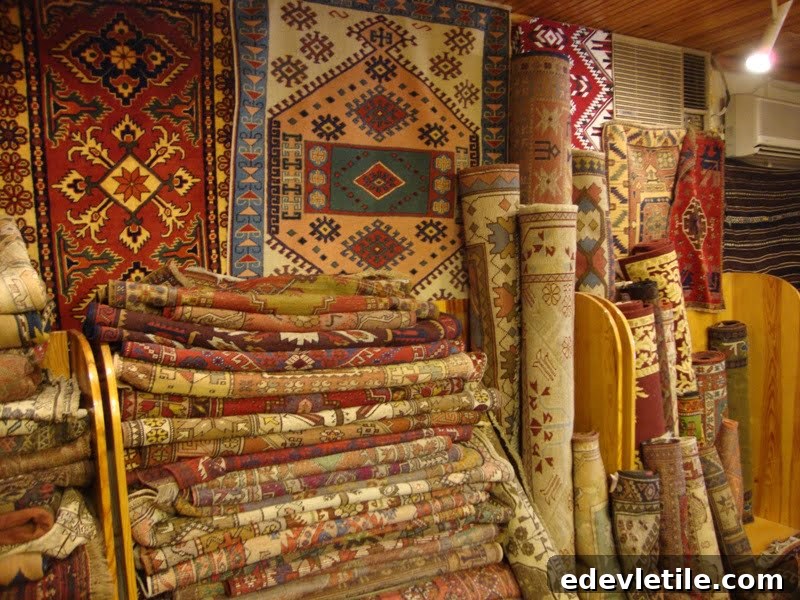
The salesman put on a delightful display, unfurling carpet after carpet. If you want to learn about Turkish culture, a visit to a traditional carpet shop is a great start: each rug typically comes from a particular region of Turkey, and its motifs and symbols convey specific meanings. Some carpets take only a few months to complete; others can take many years. The process begins with gathering wool or silk and dyeing the fibers. Once the materials are ready, skilled women weave the carpets on looms, knot by knot.
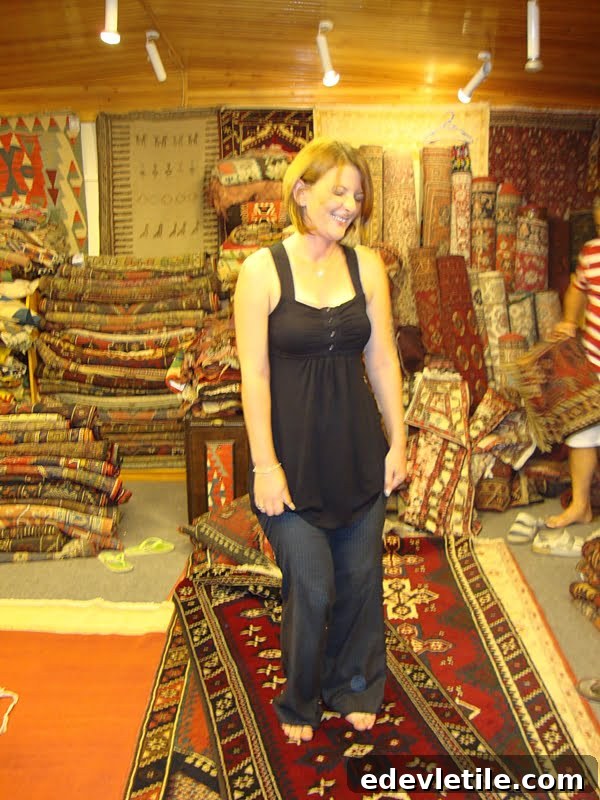
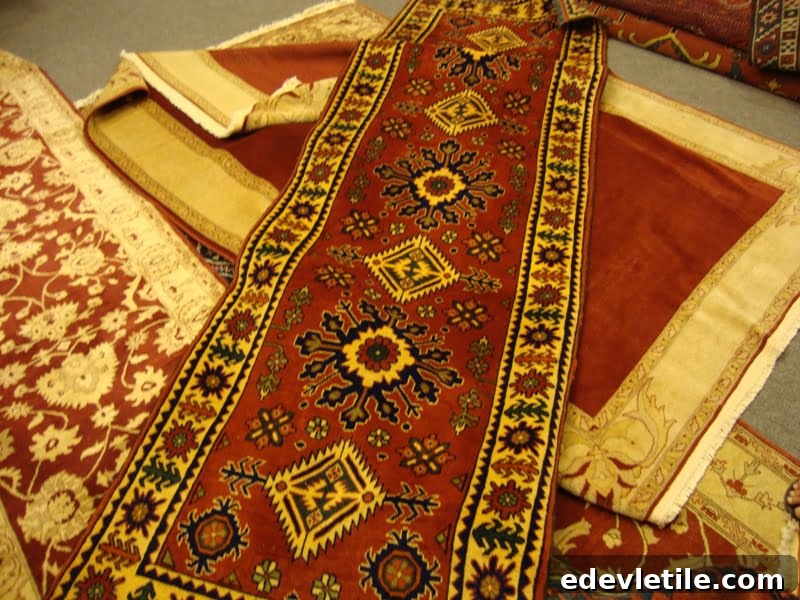
I was shopping specifically for a hallway carpet, which helped the salesman narrow his suggestions. The first rug he showed me came from the Toros mountains in Antalya. Woven from sheep’s wool, it was priced at 800 TL. Seeing my interest, the salesman hinted at bartering. In Turkey, negotiating over handmade carpets is customary, so you should not accept the first price offered.
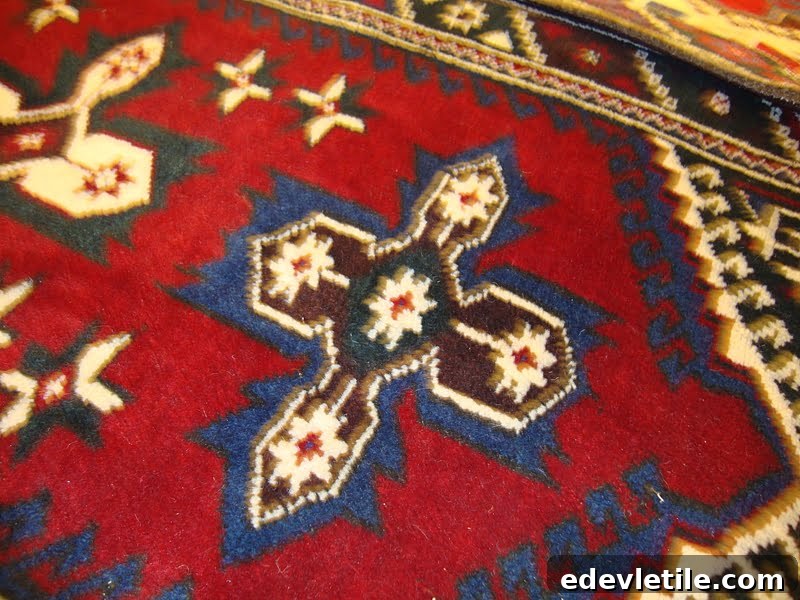
I wasn’t ready to bargain—never start negotiating unless you truly intend to buy. Noticing my hesitation, the salesman continued his performance, rolling out more carpets while we sat and enjoyed the spectacle. The room filled with appreciative murmurs and the occasional exclamation of delight.
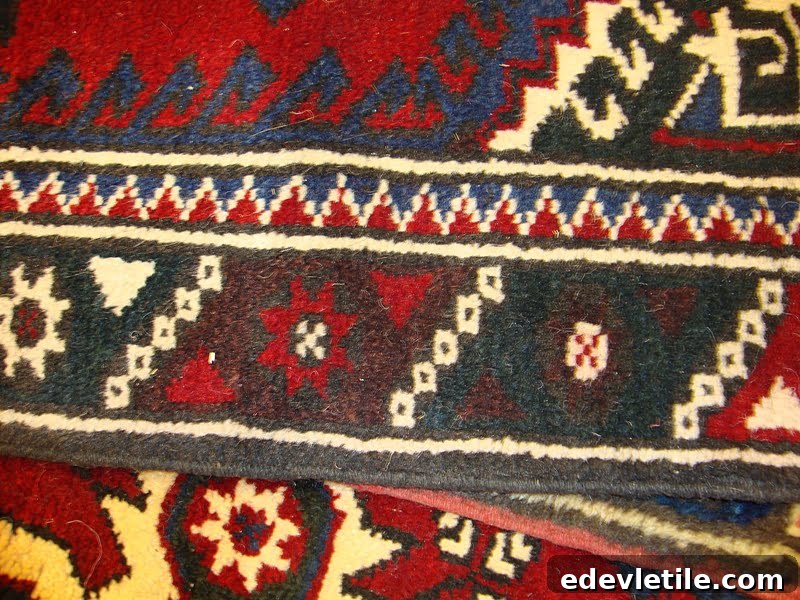
Finally the salesman brought out a winner: an Usak carpet. Its cream and red palette was vivid, and it felt heavenly underfoot. The design evoked a tulip garden and the rug measured 295 x 84 cm. This piece captivated me, and once again the seller invited me to bargain. The Usak carpet cost about twice as much as the first wool rug. Although negotiation could lower the price, it would still require dipping into my travel fund—I was saving for a trip to Cappadocia.
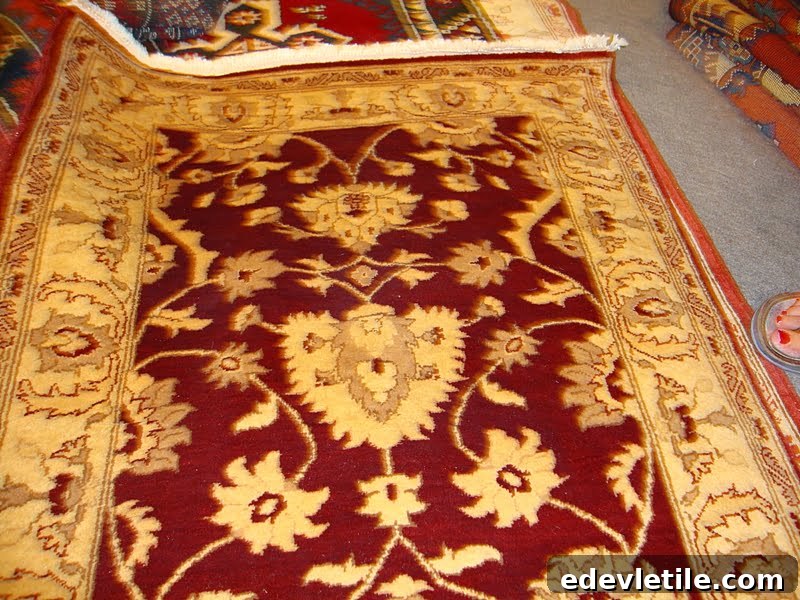
Unsure about using my travel savings, I declined to start bartering but took the salesman’s phone number and promised to decide later. To impress us further, he then unrolled a pure silk prayer carpet, priced at around 2000 TL—a truly luxurious example of craftsmanship.
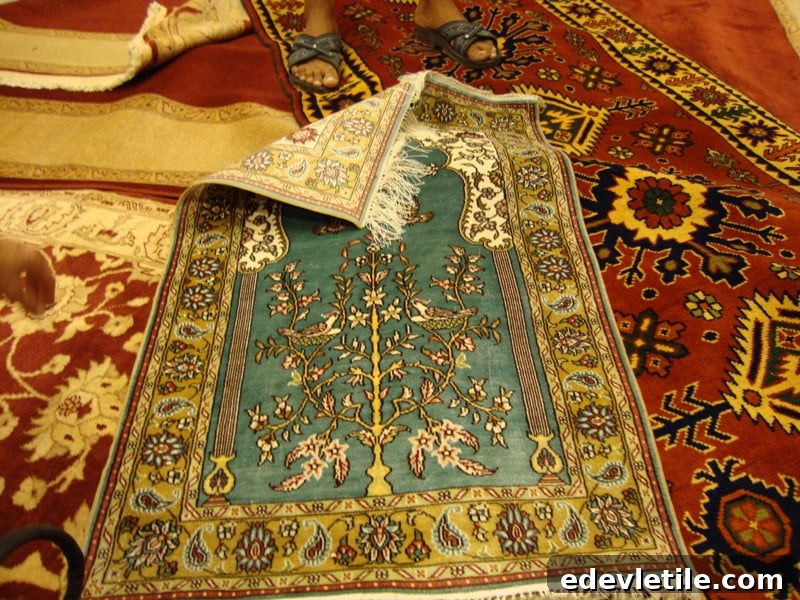
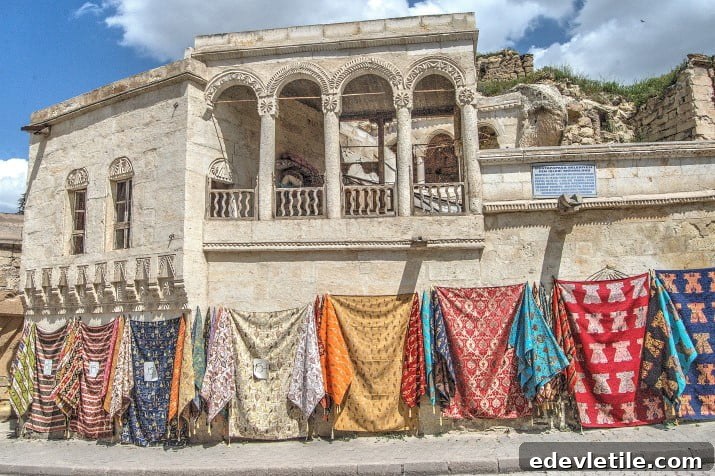
If you find yourself near traditional carpet shops in Turkey, take time to step inside and admire these handmade works of art. The skill, patience and creativity evident in each piece are astounding. Whether you buy or simply watch a display, a visit offers a memorable glimpse into a craft that has shaped regional identity for centuries.