Galata Mevlevi House & Museum: Istanbul’s Whirling Dervish Landmark
Whirling dervishes have long intrigued me. Part of the Sufi tradition within Islam, they commit to simple lives and the practice of spinning as a meditative ritual. While I admit the physical act of continuous turning seems odd at first—some people seek altered states through drugs, others through prayer and movement—the deeper history and spiritual background of Sufism and the Mevlevi order drew me in more than the spectacle itself.
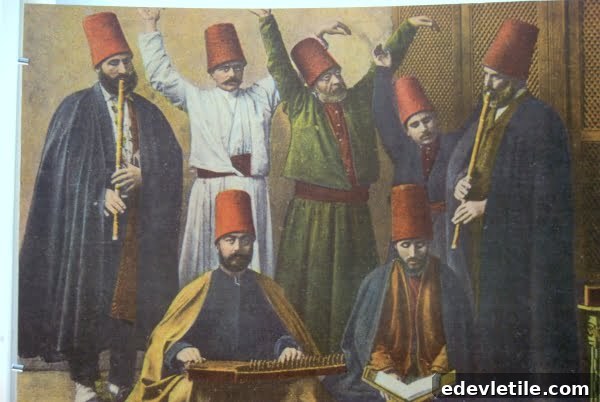
Detaching from the immediate world to reach a state of religious ecstasy is central to their practice. Personally, I find the historical and cultural context more compelling than simply watching the ritual: how did the Mevlevi order form, what role did Rumi’s poetry play, and how did this form of devotion develop over time?
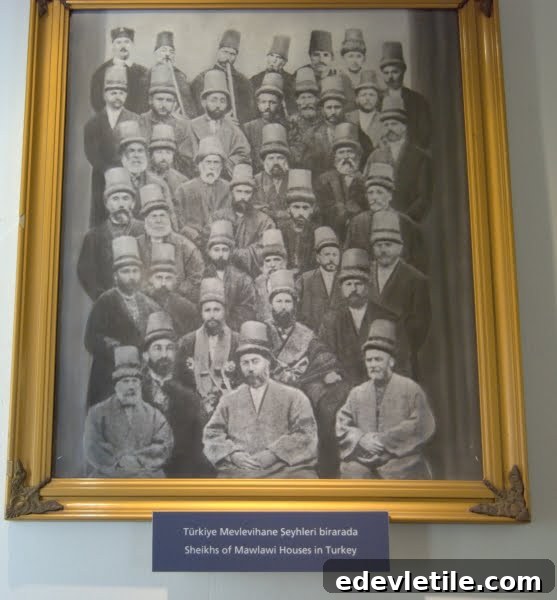
Galata Mevlevi Whirling Dervish Museum in Istanbul
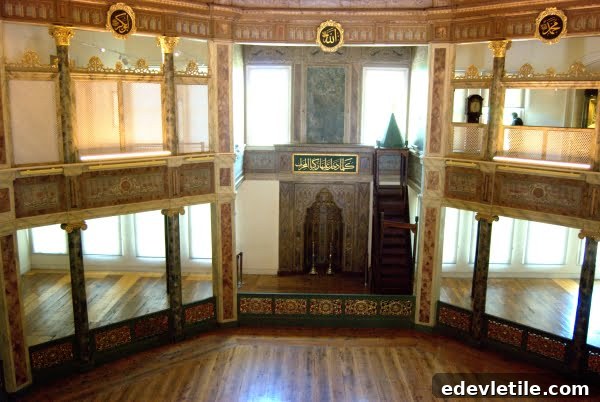
When I visited Istanbul, I was keen to see the Galata Mevlevi Whirling Dervish House and Museum. Although the original lodge dates back to 1491, the site today reflects a long history of repairs and reconstructions after earthquakes and fires. The museum occupies the space where the Mevlevi community gathered, practiced and preserved their teachings.
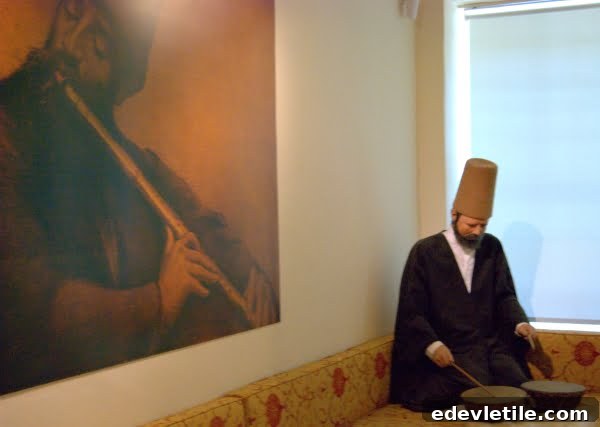
I explored the museum on my own after my friends opted for a night out. The entrance fee was modest and the atmosphere calm, if a little restrained—likely due to the staff’s reserved demeanor and the quiet respect appropriate to a religious site.
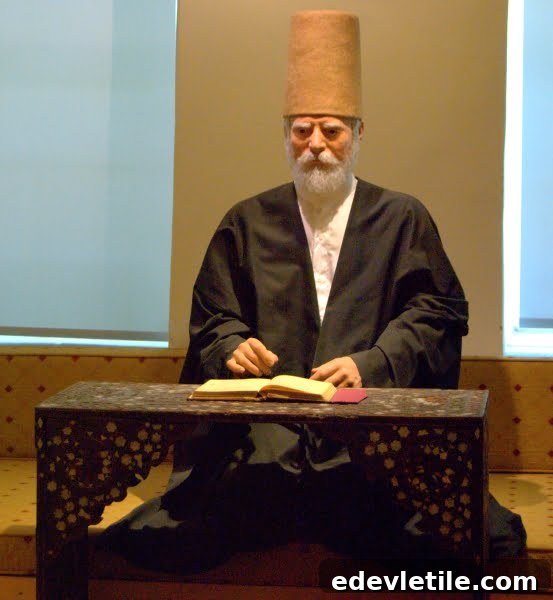
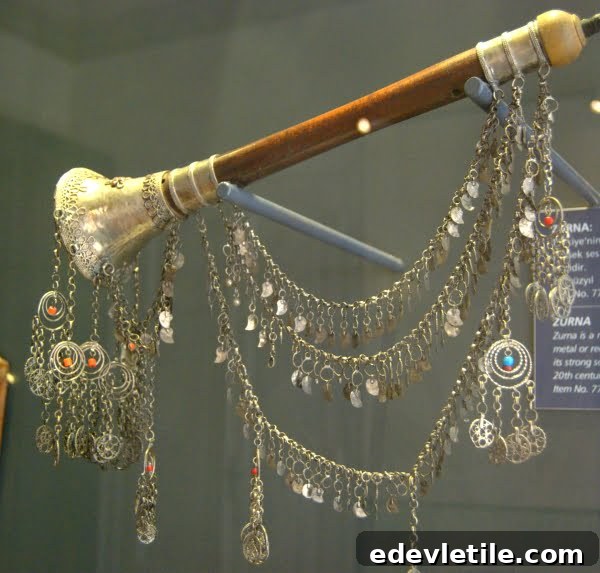
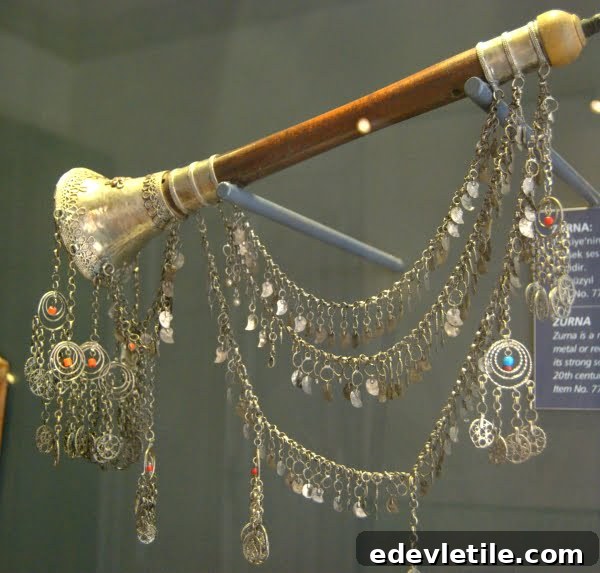
The Mevlevi order emphasizes poverty and spiritual dedication, so the collection is intentionally modest. Don’t expect ornate palace treasures like those in the Dolmabahçe Palace. Instead, the museum focuses on the everyday religious life of the dervishes: their robes, manuscripts, musical instruments and devotional objects that express a simple but rich spiritual tradition.
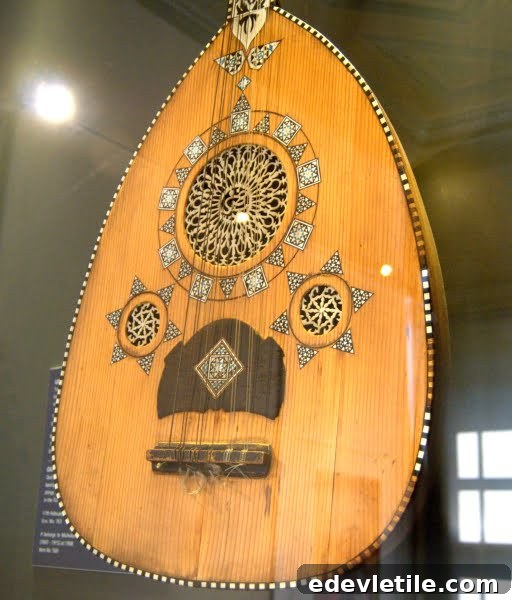
Displays include traditional clothing, calligraphic works, and instruments used in the sema ceremony. The exhibits help visitors appreciate how devotion, music and poetry intertwine in Mevlevi practice and how Rumi’s teachings inspired generations of followers.
For those who want to see the spinning ceremony, the museum is also the place to reserve tickets for scheduled whirling dervish performances. These staged sema ceremonies give a sense of the ritual’s form, music, and symbolism for observers who can’t travel to the order’s historical centers.
Did a visit to the museum satisfy my curiosity?
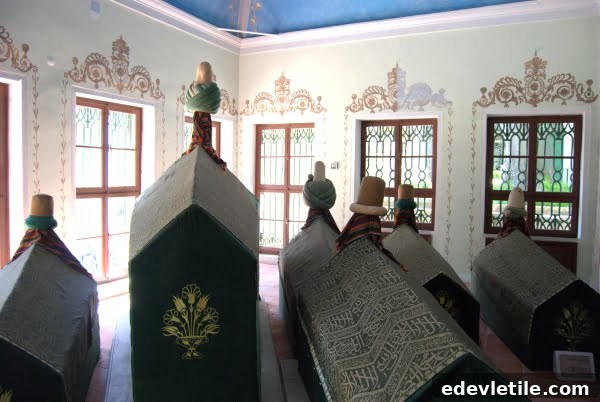
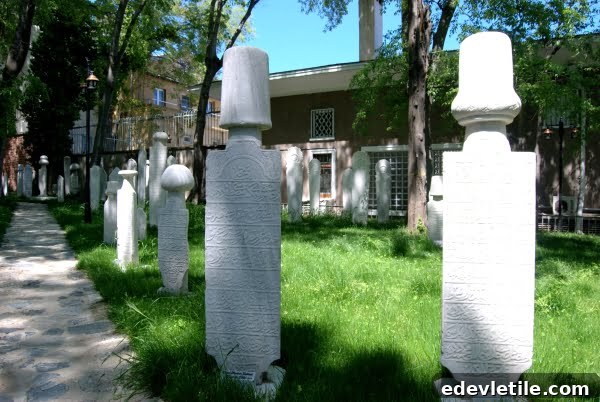
Not entirely. While the museum offers an intimate look at Mevlevi material culture, it could provide deeper context. Names of important sheikhs and the significance of tombs and relics were mentioned but not always explained fully. Because this building is a reconstruction after natural disasters, some original elements are lost, and that absence raises more questions about continuity, lineage and local history.
Overall, the museum felt understated and restrained, which mirrors the Mevlevi values but may leave visitors wanting more background. For newcomers to Sufism, the displays can be a meaningful introduction; for those seeking in-depth historical interpretation, the visit might prompt further reading or a trip to Konya. Each year on December 17th, Konya commemorates Rumi’s death with ceremonies that reflect the order’s original context—attending that event would offer a fuller sense of the tradition in its historic home.
Reader question: Have you ever attended a whirling dervish ceremony? If so, how did the experience shape your understanding of Sufism and Rumi’s legacy?