Are Turkey’s Laz and Hemsin Communities Losing Their Plateau Traditions?
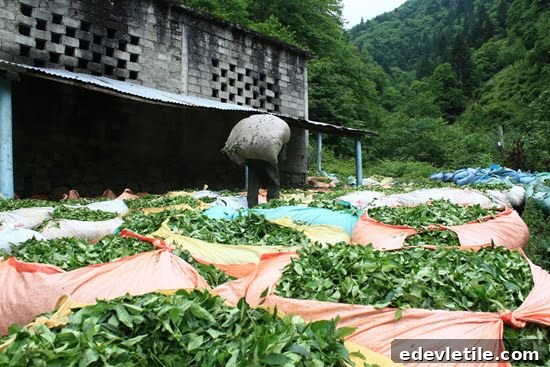
My trip to Turkey’s northeastern Black Sea region remains vivid in my memory. Away from the coastal cities of Trabzon and Rize, the landscape becomes a patchwork of green hills, tea plantations and a cool, damp climate that feels unlike much of the rest of the country.
Village life there is simple and rooted in tradition. I watched people build wooden houses by hand and saw cows milked at dawn. At the small hotel where I stayed, the cheese and butter on the breakfast table were homemade.
It was also the first time I learned about the summertime practice of plateau migration, a long-standing tradition among the Laz and Hemshin communities.
To escape the summer heat, many locals move higher into the cool mountain pastures. I was fortunate to have a knowledgeable local guide who took me to Demirkapi Plateau.
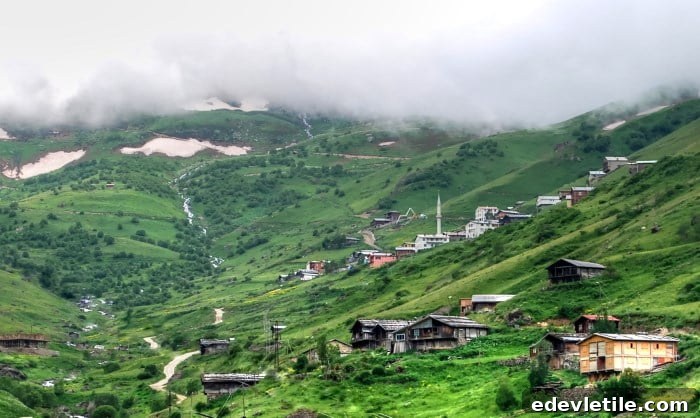
Reaching the plateau—sitting high on the mountain—required a long drive and a steep walk, but meeting residents, seeing waterfalls and watching fog roll across the peaks made it worthwhile. For a fleeting moment I imagined living among the plateau community and writing a bestselling travel book.
When I asked about property prices in the village, my guide was blunt.
“Will never happen,” he said.
“These communities are tight-knit. You’re an outsider—dream on.”
With that fantasy dashed, I left the Black Sea region with a strong desire to return. The community spirit and close bonds were clear, and despite seeing daily life, I realized I had only scratched the surface of their traditions and beliefs.
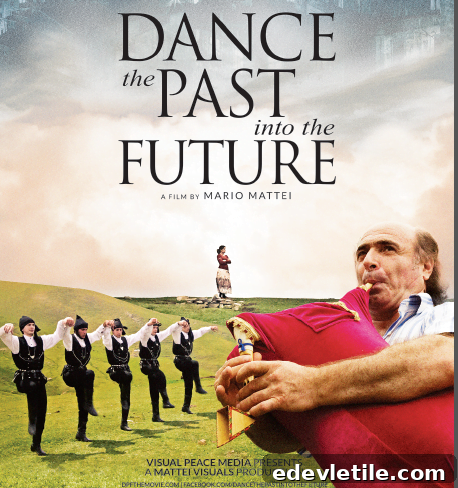
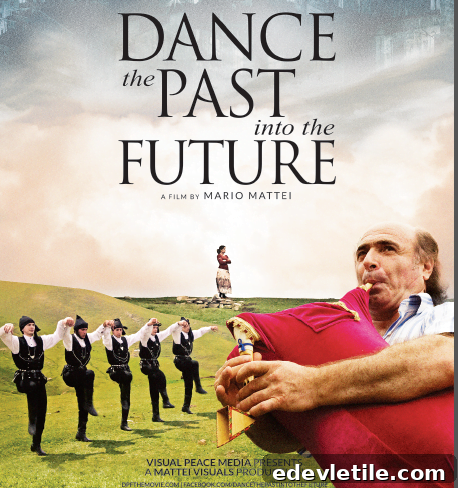
Recently, Visual Peace Media contacted me to review a film about the Black Sea region and whether its culture is fading. Released on April 17, filmmaker Mario Mattei’s documentary examines the Laz and Hemshin communities and their practice of plateau migration. The film has won recognition at festivals for its thoughtful portrayal of a changing way of life.
Dance the Past into the Future
“With modernization, will our culture suffocate?”
The documentary features interviews with both older and younger members of the Laz and Hemshin communities, exploring how plateau migration and other traditions are declining as younger people move to cities in search of different opportunities.
Yasar, a local farmer, criticizes the younger generation: “Good, honest labour is too hard for them. They’ve gotten used to being lazy.”
In contrast, a younger man in his late twenties questions the need to keep cows on the plateaus, arguing that large companies can manage food production more efficiently. His view reflects how modern conveniences and corporate supply chains reshape attitudes toward traditional work.
The film juxtaposes these perspectives to show the tension between preserving heritage and adapting to modern life.
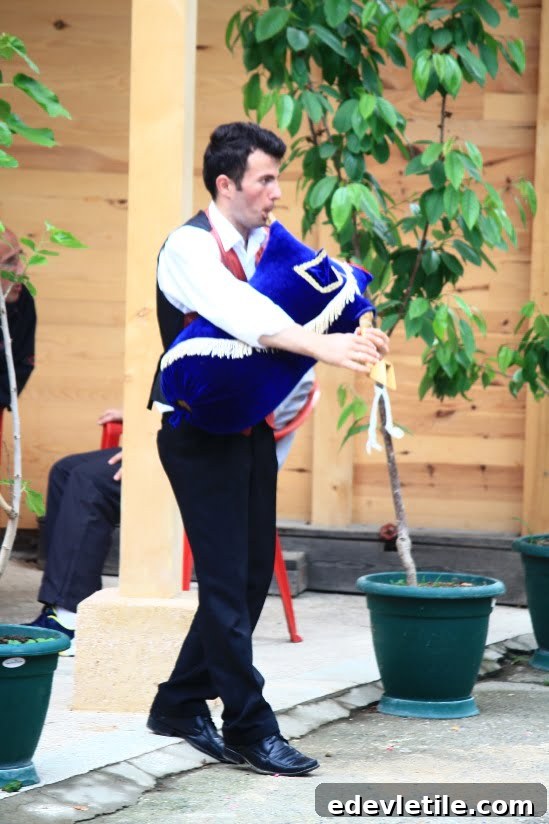
The Tulum Bagpipe
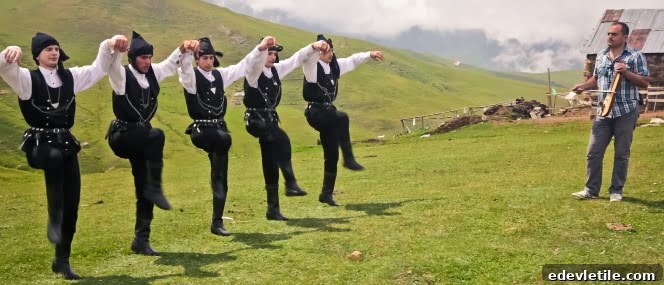
Back in the village we meet Bulent Bekar, a craftsman who makes the Tulum bagpipe, an essential instrument for performing the traditional Horon dance. Bulent worries about the future: only a handful of craftsmen remain, and he fears the Tulum could be replaced by loudspeakers and electronic beats.
The film captures a range of views. One elder insists that Laz culture will always live in their hearts even if practices fade, while his friend Kadir laments diminishing respect from younger people and recalls feats of strength from past generations—stories that sometimes verge on the legendary.
We are not uncivilized; the youngsters are just different
Alfe, a determined elderly Laz woman, laughs at criticisms from younger people who call the elders uncivilized. She never went to school, worked hard all her life, and in her seventies remains robust. Her message is simple: those who worked the land expected the next generation to continue, and alternative lifestyles can put heritage at risk.
By choosing different paths, younger generations can unintentionally put their heritage under threat.
Watching the film, I found myself neither fully siding with the elders nor the youth. Change is inevitable and often necessary, but it raises questions about what gets lost and what adapts. The debate over tradition versus modernity is not unique to these villages; it echoes in communities worldwide.
I also worry about how much faith younger generations place in large corporations, assuming those entities always act in the public’s best interest.
How to watch Dance the Past into the Future
The film is available digitally. It has been released on Digital HD and can be rented or purchased through digital platforms that offer independent films. The documentary provides a thoughtful, intimate look at the Black Sea region and the people working to preserve their cultural identity.
(Image credit: Tulum bagpipe and tea worker)