Discover Atatürk Pavilion in Trabzon: History, Photos & Visitor Guide
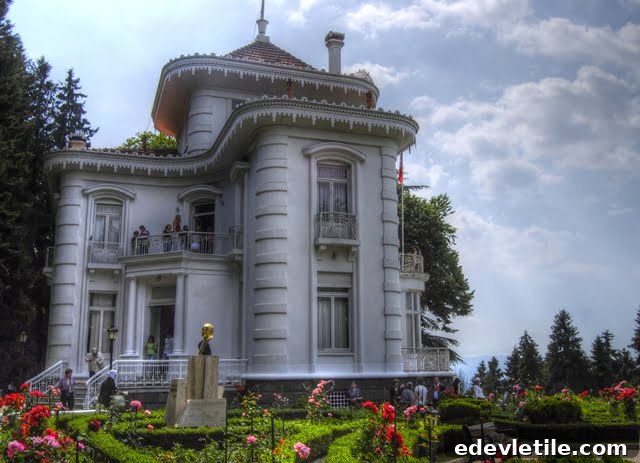
While visiting Trabzon, I was eager to see the Atatürk Pavilion, also called Atatürk’s House. (For context: Mustafa Kemal Atatürk led the Turkish War of Independence and founded the Republic of Turkey in 1923.)
About Atatürk’s Pavilion in Trabzon
Despite its name, Atatürk spent very little time in this house. That mirrors another Atatürk house I learned about in Kayseri, where he reportedly stayed only two nights. The Trabzon pavilion was a gift from the city, but accounts differ about what happened to it after Atatürk’s death. I encountered three versions:
1 – Atatürk bequeathed the house to the people of Trabzon in his will.
2 – He left it to his daughter in his will.
3 – The property was omitted from the will and remained in private hands for years before the city converted it into a museum.
The pavilion was built in 1903 and much of the furniture dates from before 1937. The interior is well preserved, offering a clear glimpse into domestic life of that era, and the museum presentation is tidy and informative.
Atatürk Pavilion: Photography Is Forbidden
Before my visit I had read that photography inside the pavilion is prohibited, which I found disappointing because I often use photos to record and share travel experiences. I tried to be discreet with my camera, but in a quiet museum even the slightest shutter noise carries loudly, so I ended up taking mainly exterior photos. That was regrettable, since the interior is the most interesting part.
If you visit Trabzon, the Atatürk Pavilion is worth seeing. Entry is inexpensive—around 2 lira—and the preserved rooms and furnishings provide a worthwhile glimpse into the period, even though Atatürk himself spent little time there.
If you cannot make the trip, other writers and museum pages provide interior photographs for reference.
Readers Question: How do you feel when photography is forbidden, especially now that most cameras have a no-flash option?