Kastamonu Travel Guide: Ottoman Mansions, Cuisine & Top Sights
Most travelers have never heard of Kastamonu, Turkey, or know very little about it. That’s understandable — Kastamonu is one of the Black Sea region’s best-kept secrets.
What makes Kastamonu special is that it offers everything you want from a destination — great food, historic architecture, and warm local character — without the crowds. The city is famous for its pastırma, çekme helva, and meat-stuffed breads (see the Where to Eat section for more).
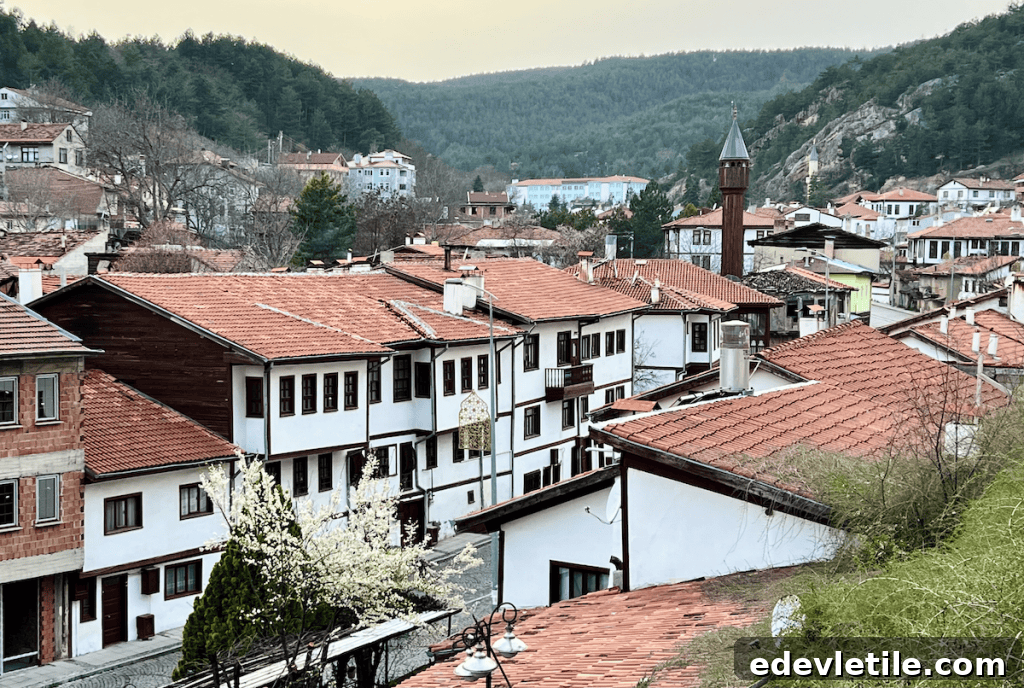
Kastamonu also preserves hundreds of Ottoman-era houses similar to those in Safranbolu, but with far fewer visitors. The town has a relaxed, small-town atmosphere and a generous local spirit that makes a stay here memorable.
If you’re curious to explore this cozy gem, this Kastamonu travel guide covers what to do, where to eat, how to get around, and where to stay.
This blog post was fact-checked and updated in January 2026.
KASTAMONU: The Basics
Why visit Kastamonu? What is Kastamonu known for?
Kastamonu remains off the main tourist track, which is precisely why many visitors fall in love with it. The city combines authentic regional cuisine, well-preserved Ottoman architecture, and welcoming locals. If you want fewer crowds and more character, add Kastamonu to your route.
🍖 Kastamonu Pastırma: The city is synonymous with pastırma, a spiced, air-dried cured beef with a distinctive texture and flavor developed over generations.
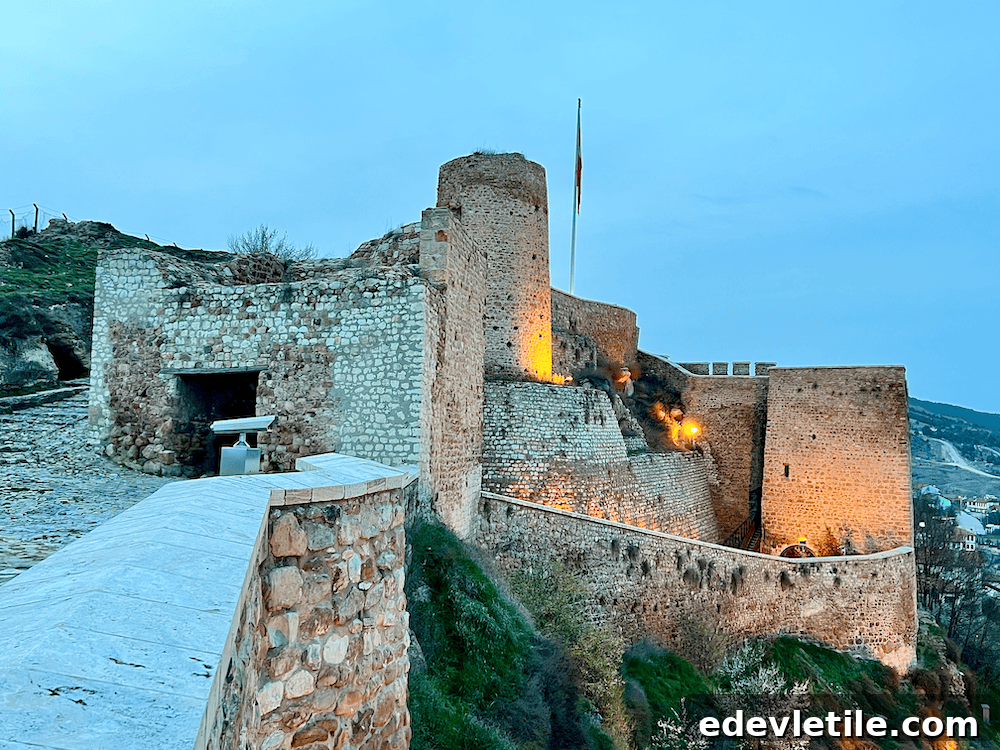
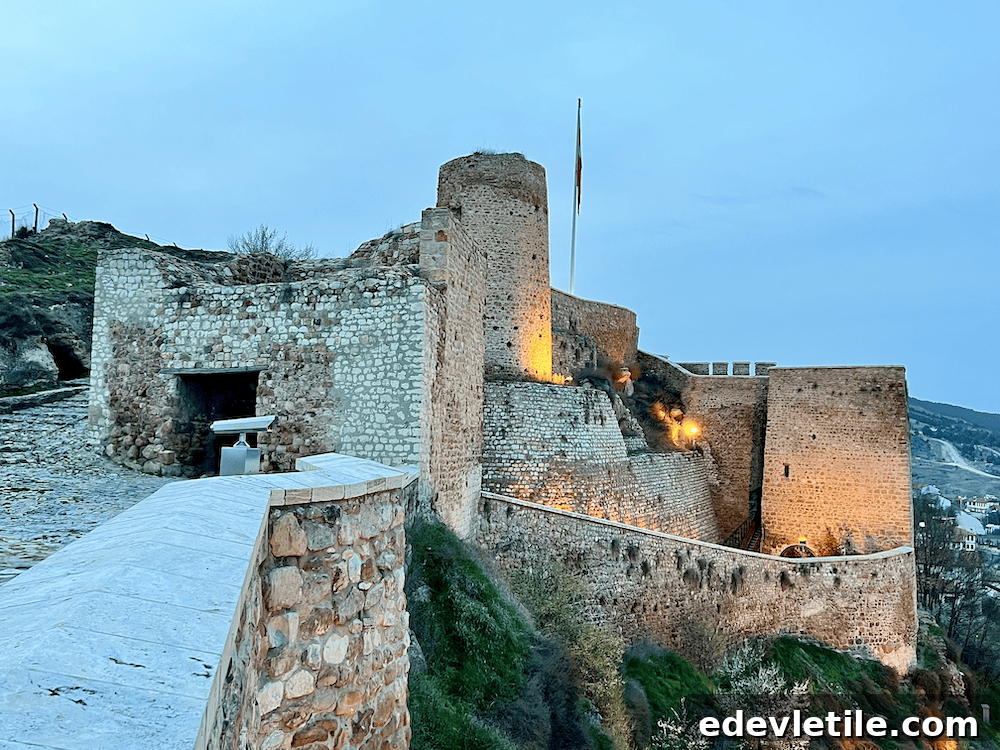
🏰 Kastamonu Castle: Dominating the skyline, the castle is a historic highlight. Its hilltop position provides panoramic views over the town and surrounding landscape.
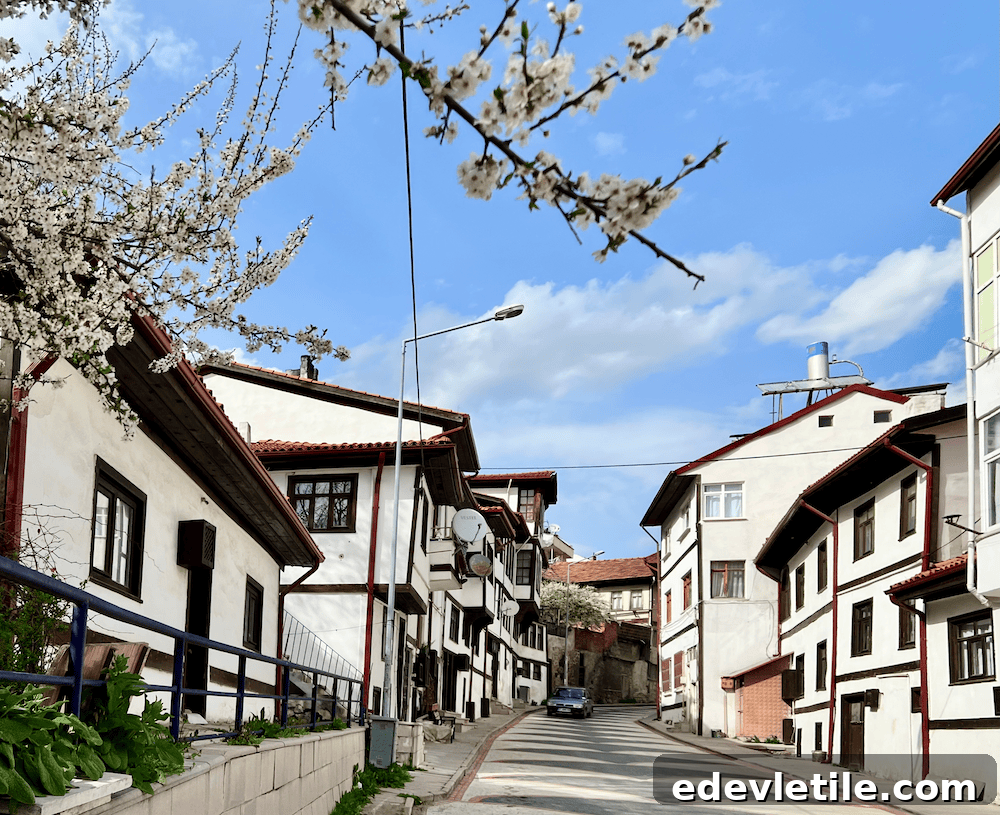
🪞 Ottoman-era houses: More than 400 well-preserved Ottoman houses and mansions are scattered through Kastamonu, many featuring intricate wooden details and overhanging upper floors.
💬 Local accent: The people of Kastamonu are known for a distinct regional accent, which is part of the city’s charm.
How many days do you need in Kastamonu?
You can see the main highlights in one full day if you plan efficiently: museums and historic streets in the morning, a traditional lunch, souvenir shopping, and a sunset climb to the castle. With two or three days you can explore nearby attractions: the ancient site of Pompeiopolis (about 42 km), the Valla Canyon observation deck (about 115 km), or the coastal town of İnebolu (around 90 km).
Kastamonu Regional Specialties
Food & Local Dishes
Pastırma — Kastamonu’s most famous product. Pastırma is salted, spiced, pressed, and air-dried beef. The local technique and spice blends create a unique taste that locals take pride in.
Etli Ekmek — A flatbread similar to gözleme, often baked with pieces of pastırma or other fillings inside.
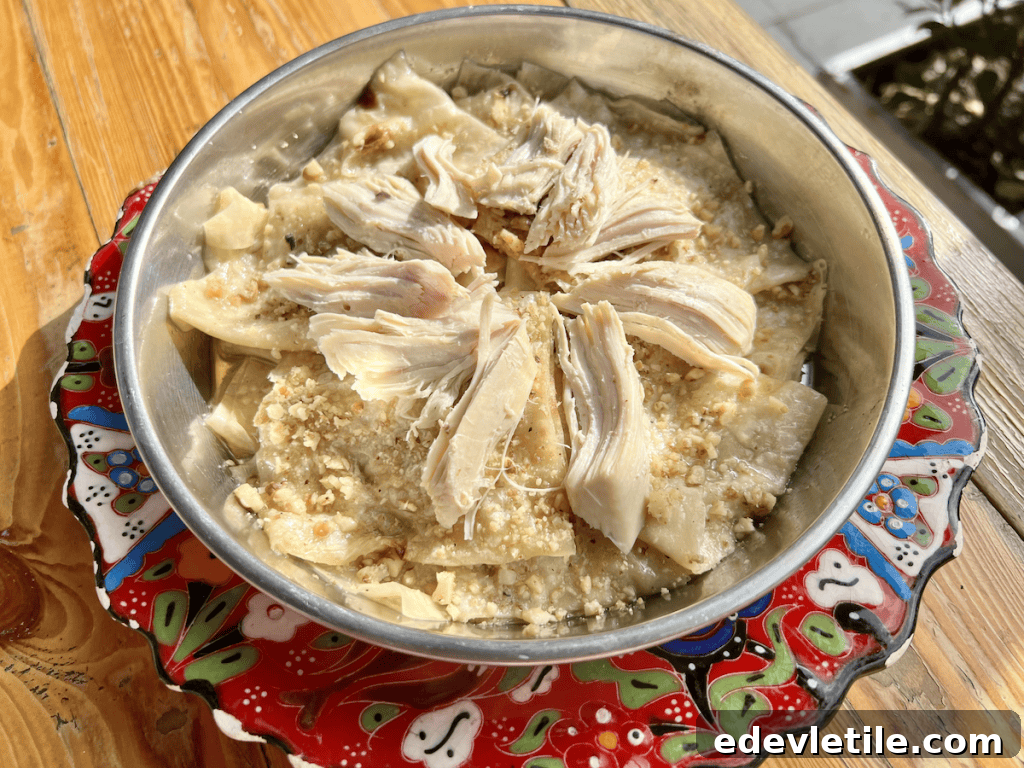
Banduma — A regional classic of shredded boiled chicken layered over lavash-style bread, finished with a savory sauce and crushed nuts. It’s comforting and highly recommended.
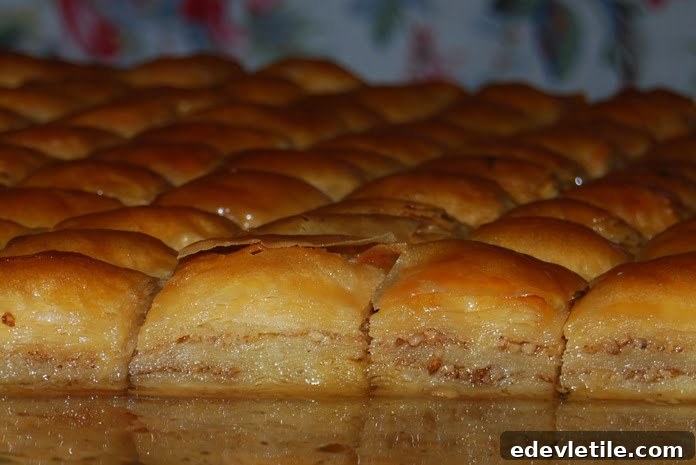
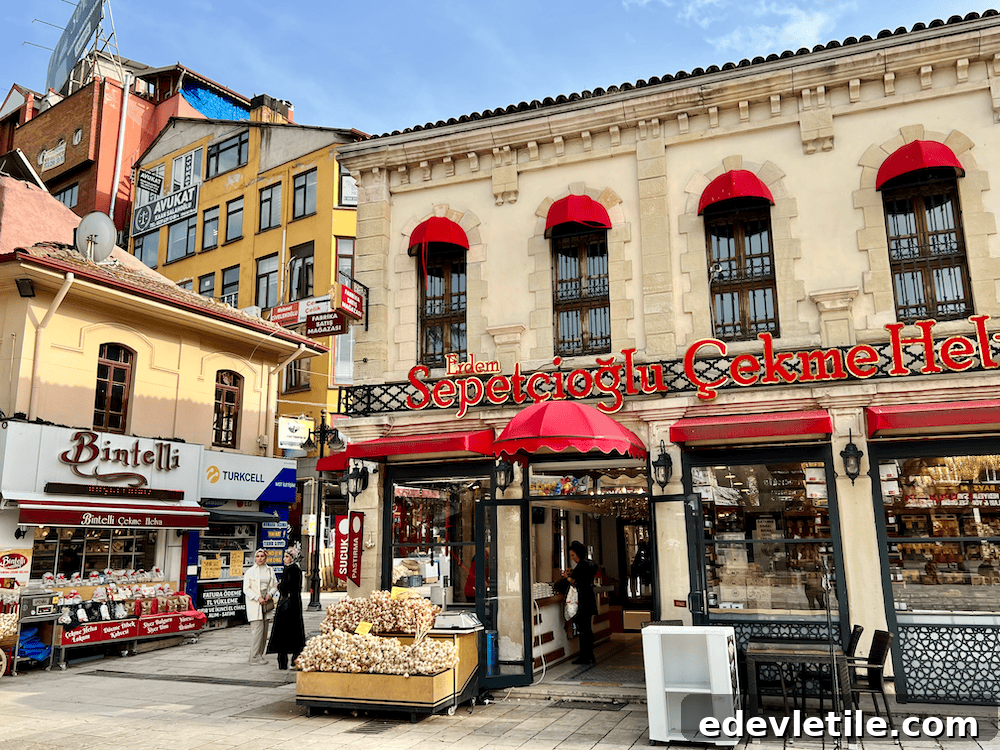
Çekme Helva — Kastamonu’s famous sweet made from simple ingredients (flour, sugar, butter, lemon, water) but prepared in a distinctive way. It’s a popular souvenir; Sepetçioğlu is a well-known producer.
Elma Eğşisi — A tangy local apple concentrate made from wild apples. It’s sold as a thick sauce you dilute with water to make a refreshing drink.
For authentic local food, try Penbe Han, a historic caravanserai turned restaurant that serves traditional Kastamonu dishes like etli ekmek and banduma. Other solid choices include Cem Sultan Bedesten, Münire Sultan Table, and Eflanili Konağı, the latter being an Ottoman house converted into a restaurant.
How to Get to Kastamonu
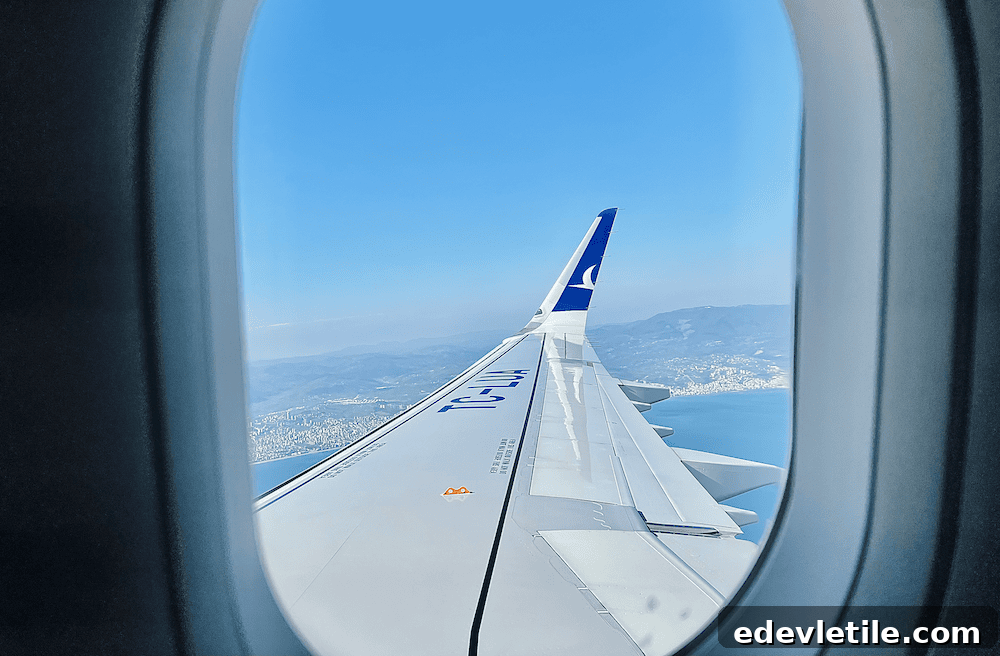
By Airplane — Kastamonu Airport (KFS) has regular domestic flights, including services from Istanbul’s Sabiha Gökçen (SAW) and Istanbul Airport (IST). Compare fares and departure airports to find the best price. Alternatively, you can fly into Ankara and take a bus to Kastamonu.
By Bus — Kastamonu is well connected by intercity buses from Black Sea cities such as Sinop, Safranbolu, Zonguldak, and Samsun, and from major centers like Istanbul, Ankara, Izmir, and Antalya. Long overnight rides can be tiring (Izmir–Kastamonu can exceed 15 hours), so consider flying when practical.
By Car — Kastamonu is an excellent stop on a Black Sea road trip and sits within easy driving distance of Amasra, Safranbolu, Sinop, and Ankara. Renting a car gives you flexibility to visit nearby ruins, canyons, and coastline.
Getting Around Kastamonu
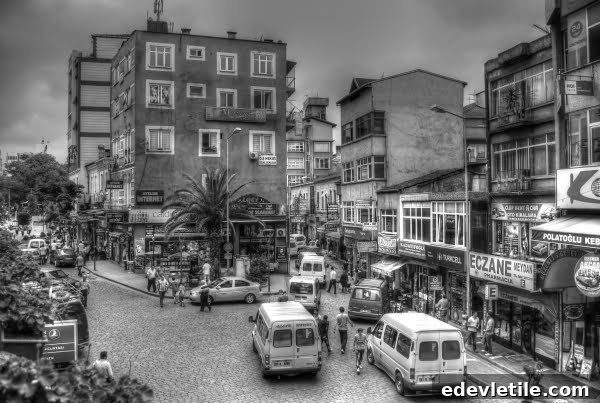
Kastamonu’s compact center covers roughly 6 kilometers, and most attractions are walkable. Taxis are readily available; from the main bus station to the city center is a short 9-kilometer ride. For local navigation, taxi kiosks are common near central squares.
What to do in Kastamonu
Climb to the top of Kastamonu Castle
Kastamonu Castle dates to the 12th century and stands at the city’s highest point. Although parts of the outer walls have deteriorated, the inner fortress remains in good condition. The uphill walk can be steep, so plan for a short hike and visit near sunset for the most dramatic views. Entrance is free.
See the Traditional Ottoman Mansions
Kastamonu is an excellent place to admire Ottoman domestic architecture without the crowds found in more famous towns. The city’s wooden mansions, many with overhanging upper floors and carved details, are concentrated in neighborhoods such as Akmescit, Ismail Bey, and Hepkebirler.
See the Rock Tomb Houses
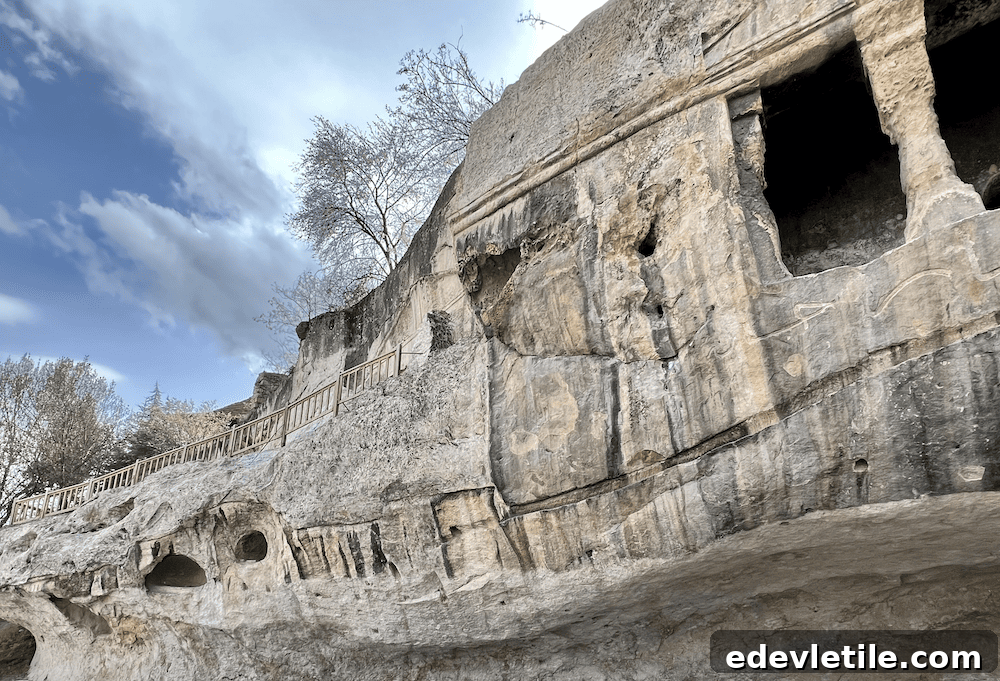
The Ev Kaya Mezarları, or rock-cut home tombs, are a distinctive archaeological feature. Carved into cliffs by Paphlagonians in the 7th century BC, these tombs are among the oldest in the province. Visitors can reach the site via a stairway and read on-site information panels for context.
People-watch at Nasrullah Square
Nasrullah Square is the social and historic center of Kastamonu, anchored by the 16th-century Nasrullah Mosque. Cafes, helva shops, and small stores make the square a great place to sip tea, sample pastırma or helva, and watch local life unfold. It’s also a convenient base for exploring nearby landmarks on foot.
Learn Kastamonu’s history at the City Museum
The Kastamonu City Museum, established as a documentation and archive center, reopened with updated exhibits in 2018. The displays cover geology and wildlife, archaeology, architecture, and social history. Exhibit text may not always be in English, but the collections provide a solid overview of the region. The historic clock tower and a pleasant café are located just behind the museum.
Where to stay in Kastamonu
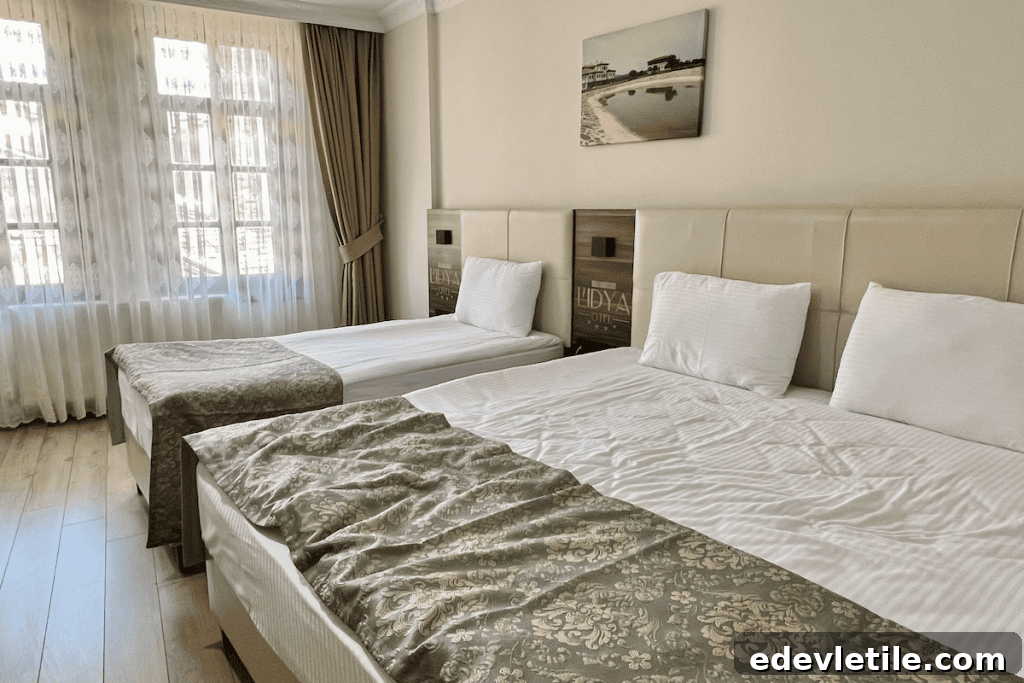
Lidya Otel
A highly rated family-run option close to the center. Lidya Otel has about 20 rooms, welcoming hosts, and a traditional Turkish breakfast. Rooms are spacious, each named after a local town. The hotel sits on a quiet street and is a five-minute walk from the city center, with street and on-site parking available.
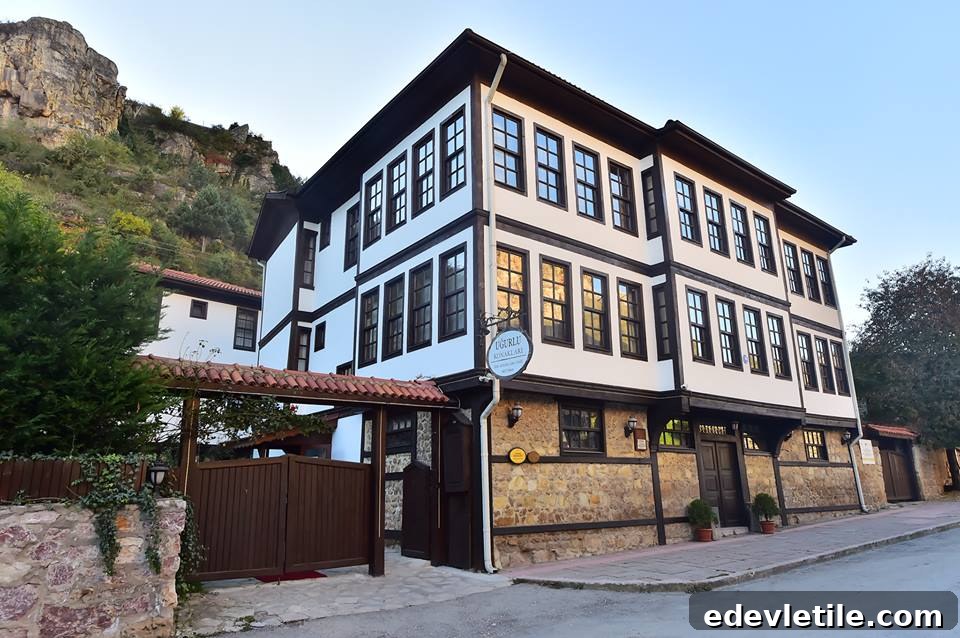
Uğurlu Konakları
A restored Ottoman konak offering modern rooms within a traditional setting. It’s near the city center but tucked on a peaceful street, ideal for travelers who want character and comfort.
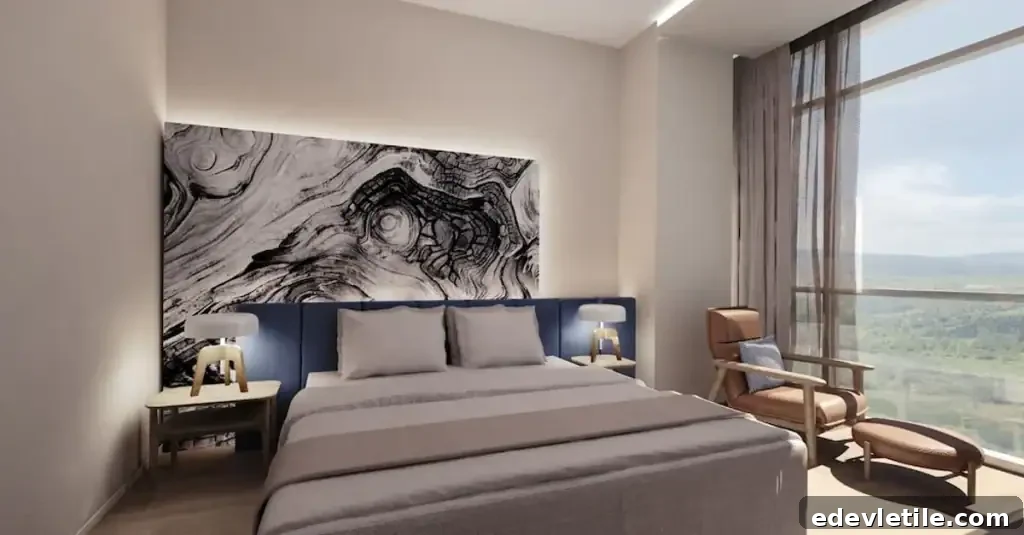
Park Dedeman Kastamonu
The city’s most upscale option, Park Dedeman offers full hotel amenities such as a restaurant, spa, pool, fitness facilities, and terraces with views of the surrounding hills — a good choice if you prefer resort-style comfort.
Planning a Trip to Türkiye? Check out our other posts!
-
2 Week Turkey Black Sea Roadtrip Itinerary: Off the Beaten Path Adventures
Embarking on a Black Sea road trip should definitely be on the top of your travel bucket list. This road…
-
Amasra Travel Guide: The Best Things to Do in Turkey’s Charming Black Sea Town
If there was only one phrase to describe Amasra, it would be a hidden gem. Yes, it’s a cliché, but…
-
Amasya (Turkey) Travel Guide: Visit Turkey’s Charming ‘City of Princes’
With its meandering canal splitting the city in two, charming traditional houses, and soft green mountains framing the background, it’s…