Ani Ruins: Exploring the Ancient City of 1,001 Churches
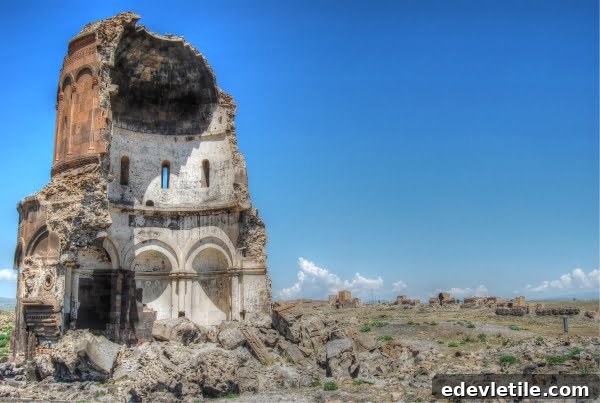
The ruins of Ani are the remains of a medieval Armenian kingdom: an impressive spread of churches, mosques, and fortifications on the border with Armenia. Situated on a wide plateau, Ani is one of Turkey’s most overlooked historical sites, yet its architecture and historical importance make it unique.
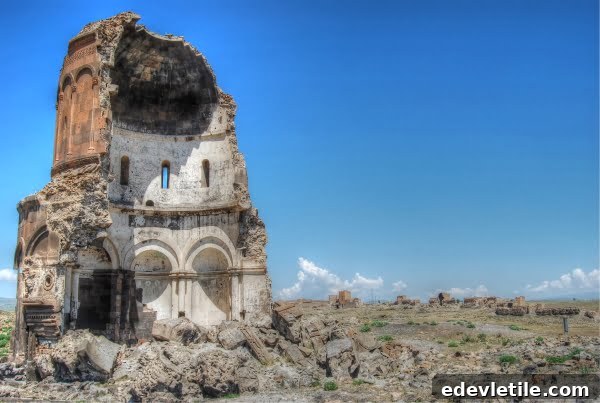
Ruins of Ani – Northeast Turkey on the border with Armenia
At its peak, Ani was a thriving city, home to more than 100,000 residents who lived safely within its walls. The city’s wealth, advanced craftsmanship, and religious dedication led to the construction of countless churches and public buildings, earning Ani the evocative nickname “the city of 1001 churches.”
“The city of 1001 churches”
Located on the ancient Silk Road, Ani once rivaled major centers like Constantinople and Cairo. Its prosperity attracted attention from neighboring powers, and in 1045 the city came under Byzantine control. That transfer of power marked the start of a long period of decline.
This was the beginning of Ani’s gradual downfall and eventual ruin.
Over the following centuries Ani saw many rulers, including the Seljuk Turks, Mongols, and the Ottoman Empire. By the 18th century the city had been abandoned, its buildings left to the elements. Local villagers often scavenged stone and timber from the ruined churches and mosques to build homes and farms.
Excavations began in 1893 while the region was under Russian control, but large-scale conflicts in the 20th century, including World War I and the Turkish War of Independence, interrupted preservation work. In recent decades excavations have resumed, but the site remains at risk.
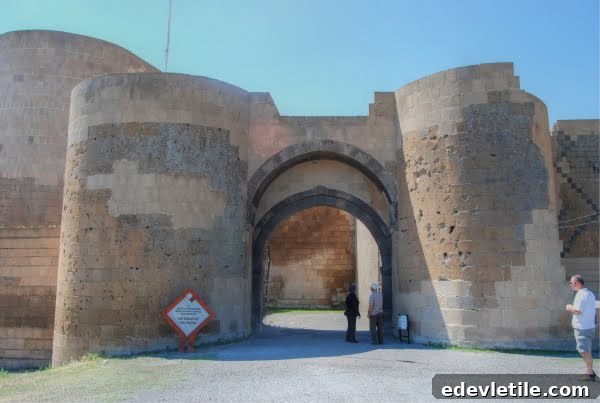
The World Monuments Fund has listed Ani as endangered and in 2011 began coordinating efforts with Turkish authorities to stabilize and restore several of the most important structures. Although work has started, much remains to be done to secure Ani’s architectural heritage for future generations.
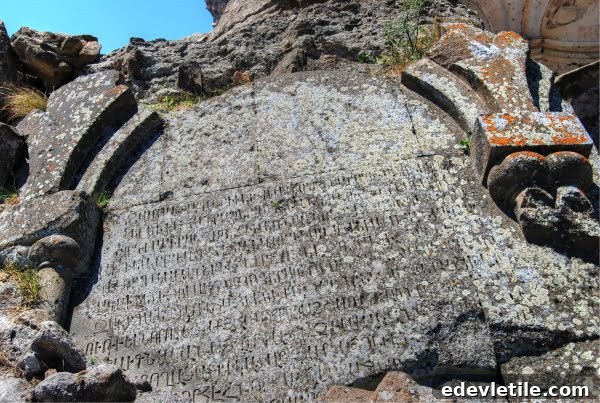
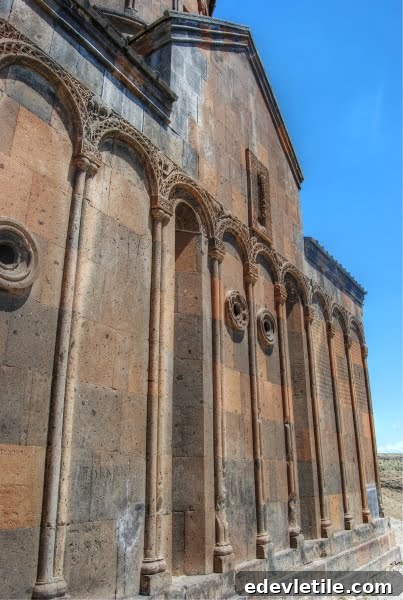
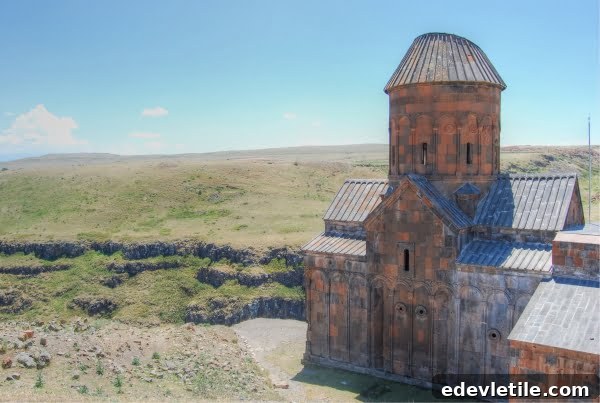
The surviving city walls, churches, and civic ruins show sophisticated stonework and distinctive Armenian architectural features. These monuments stand as testimony to Ani’s historical significance as a crossroads of trade, culture, and religion.
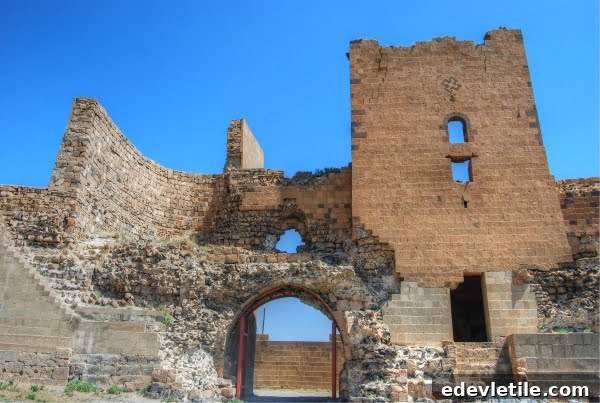
My visit to the ruins of Ani
The ruins are a short, scenic drive—about half an hour—from the city of Kars. I aimed to arrive early to avoid crowds and enjoy the site in peace. In the past, visitors reportedly needed police permission and photography was restricted, but during my visit entry was straightforward: a ticket and freedom to take photographs.
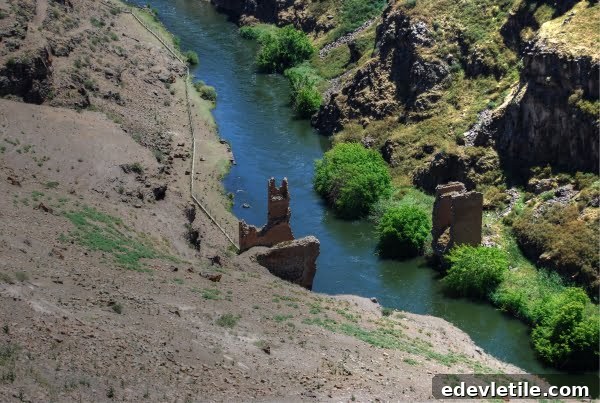
Despite the site’s importance, tourist numbers are very low. When we arrived our small group of three plus a guide found an empty parking area and no queues at the ticket booth. The attendant explained that northeastern Turkey is not a major tourist destination; visitors trickle through rather than arrive in large tour groups.
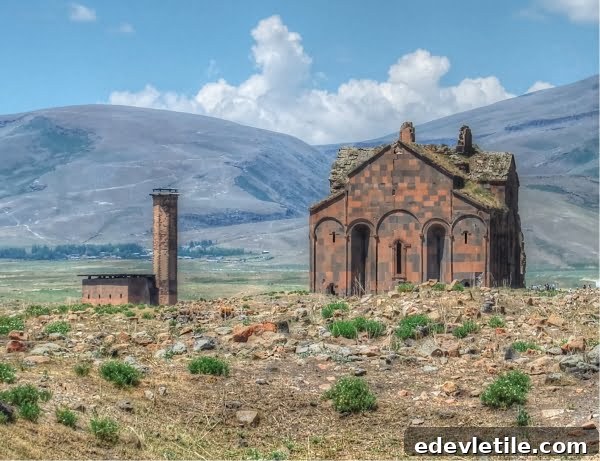
Walking among the ruins felt like stepping into a ghost town. Many grand buildings stand isolated on the grass-covered plateau, weathered but still evocative of the city’s former grandeur.
“Ghost town”
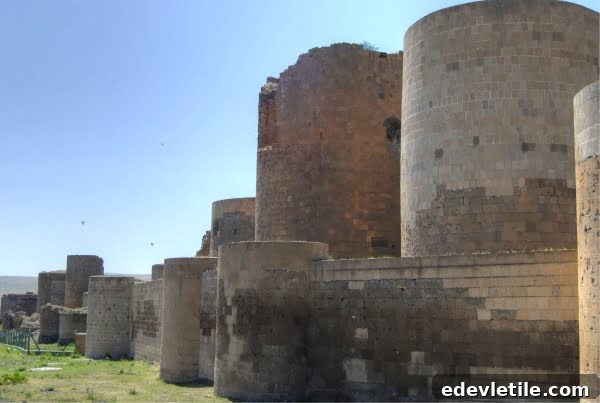
I took many photographs during the visit and found the site endlessly photogenic. Because I captured dozens of images, I have organized my material into multiple parts to avoid an overly long single article. Expect further posts showing additional details and photos of notable churches and fortifications.
Readers’ question: Do you agree that the ruins of Ani are a site worth seeing?
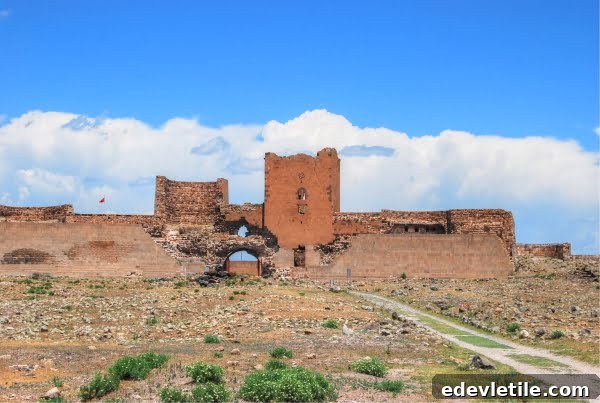
Ani’s combination of architectural achievement, layered history, and dramatic setting on the borderlands makes it a compelling destination for anyone interested in medieval history, Armenian heritage, or off-the-beaten-path travel. Conservation work is essential to preserve these ruins; visiting responsibly helps raise awareness of their value.