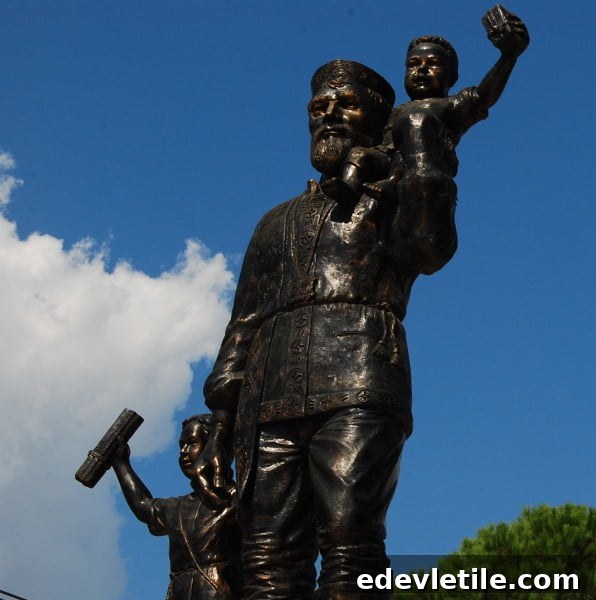
Saint Nicholas: The Story of Santa Claus in Turkey
Every year around Christmas, millions of parents take part in one of the season’s gentlest deceptions: the story of Santa Claus. It begins in a child’s early years when parents promise gifts from Santa for good behavior and weave tales of the North Pole, a jolly man in a red suit, and busy elves. Some families even travel to Lapland so children can meet a Santa figure and dream of flying reindeer.
When children grow older, many parents eventually explain that Santa was only part of the fun. What is less commonly known is that the figure behind that tradition was a real person whose life began not at the North Pole but in what is now Turkey.
His story includes acts of generosity that likely inspired the chimney-and-gift image now associated with Santa. I recently visited the town where his reputation was shaped and offer here a concise, fact-based background to explain the origins.
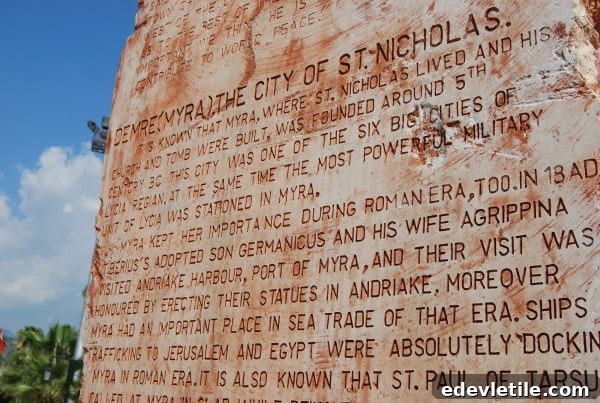
Six Facts About Santa Claus and Turkey You May Not Know
1 – Nicholas—later associated with Santa Claus—was born in the town of Patara on the southwest coast of what is now Turkey, around 260–280 AD. At that time the region was part of Lycia, long before the modern Republic of Turkey was established in 1923.
2 – His given name was Nicholas. As an adult he became bishop of Myra, a nearby town now called Demre.
3 – When Nicholas’s parents died, they left him a considerable inheritance. He used that wealth to help the poor, often doing so discreetly. Tradition says he secretly placed coins and small gifts into houses—sometimes by dropping them down chimneys—until one day a local resident witnessed his act of charity and revealed his kindness to the town.
4 – After his death a memorial was established in his honor. Over time he was venerated as Saint Nicholas and became known as a patron of sailors and, particularly, of children. Stories recount him giving nuts, fruit and sweets to children as rewards for good behavior—an early form of festive treats.
5 – The feast day of Saint Nicholas is celebrated on December 6th. As centuries passed, celebrations for Saint Nicholas and the Christian observance of Jesus’s birth on December 25th began to merge in some cultures, helping link Saint Nicholas traditions to modern Christmas customs.
6 – In the late 1800s popular illustrations began to depict Saint Nicholas—by then often called Santa Claus—as a bearded, pipe-smoking, rotund man. Those images contributed to the transformation of a modest fourth-century bishop into the familiar, jolly gift-bringer who would later be dressed in a bright red suit and surrounded by elves and reindeer.
Over time the historical Nicholas and the later fictional Santa merged into a single cultural figure. The deeper origins of Saint Nicholas remain known to scholars, religious communities, and those who trace the history of Christmas traditions.
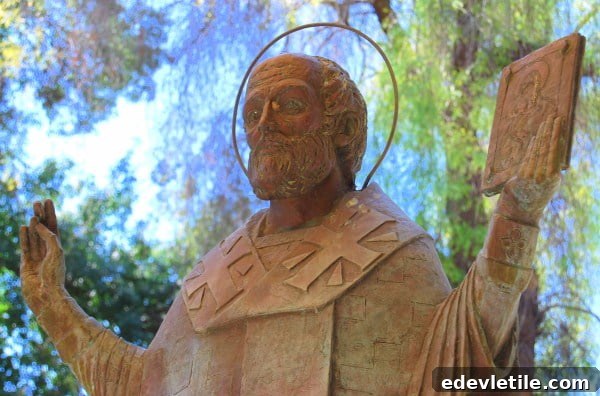
Saint Nicholas Church in Demre
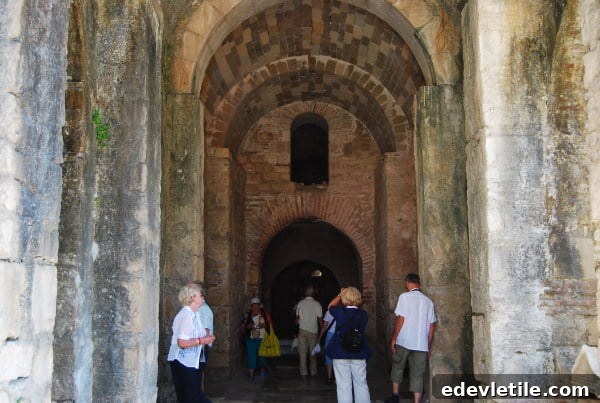
During a recent tour along the Lycian coast in Turkey, I visited the Church of Saint Nicholas in Demre and gained a clearer sense of the man behind the legend. The church is open daily and is a focal point of local devotion, especially on December 6th when special commemorations mark the feast of Saint Nicholas.
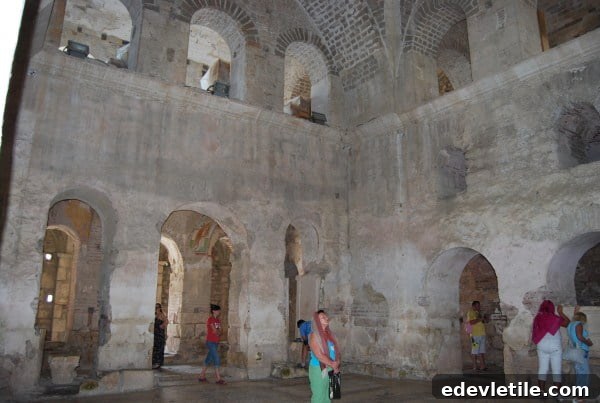
The church once held his original sarcophagus, although relics associated with Saint Nicholas were taken to other parts of Europe in the Middle Ages. Visitors come to the church to view the site, pray, or simply learn about the historical figure whose acts of charity influenced centuries of tradition.
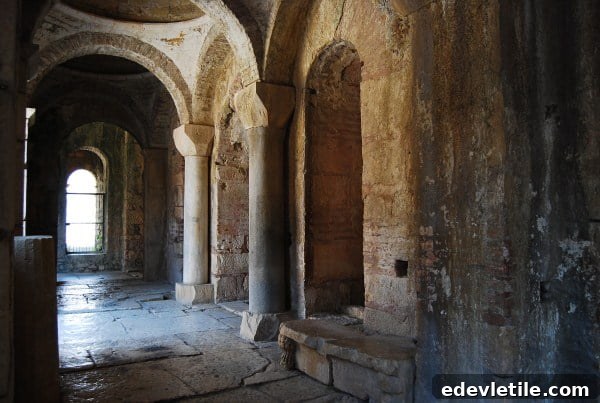
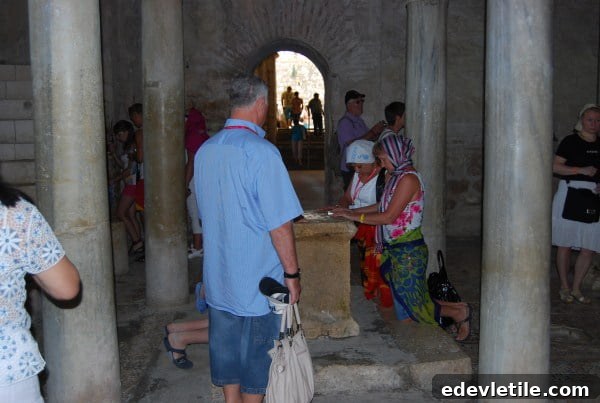
Visitor note: When entering the church, show respect for worshippers and for local customs. Many people come to touch or pray near the sarcophagus and to honor the memory of Saint Nicholas.
A note to parents: The commercial Santa story—reindeer, elves and the North Pole—can be a useful way to spark children’s imagination and encourage good behavior. When children reach the age of understanding, consider sharing the true history of Saint Nicholas: a man remembered for quiet generosity. Telling that story preserves the spirit of giving while linking modern festivities to a real, compassionate figure from history.